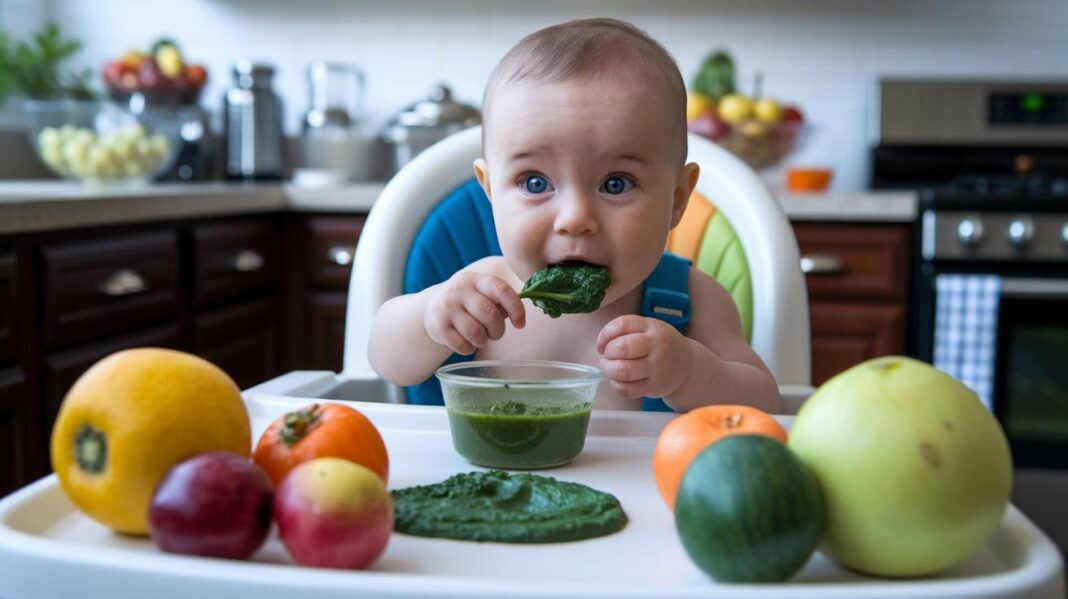
Have you ever thought that a little spoonful of pureed chicken could help your baby grow strong? Iron gives your little one energy and helps build healthy cells. Mixing soft, iron-rich foods like pureed beef, lentils, or spinach can make mealtime both fun and nutritious. Today, I'll share some simple ideas to add more iron to your baby's food, so every bite is safe, tasty, and full of the goodness they need to grow.
Top Iron-Rich Foods for Babies
Have you ever thought about the best ways to boost your baby's iron? A mix of heme iron (think pureed beef or chicken) and nonheme iron (found in iron-fortified cereals, lentil, and spinach purées) can give your little one a variety of textures and essential nutrients. Heme iron gets absorbed more easily, while nonheme iron works better when paired with foods full of vitamin C. I once discovered that a tiny taste of pureed chicken soothed my baby’s tummy, opening the door for even more nutritious meals.
| Food | Iron Content (mg/serving) | Recommended Starting Age |
|---|---|---|
| Iron-fortified cereal | 3.0 | 6 months |
| Pureed beef | 1.2 | 7 months |
| Lentil purée | 1.8 | 6 months |
| Spinach purée | 0.8 | 6 months |
| Egg yolk | 0.6 | 7 months |
| Pureed chicken | 1.0 | 7 months |
When you begin introducing new iron-rich foods, try starting with small portions and keep an eye on how your baby reacts. It might help to offer one new food at a time for a few days before adding another. I remember saying to myself, “Just a little spoonful of pureed chicken today,” and when my baby finished it happily, I knew it was safe to try something like lentil purée tomorrow. This gentle approach not only keeps their daily iron intake balanced but also helps you spot any sensitivities along the way.
Why Iron Matters in Baby Development
Iron plays a big role in helping your baby's body work well. It helps create hemoglobin in red blood cells, which acts like a little delivery van carrying oxygen to every cell. When there isn’t enough iron, everything can slow down, and your baby might feel tired.
But iron isn’t just about giving energy. It also supports brain growth, strengthens the immune system, and makes early learning possible. I once read that iron is like a quiet helper behind the scenes, turning on the lights so your baby’s brain can start exploring and building a strong defense against germs.
Babies collect extra iron while still in the womb, and this supply usually lasts for about six months after birth. After that, it’s important to add iron-rich foods like cereals and pureed meats to their meals. Keeping a close watch on iron intake during this time can help your baby grow strong and feel their best.
Introducing Iron-Rich Foods by Baby’s Age Stage
Starting solids is such a special moment for your baby. It’s a gentle journey where you gradually add iron-rich foods to support healthy growth. At first, milk stays the main source of nourishment, and slowly you introduce new tastes and textures. It’s like a soft step into a world of flavors, keeping the comfort of breast milk or iron-fortified formula while slowly adding variety.
0–6 Months
In these first six months, breast milk or formula is absolutely key. Although milk has lots of important nutrients, it doesn’t bring much iron to the table. Sometimes, doctors might recommend a few extra drops or vitamin supplements, especially if your little one was born early. I once had a friend share that a quick dip in extra iron helped keep things on track after checking in with her pediatrician. It’s a small, simple step that makes a big difference.
6–8 Months
When your baby is between six and eight months old, you can start offering iron-fortified infant cereals along with a few spoonfuls of gentle purees. During this stage, aiming for that daily iron goal (about 11 mg) helps support your growing baby. You might even mix the cereal with a bit of mashed fruit for a mild, sweet flavor that your baby can enjoy. This is a time of slow changes from a liquid diet to soft, new foods, so taking it one small step at a time really works well.
9–12 Months
Between nine and twelve months, your baby is ready for more variety. Pureed meats, legumes, and even fun finger foods like sweet potato sticks can make their way into meals. Adding pureed chicken or lentils not only boosts iron but also introduces a richer mix of textures. Now’s the time to encourage self-feeding and explore a playful, varied menu. Each new food is a new adventure that helps meet nutritional needs while making mealtimes a chance to discover and enjoy different tastes.
Maximizing Iron Absorption with Food Pairings
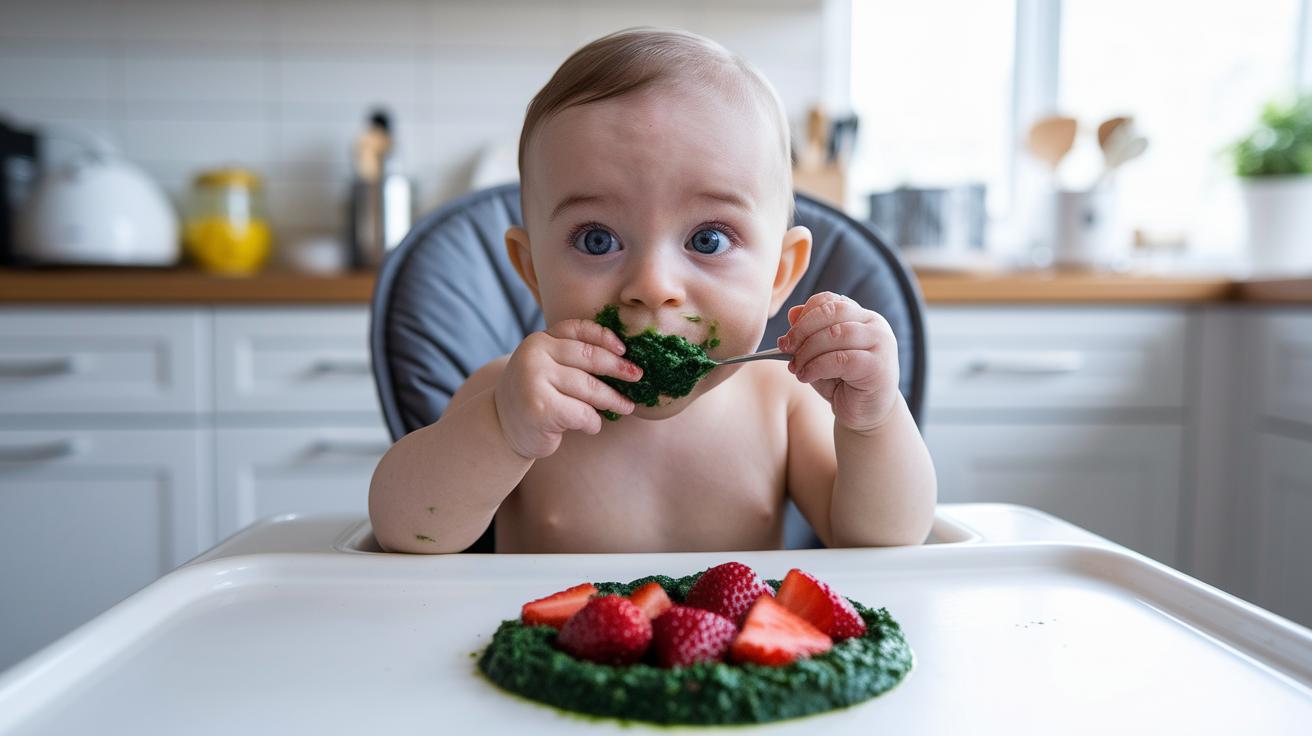
When you mix foods rich in vitamin C with plant-based iron (nonheme iron found in veggies and grains), it can really give your baby’s meals a boost. Adding ingredients like strawberries, oranges, or bell peppers nearly doubles the iron absorption from these foods. This easy trick not only helps your little one get more nutrients for energy and oxygen but also brings fun new flavors to mealtime.
Try these pairings next time:
- Pureed strawberries with a spinach mash
- Mashed sweet potato with a drizzle of orange juice
- Bell pepper blended into a lentil puree
- Broccoli puree mixed with apple
- Iron-fortified cereal with a splash of citrus
- Kiwi stirred into a pureed beans mix
Each spoonful can be both a tasty new adventure and a little boost for your baby’s growing body.
Safety and Allergy Considerations for Iron-Rich Feeding
If you're planning to add iron-packed foods or supplements to your baby's meals, talk with your pediatrician first. They can help you decide the right amount and whether a supplement is needed. Next, try one new iron-rich food at a time and wait three to five days before introducing another. This gives you a chance to check for any allergy signs, like a change in skin or behavior. One parent said, "A quick call to our pediatrician saved us from overdoing it," reminding us that expert advice is always a big help.
As your baby grows more comfortable with simple purees, slowly introduce thicker or slightly coarser textures. This change supports their developing chewing skills and keeps mealtime safe. One mom shared, "Shifting the texture slowly made mealtime safer and more fun." It’s all about taking it step by step to help your little one adjust smoothly while enjoying every bite.
Iron-Rich Meal Ideas & Baby-Friendly Recipes
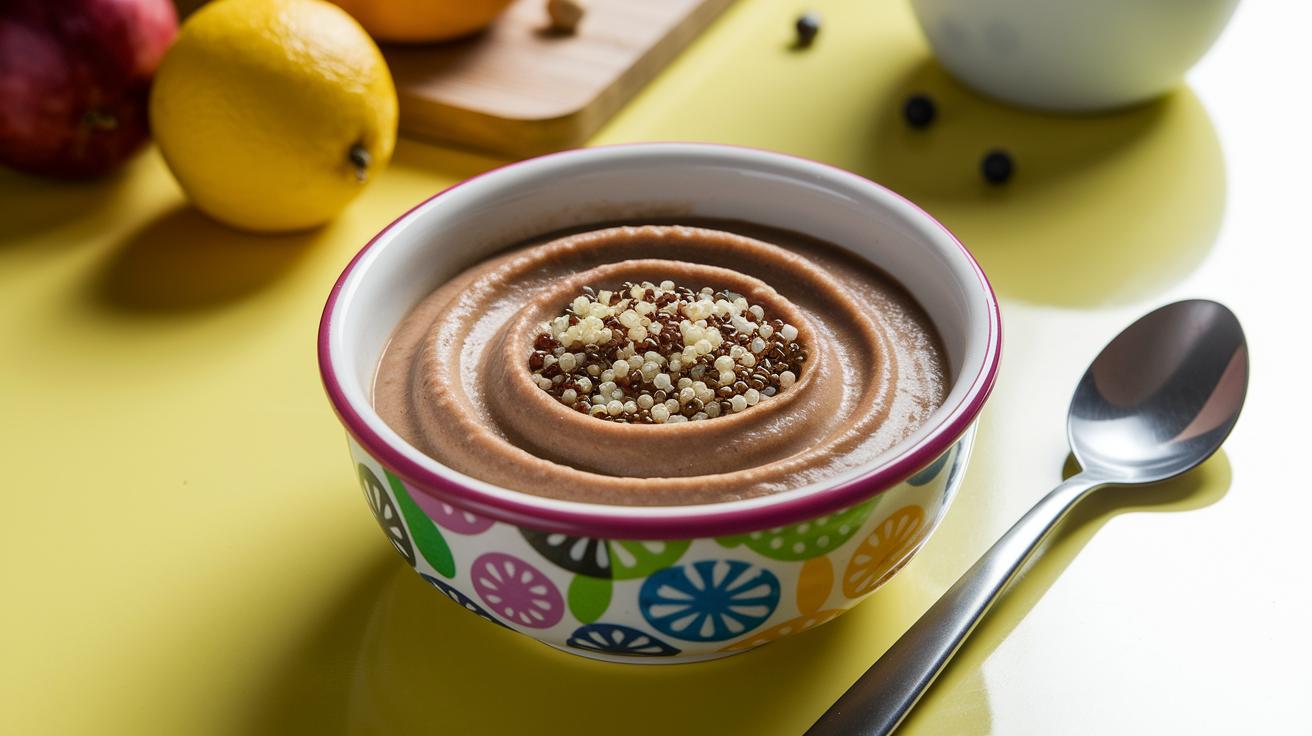
These recipes are a simple way to add more iron and extra nutrients to your little one’s menu. They’re made to be smooth and gentle, slowly introducing new textures and flavors while still being easy on your baby’s tummy. Give these a try and see how a little change can naturally boost your baby’s iron intake.
Pureed Beef & Quinoa Blend
Imagine a dish that’s both nourishing and gentle. Here’s how to make it:
Ingredients:
- Lean beef (cooked until it’s nice and tender)
- Quinoa (cooked until soft and fluffy)
- Carrots (steamed until very soft)
- A splash of water or low-sodium broth
What to do:
- Begin by cooking your quinoa until it feels soft.
- In another pan, lightly steam the beef and carrots until they’re fully cooked.
- Put the beef, quinoa, and carrots in a blender. Add a bit of water or broth to get the right smoothness.
- Blend everything until it’s smooth, keeping in mind the texture that’s safe for your baby’s age.
Tip: If you want a thinner puree, add a little more liquid. For a thicker blend, use less liquid.
Lentil & Sweet Potato Mash
This warm dish is a lovely mix of flavors and textures that can make mealtime fun and friendly.
Ingredients:
- Cooked lentils (rinsed well and soft)
- Roasted sweet potato (mashed until smooth)
- A splash of water
- A tiny pinch of cinnamon (if you feel like a little extra flavor)
What to do:
- Mix a portion of warm mashed sweet potato with an equal part of soft, cooked lentils.
- Stir in a splash of water so everything mixes nicely.
- If you like, add a pinch of cinnamon to brighten the flavor.
- Mash or blend a bit more until it’s well combined.
Tip: Serve it warm in small portions, and as your baby gets used to new textures, you can thicken it up over time.
Spinach, Apple & Oatmeal Purée
A lovely, nutrient-packed meal that offers a bite of vitamin C to help with iron absorption.
Ingredients:
- Baby spinach (steamed until soft)
- Apple (peeled, chopped, and lightly cooked until tender)
- Iron-fortified oatmeal (made with water)
What to do:
- Steam the spinach and gently cook the apple pieces until both are tender.
- In your blender, combine the spinach, apple, and prepared oatmeal.
- Blend until you reach a smooth consistency, leaving a little texture if you’d prefer.
- Enjoy the natural blend that not only tastes good but also helps your baby absorb more iron with the help of vitamin C from the apple.
Tip: Adjust how thick or runny the puree is by adding more or less water as needed.
Final Words
In the action, we explored how to serve iron-rich foods for babies safely and simply, breaking down both animal and plant options for every stage. We talked about types of iron, ideal pairings with vitamin C to boost absorption, and practical recipes that make meal prep feel like a breeze.
This guide brings practical ideas to your kitchen while keeping baby’s health and happiness in mind. With these iron rich foods for babies tips, feeding time becomes a time for care and tasty, confidence-building meals.