
Have you ever noticed how vitamin D quietly makes a big difference during pregnancy? When you take enough of it, vitamin D helps build strong bones for both you and your little one. Low levels early in your pregnancy might even increase the chance of a preterm birth or a smaller baby. Eating a balanced diet rich in vitamin D or taking a supplement can really help. This post sheds light on how important vitamin D is for both your health and your baby’s growth, showing you how one nutrient can pave the way for a healthy start.
Vitamin D’s Importance for Maternal Health and Pregnancy Outcomes
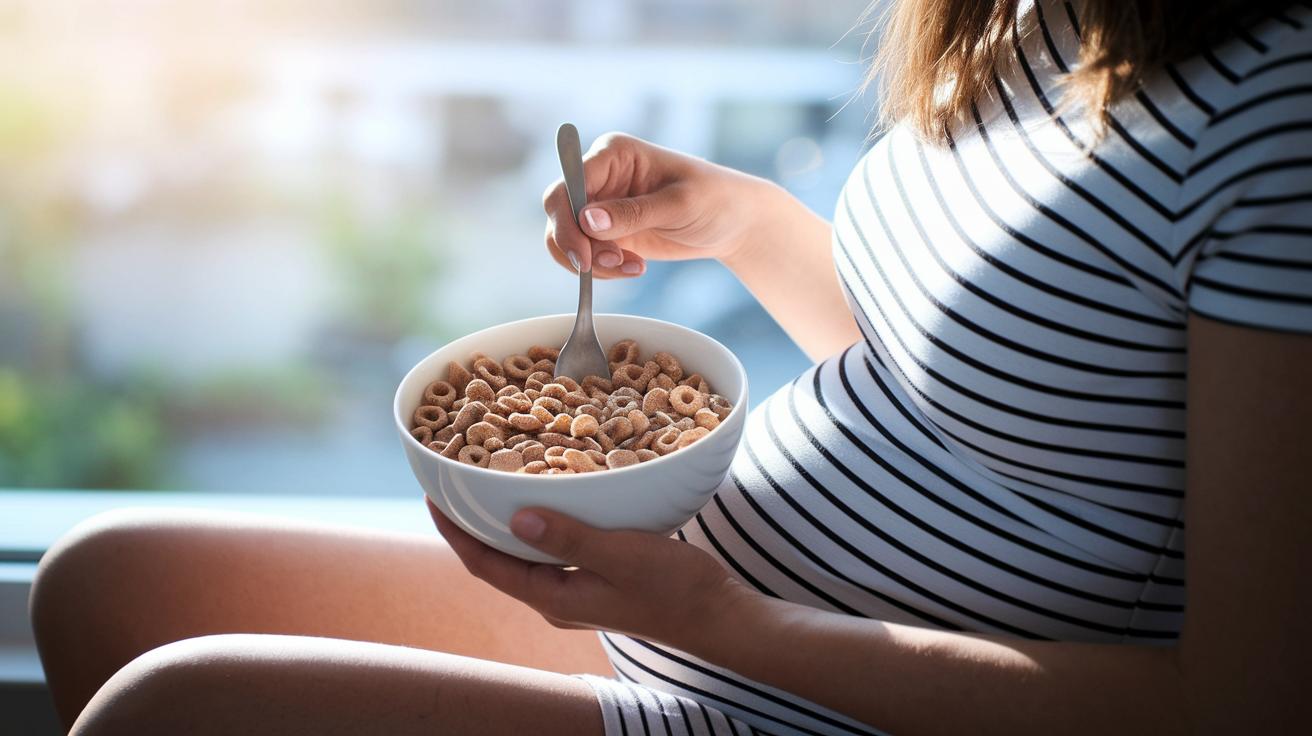
Vitamin D is really important for both mom and baby because it helps your body absorb calcium, which builds strong bones. It lays down a solid base for your baby’s growth and keeps your own bones healthy throughout pregnancy. Research shows that when vitamin D is low early on, there may be a higher risk of having a preterm birth or a smaller baby. One study even found that a lack of vitamin D in the first trimester could affect your newborn's health.
During pregnancy, getting the right nutrients is key. Eating foods that are rich in vitamin D, like fortified dairy, eggs, and fatty fish, can make a big difference in meeting your needs. But sometimes, our everyday meals might not give us enough of this sunshine vitamin. That’s why many healthcare providers suggest taking supplements, like daily prenatal care vitamins, to help your body use nutrients better and support both you and your baby.
After your baby is born, vitamin D stays important too. Breast milk only gives a little bit of vitamin D, about 5 to 80 IU per liter, which is way less than the 400 IU per day that infants need. So, keeping your own vitamin D levels healthy helps make sure your baby gets the support they need. By combining good nutrition with the right supplements, you’re setting up a strong plan for a healthy pregnancy and a happy start for your little one.
Vitamin D in Fetal Bone Development and Maternal Bone Health
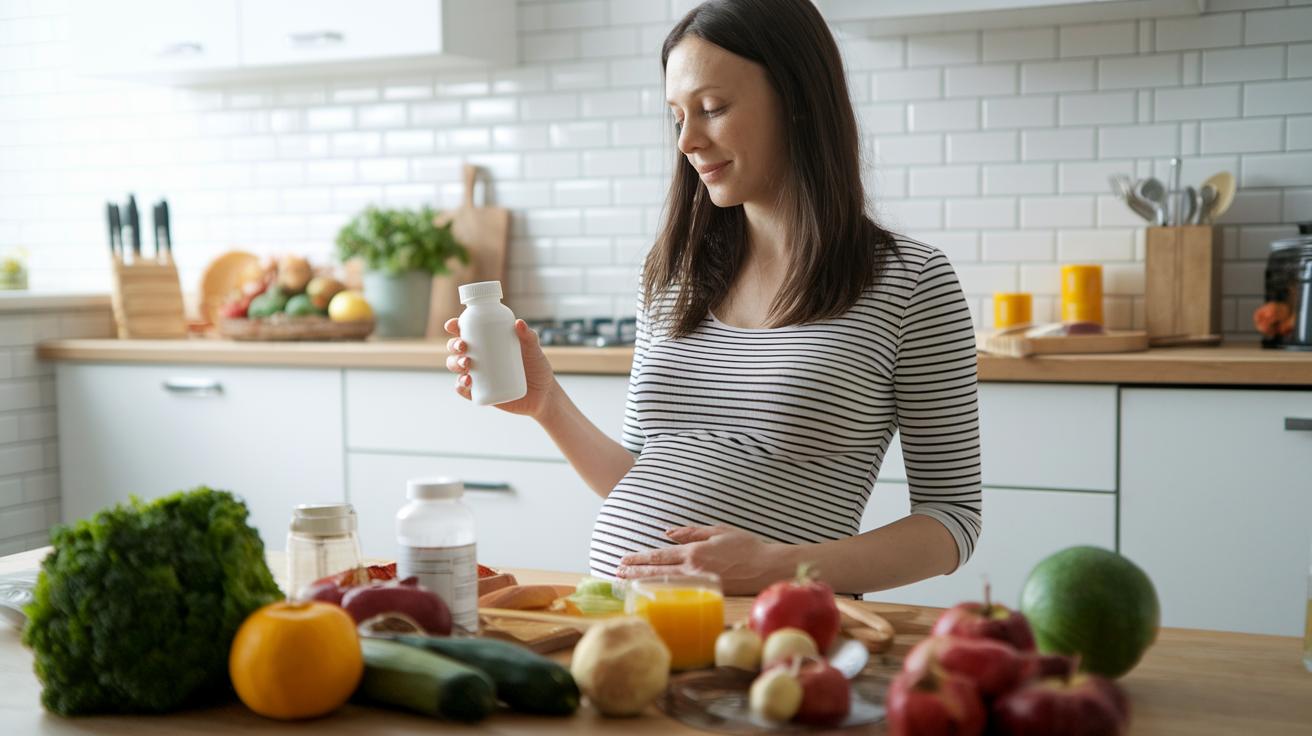
Vitamin D is essential because it helps your body turn calcium into the sturdy building blocks needed for both your bones and your baby's. Studies show that having enough vitamin D during your second trimester helps your baby start forming a strong little bone foundation, while keeping your own bones healthy too.
Imagine it like this: It's as if you're setting up a tiny building foundation on a busy day. Vitamin D is quietly making sure each "brick" (or calcium bit) is perfectly in place.
By getting enough vitamin D from your meals and a daily prenatal vitamin, you're offering steady support during one of pregnancy’s most important phases.
Vitamin D’s Role in Maternal Immune Support and Hormonal Balance

Vitamin D is a gentle helper for a mother's immune system and plays a key role in keeping hormones steady during pregnancy. It works quietly by influencing the way genes in immune cells act, helping the body adjust as it nurtures a baby. This sunshine nutrient calms the immune system, which can lower the chance of infections and give a needed boost when your body is busy growing new life. Enjoying foods rich in vitamin D along with a daily prenatal multivitamin can really strengthen these natural defenses.
Vitamin D isn’t just about supporting the immune system, it also helps balance hormones. When your vitamin D levels are just right, it might help smooth out mood swings, energy ups and downs, and other changes that come with pregnancy. Think of your body like a well-tuned instrument; vitamin D helps every part play in harmony. Even just a few minutes in the sunshine or a meal that includes fortified dairy or fatty fish can make a big difference.
This important nutrient works quietly behind the scenes to make sure your immune system adjusts well, and your hormones stay as steady as possible. With regular vitamin D from your diet, some time outdoors, or supplements, many mothers feel a boost in their overall well-being during pregnancy. It’s one of those small daily practices that supports your health and gives your baby a strong start.
Recommended Vitamin D Intake and Safe Supplementation for Pregnancy

Vitamin D is really important when you're expecting, it helps build strong bones and boosts overall health for both you and your baby. Studies show that taking between 2000 and 6400 IU of vitamin D each day during pregnancy is safe and beneficial. One study even found that a mom taking 4000 IU daily passed on enough vitamin D through her breast milk so her baby got what they needed without any extra drops. Isn’t that amazing?
The National Academy of Medicine usually sets 4000 IU per day as the upper limit for adults, but some experts say that doses as high as 10,000 IU can work too. This means that the right amount can really depend on your own needs. It’s best to stick to one method of supplementation, either by taking a higher dose yourself or by giving your baby supplements, using both at the same time isn’t recommended. When you go with the high-dose option (4000–6400 IU a day), you can be sure that plenty of vitamin D passes into your breast milk.
Research has also found that using just one method lowers the risk of vitamin D going too high, while still making sure you don’t miss out. By following your prenatal supplement plan, eating foods rich in vitamin D, and keeping an eye on your levels with your healthcare team, you’re setting up a strong and clear plan for your and your baby’s well-being. Imagine a gentle, caring plan where every dose plays a part in building a healthier future for both of you.
Dietary Sources and Safe Sun Exposure for Prenatal Vitamin D
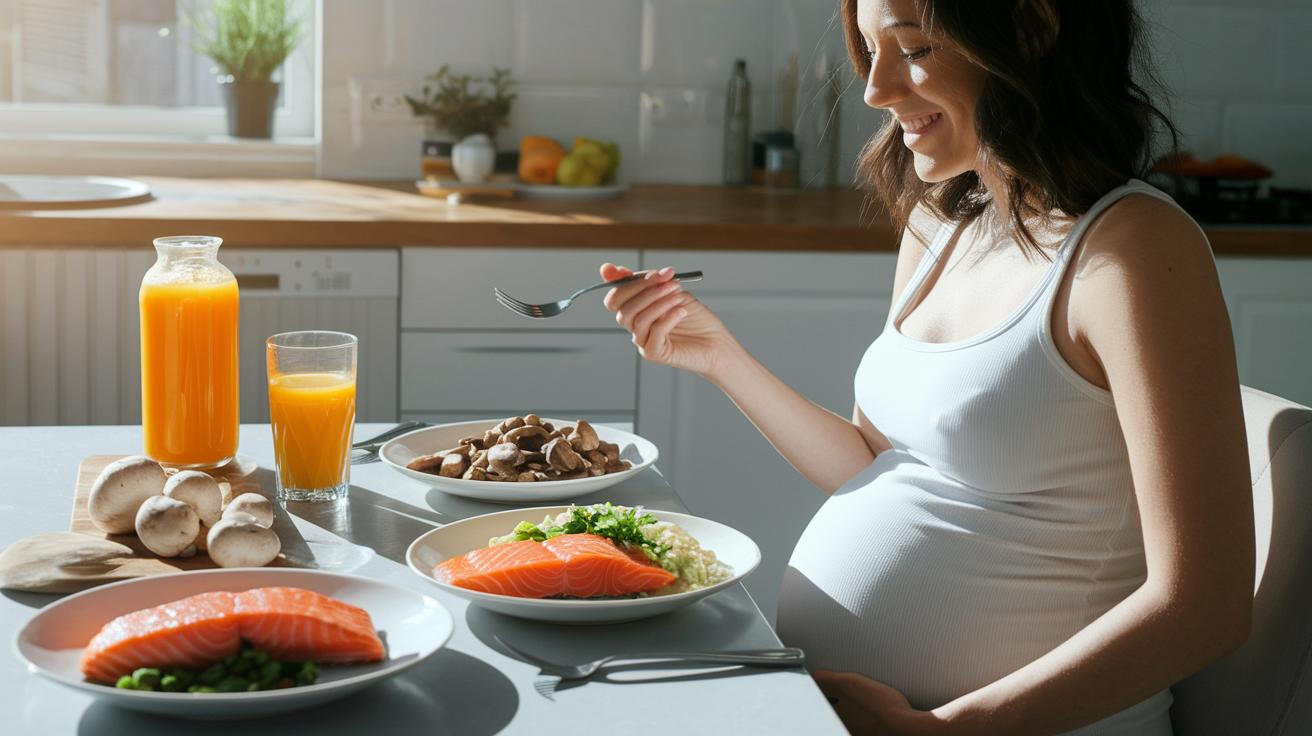
When you’re expecting, it’s really important to get enough vitamin D to help your body handle calcium and support strong bones for you and your little one. A well-rounded meal plan inspired by the USDA MyPlate guide makes it easy to include foods that offer this essential vitamin day by day.
Think about adding these to your meals:
- Salmon and mackerel are not only tasty but also rich in vitamin D and good fats.
- Fortified dairy or plant milks give you an extra boost of vitamin D in a yummy way.
- Egg yolks can be a simple addition that helps round out your nutrient intake.
- Mushrooms, especially after a bit of sunlight, are another helpful source.
- A glass of fortified orange juice can be a sweet way to get more vitamin D.
Don’t forget to enjoy a little outside time too! Spending about 10 to 15 minutes outdoors in the midmorning or midafternoon can naturally encourage your body to produce vitamin D without worrying about sunburn. Just keep an eye on the weather and remember that where you live can change how much vitamin D your skin can make. By mixing good foods with a little sun time, you’re giving yourself and your baby a smart, natural boost.
Identifying and Preventing Vitamin D Deficiency During Gestation

When your vitamin D blood level falls under 20, it means you might not be getting enough of this vital nutrient. This is often seen in women living in places with little sun or those with darker skin, where more than half might be affected. Low vitamin D while you're expecting has been linked to a higher risk of early birth, gestational diabetes, and even losing some bone strength. It’s a bit like setting out on a long road trip and realizing you're nearly out of gas.
Here are some simple steps to help keep your vitamin D in check:
- At your first prenatal visit, ask for a quick blood test to check your vitamin D levels.
- Try adding foods that are naturally rich in vitamin D, think fatty fish, egg yolks, and dairy foods that have extra vitamin D added.
- Follow your doctor’s advice about taking vitamin D supplements safely.
- Enjoy a little sun each day. Even 10 to 15 minutes can really boost your levels.
- Keep track of your progress with follow-up tests so you can make any needed changes.
Small changes like these can make a big difference. Have you ever noticed how little adjustments in your daily routine lead to a healthier and happier you? By taking care of your vitamin D needs, you're taking a wonderful step toward a safer and more joyful pregnancy.
Monitoring Maternal Vitamin D Status for a Safe Pregnancy

Keeping an eye on your vitamin D during pregnancy is a smart way to look after both you and your baby. When you get your vitamin D levels checked, specifically the serum 25-hydroxy-vitamin D (a simple blood test that shows how much vitamin D is in your system), it's like glancing at your car’s fuel gauge. It reassures you that you have enough of this essential nutrient to support your little one’s growth.
It’s best to stick with one vitamin D supplement to avoid taking too much. In fact, taking more than 10,000 IU (international units) a day could push your levels over 50 ng/mL, which isn’t ideal. That’s why your doctor might adjust your dose based on what the test results tell them.
Regular check-ups are really important. They help your provider know if you need a little extra or a slight reduction in vitamin D. Usually, they’ll recommend another test in about 4 to 12 weeks after starting a higher dose. This careful, step-by-step approach makes sure your vitamin D stays just right throughout your pregnancy.
Final Words
In the action of caring for you and your baby, we explored how vitamin D supports strong bones, immune health, and balanced hormones during pregnancy. The blog covered safe supplementation, dietary sources, smart sun exposure, and the signs of deficiency, all while keeping your nutritional needs in mind.
Each tip reinforces the Importance of vitamin D in maternal nutrition. Carry these insights forward with care and confidence into each new day.
FAQ
Why is vitamin D important during pregnancy?
The vitamin D plays a key role in pregnancy by aiding calcium absorption for proper bone growth and supporting the mother’s immune function and overall health for both her and the baby.
What happens if you don’t get enough vitamin D during pregnancy?
The vitamin D deficiency can lead to higher risks such as preterm birth, reduced fetal growth, and weakened maternal bones, highlighting the need for adequate levels throughout pregnancy.
Why is vitamin D important for both the mother and the infant during lactation?
The vitamin D matters during lactation because it supports the mother’s bone strength and immune system while ensuring that infants receive essential nutrients, even when breast milk naturally contains low vitamin D.