
Have you ever thought that slashing too many calories while you're expecting might hurt you and your baby? Cutting too many calories doesn’t just wear you out, it can upset your hormones and block the nutrients both of you need to grow strong and healthy. When your body doesn’t get enough energy, it gets stressed, and that stress can slow down the important processes that keep both you and your little one thriving.
Let’s chat about why sticking to a balanced diet is so important during pregnancy. Even small extremes in dieting could lead to risks you might not expect. Think of it like fueling a car: without enough gas, it just won’t run smoothly. Similarly, you and your baby need the right balance of nutrients to keep everything running well.
High-Level Risks of Extreme Dieting During Pregnancy
Cutting way too many calories while you're expecting can really put both you and your baby at risk. When you drastically drop your calorie intake, your body might not get the nutrients it needs, which can mess with its natural growth processes. It’s like asking too much from your body, it can get stressed, and that stress can affect your energy, hormone levels, and even your baby’s development.
- Not enough folate can increase the chance of serious nerve problems for your baby, like spina bifida or anencephaly.
- Extreme calorie cutting can leave you feeling drained and slow down your metabolism.
- Restricting your meals too much may cause issues with your hormones and even affect your ability to ovulate.
- Skipping key food groups means you might miss out on important vitamins and minerals.
- Your baby’s growth can be slowed, which might lead to long-term challenges with physical growth and learning.
Remember, balanced nutrition is essential. It helps protect you and supports your baby's healthy growth throughout pregnancy.
Maternal Health Complications from Restrictive Pregnancy Diets
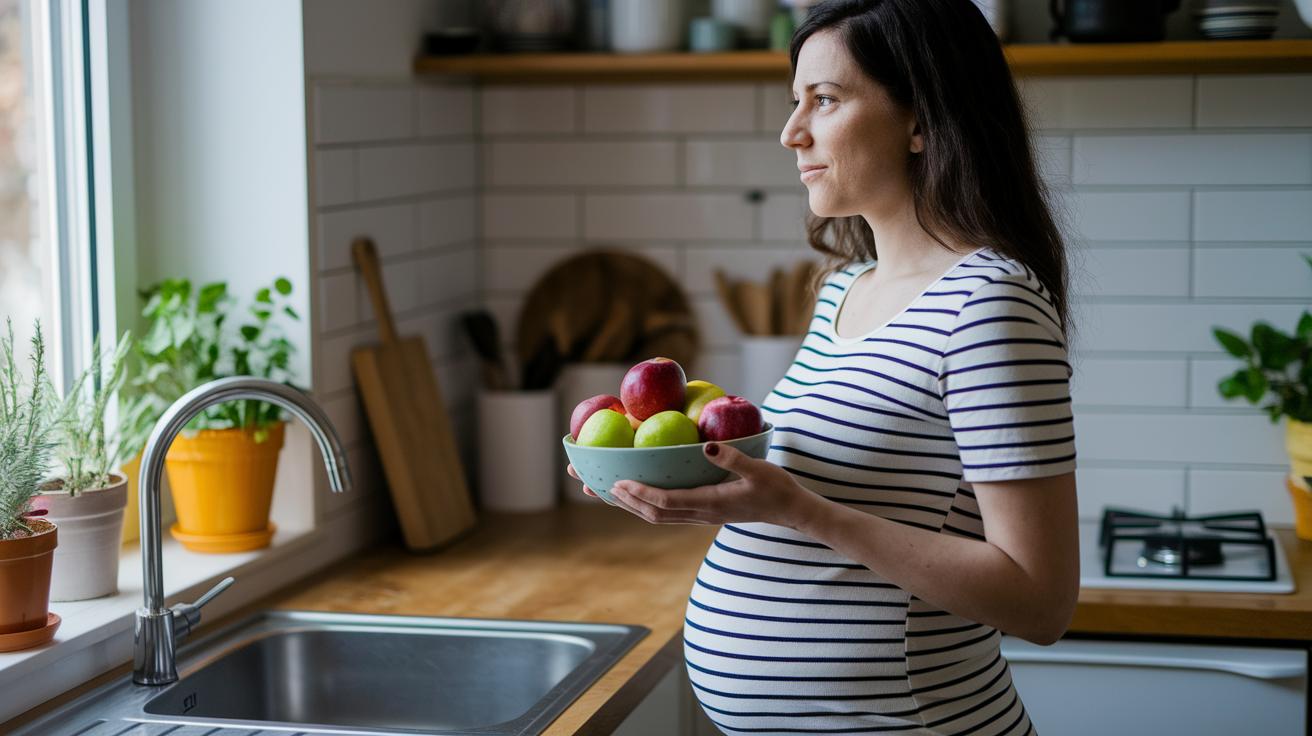
When you trim your meals too much while expecting, it can leave both your body and mind feeling off balance. Lowering calories very suddenly not only zaps your energy, making you feel constantly drained, but it can also throw off the hormones that help you keep your emotions steady. When you cut out whole groups of food, your body misses out on important nutrients that build strong bones and support your immune system. And really, this kind of diet can even make it tougher to handle stress and those little mood swings.
- Crash dieting can zap your energy, leading to ongoing tiredness and ups and downs in your mood.
- Cutting out dairy might mean you don’t get enough calcium, which is needed for strong bones.
- Missing essential nutrients can weaken your immune system, making you more likely to get sick.
- Severe calorie cuts might mess with your hormones, increasing the chance of feeling extra low after giving birth.
- Restrictive eating can add to any current mental health struggles.
- Extreme limits on your diet can also open the door to eating disorders.
Keeping a balanced diet is like giving your body a warm, reassuring hug, giving you the strength and stability you need during this special time.
Impacts of Extreme Dieting on Fetal Development
When you try extreme dieting while pregnant, you might be missing out on important nutrients your baby really needs. Even small changes in your diet can make a big difference, affecting your baby's growth and overall health.
Neural Tube Defect Risks
Cutting calories too much or avoiding carbs can lower the levels of folate in your body. Folate is key to forming your baby’s brain and spinal cord. Foods enriched with folic acid can lower the risk of defects by nearly 65%. Think of it like skipping a key step in a recipe, you might end up with an outcome that isn’t quite right.
Fetal Growth Restriction
Not getting enough calories or nutrients can also mean that the placenta isn’t as effective at supporting your baby. This can slow down growth and lead to a lower birth weight, which might affect organ development and future learning. Imagine a plant that doesn’t get enough water, it just can’t grow to its full potential.
Misconceptions and Dangers of Unsupervised Pregnancy Diet Programs
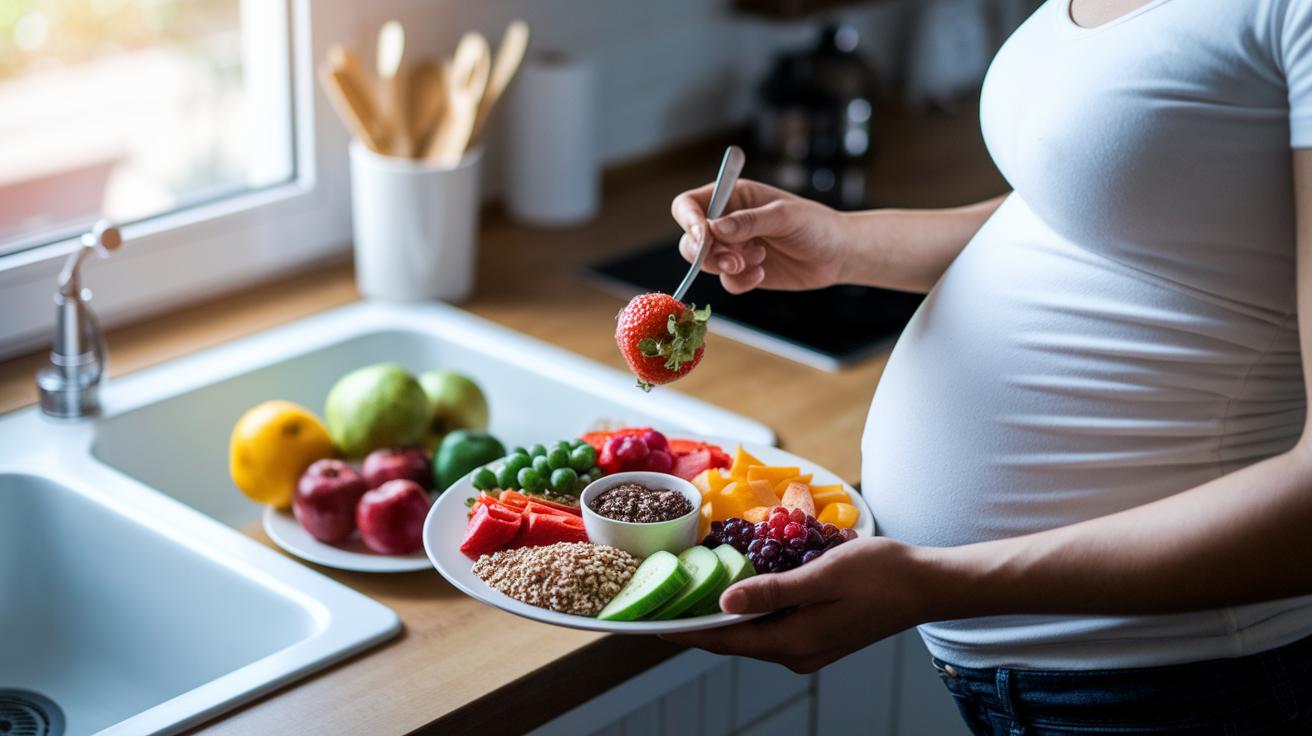
A lot of unsupervised diet plans promise speedy fixes even though there’s little proof they’re safe. Take “cleanse” and “detox” plans, for example, they often boast huge benefits but don’t have enough evidence to show they’re safe for you and your baby.
It’s also common to hear that eating for two means you can enjoy unlimited calories. But that idea can set you up for a cycle of overeating followed by strict restrictions, which isn’t healthy. Imagine believing that skipping certain foods will magically help you shed pounds fast. In truth, you might be missing out on the essential nutrients needed for a healthy pregnancy.
Rapid weight loss plans that cut out whole food groups can leave you with serious vitamin shortages and make you feel drained. Even more worryingly, these practices might worsen existing eating habits, possibly triggering or deepening disordered patterns. All in all, these unsupervised trends risk not only your physical well-being but can also take a toll on your emotional health.
Evidence-Based Nutrition Guidelines to Prevent Risks of Extreme Dieting in Pregnancy
According to trusted guidelines, pregnant moms should enjoy a balanced meal plan to steadily gain about 25–35 pounds if you’re in the normal weight range. The recommended meal plan includes about 45–65% carbohydrates, 20–35% fats, and 15–25% proteins. Think of it like building a meal with whole grains, lean proteins, and healthy fats as your main ingredients. And don’t forget your prenatal vitamins, they help cover any tiny nutrient gaps. For example, getting enough folic acid every day supports your baby’s early brain and spine growth.
| Nutrient | Top Dietary Sources | Maternal-Fetal Benefits |
|---|---|---|
| Folic Acid (600 mcg/day) | Leafy greens, fortified grains, prenatal vitamins | Helps with early development of the baby’s brain and spine |
| Iron (27 mg/day) | Lean meats, beans, fortified cereals | Boosts blood health and ensures oxygen gets to your baby |
| Calcium (1000 mg/day) | Dairy, fortified plant milks, leafy greens | Strengthens bones for both you and your baby |
| Omega-3 DHA (200–300 mg/day) | Fish, walnuts, chia seeds | Supports brain and heart development in your little one |
Following these friendly guidelines can help cut down on the risks linked to extreme dieting. By eating balanced meals, both you and your baby get the essential nutrients needed for healthy growth. A well-planned diet not only meets your calorie and nutrient needs but also helps keep your hormones steady and energy levels high throughout your pregnancy.
Final Words
In the action, this blog shed light on how restrictive diets can lower energy, affect mood, and risk fetal growth issues. We saw that lacking key nutrients may lead to problems like neural tube defects and other serious complications. The post stressed balanced nutrition and safe eating habits to help keep both moms and babies healthy. Remember, understanding the Risks of extreme dieting during pregnancy helps you make choices that support well-being and bring positive energy to every day.