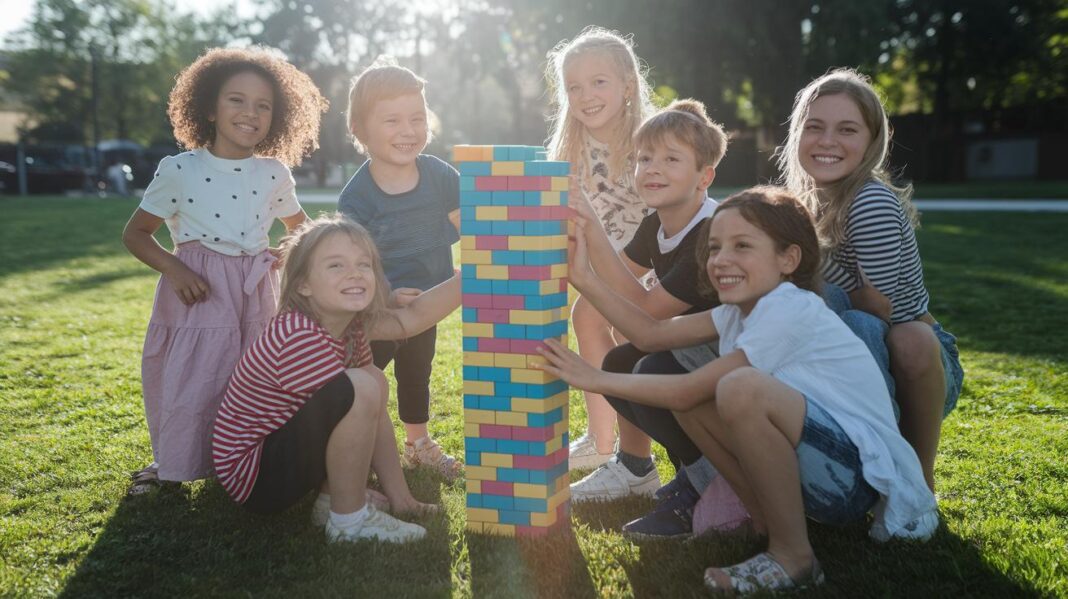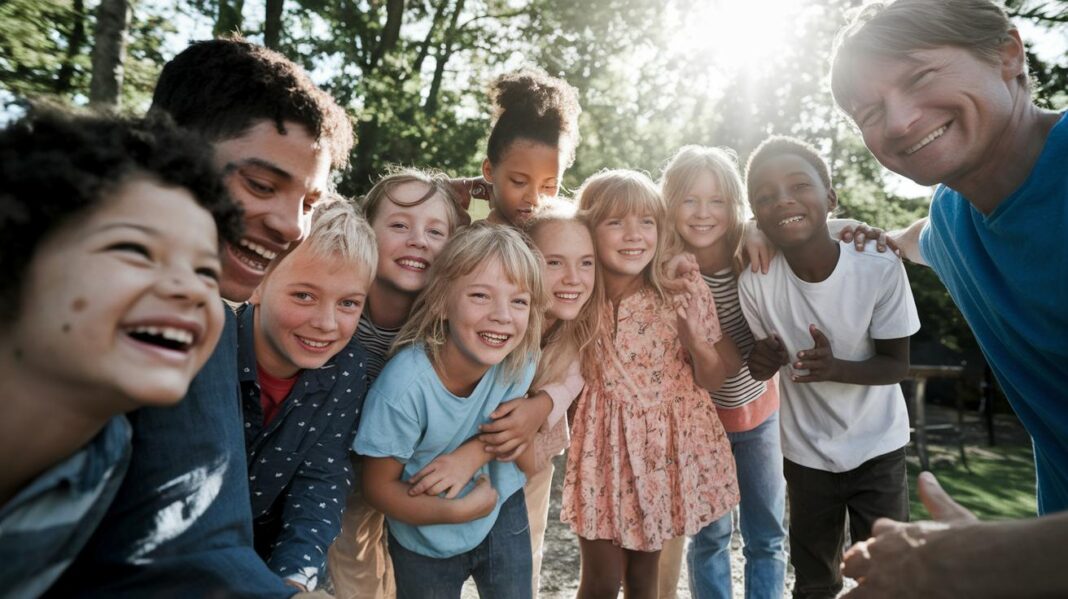
Ever notice how one smile can warm up an entire day? When kids share a laugh and act kindly, they connect like plants soaking up sunshine. Their early social skills set the stage for strong friendships and a bright future.
Today, we're talking about those sweet, clear moments that spark real bonds. Think of it as a gentle chat between friends about the little acts of kindness that help children understand and share their feelings. Have you ever seen how a kind gesture can change everything?
By celebrating these everyday interactions, we help create a safe, loving space for every child, a space where they feel seen, valued, and ready to grow together.
Core Principles for Fostering Social Development in Children

Social development in children is all about learning to interact, share, and build bonds with others. Spending time together, like sharing a smile or a kind word, helps kids feel safe to express their feelings and understand how others feel. It’s as natural as plants needing sunlight to grow strong. Research tells us that kids with good social and emotional skills usually do better at school and form healthier friendships as they grow up.
Early on, simple activities like playing a quick game or reading a fun story together spark these important skills. Imagine a little one lighting up when they hear a cheerful hello, it’s these tiny moments that build the groundwork for managing emotions and forming caring relationships.
Studies also show that when babies get regular one-on-one time with a caring adult, their ability to connect with others really blossoms. This kind of warm, focused attention boosts a child’s emotional smarts, making it easier for them to handle different feelings and interact in groups with ease.
Creating a friendly atmosphere full of gentle conversations, kind eye contact, and shared giggles is key. As children experience these everyday interactions, they learn that both speaking up and listening are powerful tools. This early emotional learning, supported by thoughtful and evidence-based activities, sets them up for success not just in school but in all parts of life.
One-on-One Caregiver Interaction in Children’s Social Development

When a caring adult spends special, one-on-one time with a child, it makes a big difference in how they learn to connect with others. Studies have shown that even babies in challenging settings show happier social and emotional growth when they get that dedicated attention. One pediatrician who is also a parent points out that this regular personal time builds trust and helps clear up those confusing online myths about child development. At well-child checkups, doctors check on both a child’s body and social skills, proving that these personal moments truly matter.
Simple one-on-one activities can really boost a toddler’s ability to interact and an infant’s way of communicating. Here are five easy ideas to try:
- Reading interactive picture books to invite a back-and-forth chat.
- Singing fun songs with a call-and-response pattern.
- Playing eye-contact games like “peek-a-boo” to build a sense of trust.
- Joining in on guided play sessions that show sharing and gentle touch.
- Telling stories with open-ended questions to spark creative replies.
These little activities help kids feel loved and understood. Spending regular, focused time with someone who cares teaches children how to express themselves and bond with others – a strong start for their social and emotional journey.
Applying Communication Strategies to Strengthen Social Development

Using Power Words and Gestures
Try pairing short verbal cues with simple hand signals to help little ones share their feelings clearly. For example, if your child is acting out, gently say “Stop!” while raising your hand. This kind of clear and caring pairing helps your child learn to express themselves, showing them that some actions need a firm response.
Teaching Neutral Consequence Framing
When guiding behavior, explain the outcome in a calm way without sounding upset. If crayons get all over the floor, you can kindly ask your child to help pick them up. This method gently teaches that every action has a result, like a mess leading to a clean-up, and it helps kids learn about responsibility without feeling judged.
Combining Verbal Instructions with Visual Demonstrations
Mix your words with clear gestures to show what good behavior looks like. When you say “let’s put our toys away,” take a moment to show exactly where each toy goes. This approach makes it easier for children to understand what you mean because they get to see the action as well as hear it.
Establishing Big Rules and Little Rules
Keep things simple by setting three or four big rules like “be safe” or “be kind,” and then add a few small guidelines that explain them further. For instance, with “be kind,” you might add, “use gentle hands when sharing toys.” This layered way of explaining gives kids a clear idea of what to expect during play and social time.
Practicing Active, Empathic Listening
Take a moment to get down to your child’s level, make eye contact, and repeat back what you hear. If your child says, “I’m sad,” you could reply, “It sounds like you’re feeling really down today.” This simple act of listening shows that you care and helps your little one feel understood.
Cooperative Play Activities for Social Development in Early Childhood

Cooperative play is a wonderful way for kids to learn how to get along with others. When children play together, they build caring bonds and learn to respect one another's space. For example, working together on a LEGO tower teaches them how to take turns and be patient. These playful activities help preschoolers connect with their peers and enjoy learning as a team.
Interactive play also boosts problem-solving and teamwork skills. Imagine a classroom project where children join forces to create a large mural. In this fun setting, they decide on roles, share ideas, and plan together while building a strong sense of community. Even games like a parachute activity help little ones practice moving in sync and paying attention to each other, all while having a lot of fun.
These group exercises are great for both home and school because they make every child feel included. Working together on projects shows kids the importance of listening, sharing, and thinking creatively to solve problems. Below is a simple table listing a few fun activities with their suggested age ranges and the social skills they help develop.
By playing these games, children naturally learn empathy through listening, sharing, and celebrating each other’s achievements. Every cooperative activity not only spices up playtime but also lays the groundwork for caring, respectful friendships that can last a lifetime.
| Activity Name | Age Range | Social Skills Targeted |
|---|---|---|
| LEGO Tower Collaboration | 3–5 years | turn-taking, patience, group planning |
| Group Storytelling | 4–6 years | listening, imaginative sharing, sequencing |
| Class Mural Creation | 5–7 years | teamwork, conflict resolution, creativity |
| Parachute Game | 2–4 years | coordination, joint attention, cooperation |
| Pretend Play Scenarios | 3–5 years | role empathy, perspective-taking, negotiation |
Nurturing Empathy and Emotional Intelligence for Children’s Social Development

Helping our little ones understand their feelings and care for others is so important for their growing hearts. When your child says, "I'm mad," get down on their level, look them in the eyes, and gently say back what you hear, like, "It sounds like you're really upset." This shows them that their feelings truly matter.
Try out these fun, interactive ideas as you chat with your child about emotions:
-
Role-play activities
For example, set up a scene with a toy that gets hurt and ask, "How do you think it feels?" This helps them explore different emotions in a playful way. -
Feelings art time
Invite your child to draw pictures to show how they feel, maybe a bright sun for happiness or a rainy cloud for sadness. -
Mood journal
Use a simple journal where your little one can stick a sticker each day to show their mood. This sparks easy conversations about feelings.
These ideas add a creative twist to talking and listening to your child. When kids see you care and understand, they learn to care for themselves and others every day.
Monitoring Social Development Through Pediatric Checkups and Professional Guidance

Well-child visits are a great time to check on your child's growth and how they get along with others. During these visits, pediatricians measure basic things like height and weight, but they also take a close look at how your little one handles feelings and interacts with friends. They might ask if your toddler is learning to work out small disagreements or share simple tips for playing nicely. It's a friendly space where early hints of social or emotional delays can be spotted, and simple ways to help manage tiny conflicts, especially for those little ones around 1 or 2 years old, can be discussed.
Every appointment gives you a moment to share your day-to-day observations about your child joining group activities. This way, pediatricians can give advice that fits your family's needs before small issues turn into bigger ones. They might even suggest some fun activities to boost your child's social skills and help with conflict resolution. And really, it's an open invitation to ask for more ideas and resources for those everyday moments, like helping your child work through a quick disagreement during play.
Regular well-child checkups become a trusted spot to chat about what works best for your family, making each visit a gentle step toward ensuring your child feels seen, heard, and confident in their social world.
Promoting Inclusive, Culturally Responsive Social Development in Children
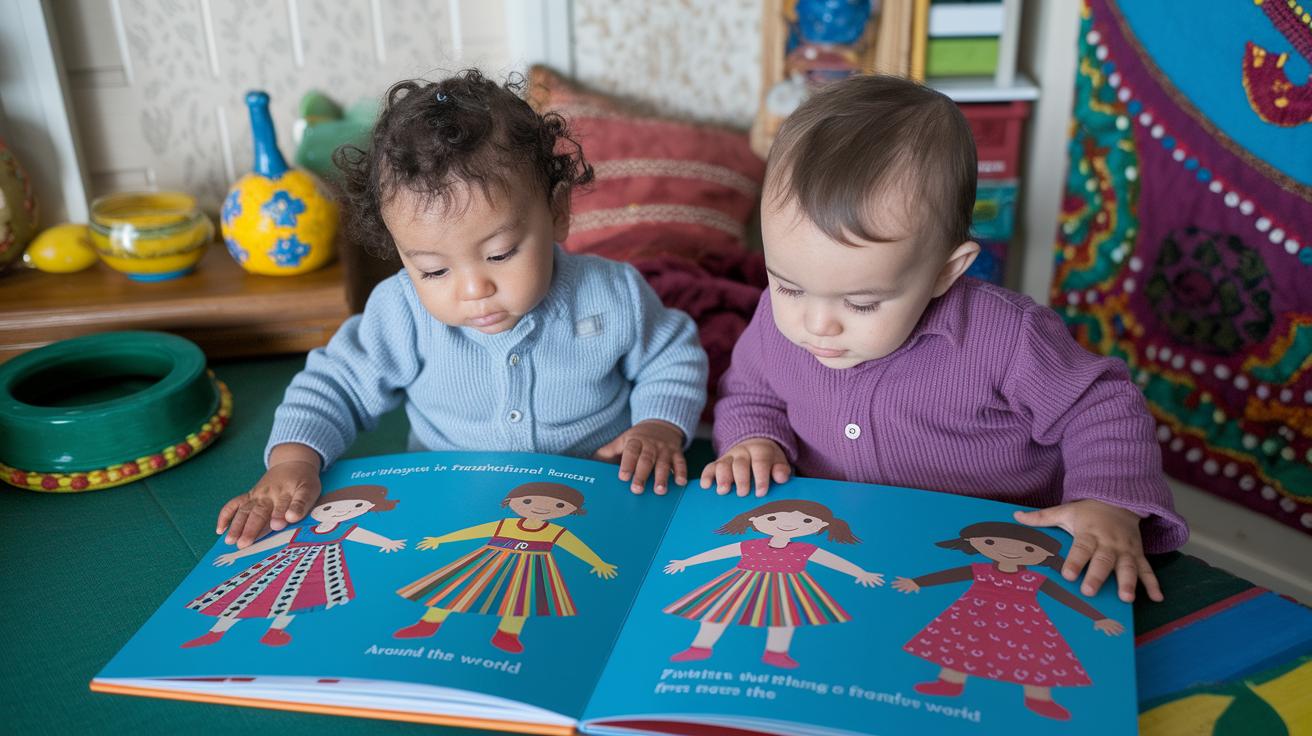
Every day feels a little brighter when our kids get to enjoy traditions from many parts of the world. When toddlers hear songs, see colorful storybooks, or learn from simple customs, they start understanding respect and kindness. Imagine holding up a picture book with children in unique, traditional clothes, or adding a fun international music session during playtime. How wonderful would it be to say, "Let's sing a song from Spain today!" and see their eyes sparkle with delight?
Parents and teachers can easily bring a piece of many cultures into everyday life. It might be as simple as setting up a little corner with special items from different backgrounds or preparing snacks that celebrate worldwide traditions. A neat idea is to ask your child to share something special about their family. This kind of talk can spark a great curiosity about others. For example, you could say, "Show us your favorite cultural outfit," and let the conversation flow with joy.
Simple activities, like a cultural show-and-tell, help little ones see the beauty in differences. As they show and share, you can ask friendly questions like, "How is this tradition like or unlike what you know?" This helps them think about and appreciate new ideas in a very genuine way. Even handing them small roles in planning a classroom event or a fun family day can make them feel like little ambassadors of diversity. These easy, thoughtful methods celebrate differences and build warm bonds of understanding right from the start.
Final Words
In the action, this article showed practical ways to support social growth in children. We explored how regular one-on-one interactions and simple communication techniques, like call-and-response songs and storytelling, can boost emotional bonds. We also shared cooperative play ideas and tips on nurturing empathy. Regular checkups and inclusive activities help keep children engaged, ensuring they feel heard and understood. Small, caring steps like these play a big role in fostering social development in children while building lasting confidence and connection.
FAQ
What is the importance of fostering social development in children?
The importance of fostering social development in children lies in building skills to manage feelings, form caring relationships, and boost learning. Early support helps children become more confident and interactive.
How can we support social and emotional development in early childhood?
Supporting social and emotional development involves one-on-one interactions, cooperative play, guided communication, and activities like reading and songs. These approaches help nurture empathy and effective expression.
What are some examples of social development in child development?
An example is guided role-play, where kids practice sharing and problem solving. Such activities promote empathy, cooperation, and clear communication.
What social development activities help children build skills?
Social development activities include interactive reading, singing with call-and-response, eye-contact games, cooperative building tasks, and group storytelling—all supporting sharing, turn-taking, and emotional awareness.
What does “social development in early childhood pdf” refer to?
This refers to downloadable documents that provide research findings and practical guidelines on nurturing early social and emotional skills in children, serving as helpful tools for parents and educators.
What are the 5 C’s of social emotional learning?
The 5 C’s commonly include Caring, Communication, Confidence, Cooperation, and Character. These principles help children understand feelings and build positive relationships with peers.
What are the 7 areas of social emotional development?
The 7 areas typically involve self-awareness, self-regulation, motivation, empathy, social skills, relationship skills, and responsible decision-making—each crucial for balanced emotional growth.