
Have you ever thought that the little bacteria in your belly might be a secret helper during pregnancy? Research shows that adding good bacteria, called probiotics, to your meals could help lower the risk of infections and calm down inflammation. As your body changes when you're expecting, these gentle helpers make it easier for you to absorb nutrients and keep your immune system strong. It’s pretty amazing how these tiny partners can work quietly behind the scenes to support your well-being.
Role of probiotics in maternal nutrition Sparks Wellness
Imagine for a moment that your tummy is home to over 100 trillion tiny helpers. It’s pretty amazing, right? When you add good bacteria, probiotics, to your diet during pregnancy, they work hard to keep this busy community balanced. Many studies suggest that these friendly microorganisms, whether they come from your food or supplements, can lower the risk of infections, calm inflammation, and even help with sugar levels.
During pregnancy, your body goes through many changes, including shifts in your gut’s natural community. In early pregnancy, certain bacteria like Firmicutes are more common, while later on, others such as Proteobacteria and Actinobacteria become more noticeable. Think of probiotics as gentle caretakers that help adjust these changes. They boost your gut’s barrier, making it easier for your body to absorb nutrients and support your immune system. A lot of moms have noticed that when their gut feels better, so does their overall energy and comfort.
There’s even more good news. Some research points to extra perks like better mental well-being during the perinatal period (the time around giving birth) and a lower chance of issues like mastitis. By strengthening the gut barrier, probiotics also help your body regulate its metabolism and soak up important vitamins and minerals. In a nutshell, adding probiotics to your pregnancy nutrition plan can build a balanced, resilient system that helps you feel more at ease as your body embraces change.
Mechanisms of Probiotic Action in Maternal Nutrition
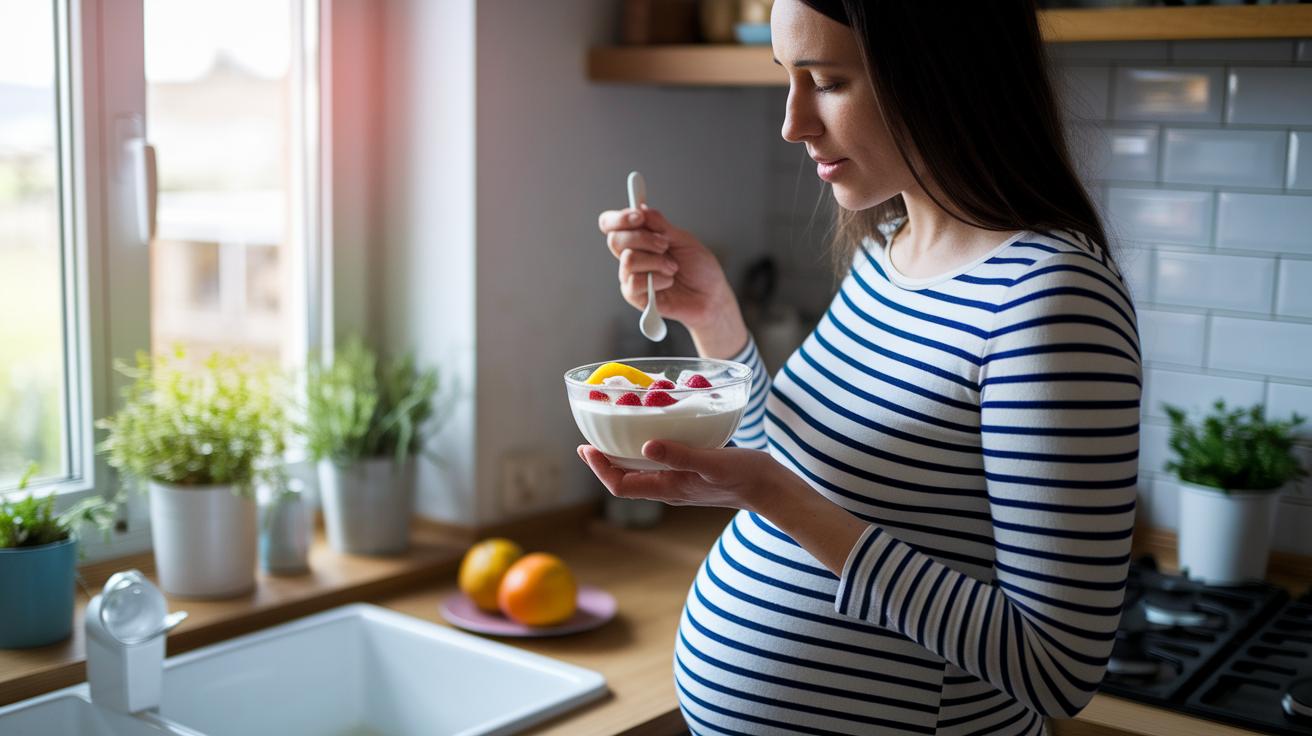
Pregnancy changes your gut bacteria in real ways. At first, Firmicutes are more common. But as the months pass, you might notice more Proteobacteria and Actinobacteria. Probiotics can help keep this balance by strengthening your gut lining and lowering overall inflammation. For example, live bacteria help keep the cells in your gut tightly joined. This means fewer harmful substances sneak through, helping your body absorb key micronutrients like iron, calcium, and B-vitamins more easily. Imagine your gut acting like a well-built filter that lets in all the good stuff you need during this special time.
Gut Barrier Integrity and Nutrient Absorption
Probiotic bacteria really act like gentle helpers in your belly. They work to keep your intestine sealed tight, which stops unwanted substances from leaking through. I read about a study with 32 pregnant women where taking two doses of Lactobacillus each day helped ease nausea, vomiting, and that tired feeling. This shows that when your gut barrier is solid, your body does a better job of soaking up nutrients like iron, calcium, and B-vitamins. That extra support can really boost your energy levels during pregnancy.
Immune Modulation and Hormonal Balance
Probiotics also lend a hand with your immune system. They interact with special receptors in your body to create a gentle balance and lower extra inflammation. This helps your body adjust smoothly as your hormones change. By keeping a steady level of cortisol and estrogen, probiotics not only support your gut but also help your immune response stay balanced. In fact, having a good amount of helpful Lactobacilli in your genital area has been linked with better reproductive outcomes. So while they are busy aiding digestion, they’re also playing a role in keeping your hormones and immune system on track during this crucial time.
Recommended Probiotic Strains and Dosage for Expectant Mothers
Lactobacillus rhamnosus HN001: This probiotic is best taken daily from about 14–16 weeks into pregnancy until six months after giving birth, 6 billion CFU each day. One study even found that moms using it noticed fewer feelings of anxiety and depression. Really encouraging, isn’t it?
L. rhamnosus GR-1 + L. reuteri RC-14: Research shows that in moms who initially tested positive for group B Streptococcus, nearly 43 out of 100 turned negative by delivery when they took this combination, compared to only about 18 out of 100 who took a placebo. That’s a noticeable difference!
Lactobacillus salivarius PS2: Taking 50 mg of the freeze-dried version from around the 30th week of pregnancy can make a big difference in reducing mastitis cases. In one study, only 14 moms reported symptoms compared to 30 in the group that didn’t take the probiotic.
Yogurt enriched with L. acidophilus and Bifidobacterium: Enjoying this tasty blend during the first and second trimesters might lower the risk of developing gestational diabetes. It’s a simple, delicious way to support your health.
It’s also good to know that proper metabolic support often comes from doses of 10^7 CFU or more, helping your body absorb nutrients better and keeping your digestion running smoothly during pregnancy.
And one last tip: Always check the CFU count at the end of a product’s shelf life. This little step helps make sure you’re really getting the live, active cultures you need.
Incorporating Probiotic Foods into Maternal Nutrition Plans
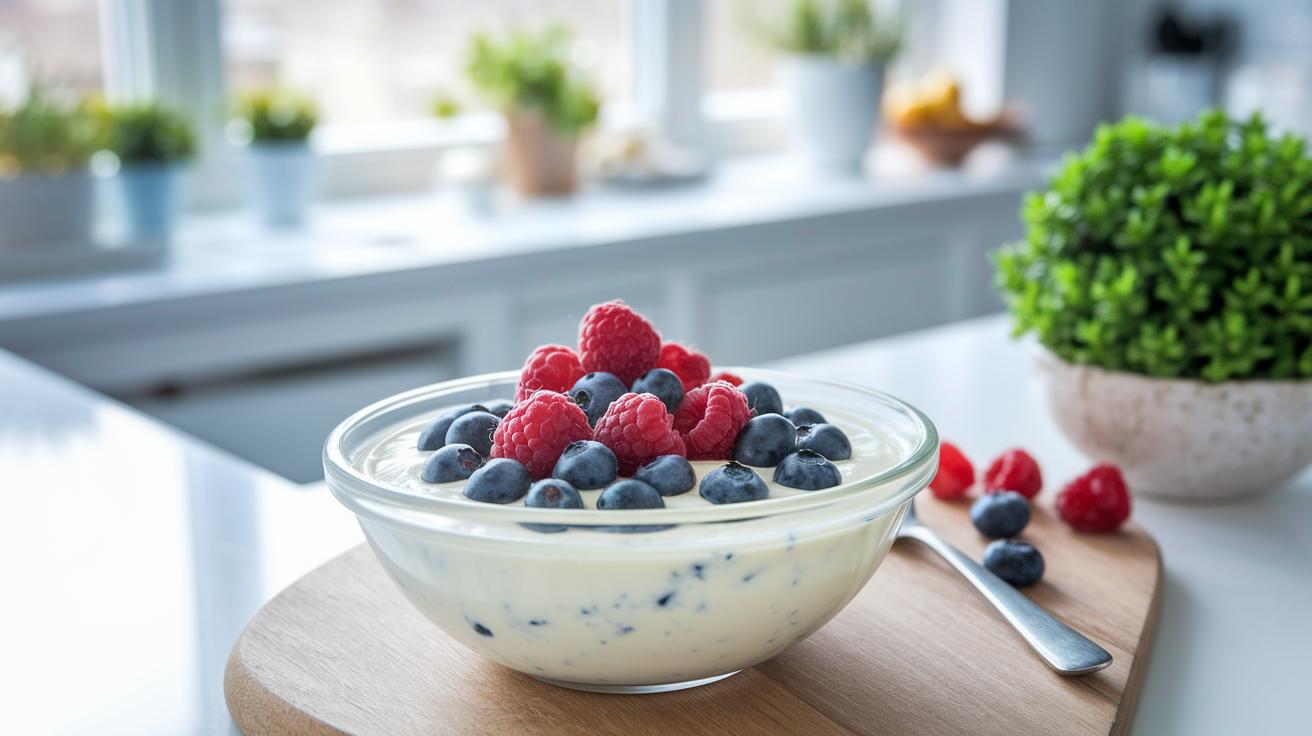
Adding probiotic-rich foods to your meals is an easy and budget-friendly way to take care of your gut while you’re expecting. Many moms-to-be already enjoy foods like homemade yogurt and cheese. These fresh foods, full of live cultures, work best when paired with high-fiber options, helping your tummy digest food better and absorb nutrients more easily. Imagine a bright bowl of creamy yogurt mixed with juicy berries, both a treat and a boost for your body!
Here are some simple ideas to bring more fermented foods into your diet along with ways to add fiber:
- Yogurt: Have a cup of plain yogurt with some raspberries or blueberries for a fiber kick.
- Kefir: Enjoy a glass of kefir each day, and stir in a tablespoon of flaxseed or chia seeds to up the fiber.
- Kimchi: Try a quarter cup of kimchi as a tangy side dish with a small serving of brown rice.
- Kombucha: Sip on an 8-ounce glass of kombucha and pair it with a fiber-rich salad or a snack of raw veggies.
- Tempeh: Mix a 3-ounce serving of tempeh into your stir-fry along with steamed broccoli and carrots.
- Fermented vegetables: Stir about half a cup into a whole grain quinoa salad to add a nice crunch along with extra fiber.
Safety and Contraindications of Probiotics in Pregnancy Nutrition
Taking probiotics while you're pregnant is usually safe and can help keep your gut happy and your immune system in balance. Some moms notice little changes like slightly loose stools or variations in vaginal discharge. Imagine a friend who added a new probiotic to her routine and saw a tiny change, it's usually nothing to worry about if you keep an eye on it.
Because supplements aren’t closely watched by the FDA, the amount of live cultures (CFU counts) and how strong each strain is might differ from one batch to the next. This means it’s a good idea to look carefully when picking a product. If you’re on antibiotics, it makes sense to chat with your healthcare provider first since they can advise on any interactions and help you get the most benefit.
We’re still figuring out the exact recommendations for the best strains and amounts. Working with your doctor will help you find the right product to support your gut health during this special time.
Always talk with your healthcare provider before adding any new supplement, including probiotics.
Probiotic Impact on Fetal Development and Infant Health Outcomes
Taking probiotics while you're expecting not only helps you feel better but also sets up your baby for a healthy start. Studies show that when moms add probiotics, either through food or supplements, their little ones end up with a richer mix of good bacteria in their bellies. This early boost can help with how nutrients get passed along and may even support a healthier weight gain during pregnancy. It’s pretty amazing to learn that babies with a more diverse gut microbiome often end up with better immunity and steady growth.
Effects on Fetal Microbiota and Growth
During pregnancy, tiny microbes can move around and affect your baby right from the start. Research suggests that probiotics might help make nutrient transfer from you to your baby more efficient. For example, a stronger gut barrier can improve the absorption of iron and B vitamins, which are essential for your baby’s development. Imagine that every nutritious bite you take not only fuels you but also gives your baby a little boost for healthier growth.
Influences on Infant Immune Health and Eczema Risk
There’s also promising evidence that probiotics during pregnancy, and even while breastfeeding, can help lower the risk of eczema in babies. Some studies have shown a drop in eczema cases, which is really encouraging. Probiotics seem to guide your baby’s immune system to be more balanced and ready to fight off germs. In some cases, specific probiotic strains can even reduce the chance of infections during childbirth. All in all, using probiotics can offer both immediate and lasting benefits for your baby’s health.
Emerging Trends and Research in Maternal Probiotics
The world of probiotics is buzzing with promise. Experts say the market might grow by about 7.5% from 2021 to 2030, thanks in large part to women during their childbearing years. Researchers are busy looking into how probiotic supplements, even those mixed with prenatal vitamins (care during pregnancy), can boost a mother's nutrition and help with recovery after birth. Some studies are even checking if these probiotics can ease mental health ups and downs and ease symptoms like mastitis, all while working well with natural compounds.
Many care teams, especially dietitians, are keeping close tabs on new, research-backed probiotic advice. They are also exploring how mixing prebiotics and probiotics might help improve gut balance and how nutrients are absorbed during pregnancy. Scientists are working on new probiotic strains, better colony-forming unit counts (a way to measure live bacteria), and smarter ways to deliver these supplements to expectant moms. As this research grows, care teams will help turn these scientific discoveries into everyday nutritional tips that can make life better for both moms and their little ones.
Final Words
In the action, the article walks you through how probiotic-rich foods and supplements help support digestive health, nutrient absorption, and a balanced immune response during pregnancy. It explains how these microorganisms work to maintain gut barrier integrity and assist hormonal balance amid the many changes of motherhood.
This piece offers expert insights into optimal probiotic strains and safe supplementation practices while highlighting the Role of probiotics in maternal nutrition as a key to supporting overall wellness during this special time. Enjoy the benefits with confidence!
FAQ
What are the best and natural probiotics for pregnancy?
The best and natural probiotics for pregnancy include strains like Lactobacillus rhamnosus and Bifidobacterium found in enriched yogurt and kefir. They help support gut and vaginal balance during gestation.
When should you start taking probiotics during pregnancy?
Starting probiotics in the first trimester is often suggested. Many mothers begin early to support digestive health and adapt to hormonal changes throughout their pregnancy.
What are the benefits of taking probiotics during pregnancy?
Taking probiotics during pregnancy supports a healthy gut, helps reduce inflammation, and aids in nutrient absorption. They also contribute to improved immune function for both mom and baby.
Does a mom taking probiotics help the baby?
When a mom takes probiotics, it can help boost the baby’s future gut health by promoting a balanced microbial environment even during early life stages. This can lead to a stronger immune foundation.
What is the role of probiotics in nutrition for pregnant women?
Probiotics contribute to nutrition by strengthening gut barrier integrity, improving nutrient absorption, and supporting metabolic and immune adjustments needed during pregnancy.
What is the role of probiotics in gynecology during pregnancy?
Probiotics in gynecology help maintain vaginal health by supporting beneficial bacteria, which is key for preventing infections and supporting optimal reproductive outcomes during pregnancy.
Are there any warnings or precautions about taking probiotics during pregnancy?
Probiotics are generally safe during pregnancy with mild side effects like loose stools. It’s best to consult a healthcare professional to make sure the specific strains and doses are right for you.