
Have you ever wondered if eating seafood while you're expecting can be both safe and enjoyable? Many moms ask if choosing the right fish can help support their baby’s growth without any extra risks. Imagine picking fish like salmon or shrimp, which are rich in omega-3 (good fats that help develop your baby’s brain and eyes) and low in mercury. When these favorites are cooked well, they can help protect your health and give your little one a strong start. Today, we're sharing some fun and wholesome picks that make mealtime both nourishing and a joyful, confident moment for you and your baby.
Safe seafood choices in maternal nutrition: Joyful picks
When you're expecting, it's good to know which seafood is best for you and your little one. Federal guidelines recommend picking fish that are low in mercury (like those approved by the FDA and EPA). This means you can enjoy about 2–3 servings of the best choices each week, while other options should only be eaten once a week. Following this advice helps you get the omega-3 fatty acids your baby needs without any harmful exposure.
Cooking your seafood is always a safer bet. Raw fish can carry germs, so sticking with well-cooked options like salmon, shrimp, or canned light tuna is a smart choice. Not only does this protect you from foodborne illness, but it also supports your baby's brain and eye development and keeps you feeling healthy too. For more details, check out the maternal diet and wellness guidelines on our website.
By keeping these tips in mind, you can create meals that are both tasty and safe. It’s a joy knowing that you’re feeding your body and your baby with the right balance of nutrients every day. Have you ever thought about how a small change in your meal plan can make a big difference? Enjoy these joyful picks and feel confident in every bite.
Nutritional Benefits of Seafood in Maternal Nutrition
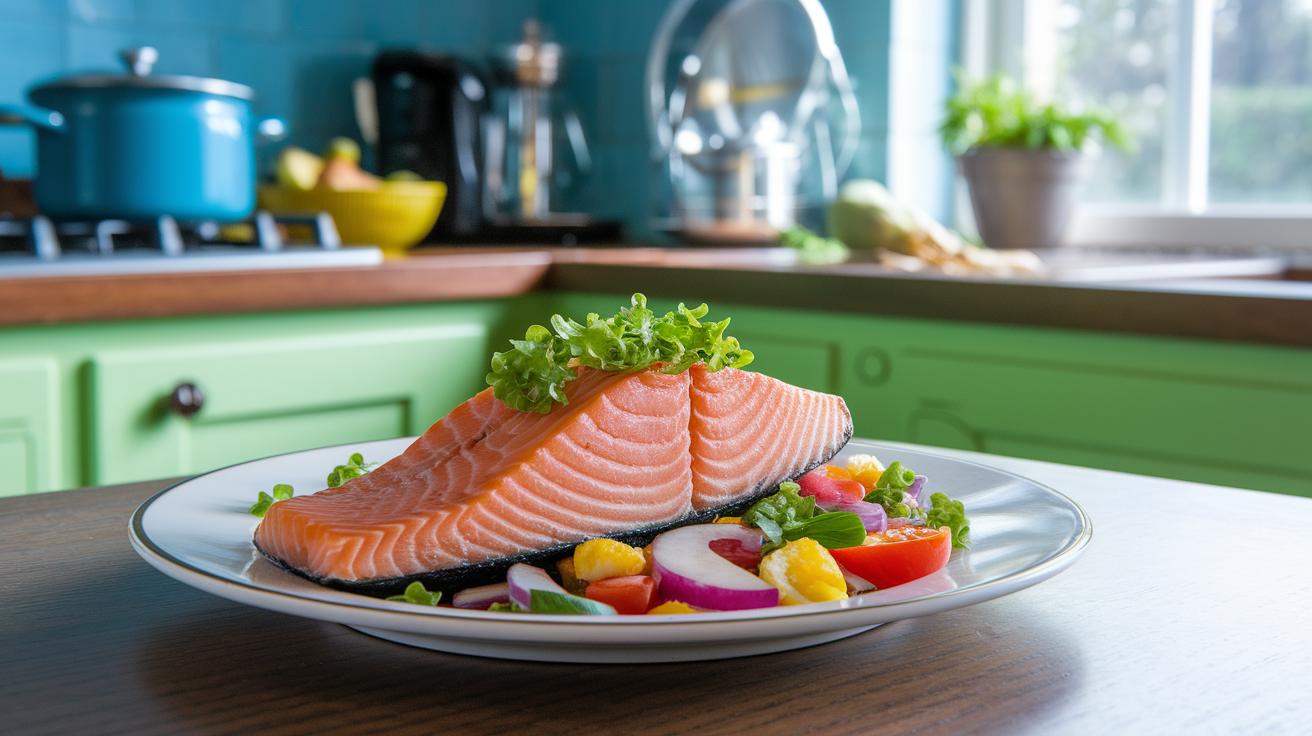
Seafood gives you a wonderful boost of nutrients that support both you and your little one. It brings omega-3 DHA, which is key for your baby’s brain and eye development. During the final trimester and through your child’s early years, around 65 mg of DHA each day can make a big difference. Plus, seafood is packed with high-quality protein to help you meet your extra daily need of about 25 grams, like adding a healthy twist to a favorite family recipe!
Fish also contains vitamin D, which helps your body absorb calcium so that both your baby’s bones and your own stay strong. Along with that, the iron in seafood helps carry oxygen throughout your body and supports your immune system. It’s almost like every bite gives you and your baby a little extra care, from a warm, gentle boost to help you both feel your best.
Since not all prenatal vitamins include enough DHA, including seafood in your meals might be just the tasty, natural solution you’ve been looking for. Imagine enjoying a dish like baked salmon with a colorful salad, adding those essential omega-3 benefits to your day. For more detailed advice, check out prenatal care vitamins and learn how to enhance your meals with these vital nutrients.
Recognizing High-Mercury Fish to Avoid in Maternal Nutrition
When you're expecting, it's really important to know which seafood might not be the best for you and your baby. Some fish, like shark, swordfish, king mackerel, tilefish, marlin, orange roughy, and bigeye tuna, can have high mercury levels that may be harmful. It’s best to skip these types of fish, just like you would carefully choose fresh ingredients for a family meal. After all, you want only the safest, healthiest options to help both you and your little one thrive.
Knowing about these risks lets you focus on fish that are lower in mercury while still giving you all the yummy and nutritious benefits of seafood. This gentle approach helps support your baby's brain and eye development with the right nutrients. By avoiding high-mercury species, you create a meal plan that makes you and your baby feel safe and cared for in every bite.
Recommended Low-Mercury Seafood Options and Servings for Maternal Nutrition
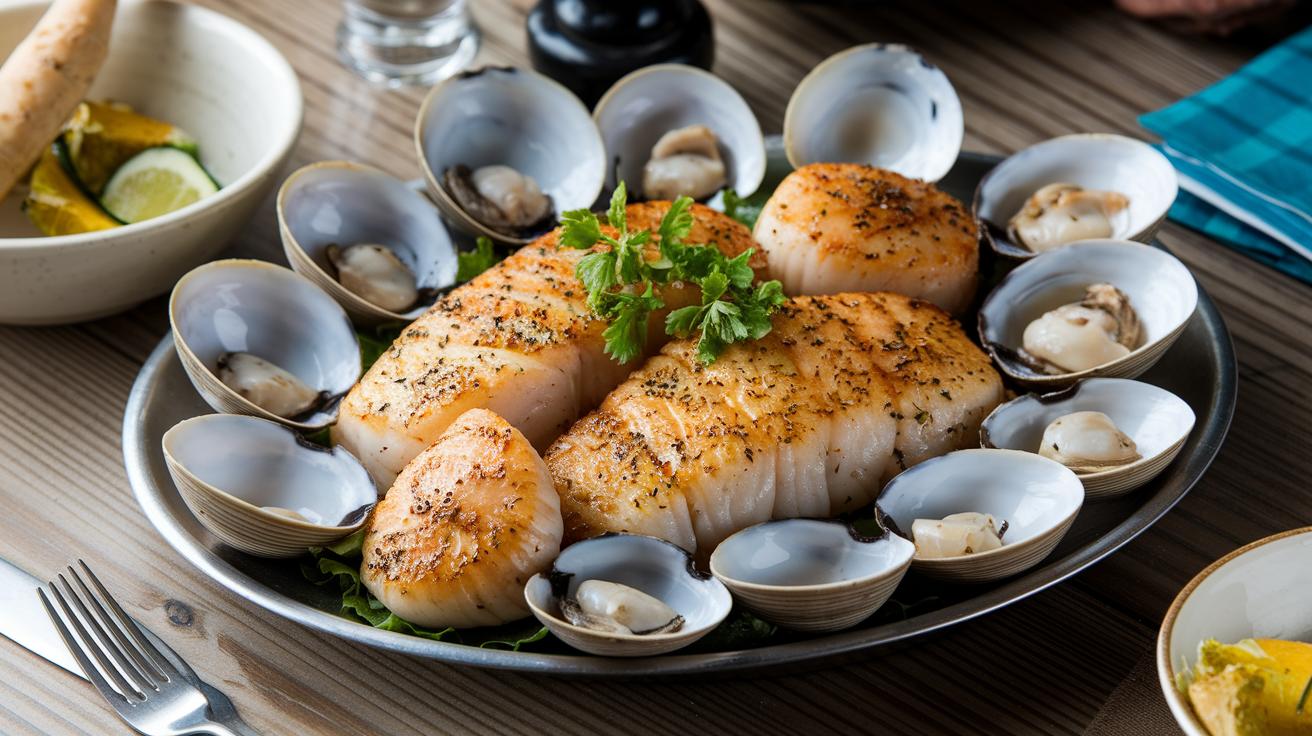
When it comes to seafood, you can feel good about choosing options like catfish, clams, cod, pollock, scallops, and trout. These fishes not only bring in omega-3 fats, protein, and key vitamins, but they also add a fresh taste to your meals. Try having 2–3 servings a week to mix things up a bit, and you might be surprised at how swapping one meal with a serving of these fish can boost both flavor and health!
If you spot seafood with a bit more mercury, just keep those servings on the low side. Having a simple guide like this makes it easier to plan meals that support a balanced diet during pregnancy without getting bogged down in details.
| Seafood Type | Mercury Level Category | Recommended Servings/Week |
|---|---|---|
| Catfish | Best Choice | 2–3 servings |
| Clams | Best Choice | 2–3 servings |
| Cod | Best Choice | 2–3 servings |
| Pollock | Best Choice | 2–3 servings |
| Scallops | Best Choice | 2–3 servings |
| Trout | Best Choice | 2–3 servings |
Proper Preparation and Cooking in Maternal Nutrition for Seafood
When it comes to seafood, cooking it all the way through is super important so you feel safe and cared for. You want each dish to hit 145°F (that’s the magic temperature) to make sure any nasties are well taken care of. It's a bit like perfecting a cherished family recipe, you know it’s done right and gives you that satisfying, secure feeling.
Shellfish such as shrimp, lobster, and crab need the same loving attention. Fully cooking them not only brings out their delightful flavors but also helps keep you and your little one safe. It’s a comforting reminder that each meal is a nurturing act of care.
Sushi can be a little tricky during pregnancy. It might be best to go with cooked rolls or even try a tasty veggie option. That way, you can still enjoy the wonderful essence of seafood while keeping everything safe and sound for your body.
Integrating Seafood into Maternal Meal Planning
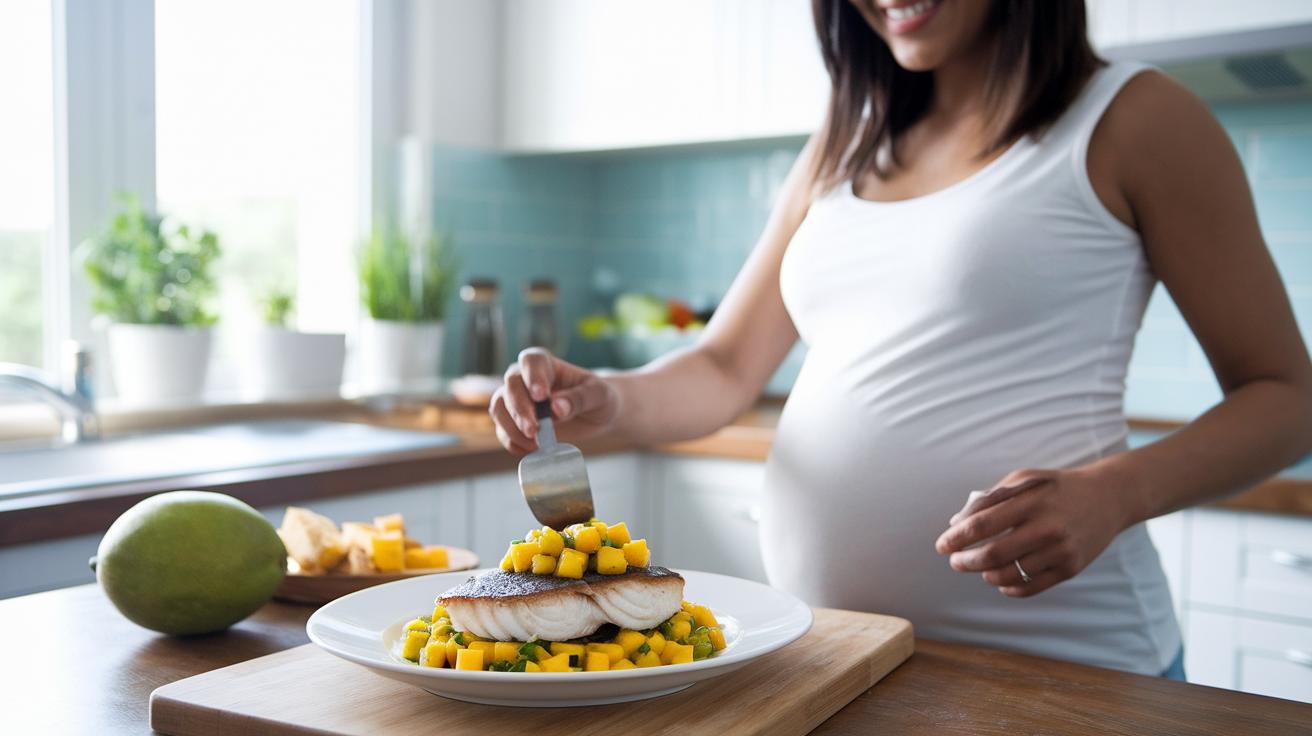
Adding seafood to your meal plan while you're pregnant can be fun and really good for you. Imagine starting your morning with a small, tasty meal like canned tuna mixed with a sliced hard-boiled egg. This simple combo gives you extra protein and omega-3 (good fats that help your baby’s brain grow). Even a tiny change in your breakfast can feel like a little celebration of healthy living.
Lunch is another great time to enjoy seafood. Picture a plate of tilapia with a splash of mango salsa, mixing bright, fresh flavors with the nutrients your baby needs. Or you could mix some flaked fish into a crisp salad or a hearty bowl of pasta. These ideas help you get 2-3 servings of seafood each week while adding a fun, colorful twist to your day.
Dinner or even a light snack can have seafood in creative ways too. Think about stirring a few shrimp into a warm vegetable soup or enjoying a burrito bowl with your favorite fish. Each bite from these dishes helps you keep a balanced meal plan that nurtures both you and your baby. Have you ever noticed how a small change in your meals can make your whole day feel a bit brighter?
Final Words
In the action, this article guides you through choosing low-mercury fish and proper cooking methods that support a healthy prenatal diet. We highlighted safe seafood choices in maternal nutrition, detailed federally recommended serving sizes, and shared strategies for integrating fish into everyday meals. The discussion centered on balancing nutritional needs with smart seasoning techniques and careful meal planning. Each tip aims to make the path to a balanced diet clear and approachable. Stay hopeful, stay healthy, and enjoy every nourishing step along your motherhood path.
FAQ
Q: What safe fish options are available during pregnancy?
A: The safe fish options include salmon, cod, tilapia, catfish, pollock, scallops, and canned light tuna. These choices are low in mercury and help support prenatal nutrition and fetal health.
Q: Which fish should be avoided during pregnancy due to high mercury?
A: Fish such as shark, swordfish, king mackerel, tilefish, marlin, orange roughy, and bigeye tuna should be avoided. They tend to have high mercury levels that can harm fetal development.
Q: How does mercury in fish impact maternal and fetal health?
A: Mercury in fish can affect fetal brain development and may lead to other health risks. Choosing low-mercury seafood is crucial for maintaining both maternal and fetal well-being.
Q: What should be considered when eating seafood during the first trimester?
A: During the first trimester, focus on low-mercury, fully cooked seafood. This approach helps meet nutritional needs while reducing risks from mercury and foodborne illnesses.
Q: What seafood is beneficial for breastfeeding mothers?
A: Breastfeeding mothers can enjoy low-mercury fish like salmon, tilapia, and cod. These choices offer vital omega-3 fatty acids and protein, supporting both maternal health and infant development.