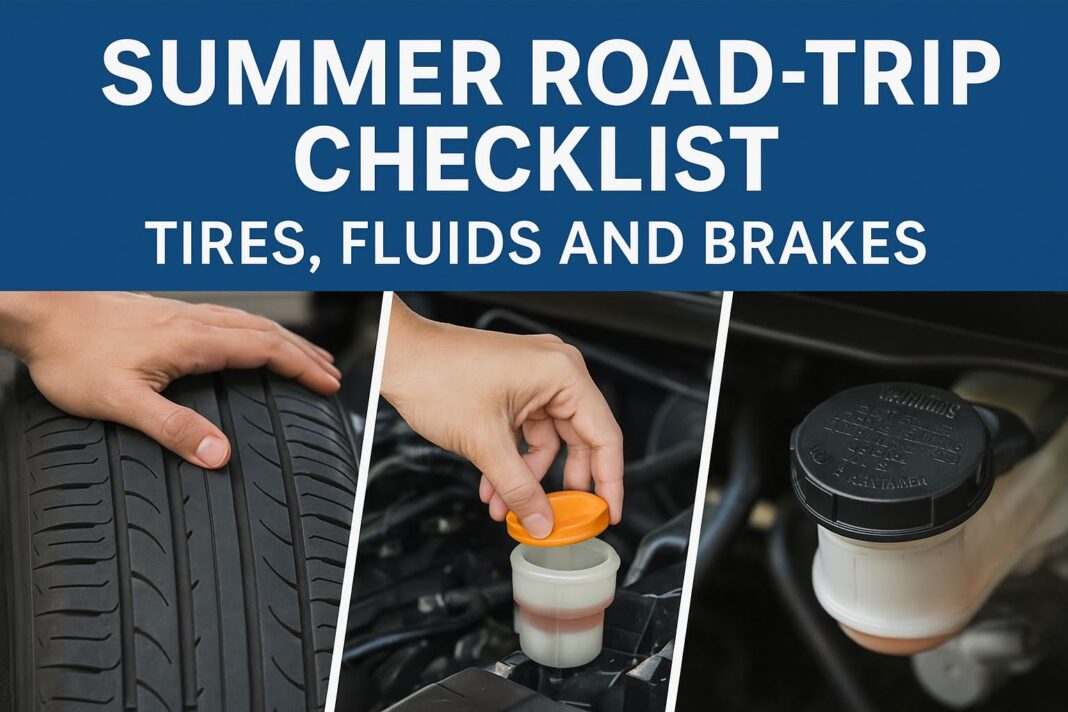
Before heading out on a summer road trip, don’t just map your route. Inspect your vehicle. Long drives, high temperatures, and heavy loads can quickly expose hidden issues. Focus on three core areas: tires, fluids, and brakes. This simple checklist helps you avoid breakdowns, stay safe, and enjoy the ride.
Why Pre-Trip Checks Matter
Summer driving puts vehicles under stress. Asphalt heats up, engines run longer, and hills or rural roads test your braking system. A 15-minute inspection can prevent hours stuck on the shoulder.
Routine checks improve:
Fuel economy
Brake responsiveness
Road safety
Vehicle life span
If you just bought a vehicle from used car dealers in Newfoundland, or plan to drive something that’s been idle for months, a pre-trip inspection isn’t optional.
Tires: Grip, Pressure, Condition
Inspect Tread Depth
Your tire tread is key to traction, especially in sudden rain. Use a penny to measure. Insert Lincoln’s head into the tread. If you see all of it, the tire is too worn and needs replacing.
Check Air Pressure
Tires lose pressure slowly. Hot roads and long drives increase the chance of a blowout. Use a digital gauge to measure cold tire pressure and compare it to your vehicle’s manual. Don’t forget the spare.
Look for Damage
Bulges, cracks, or nails should be addressed before your trip. Tires often give warning signs before failure. Rotate them if it’s been more than 8,000 kilometers.
Fluids: Keep the Engine Cool and Moving
Engine Oil
Oil lubricates and protects your engine under strain. Pull the dipstick, wipe it, reinsert, then check the level and color. Dark or low oil means you should change it. Consider synthetic if driving through mountains or towing.
Coolant
Your radiator fluid prevents overheating. Look at the overflow tank, not the radiator cap. Make sure it’s between minimum and maximum lines. Top it off if needed with a 50/50 water-coolant mix.
Transmission and Brake Fluid
Transmission fluid should be bright red and clear. Brake fluid should be light yellow. If either is dirty, flush the system. These fluids directly affect gear shifting and braking.
Windshield Washer Fluid
Summer bugs and highway grime reduce visibility fast. Fill the reservoir and carry extra fluid if driving long distances. Pair with new wiper blades if yours streak.
Brakes: Trust Your Stopping Power
Check Brake Pads
Listen for squeaking or grinding. Feel for vibrations when stopping. If your brake pedal is soft or the vehicle pulls to one side, get your brakes inspected. Thin pads can overheat quickly on steep descents.
Test the Brake Fluid
Low or dirty fluid affects braking distance. Have it flushed if it’s dark, or if it hasn’t been changed in over two years.
If your vehicle came from a lot like Carlantic, check the service records or ask your mechanic for a brake inspection before hitting the highway.
Additional Quick Checks
Lights and Signals
Have someone help you test all brake lights, reverse lights, and turn signals. Replace any burnt bulbs before you leave.
Battery
Summer heat strains batteries. Clean terminals, check for corrosion, and ensure your battery is secured in place. If it’s more than three years old, consider testing or replacing it.
Air Conditioning
Check the AC early, not when you’re already five hours inland. Weak airflow or odd smells may point to cabin filter or refrigerant issues.
Road-Ready Supply Kit
In addition to maintenance, keep an emergency kit in your trunk:
Jumper cables
Tire pressure gauge
Flashlight with batteries
Basic tools
Reflective triangles or flares
Water and snacks
Phone charger
Printed map in case of GPS loss
This checklist won’t replace a full tune-up, but it covers the essentials. Mechanics recommend these checks before any trip over 300 kilometers.
FAQs
How often should I check my tire pressure during a road trip?
Check it before departure, then every 1,000 kilometers. Use a quality gauge when tires are cold.
Can I use water instead of coolant in an emergency?
Yes, temporarily. But use a proper coolant mix as soon as possible to prevent corrosion or overheating.
How do I know if my brake fluid is bad?
Dark color, spongy brake pedal feel, or delayed stopping can signal contaminated or old fluid.
Is synthetic oil better for summer road trips?
Yes, especially in hot climates or hilly terrain. It resists breakdown at higher temperatures.
Should I change my oil before or after a long trip?
If you’re near the end of your current oil interval, change it before the trip. Clean oil protects better under strain.
Final Word
A reliable car turns a good road trip into a great one. Don’t let a preventable breakdown cut your trip short. Focus on tires, fluids, and brakes, then double-check the rest. If you’re unsure, schedule a quick inspection with your local mechanic or trusted used car dealers in Newfoundland before heading out.
Peace of mind on the road starts with preparation. Spend an hour today to save time, money, and frustration tomorrow.