
Have you ever noticed your baby lifting their head during tummy time? This little moment is a sign that their neck muscles are getting stronger.
I find it amazing how these early wins in head control can lead to big steps like sitting and crawling down the road. Each gentle wiggle is a small boost of confidence for your little one.
Isn't it lovely how every tiny milestone helps build trust in their abilities?
Typical Age Range for When Infants Can Hold Their Head Up
During the first few months, little ones slowly learn to keep their head up as their neck muscles get stronger. The American Academy of Pediatrics mentions that by around two months, when babies have tummy time, they start working on head control. At first, newborns (0–2 months) need lots of help because they’re just learning to move their heads. Soon, by 3–4 months, many babies can lift their heads at angles between 45° and 90° during tummy time, which is an important step toward more stable head support. By 5–6 months, most infants can lift both their head and chest while on their tummy, showing more control when held upright.
| Age Range | Head Support Milestone |
|---|---|
| 0–2 months | Needs full support; only makes gentle side-to-side head movements when on their tummy |
| 2 months | Begins to lift the head on their own a little during tummy time |
| 3–4 months | Can lift the head 45–90°; neck muscles are getting stronger |
| 5–6 months | Lifts both head and chest while on their tummy; shows more control when held upright |
These early steps are like a guide for head control, preparing babies for big milestones like sitting up and crawling. Have you ever noticed how even a small win can lead to the next big step in a baby’s journey?
Stages of Head Support Development in Infants
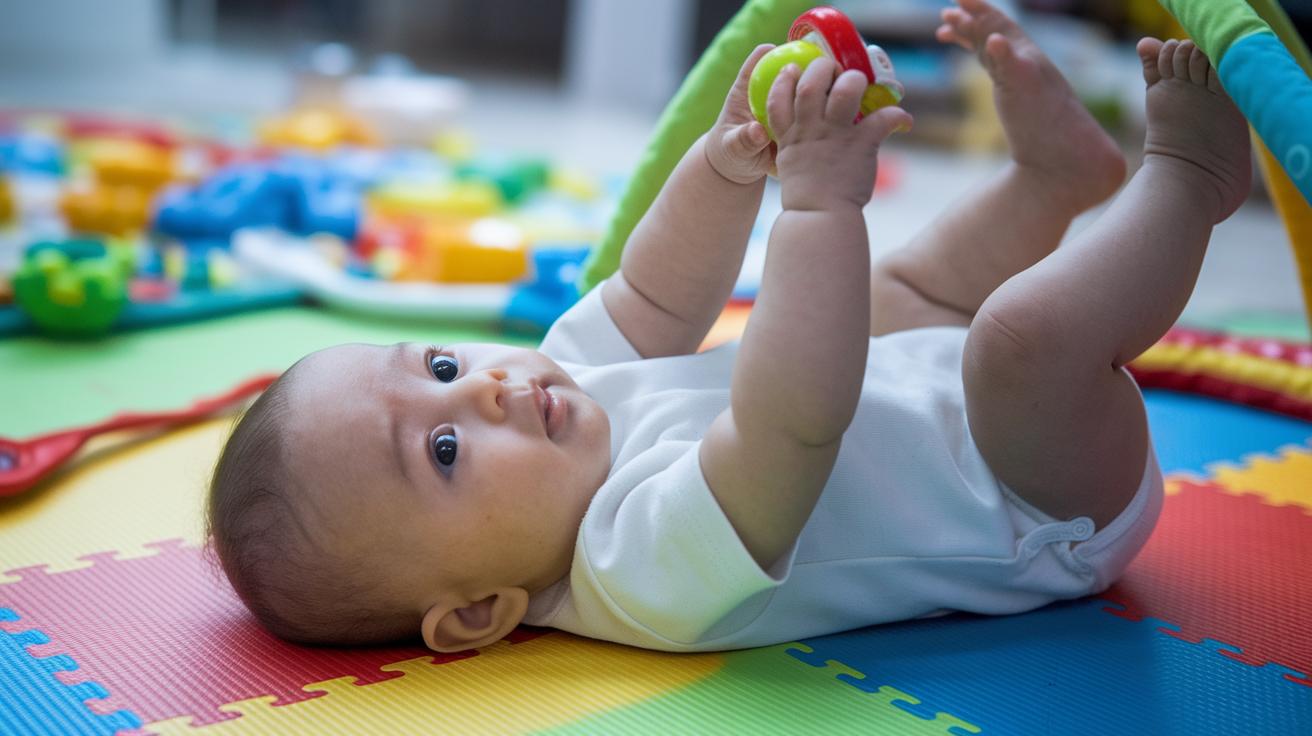
Babies start by moving their heads naturally, and over time they learn to control them in ways that help them do so many things, like sitting steadily, beginning to feed themselves, and even showing their feelings. Each step helps build strong neck muscles, paving the way for bigger skills and lots of playful moments.
| Age Range | Milestone |
|---|---|
| 0–2 months | Natural head turns while lying on the tummy |
| 3–4 months | Begins lifting head (45°–90° during tummy time) |
| 4–6 months | Holds head steady when seated |
| 6+ months | Uses head control to help with sitting, crawling, and early self-feeding |
-
At 0 to 2 months, babies naturally turn their heads when they’re on their tummy. They might gently shift from one side to the other, a sweet early sign that their neck is getting ready for more control.
-
By 3 to 4 months, you might notice babies starting to lift their heads up to a 45° or even a 90° angle during tummy time. Picture a little one slowly raising their head to admire a bright, colorful toy, this small lift is a big step toward moving on purpose.
-
From 4 to 6 months, babies begin to hold their head steady while sitting. Imagine a baby who can keep her head aligned as she reaches out for her favorite rattle; it shows her neck and tummy muscles are learning to work together.
-
At 6 months and older, firm head control helps babies take on more challenging tasks like sitting up on their own, crawling, or even starting to feed themselves and make little gestures. For example, a baby might lift her head in sync with reaching for a toy, making way for more active play and gentle interactions.
Key Factors Affecting Baby Neck Strength Development
Baby neck strength starts from the very beginning. Genetics can set the stage for how strong a baby's muscles might be, so some little ones naturally have a bit more neck strength than others. Good health and proper nutrition, like breast milk or formula, help build those muscles over time, making early head lifts during tummy time a little easier.
Regular tummy time is super important too. When babies get a chance to play on their tummies, they practice lifting their heads safely, which boosts muscle strength. And keeping supportive devices like car seats or swings to a minimum lets them move freely. This gentle, playful floor time supports natural growth and helps babies gain better head control and overall motor skills.
Parental Strategies and Exercises to Enhance Head Control
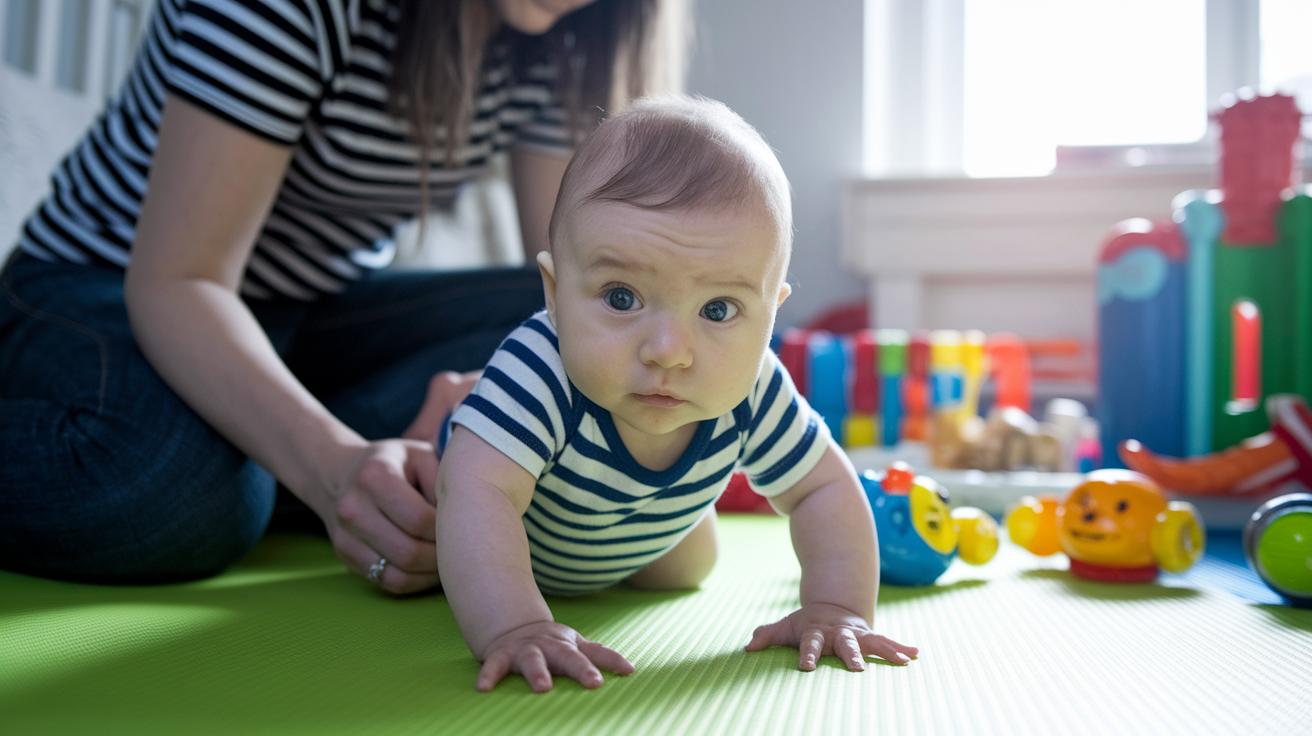
Adding fun, simple exercises to your daily routine can help your baby build neck strength and better head control. These activities are a chance to share special moments with your little one while they learn new skills. Think of them as gentle play that slowly boosts their strength and helps their overall motor skills grow.
Try some supervised tummy time for 10–20 minutes a couple of times a day. It gives your baby a chance to lift their head while watching colorful toys, making it both playful and helpful.
Another idea is the gentle "airplane hold." Support your baby’s chest and let their head extend for about 30 seconds, and do this three times. It’s like a mini adventure where your arms act as the wings.
You can also do assisted sitting sessions with hand support for about 5 minutes twice daily. Sit with your baby and gently back them up as they work on keeping their head steady.
Place a favorite toy at eye level during tummy time to make head lifting a fun little challenge. And when you're changing diapers, add a few slow, guided head turns to reinforce neck movement in a relaxed way.
Lastly, allow short breaks where your baby can explore on the floor instead of staying in baby gear. These moments of free play encourage natural head control with minimal support.
Always remember to keep safety a top priority. Watch your baby closely to make sure they’re comfortable, and don’t push any activity faster than they’re ready for.
Warning Signs of Delayed Head Support and When to Consult
Sometimes a baby's head might not seem steady, and that could mean their motor skills are a little behind. You might notice a stiff or floppy neck, or your baby might not be able to lift their head by around 4 months. It also might show up as shoulders that seem to shrug a lot or extra wrinkles appearing around the neck. And if you see that their head doesn’t seem to move in a clear, middle line, it could be a sign that other skills like rolling over or sitting up are coming a bit slower than usual.
| Sign | What It Might Mean |
|---|---|
| Stiff or floppy neck | This might mean there are issues with muscle strength. |
| Inability to lift head by 4 months | This could point to slower motor skills development. |
| Persistent shrugged shoulders or neck wrinkles | These could be ways your baby is trying to compensate for weakness. |
| Lack of midline control | This may affect balance and the progress of other motor milestones. |
| Missed gross motor milestones | This suggests there might be an overall delay in motor development. |
If you notice these signs sticking around until your baby is 6 months old, it's a good idea to chat with your pediatrician. Early checks can help compare your baby's progress with other kids and may offer some extra support if needed. Have you ever noticed how a small observation can lead to important insights?
Final Words
In the action, we've looked at average age ranges and milestones for head support development. We covered how infants gradually build neck strength through supervised tummy time and gentle exercises. We also discussed factors like genetics and nutrition that play a part, and red flags that might need a pediatric check. As you move forward in understanding when can infants hold their head up, keep in mind that every baby is unique. The steps we shared help build confidence and smooth the next steps towards future motor skills.
FAQ
Is it normal for newborns to lift their head at 1 week or 1 day?
The newborn lifting its head early is a natural reflex. While they may briefly lift their head as part of their instinct, full head control usually develops around two months.
When should I expect my baby to hold their head up during tummy time?
Babies often start lifting their head during tummy time around two months. This early effort gradually builds strength, and by four months, many infants show more stable head control.
What if my baby isn’t holding their head up at 3 or 4 months?
Not holding the head steady at three or four months can be part of normal development as head control builds gradually. If you’re really worried, it may be a good idea to check with your pediatrician.
Should my 2-month-old be able to hold their head up?
At two months, infants are just beginning to lift their head during tummy time. They still need full support when being held since mature head control usually takes a bit longer to develop.
What does it mean if a 6-month-old is not holding their head up?
By six months, most infants have strong head control. If your six-month-old isn’t holding their head up, it might signal a delay, and you should consider discussing this concern with your pediatrician.
When can I stop supporting my baby’s head?
Parents can gradually ease support between four and six months as stable head control typically develops. Caution is key—always observe your baby’s progress during sitting and play before fully reducing support.
At what age do babies typically roll over?
Babies usually start rolling over between four and six months. This milestone often follows the development of improved head and neck strength, marking further progress in motor skills.