
Have you ever been surprised by how your body changes during pregnancy? Sometimes, you might feel a burst of energy in your second trimester, like your body just flips a switch with the right foods. In this chat, I’ll share how a few simple tweaks in your diet can help your baby grow while keeping you feeling full of life. Think bright fruits, crunchy veggies, whole grains, lean proteins, and lots of water working together to give you both a boost. Ready to uncover the little secrets behind that glowing energy?
Maternal nutrition in the second trimester sparks vitality
The second trimester is a special time when your baby starts growing fast, usually between weeks 13 and 26. This period is key for building important organs and brain structures. Many moms notice they feel a bit more energetic, even as their bodies adjust to all the changes. It’s really amazing to think that even as your body works harder, some women feel more vibrant and alive.
Around this time, a small boost of about 300 extra calories a day is enough to support both you and your baby. This doesn’t mean you have to double your meals, it’s all about choosing foods that offer real nutrition. Think colorful fruits, crisp vegetables, hearty whole grains, lean proteins, and a bit of dairy. Each type of food plays its part in supporting your body and your expanding little one.
Staying well-hydrated is also super important. Having 8 to 10 glasses of water each day makes sure both you and your baby get the hydration needed to help nutrients travel through your body. Instead of worrying about “eating for two,” try focusing on balanced, mindful meals. This way, you can keep your energy steady and feel nourished without adding extra stress.
Essential Nutrients for Healthy Maternal Nutrition in Mid Pregnancy
In your second trimester, your body needs a little extra help to keep you feeling strong and to support your baby's fast growth. Protein acts like the building blocks for new tissues, while iron helps prevent tiredness and supports a healthy placenta. Calcium is busy strengthening your baby’s bones, and folic acid lowers the chance of certain birth problems. Omega-3 fatty acids, like DHA and EPA, are important for your baby’s brain and eye development.
Vitamin D helps your body get more from calcium, and overall, both you and your baby benefit from it. Meanwhile, dietary fiber helps your tummy work well, easing digestion and preventing discomfort during this busy time.
| Nutrient | Daily Need | Food Examples |
|---|---|---|
| Protein | About 70 g | Lean meats, dairy, beans, tofu |
| Iron | 27 mg | Red meats, spinach, legumes |
| Calcium | 1,000 mg | Dairy, leafy greens, fortified foods |
| Folic Acid | 600 µg | Leafy greens, cereals, beans |
| Omega-3 | 200–300 mg | Fatty fish, walnuts, flaxseeds |
| Vitamin D | 600 IU | Fortified milk, egg yolks, sunlight |
| Dietary Fiber | 25–30 g | Whole grains, fruits, vegetables |
Each nutrient is there to help your body build new tissue, keep your energy up, and ease digestion. Every bite of a balanced meal sets a strong foundation for you and your baby during this amazing, life-changing time.
Second Trimester Meal Planning and Healthy Snack Ideas
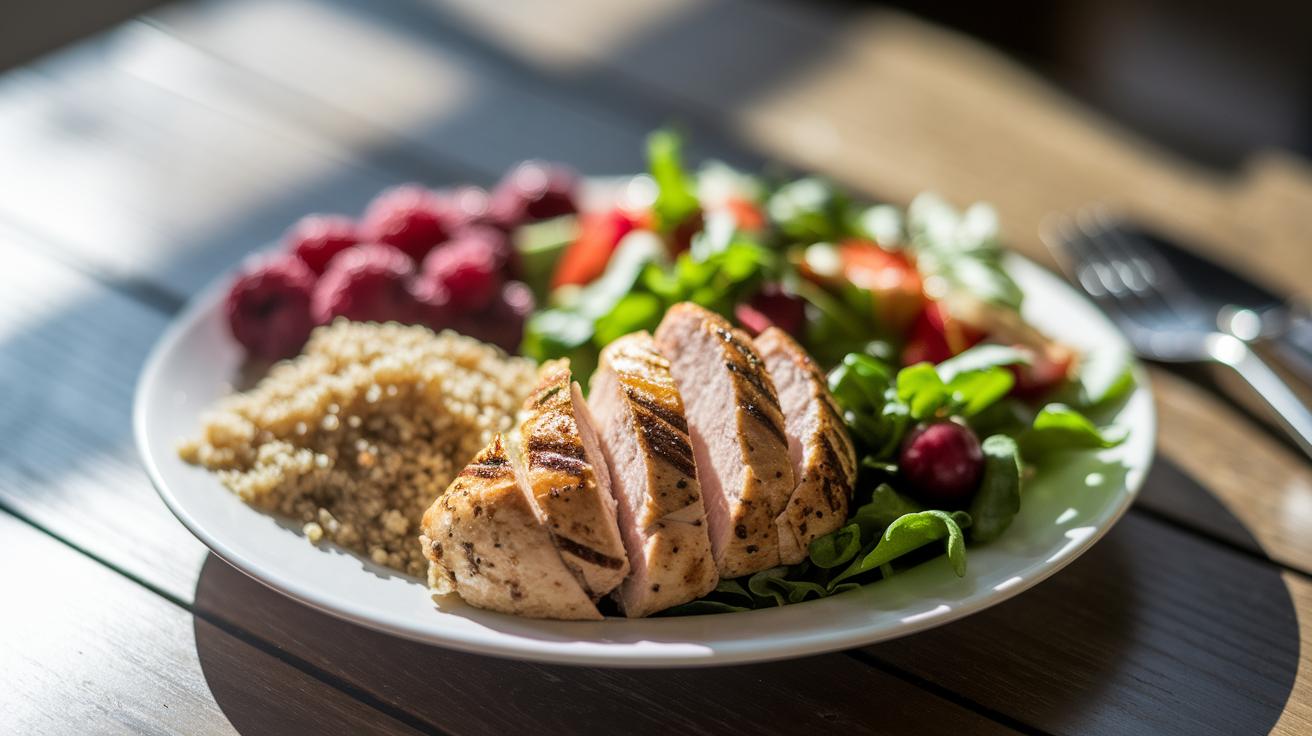
When you're in your second trimester, planning meals can be easy and fun. A good day might look like three well-rounded meals along with two or three light snacks. For example, you could begin with a warm bowl of oatmeal topped with fresh berries and some crunchy nuts. Later, a lunch like a grilled chicken salad with mixed greens and a scoop of quinoa can keep you going strong, and dinner might be baked salmon with steamed veggies and brown rice.
Snacks help keep your energy steady and take the edge off hunger. Here are some tasty and healthy ideas:
- A small cup of Greek yogurt mixed with chia seeds
- Apple slices spread with almond butter
- Carrot sticks dipped in hummus
- Cottage cheese paired with pineapple chunks
- Whole grain crackers topped with avocado spread
- A bowl of fresh berries lightly sprinkled with walnuts
- A mini smoothie made with spinach, banana, and yogurt
Mixing up your meals and snacks makes each day feel fresh, while making sure you get a variety of vitamins and minerals. It’s like treating your body to a new little surprise at every meal. Enjoy the flavors, textures, and care that come with nourishing yourself during this special time.
Prenatal Supplements and Safe Food Practices

Recommended Supplements
If you're expecting, a good prenatal vitamin can really help you and your baby. Most vitamins, like the ones mentioned in our guide to prenatal care vitamins, include folic acid, iron, calcium, vitamin D, and vitamin B12. They work together to support your healthy tissue growth and help your baby's bones and brain develop. Taking these nutrients every day gives you important support during one of the most exciting times in your life.
Many caring health professionals also suggest adding an omega-3 supplement. With about 200–300 mg of DHA/EPA daily, omega-3s can boost your baby's brain and eye development. This little extra step means you’re giving both you and your baby a nurturing boost from every nutrient.
Foods to Avoid
Food safety matters a lot when you're pregnant. Handling and storing your meals right can lower the risk of infections like listeria and toxoplasmosis. It's best to steer clear of raw or undercooked meats, unpasteurized dairy, and fish that are high in mercury. Instead, choose safe seafood like salmon or sardines.
By taking these food safety steps, you can enjoy wholesome meals that nourish you both and help your baby grow strong.
Hydration and Weight Gain Management in the Second Trimester
Staying well-hydrated is a simple way to help you feel your best during this time. Experts suggest drinking 8 to 10 glasses of water each day. That steady sip of water keeps your body running smoothly by helping move nutrients around and keeping your energy up, even on hectic days.
A little weight gain is totally normal as your baby grows. Many moms notice about 1 lb of gain per week, which usually means around 25 to 35 lbs over the whole pregnancy if you were at a normal weight before. It’s a gentle reminder that your body is working hard to support your baby, and these changes happen slowly to help both of you do well.
Many moms find it reassuring to keep a simple weekly log of their weight. Writing down your weight each week can help you see your progress and notice any changes quickly. It’s a little way to celebrate your journey and know you’re taking good care of yourself during this special time.
Adapting Your Diet to Common Second Trimester Symptoms

If heartburn is bothering you, try eating smaller meals more often. It’s much easier on your stomach, and steering clear of very spicy or acidic foods can really help soothe discomfort.
If you're dealing with constipation, a boost in fiber and water might do the trick. Adding whole grains, beans, and fresh fruits or veggies to your meals can make digestion smoother and help you feel more at ease.
When fatigue hits, a quick, iron-rich snack with a bit of whole grain can give you a steady lift. Something like lean protein paired with a whole grain option can energize you without weighing you down.
For managing gestational diabetes, it helps to focus on low-glycemic foods that keep things balanced. Whole grains, plenty of fresh produce, and lean proteins can maintain steady blood sugar levels and support your overall well-being.
If a bit of nausea slows you down, try a gentle remedy like ginger tea or a dry cracker. These small choices can settle your stomach and make your day a little more comfortable.
Final Words
In the action, we explored how a balanced diet, smart meal planning, and mindful hydration can support both mom and baby during this special time. The discussion touched on practical tips like moderate calorie bumps, safe food practices, and adjusting to common pregnancy symptoms.
Every step you take for thoughtful maternal nutrition in the second trimester builds a foundation of health and well-being for your growing family. Keep caring for yourself and enjoy each moment along the way.
FAQ
What are second trimester foods to avoid?
The second trimester foods to avoid include undercooked meats, unpasteurized dairy, and high-mercury fish. These choices help lower the risk of foodborne illness and support your baby’s healthy development.
What does a 1 to 3 month pregnancy diet chart include?
The 1 to 3 month pregnancy diet chart highlights light, nutritious meals rich in folic acid and protein. It focuses on small, frequent meals that gently support early pregnancy development.
What does a 2nd trimester diet chart or pregnancy diet plan PDF offer?
The 2nd trimester diet chart or pregnancy diet plan typically features balanced meals filled with fruits, vegetables, lean proteins, whole grains, and dairy. This plan meets increased calorie needs without doubling intake.
Where can I find details on nutritional requirements during pregnancy in a PDF?
Nutritional requirements during pregnancy, outlined in PDFs, cover increased needs for protein, iron, calcium, and folic acid. These guidelines help you plan balanced meals for healthy fetal growth and maternal well-being.
What does a second trimester diet and exercise plan involve?
The second trimester diet and exercise plan promotes healthy weight gain by pairing balanced meals with moderate physical activity. This approach keeps you energized while supporting both maternal and fetal health.
How is a 15 week pregnancy diet chart structured?
The 15 week pregnancy diet chart is structured with balanced meals that add moderate extra calories and essential nutrients like protein, iron, and calcium, ensuring both your health and the baby’s rapid development.
What are the most important vitamins for pregnancy?
The most important vitamins for pregnancy include folic acid, vitamin D, and B vitamins. These vitamins help reduce neural tube defects and support overall fetal and maternal health throughout pregnancy.
What nutrients should I eat in the second trimester and beyond?
The nutrients you should eat in the second and third trimesters include lean proteins, iron, calcium, folic acid, and omega-3 fatty acids. These nutrients work together to support rapid fetal growth and your overall health.
How much should a pregnant woman eat in the second trimester?
A pregnant woman should eat with a modest daily increase of about 300 extra calories. This balanced approach ensures you receive enough energy and nutrients for both sustained maternal health and fetal development.
How does a baby receive nutrients in the second trimester?
A baby receives nutrients in the second trimester through the placenta, which transfers essential vitamins, minerals, proteins, and healthy fats from your diet to support rapid fetal growth and overall development.