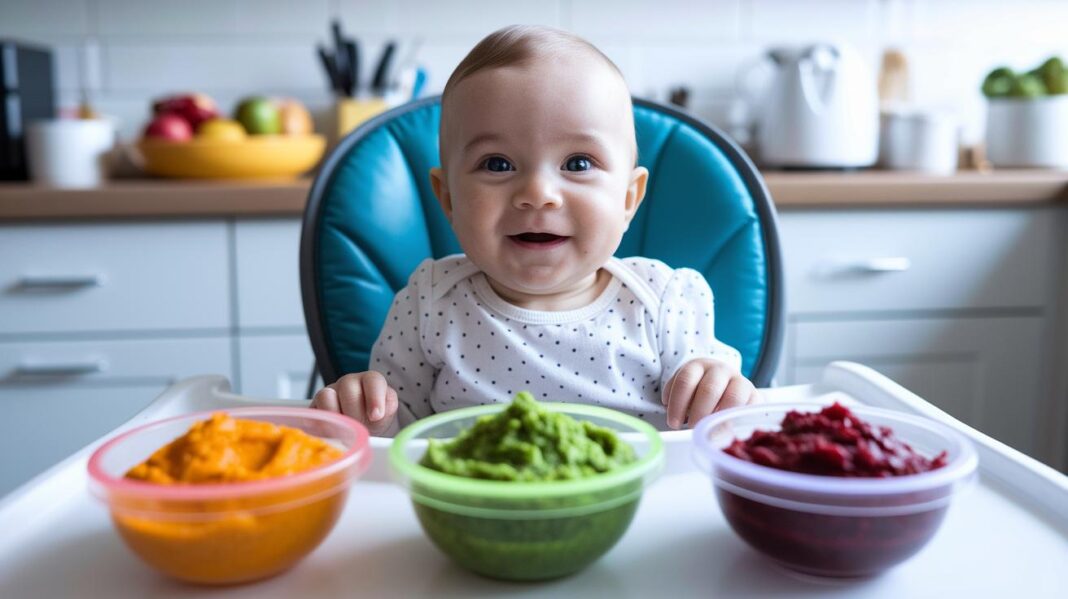
Have you ever wondered if baby food really gives your little one the nutrition they need? Imagine your baby trying new tastes and growing a little stronger with each bite. In this post, we share a simple guide that takes you from smooth purees to soft bits that let your tot explore self-feeding. We also include easy tips on keeping food safe and fresh so every meal feels relaxed and happy. Let’s take a look at some great choices for a joyful and healthy start at mealtime.
Feeding Stages & Safety Essentials for Infants
Introducing solids to your baby is an exciting change. It’s a gentle step where new textures and flavors unfold, and knowing what to expect can really help you feel at ease. Let’s walk through the stages together:
- Stage 1 (4-6 months): Start with smooth, thin purees that are easy to swallow. Think pureed fruits or lightly steamed veggies.
- Stage 2 (6-8 months): Now, the purees get thicker and may have tiny, soft lumps. For example, mashed sweet potatoes offer a bit more texture.
- Stage 3 (8-10 months): Foods become mashed with more noticeable textures. Small, soft chunks of well-cooked fruit or veggies can encourage your little one to chew.
- Stage 4 (10-12 months): This is when soft, finger-sized pieces come in. Try offering tiny, soft veggie sticks or pieces of ripe fruit to promote self-feeding.
Keeping things simple and safe really matters. Staying mindful of cleanliness and handling food carefully can help keep germs away. Imagine washing your baby’s spoon really well before scooping up some fresh banana puree, you know, every little step counts. Here are some easy safety tips:
| Tip | What to Do |
|---|---|
| Clean Hands | Wash your hands and all equipment before starting. |
| Freshness Check | Look at expiration dates and jar seals to be sure it’s fresh. |
| Clean Serving | Transfer food to a clean dish instead of feeding straight from the jar. |
| Leftovers | Discard any leftovers right away to reduce germs. |
By following these stages and simple safety tips, every mealtime can be a safe, nurturing, and enjoyable moment for you and your little one.
Homemade Baby Food Purees and Recipe Ideas
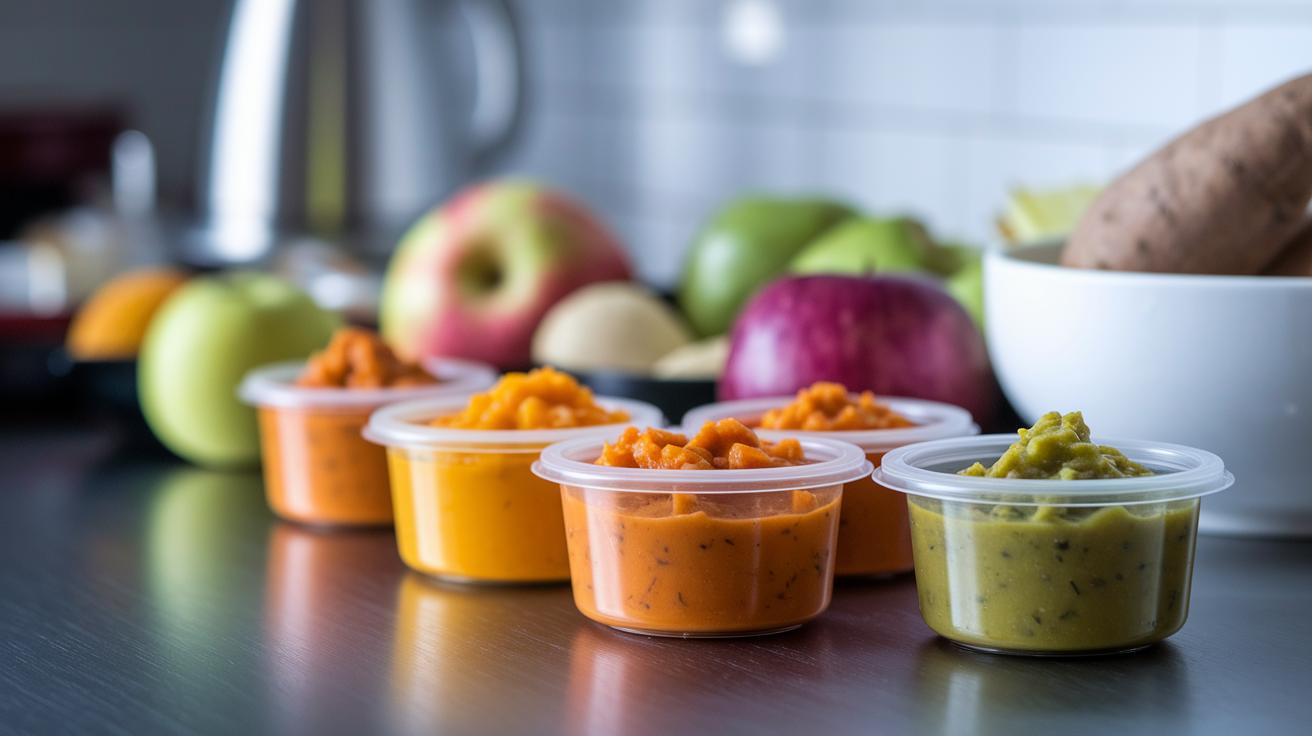
Making your own baby food means you get to choose every ingredient your little one enjoys. You can pick the freshest fruits and veggies so every meal feels clean and natural. Many parents start with very smooth Stage 1 purees before moving to thicker Stage 2 versions with soft little bits.
When you’re planning these purees, think about these simple groups:
| Type | Examples |
|---|---|
| Fruit Purees | apple, pear, banana |
| Vegetable Purees | sweet potato, carrot, pea |
Steaming is a great, easy method to soften your ingredients so they blend into a smooth treat. It’s especially handy on busy mornings. For example, you can steam carrots until they’re tender, then blend them until smooth for a mild and tasty puree.
Imagine a breakfast recipe that uses organic cereal to make 12 tiny meals in just a few minutes. Picture mixing a nutritious cereal blend with your favorite fruit puree to start your baby’s day right. Try combining freshly steamed sweet potato with a little apple, then portioning it out for a delightful breakfast.
These simple pureeing ideas and meal tips help you create varied, nutrient-rich dishes that support healthy growth and let your baby explore new flavors.
Nutritional Guidelines and Nutrient-Rich Baby Food Choices
Feeding your little one is all about combining fresh, whole foods to build a strong start. Think about mixing foods like sweet potato, winter squash, or white potato with beans, Greek yogurt, or goat milk. These choices bring natural vitamins and minerals into every bite and keep meals simple and comforting.
For babies who are 6 months and older, try adding iron-fortified cereals to support healthy growth. Sometimes, mixing a little mashed kiwi or a few drops of orange juice with the cereal can help absorb iron better. It feels great knowing that you’re serving up food that's both delicious and packed with nutrients, especially when you choose non-GMO and organic options.
Grain cereals are great on their own, but they also pair well with proteins and veggies. Have fun trying different textures and flavors until you find one that feels just right for your baby. Mealtime can be an adventure where you both discover new tastes, each ingredient plays its special part in creating a delightful and nutritious meal.
Safe Preparation, Storage, and Handling of Baby Food
Let's start with the basics: keeping everything clean matters a lot. Always wash your hands and clean your tools before you begin making food. After using your blender or food processor, give it a quick clean so no unwanted germs stick around. And if there's any leftover puree, toss it out right away to keep things safe.
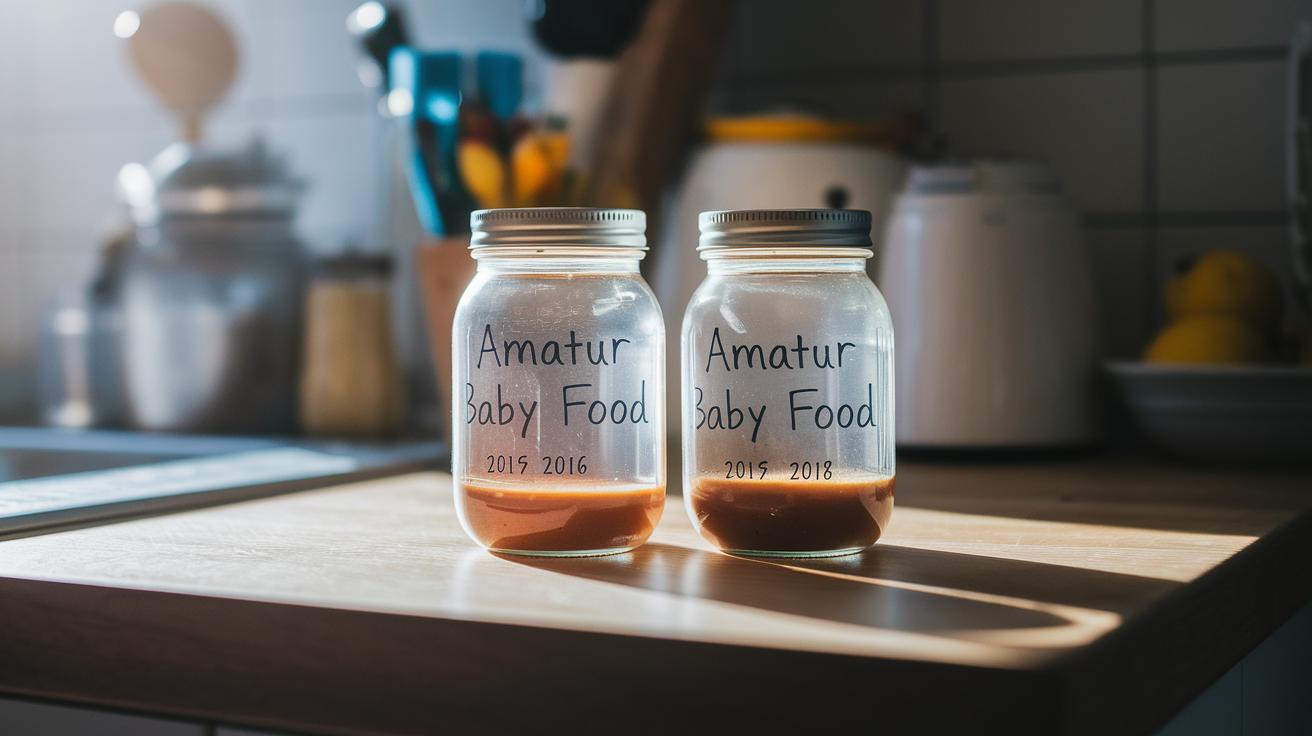
When you make purees in batches, it's important to stick to strict baby food safety methods. Use containers that seal tightly or reusable pouches for your purees. It really helps to label each one with the date and what's inside so you know exactly how fresh it is. This way, you can easily keep up with proper storage to ensure every meal is tasty and nutritious.
Thawing and warming up your baby's food also needs a little extra care. Instead of using a microwave, move the frozen puree to the fridge overnight or warm it up gently in a water bath. Microwaves can create hot spots that might hurt your baby's food quality. Remember, being careful when reheating is just as important as during the first preparation.
Here are some handy storage guidelines for a quick look:
| Storage Method | Duration | Notes |
|---|---|---|
| Refrigerator (4 °C) | 24 hours | Cover tightly |
| Freezer (–18 °C) | Up to 3 months | Label with date and contents |
| Thawed in Fridge | 24 hours | Do not refreeze |
| Leftovers | Discard | Avoid contamination |
Selecting Store-Bought Baby Food: Tips and Best Practices
When you're picking baby food at the store, the first thing to do is check the ingredient list. Start by looking at the first ingredient, if it’s something you trust, like sweet potatoes, you know the food is simple and naturally made. Also, be sure to check the expiration date and make sure the seal on the jar or pouch is tight. This little extra step gives you the comfort that the food is fresh and safe.
It’s best not to feed directly from the container. Instead, pour a small serving into a clean bowl. This small habit keeps germs at bay. Look for brands that explain how they get their ingredients and use very few additives. And remember, mixing up flavors, whether it’s vegetables, fruits, or grains, can make meal times a fun adventure for your little one.
Here are some friendly tips when you’re choosing baby food:
- Check the label to see that your trusted ingredient is listed first.
- Look at the expiration date and verify the jar or pouch is properly sealed.
- Transfer a bit of food into a clean bowl before serving.
- Choose brands that are upfront about their ingredients and keep additives to a minimum.
- Change up the flavors to keep meals interesting for your baby.
Advancing Textures with Finger Foods & Soft Pieces
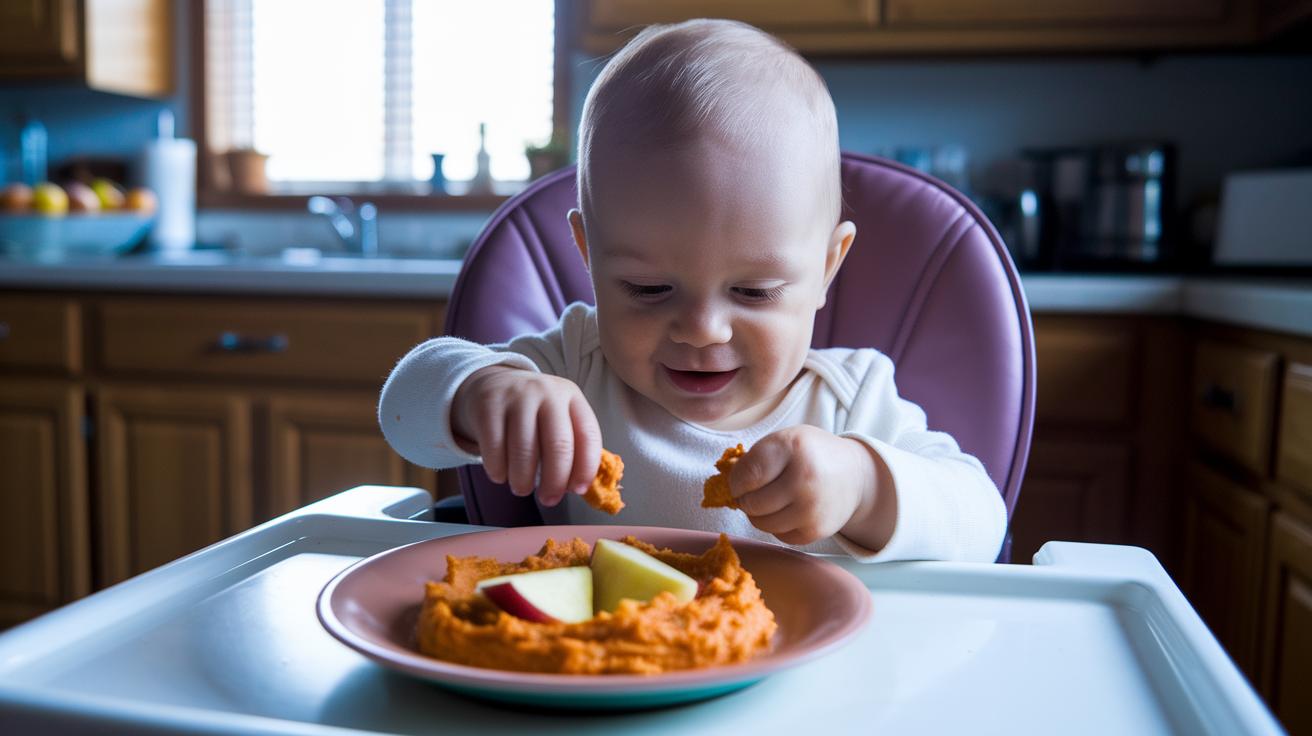
As your baby grows, you might see little changes like steadier head control, less tongue thrusting, and even a pinch grasp starting to form. These signs tell you it might be time to try foods with more texture, thicker mashed foods and purees with soft lumps. For example, you could mix a thick mashed sweet potato with tiny, soft apple chunks. It makes a nice bridge from smooth purees to more textured bites.
One easy way to help your baby start self-feeding is by offering soft finger foods. Here are a few ideas you can try:
| Food Idea | Description |
|---|---|
| Steamed veggie sticks | Carrots or zucchini, steamed until soft |
| Ripe fruit strips | Soft pieces of peach or banana |
| Soft pasta pieces | Pasta that easily breaks apart |
Cut these foods into small, bite-sized pieces to help avoid any gagging, and let your little one explore at their own pace. Stay nearby to offer a smile and some gentle help along the way. This gradual step not only boosts your baby's confidence with self-feeding, but it also turns mealtime into a fun and cheerful discovery session, each new taste and texture is a wonderful step forward.
Essential Baby Food Tools and Time-Saving Tips
Ever notice how a few good tools can make meal prep a breeze? In your kitchen, a high-speed blender or a mini food processor can quickly turn steamed veggies into a smooth, silky puree. Think about it, just a few whirls and your ingredients are perfectly blended. A steam-and-blend cooker even lets you gently steam your food first before blending it fast, and a compact mini food processor is just perfect for small batches.
Safety is key with these gadgets. Always check that lids fit securely and bases are non-slip so everything stays steady while you work. And if you're often on the go, portable feeding options like reusable silicone pouches, divided containers, and spill-proof spoons can be real lifesavers. Plus, batch cooking gets much simpler when you freeze single portions in ice-cube trays, so you only thaw what you need when it’s time to eat.
Don’t forget to check reviews of infant food processors to pick models that are both safe and efficient. These handy tools can help make meal prep at home or out and about feel stress-free every day.
Final Words
In the action, this article explored feeding stages and safety tips, from preparing homemade purees to selecting store-bought options and advancing to finger foods. We looked at baby food stages, simple recipes, and safe storage practices that keep mealtimes fun and secure.
We also shared tried-and-true tools and time-saving hints every parent can use. It’s all about taking small steps that lead to confident, joyful moments with baby food.
FAQ
What is the best baby food to start with?
The best baby food to start with is a smooth Stage 1 puree made with one simple ingredient, like apple or sweet potato. It offers gentle nutrition as your baby begins trying new tastes.
What is the healthiest brand of baby food?
The healthiest brand of baby food emphasizes organic, non-GMO ingredients with minimal additives. Trusted companies, available at major retailers, offer safe and nutritious options for your little one.
Can I give my 4-month-old baby baby food?
Giving baby food to a 4-month-old depends on developmental readiness. Pediatric guidelines recommend waiting until about 6 months to safely introduce solid foods after discussing with your child’s doctor.
What range of baby food options should be considered?
Considering a range of options like homemade purees, packaged puffs, and varied flavors provides your baby with diverse tastes and textures while supporting early healthy eating experiences.
Where can I find quality baby food options?
Quality baby food is available at local shops, retailers like Walmart, and from trusted brands such as Gerber. This ensures you have access to a variety of nutritious, age-appropriate choices.