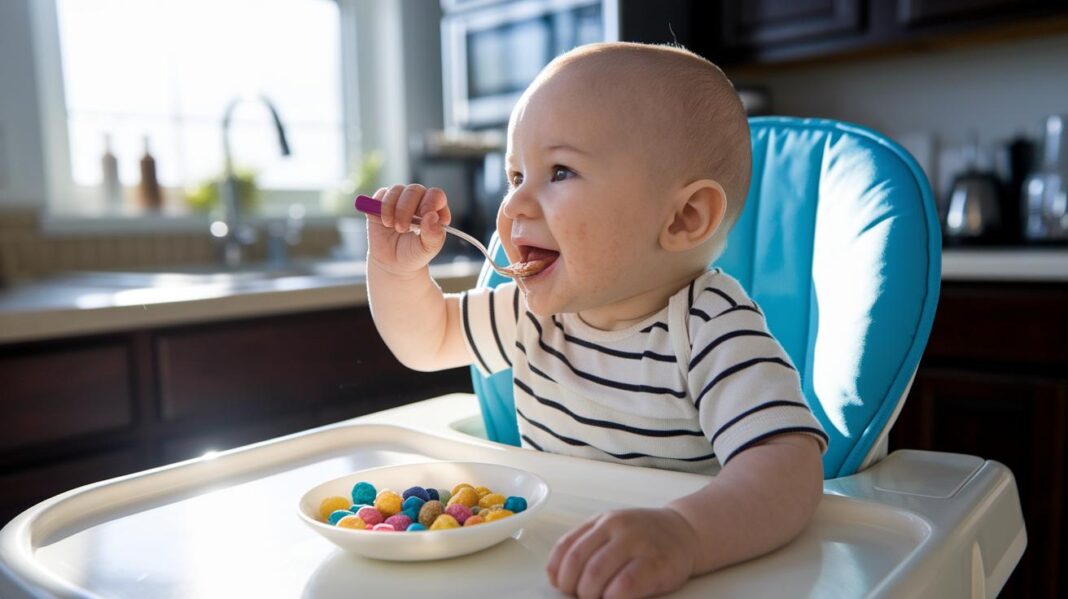
Have you ever noticed how a simple bowl of baby cereal can make mealtime feel extra special? When your little one is ready for solids, a smooth cereal mix with added iron turns feeding time into a cozy, caring routine. This gentle blend not only soothes your baby but also helps with their growing need for iron. Many parents choose a rice-based option because it feels good to know it’s free from unwanted chemicals. In this chat, we’ll explore how baby cereal can make those tender moments even more memorable for both you and your little one.
Baby cereal Brightens Infant Mealtime Moments
When your little one is around 4 to 6 months old and ready for solids, you might want to try a simple, single-grain cereal that's iron-fortified. Mixing it with breast milk or formula creates a smooth, gentle blend that feels familiar and comforting, almost like stirring a little bit of sugar into milk until it all dissolves.
It’s really important to pick a cereal that fits your nutritional needs. Many parents go for rice-based cereals that are low in arsenic, keeping things safe and minimizing any unwanted chemicals. If you prefer a rice blend, look for organic options to ensure your baby gets the purest start. Plus, an iron-enriched meal can help support your baby’s growing iron needs, which is super important for healthy development. For more tips on building a solid nutrient foundation, check out our article on infant nutrition.
How you prepare and serve the cereal also matters. Spoon-feeding not only helps your baby develop important motor skills but also lowers the risk of choking compared to bottle feeding. As you get ready to serve the meal, make sure it’s neither too runny nor too thick, just the right texture that your baby can handle comfortably.
Keep in mind that as your baby grows, you can slowly thicken the cereal to match their ability to handle new textures. Taking it slow makes mealtime a warm, joyful experience for both of you.
Baby Cereal Varieties: Grain Types, Fortification, and Texture Guide
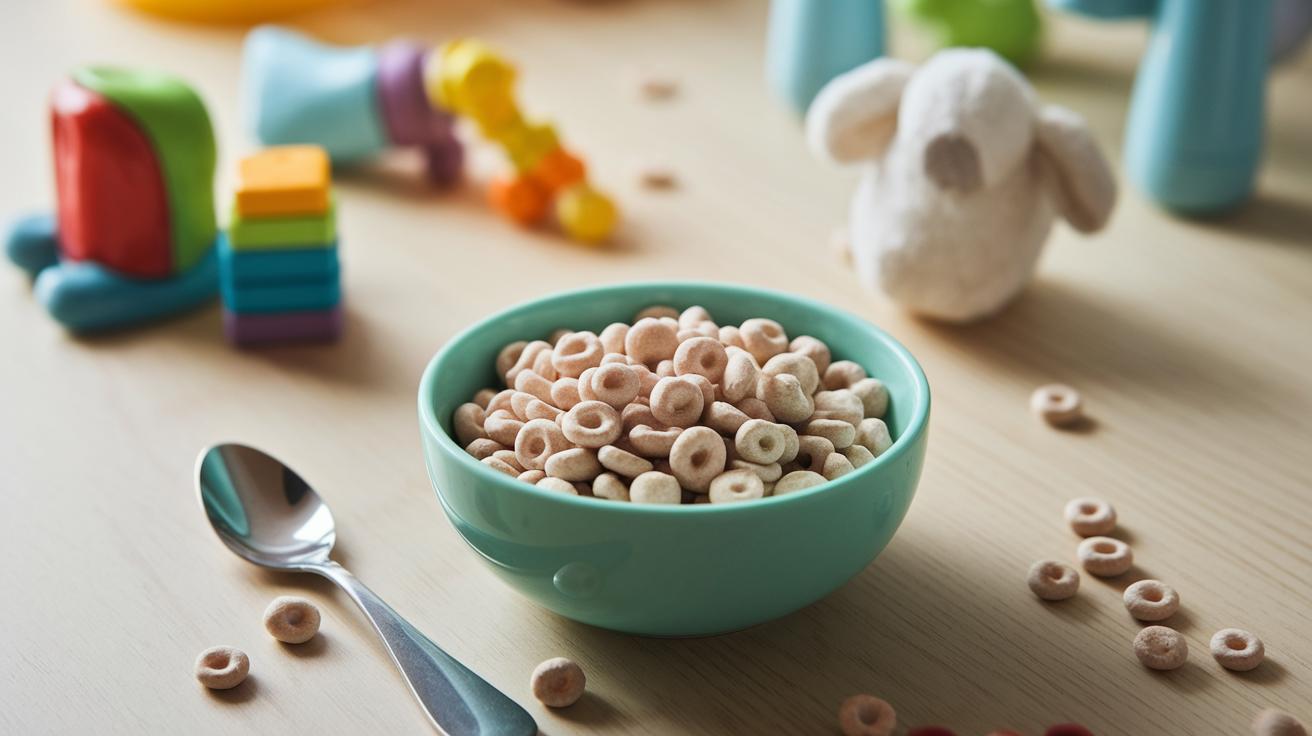
When you’re picking out baby cereal, you want a mix of healthy grains and just the right nutrients for your little one. Earth’s Best Baby Cereal is one trusted option. They offer varieties like Organic Oatmeal, Brown Rice, Oatmeal with Banana, and Whole Grain cereal. All these choices come with no added sugar, so your baby can enjoy a gentle taste of organic grains that are kind on their developing tummy.
Kendamil Creamy Oatmeal is another favorite among parents because it gives a real nutrient boost in every serving. Just 20 g provides about 31% of the daily iron, 25% of protein, and 31% of daily calcium. It feels almost like a nutritional power-up designed just for your baby. Plus, it has no added sugars or artificial ingredients, which makes it even more appealing.
Else Organic Baby Cereal features a nice mix of gluten-free buckwheat, tapioca starch, and a touch of almond butter. With natural flavors like vanilla and banana mingling together, it’s a wholesome choice that even earned a Clean Label Project award for its purity. This cereal is especially great if you're looking for a rice-based first food without the common additives you may see in some processed meals.
Gerber Organic makes it easy for busy parents with options like oatmeal, brown rice, and fruit-flavored cereals that mix effortlessly into your baby’s routine. Their oatmeal offers a smooth texture and balanced flavor, making the transition to solids a little easier. Similarly, Beech-Nut Organic Oatmeal is a cost-friendly choice that comes with 6.8 mg of iron plus vitamins like B, D, and E, giving your little one a gentle start with essential nutrients.
| Brand | Grain Type | Iron % DV | Sugar (g) | Key Feature |
|---|---|---|---|---|
| Earth’s Best | Oatmeal, Rice, Whole Grain | N/A | 0 | No added sugar |
| Kendamil | Oatmeal | 31% | 0 | No GMOs or additives |
| Else Organic | Buckwheat blend | N/A | N/A | Award-winning clean label |
| Gerber Organic | Oatmeal, Brown Rice | N/A | N/A | Fruit-infused options |
| Beech-Nut | Oatmeal | N/A | N/A | Cost-effective iron boost |
Homemade Baby Cereal Recipes: Rice Porridge Step-by-Step
Back in the day, folks mixed ground grains with milk to create a simple baby food. Today, you can whip up a homemade rice porridge that's full of nutrients without any extra additives. Using whole-grain rice adds natural fiber and gives your little one a gentle start.
The secret to a great porridge is a smooth texture so it’s easy for your baby to eat. First, soak the rice until it softens nicely. Then, blend it into a smooth paste and gently simmer the mixture. You can adjust the thickness by stirring in a little breast milk (or formula) , making it a bit thinner for beginners or a little thicker as your baby gets used to solids.
Here’s an easy five-step plan to follow:
- Soak 1 cup of whole-grain rice in water for 2 hours so the grains soften.
- Drain the water and blend the soaked rice until you have a smooth paste.
- Transfer the rice paste to a small saucepan and add 2 cups of water or milk.
- Simmer on low heat for 5–7 minutes, stirring often to prevent lumps.
- Adjust the texture by adding more breast milk or formula until you reach a thin, creamy consistency.
This homemade rice porridge is a lovely way to introduce your baby to natural flavors while knowing exactly what ingredients go into it. Enjoy preparing this warm, comforting meal that can brighten your family’s mealtime moments!
Baby Cereal Feeding Timeline by Age
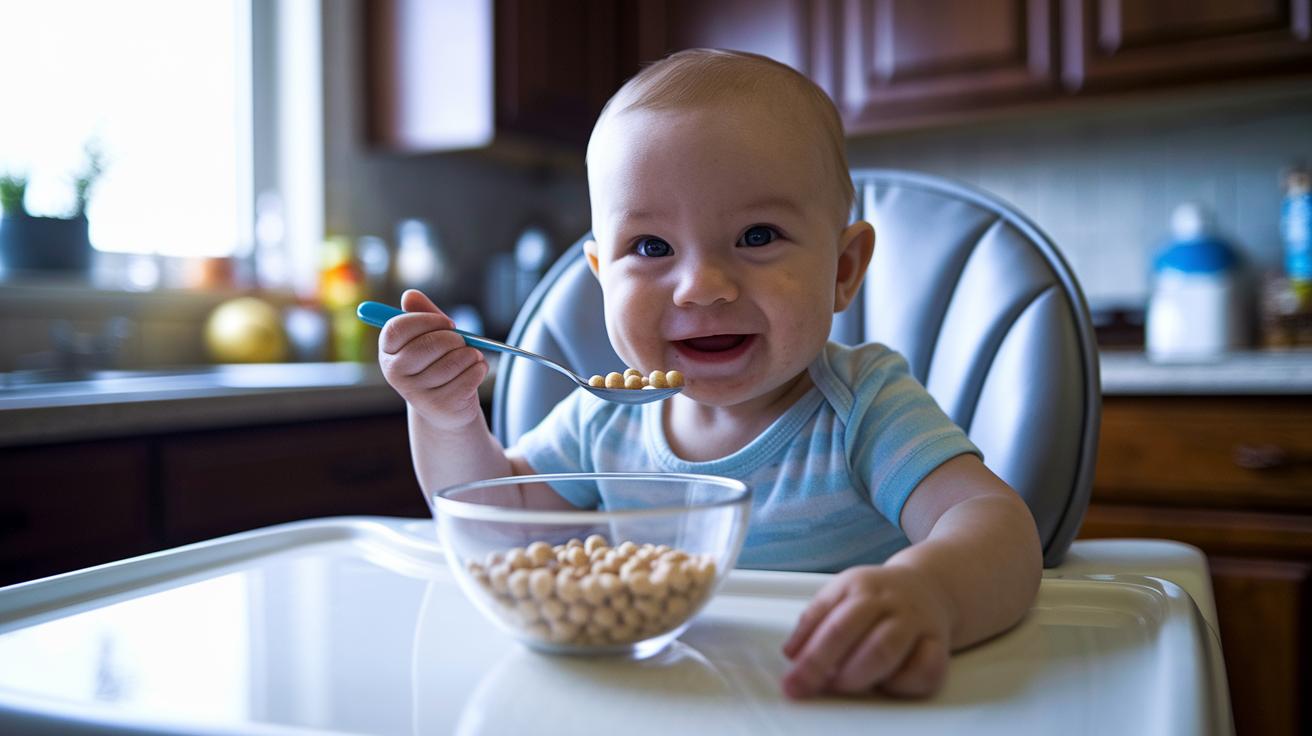
When your baby is around 4 to 6 months old, it's a gentle time to introduce their very first taste of cereal. Start out with just 1–2 teaspoons of a smooth, iron-fortified cereal mixed with a bit of breast milk or formula. This creates a thin, porridge-like texture that's kind to your baby’s tummy.
As your little one grows between 6 and 8 months, you can slowly add a bit more cereal to their meals. At this stage, offering 2–3 tablespoons per meal gives the cereal a thicker feel while still being easy for them to swallow. This gradual shift helps meet their need for iron and other important nutrients.
When your baby reaches 8 to 10 months, it's okay to serve cereal 1–2 times a day along with fruit or vegetable purees. The texture at this point can become medium, making it perfect for little hands learning to hold a spoon and for developing their oral skills.
- Start with 1–2 teaspoons at 4–6 months.
- Increase to 2–3 tablespoons at 6–8 months.
- Serve cereal 1–2 times a day with purees at 8–10 months.
- Transition from a thin to a medium consistency as spoon-feeding skills grow (around 9 months).
This gradual approach helps your baby enjoy meals that grow alongside them, supporting both their nutrition and their developing motor skills.
Baby Cereal Safety: Allergy Risks and Arsenic Guidelines
When you're picking out cereal for your little one, safety matters most. Rice cereals, for example, tend to absorb more arsenic from flooded fields. The FDA has found higher arsenic levels in some rice cereals, and that can be a bit worrying if rice is the main choice for your baby.
Whole grains can be tricky too. They often contain phytic acid, which might make it tougher for your baby to absorb key minerals like iron and calcium. If your baby relies on cereal as a big source of iron, this could affect their overall nutrition.
Introducing allergens is another area where extra care helps. Oat blends might have small traces of gluten, and nut-based cereals could trigger allergies. It’s best to introduce these foods one at a time and keep an eye out for any reactions. Consider rotating grains like oats, buckwheat, and quinoa. This not only adds variety to your baby’s meals, but it also lowers the risk of issues from eating too much of one type.
Always watch for any signs of discomfort after a new cereal is introduced. Try offering one grain at a time and wait a few days before adding another. This gentle, step-by-step approach helps you notice if something isn’t quite right and makes your baby’s transition to new textures much smoother.
Top Baby Cereal Brands and Nutritionist Recommendations
Experts spent time testing 11 different cereals with babies around 7 to 8 months old, and they found a few favorites based on solid nutrition and real parent experiences. Nutritionists love Earth’s Best Organic Oatmeal because it has no added sugar and a gentle taste. One mom mentioned, "I love that it's simple yet fulfilling, pure and just right for my baby."
Kendamil Creamy Oatmeal is also a hit for its strong mix of iron, protein, and calcium packed into an easy serving. One family noted, "Every spoonful feels like a mini nutritional boost without any unnecessary additives."
Else Organic Buckwheat Blend, which even won a Clean Label award, offers a gluten-free mix of buckwheat and tapioca with a fresh taste that suits babies with allergies. Plus, Holle Demeter Oats follows strict organic and biodynamic practices, so it’s a great choice if you're looking for simple ingredients and natural quality.
Gerber Oatmeal & Fruit brings in a nice, fruity flavor to classic oatmeal, and Beech-Nut Organic Oatmeal is celebrated for its balanced vitamins and sensible iron levels. Parents and nutritionists both say that features like easy mixing, secure lids, and balanced nutrition make these cereals a comforting way to start solids.
| Cereal | Key Feature |
|---|---|
| Earth’s Best Organic Oatmeal | No added sugar, pure blend |
| Kendamil Creamy Oatmeal | Fortified iron, protein, calcium |
| Else Organic Buckwheat Blend | Gluten-free, Clean Label award |
| Holle Demeter Oats | Organic, biodynamic standards |
| Gerber Oatmeal & Fruit | Introduces fruity tastes |
| Beech-Nut Organic Oatmeal | Balanced vitamins and iron |
Baby Cereal Mixing Tips: Breast Milk vs. Formula
In the past, pablum was mixed into bottles for babies as young as six weeks. Nowadays, though, doctors only suggest that if they think it's necessary. Spoon-feeding is usually better because it helps your little one learn to use their mouth and keeps choking risks low.
When your baby is starting solids, try a very thin cereal mix first. That means you mix in breast milk or formula at a 1-to-4 ratio. This runny texture makes the shift from milk to solids much easier. As your baby grows and gets curious about new textures, around six to eight months, you can switch to a slightly thicker mix, about a 1-to-3 ratio. And once your baby feels more confident managing solids, you might try a 1-to-2 mix, which packs in more nutrients with each spoonful.
The old method of making a bottle-fed porridge just doesn’t work as well anymore. Instead, spoon-feeding lets your baby explore different tastes and builds their confidence at mealtime. One parent shared, "Switching from bottle to spoon really made mealtime a delightful, interactive experience." Isn't it amazing how a small change can make all the difference?
Final Words
In the action, we explored how to choose and prepare baby cereal with care and precision. We talked about safe feeding practices, the best rice‐based first food options, homemade recipes, and even the latest expert guidance on ensuring proper iron intake. This post broke down each step, from creating the perfect starter rice blend to comparing top brands and mixing tips. Every part was designed to help you feel confident, making mealtime one more joyful moment with your little one. Enjoy this new chapter with warmth and confidence!
FAQ
FAQ
What is stage 1 baby cereal?
Stage 1 baby cereal is a beginner food made from a single grain, often iron-fortified, and mixed to a smooth consistency with breast milk or formula, usually introduced around 4–6 months.
When should I introduce baby cereal to my infant?
The recommended age to start baby cereal is between 4 and 6 months. You can gradually increase the serving size and thickness as your baby grows and develops better eating skills.
What is the best baby cereal to start with?
The best baby cereal to start with is a single-grain, iron-fortified option like low-arsenic rice cereal, prepared smooth with breast milk or formula for optimal nutrition and easing the transition to solids.
Can I feed baby cereal in a bottle?
Feeding baby cereal in a bottle isn’t advised. Spoon-feeding is safer because it helps your baby practice self-feeding and reduces the risk of choking compared to bottle mixing.
What should I know about rice-based baby cereal?
Rice-based baby cereal is a common choice for first foods, but it’s best to choose brands with low arsenic levels or rotate with other grains to support balanced nutrition while keeping potential risks in check.