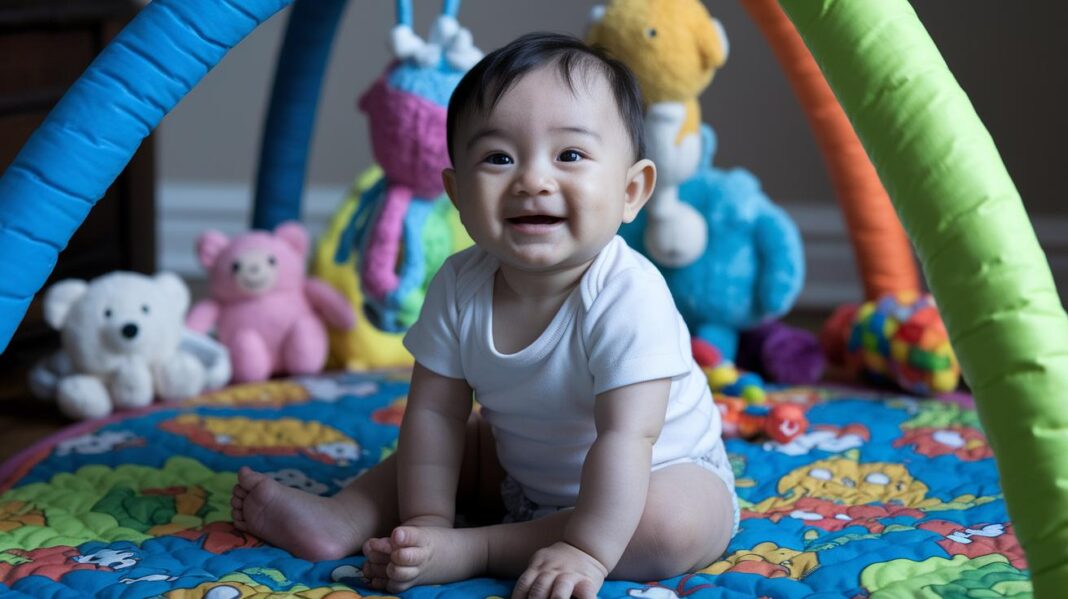
Have you ever noticed how a newborn's little smile can light up the whole room? Babies might not use words yet, but they share their feelings in simple, clear ways. A tiny clenched fist or a soft giggle gives us a peek into how they feel. In this post, we're looking at these early signs of joy, wonder, or even distress. Each expression is a small milestone that brings you closer to your little one. Let's take a moment to explore these sweet steps in your baby's emotional journey.
Infant emotional milestones: Flourishing Feelings Ahead
In the first month, babies start showing gentle responses like cuddling and soft smiles. They cry and make little face movements that help you learn their special signals. For example, a baby might clench a tiny fist when they’re not feeling well. These simple signs set the stage for their growing emotional world.
By the second month, it becomes easier to see their feelings. They show joy, curiosity, or distress with small changes in their mouth, eyebrows, or forehead. Then, around month three, those bright, happy smiles begin to appear, making every day feel a little more joyful.
By month four, you might notice your little one waving their arms to signal a need for comfort or attention. And by month five, that very first giggle marks a big step in their emotional development, it’s a moment that warms your heart.
At six months, babies begin to copy the expressions they see. They might smile like you or even stick out their tongue, a sweet sign that they’re learning about feelings and how to share them.
By seven months, some babies might get a bit startled by new faces or loud sounds, showing a glimpse of nervousness as they explore their surroundings.
From eight to ten months, a range of expressions appears on their faces, interest, joy, surprise, even a bit of anger or sadness. It’s like watching a tiny, colorful show of all the feelings they’re starting to understand.
Between eleven and twelve months, many babies try their hand at self-feeding and small self-care tasks. This whole journey from birth to one year paints a beautiful picture of their emotional milestones, giving us a peek into their ever-growing, expressive world.
Infant Newborn Emotion Signals and Initial Affect Benchmarks (0–1 Month)
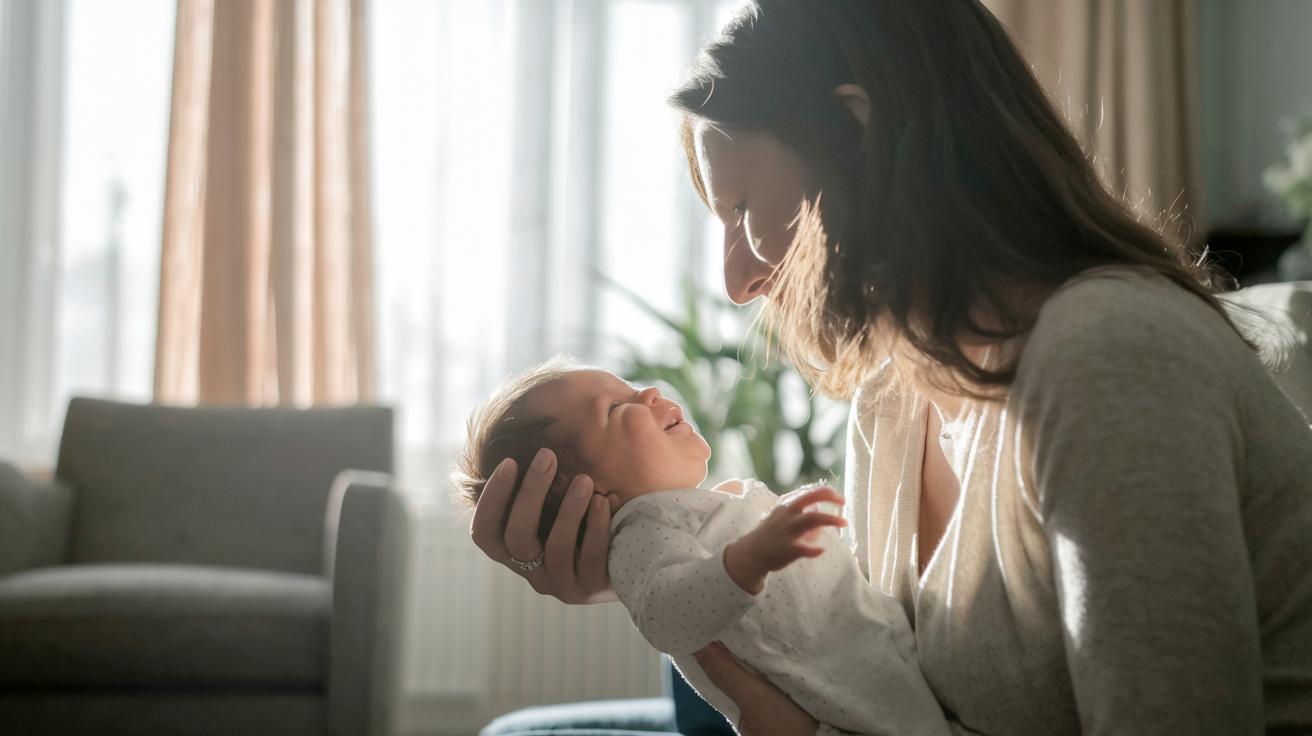
In the first few weeks, your newborn starts to share little hints about how they feel without using words. They do this through gentle cries and soft facial changes. For example, when you hold your baby close, you might see a tiny smile or a slightly furrowed brow that shows either comfort or a little worry. A long, high-pitched cry usually means they are upset, while a softer, fading cry tells you they are finding calm.
Your baby also shows natural ways to soothe themselves. Think about the rooting reflex, where they turn their head when you touch their cheek, or how they bring their hand to their mouth for comfort. Ever notice how a small finger finds its way to their lips? That simple act is their way of saying they’re trying to feel better.
By noticing these sweet signals early on, you can quickly respond and build a loving, secure bond that helps your baby understand their own feelings.
Infant Social Bonding Indicators and Facial Expression Onset (1–3 Months)
A baby’s sweet smile is more than a cute face, it’s one of the first ways they start to connect with you. When your little one copies your expressions or reacts to your tone, it’s their way of saying, “I’m here with you.” I once made a silly face, and my baby’s eyes sparkled like they were sharing a secret.
These little moments really show how your face can be a beacon of warmth and safety. Just picture your baby grinning when you speak softly. It’s like they’re telling you, “I feel safe with you.”
Every shared smile and funny gesture helps build that strong emotional connection. As your baby sees that their expressions bring love and comfort, they become more confident in showing you what they feel.
Infant Laughter Emergence and Early Mood Variation (4–6 Months)
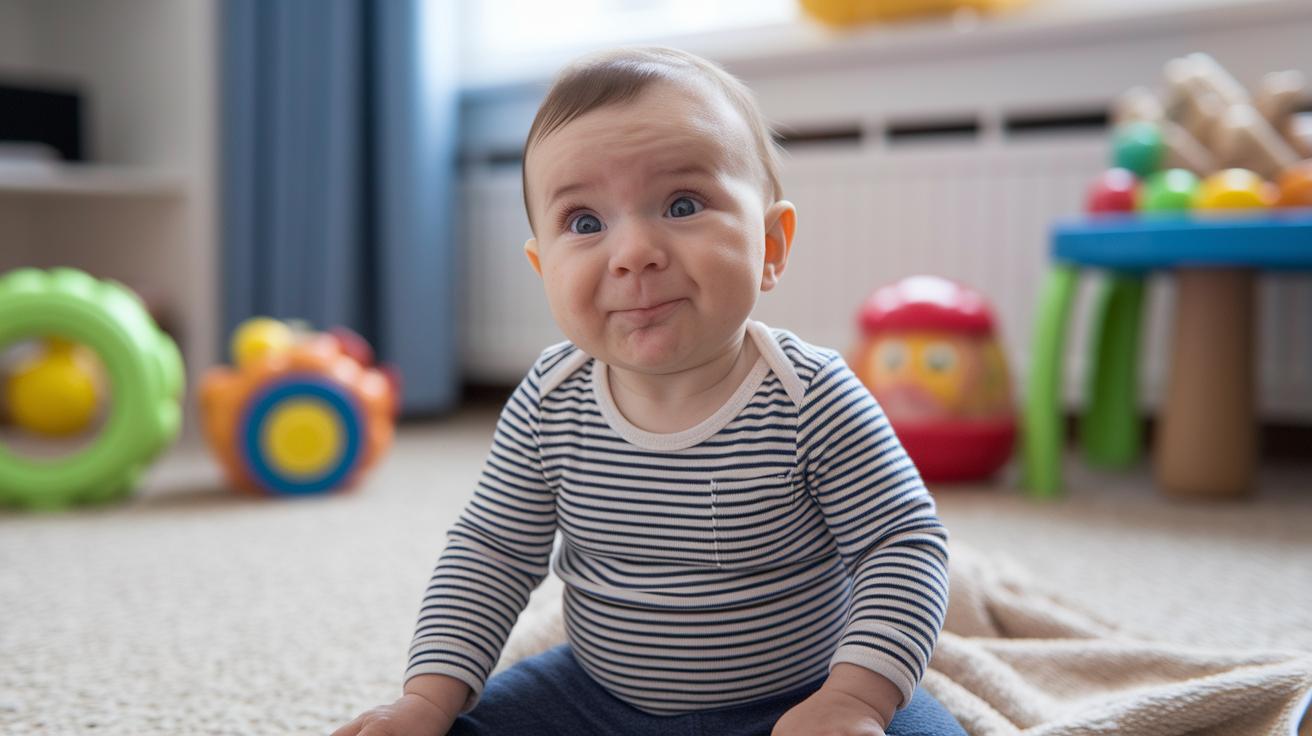
At four months, your baby starts showing feelings with little gestures. You might see those tiny arms reaching out like a small wave, almost saying, "I need a cuddle, please!"
By five months, that very first, sweet laugh can make its debut. It’s a soft giggle that fills the room with warmth, kind of like your baby sharing a special secret with you. Imagine a gentle burst of laughter that connects you both in a quiet, heartwarming moment.
At six months, your little one begins to copy the faces they see. They might make funny expressions, from a playful frown to a cheeky tongue-out, showing a colorful mix of joy, surprise, and even a bit of frustration as they learn to express their feelings in brand-new ways.
Infant Stranger Anxiety and Attachment Behavior Patterns (7–9 Months)
During these months, you might see your baby feeling a bit uneasy with people they don’t know. Sometimes, when someone new holds them or offers a toy that feels odd, your little one may fuss or look upset. It’s really just their way of saying they need the warm comfort of a familiar face, like yours.
As your baby grows, you may notice their face showing many different emotions. One minute there might be a big smile, and the next, a puzzled or even scared look. These little shifts in expression show that they're learning to feel and share a mix of emotions. It’s all part of understanding the world and how they connect with you.
So keep an eye on these cues. A bit of gentle play and extra cuddles can help your baby feel safe and secure. After all, nothing beats the feeling of knowing someone is there to love and protect you.
Infant Affective Regulation Markers and Self-Soothing Cues (10–12 Months)
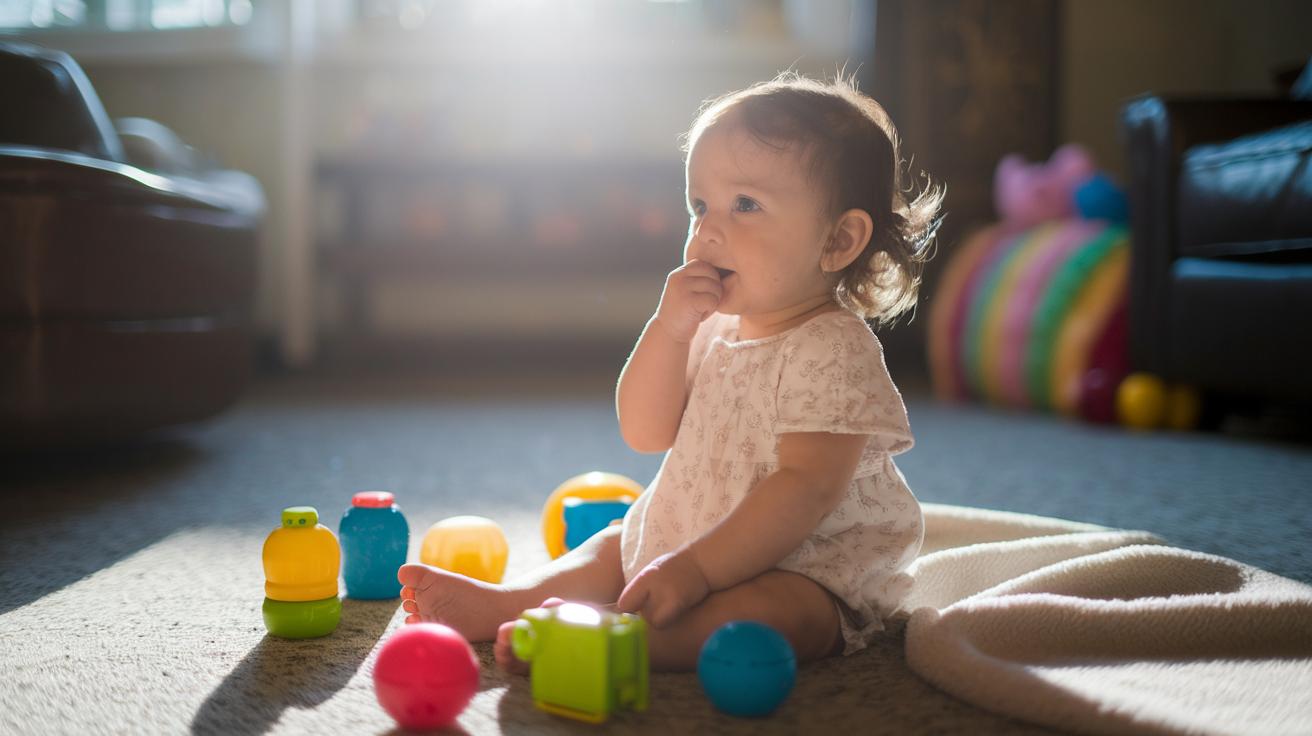
By 11 to 12 months, you may see your little one trying out tiny acts of independence. They might start to feed themselves or even try to take off simple pieces of clothing. These are the first signs that your baby is beginning to explore autonomy and learn how to soothe themselves when upset.
Your baby may also show self-soothing behaviors like sucking on their thumb or cuddling a favorite soft blanket or toy. When little ones feel overwhelmed, they might take a short pause, stop crying, or look away for a moment while gently sucking their thumb. It’s nature’s way of teaching them to ease their distress on their own.
At this point, your baby starts to shift away from needing constant comfort from you and begins to discover how to calm down by themselves. Watching these moments can be a wonderful peek into your child’s growing emotional skills. These early self-soothing steps lay the foundation for stronger, more refined self-regulation as they grow older.
Tracking Infant Emotional Milestones and Identifying Delays
Keep an eye on your baby's daily signals as they grow. For instance, if you don’t see a social smile by three months, it might be a hint that emotional connection is taking a little longer. Think of it like when a friend’s laugh just doesn’t light up the room, and you start to wonder if something’s off.
And if your baby hasn’t burst into their first laugh by five months, it could mean their emotional responses are developing slowly. Imagine a moment when your little one doesn’t giggle during family play as you might expect, it might be a good idea to watch a bit closer or chat with a trusted professional.
By nine months, you might notice that unfamiliar faces don’t bring the usual slight fuss or pause that shows they’re cautious. This absence of stranger anxiety could mean your baby’s way of bonding is following a different pattern. Also, if by six months your baby shows only a few facial expressions, it might be a sign their emotion recognition is a bit delayed.
Remember, every baby is unique. If you spot any of these signs, try to note how your little one acts during playtime or mealtime. These little moments can offer you useful clues about when it might be time to get advice from a professional.
Infant emotional milestones: Flourishing Feelings Ahead
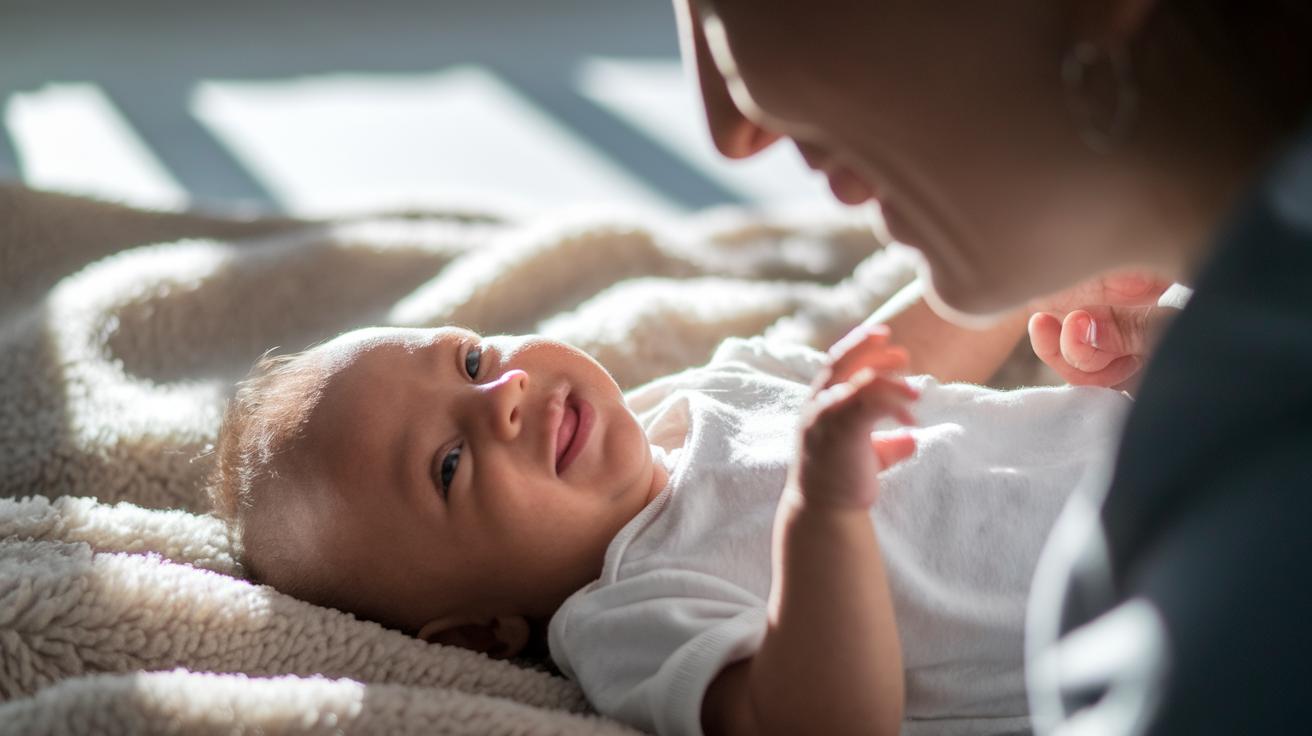
In those first few months (0-3 months), cozy moments and gentle touches help your baby feel safe and loved. When your little one makes a tiny frown or reaches out with a hand, it’s like a quiet invitation to connect. Give a soft cuddle and say something warm, almost like whispering, "I'm here for you." These simple acts lay a caring foundation for their growing emotions.
By the time your baby is 3-6 months old, playful interaction takes center stage. Enjoy games like peek-a-boo or share a short, soothing story that makes them smile. Imagine settling in for a little tale during nap time that not only calms them but also sparks brain and emotional growth. A fun daily ritual, whether it’s a morning song or a gentle evening story, helps them look forward to these loving moments.
Between 6 and 12 months, keeping a steady routine helps a lot. Set up regular times for meals, play, and bedtime, where you can share special, distraction-free time together. Even a brief story or a lively tune during play can encourage them to explore and express their feelings. This steady routine supports their emotional learning as they grow.
- Age 0-3 months: Cuddle and respond gently to little signals.
- Age 3-6 months: Enjoy playful moments and short stories together.
- Age 6-12 months: Stick to a simple routine and create a special play space.
| Age Range | Care Tip |
|---|---|
| 0-3 months | Offer cozy cuddles and soft words to match their little cues |
| 3-6 months | Play peek-a-boo and share brief, soothing stories |
| 6-12 months | Create a steady routine with special play and quiet time |
Final Words
In the action, this post explained infant emotional milestones from a loving start as newborns to growing self-soothing skills by their first birthday. We covered key signals like early smiles and first laughs, along with subtle cues that guide responsive care. Small, consistent interactions help nurture both basic and evolving feelings. Every tender moment matters as these early signs pave the way for deeper emotional growth. Remember, each smile and gesture is a step toward a healthier, happier future.
FAQ
What are the emotional milestones of infancy and when do they start?
The emotional milestones of infancy begin at birth with subtle cues like quiet responses and develop into social smiles, first laughs, and self-soothing behaviors, reflecting growing social and emotional awareness by 11 to 12 months.
What are the main emotions and stages in early emotional development?
Early emotional development shows stages where infants express joy, distress, and curiosity. They gradually display feelings like happiness, fear, and surprise during key periods, marking a shift from simple responses to more complex emotions.
How can I track my baby’s emotional development?
You can track your baby’s emotional development using tools like charts, checklists, and PDF guides that outline month-by-month milestones, making it easier to see when your child reaches important emotional benchmarks.
What does emotional development in babies 0-12 months include?
Emotional development in babies from 0 to 12 months includes bonding through cuddling, early social smiles, first laughs, and later signs of stranger anxiety and self-regulation, showcasing gradual growth in emotional responses.
How do official guidelines like those from the CDC address infant emotional milestones?
Official guidelines note key signs such as early nonverbal cues, social smiles, and emerging self-soothing behaviors, helping parents recognize important developmental steps and potential delays in an infant’s emotional growth.