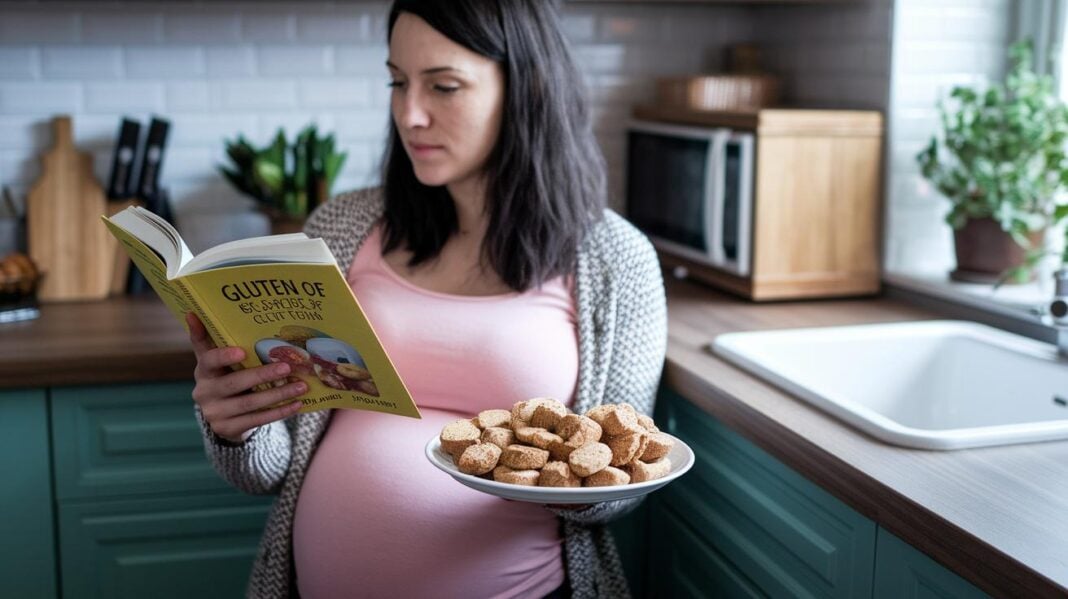
Have you ever thought that tweaking your diet a little might make your pregnancy feel even brighter? Even just a small bit of gluten could stop your body from getting all the good nutrients it needs right now. So, choosing gluten-free foods can give you a boost in energy and help you support a healthy development for both you and your baby.
This guide is here to share some friendly, clear tips to help you create a safe and nourishing meal plan. It’s all about embracing the benefits of gluten-free eating during this very special time.
Gluten-free guidelines for maternal nutrition: Empowering Health
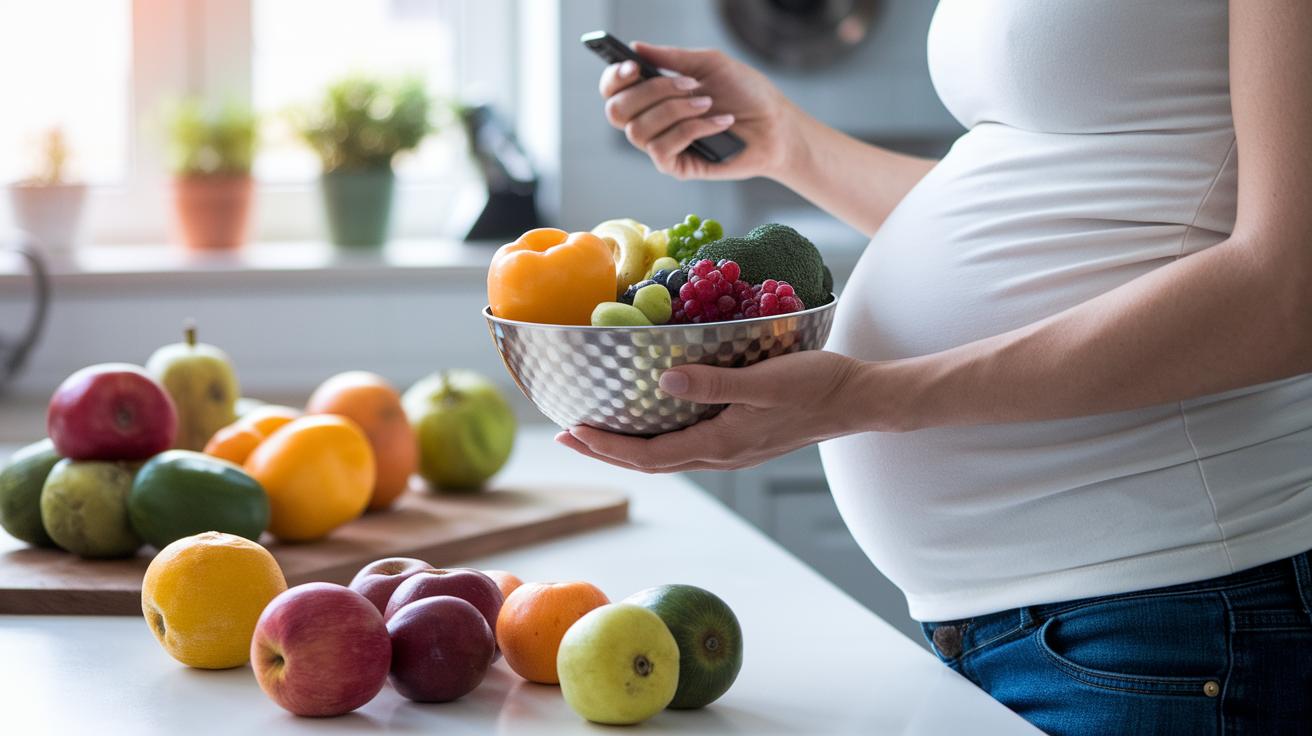
Pregnancy is a time when every bite matters, especially if you're sensitive to gluten or managing celiac disease. You’ll want to skip any food that might cause trouble, this means no wheat, barley, or rye, and being careful with hidden sources like dextrin, modified food starch, and mono- or diglycerides. Even a little gluten can make it tough for your body to absorb the right nutrients, so sticking to a gluten-free plan is really important for both you and your baby.
Gluten intolerance can show up at any time, even while you're pregnant. If you start to notice signs of sensitivity, switching completely to gluten-free foods can make a big difference. Every time you choose a safe, gluten-free option, you're helping boost your energy, ease digestion, and support a healthier pregnancy overall. Have you ever thought that swapping out just one common ingredient might help ramp up key nutrients like iron, zinc, and vitamins for your little one?
It’s also important to keep an eye on your weight gain during pregnancy. Your calorie needs can change based on your age, your trimester, or if you're expecting more than one baby. Keeping a simple food journal that notes your meals and confirms they’re gluten-free can be a real lifesaver. Regular catch-ups with your healthcare provider can also make sure your progress is on track and that you adjust your diet when needed.
Each meal is a chance to care for yourself and nurture your baby. By cutting out gluten completely and tracking what you eat, you’re taking caring, proactive steps toward a healthier, more energetic you, and giving your baby the best start possible.
Managing Essential Nutrients in a Gluten-Free Pregnancy
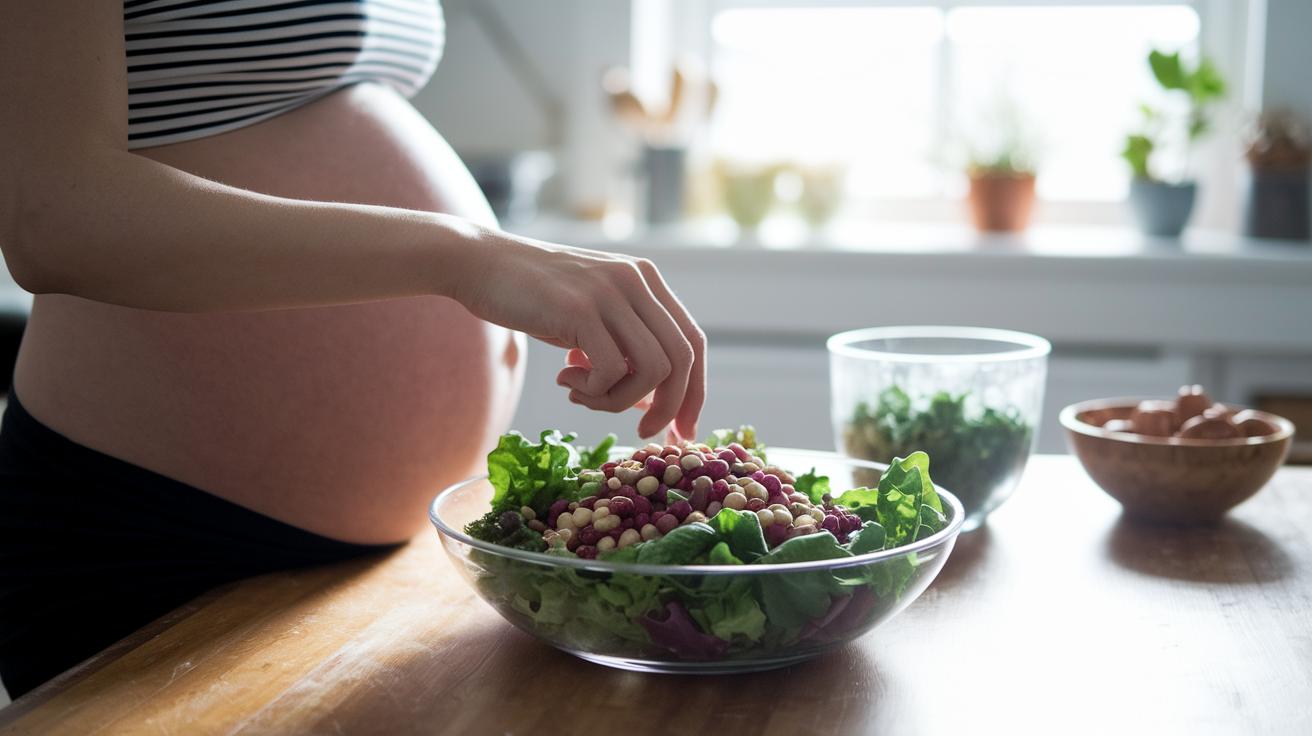
When you're following a gluten-free diet while expecting, it's important to make sure you're getting all the nutrients your body needs. Without many gluten-containing grains, you could miss out on key nutrients like B vitamins (especially folate), fiber, iron, and zinc. Gluten-free products often don't have the enriched flour found in regular items, so you may need to adapt your meals. For example, try adding a mix of leafy greens and beans to your salad for a bright boost of folate, which is key for helping prevent neural tube issues like spina bifida.
Aim for about 25 grams of fiber each day, and be sure to drink plenty of water to ease any pregnancy-related constipation. Also, lay special care on getting enough calcium, iron, zinc, and vitamin D. These nutrients help build strong bones, a healthy heart, and proper nerve development for both you and your baby. Extra iron is especially important to help your body make enough hemoglobin, which carries oxygen. Lean red meats, poultry, beans, lentils, and fortified gluten-free products can all be great sources of this need.
A little meal planning can go a long way for both your health and your baby's. It might be a good idea to talk with your healthcare provider about using prenatal care vitamins (Prenatal care vitamins – https://womensconference.org?p=10823) to fill in any gaps for B vitamins. With some thoughtful adjustments, a balanced, gluten-free diet can support a healthy pregnancy for you and your little one.
Safe Gluten-Free Substitutions and Whole Food Choices for Expectant Mothers
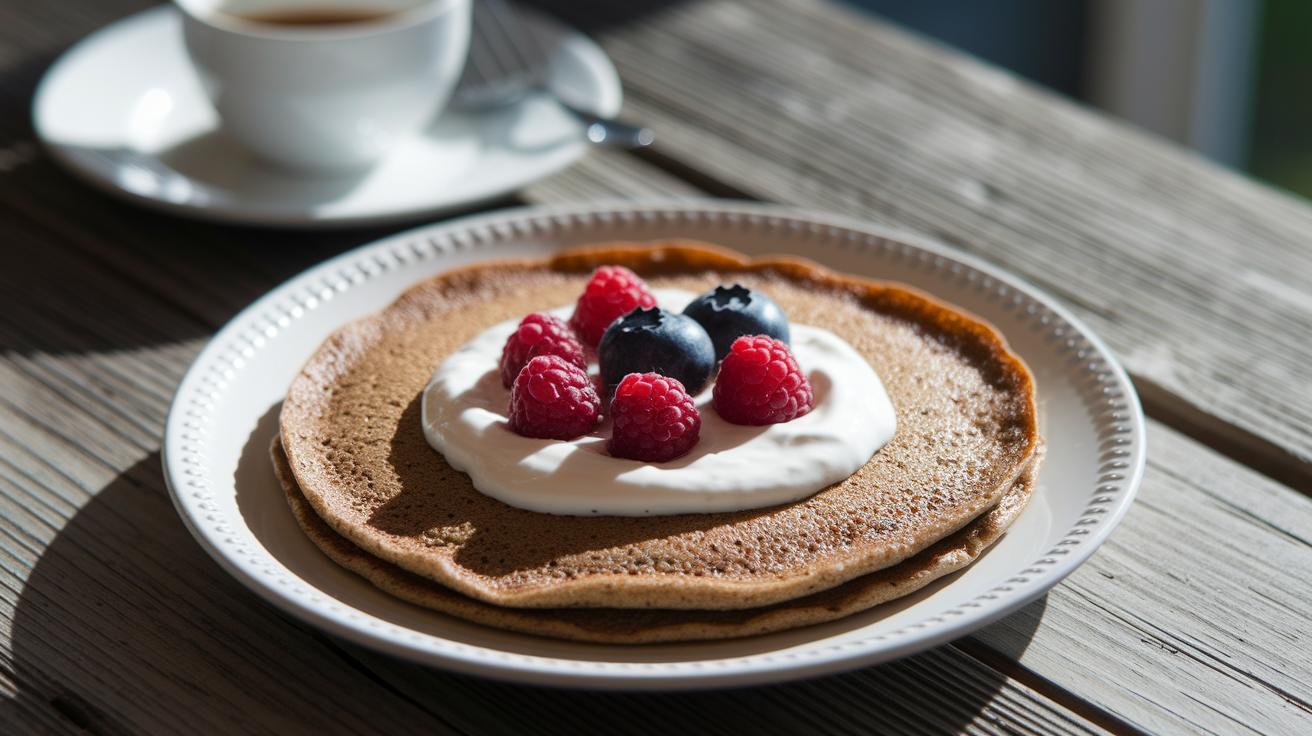
Many ready-made gluten-free products these days come loaded with extra sugar and unhealthy fats, which means they often miss the mark when it comes to real nourishment. Instead, why not invite whole-food gluten-free grains to your table? Think of using quinoa, buckwheat, millet, or chickpea flour in your recipes rather than relying on processed products. Imagine making a warm, savory buckwheat pancake that not only delights your taste buds but also brings essential vitamins and minerals to your meal.
Fermented gluten-free options like plain yogurt or kefir can be a real game changer for your digestion. They help your body soak up key nutrients while adding a good dose of fiber and protein, all without a pile of refined sugars. Have you ever noticed how a small change in your meal plan can make your day feel more vibrant? By choosing whole, unprocessed foods, you’re giving both yourself and your baby the best kind of fuel to support healthy growth and development.
| Gluten-containing Food | Safe Gluten-Free Alternative | Notes |
|---|---|---|
| Wheat bread | Millet or buckwheat bread | Higher protein, rich in fiber |
| Regular pasta | Chickpea or lentil pasta | Boosts protein & iron |
| Barley cereal | Gluten-free oats or quinoa flakes | Good for fiber & B vitamins |
| Wheat flour | Almond, coconut, or brown rice flour | Varied textures for baking |
| Rye crackers | Rice or tapioca crackers | Low sugar, light snack |
Meal Planning Strategies for Balanced Gluten-Free Maternal Diets
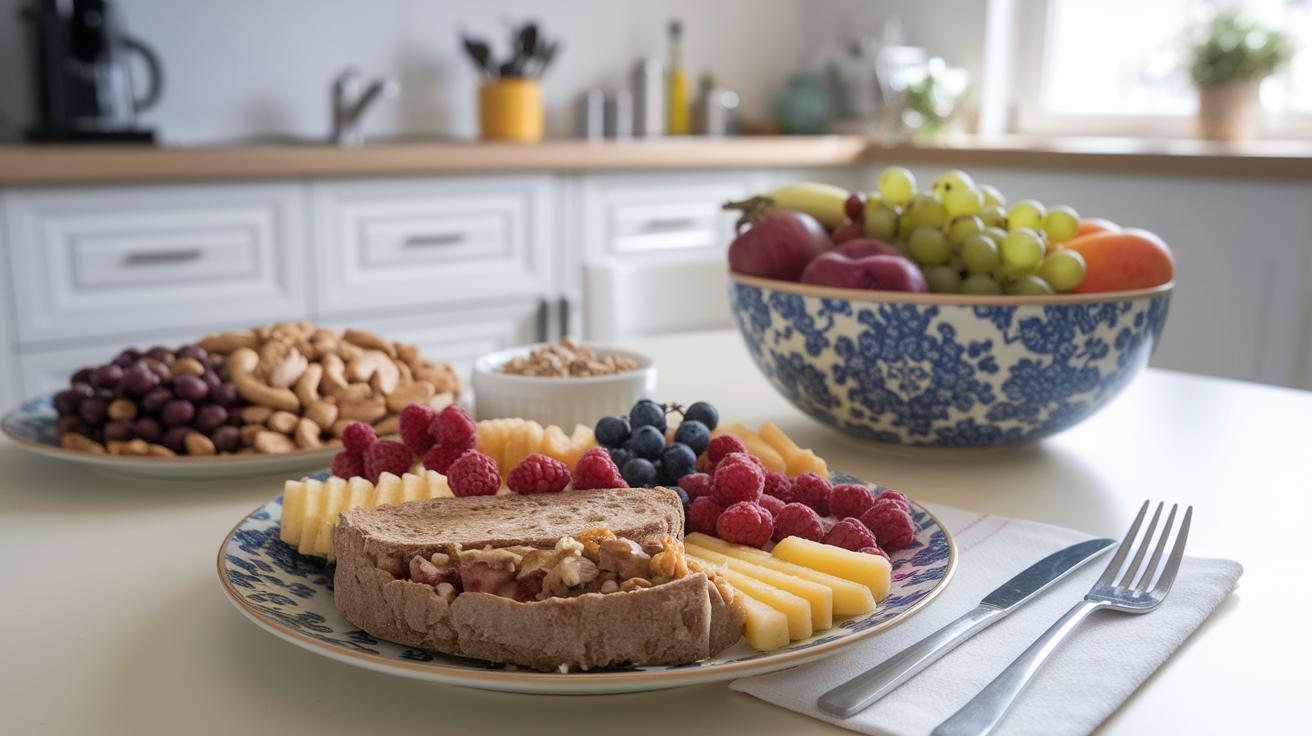
A simple daily meal plan can feel like a best friend during pregnancy. It helps keep your blood sugar steady and eases nausea. Begin your morning with a hearty gluten-free breakfast, then treat yourself to a little snack like a piece of fruit or a few nuts mid-morning. For lunch, pick foods rich in fiber, like a colorful salad with lean protein and plenty of vegetables. In the afternoon, have a light snack that keeps your energy up without overloading your tummy.
A well-planned menu along with helpful guides, like Getting Started on a Gluten-Free Diet: A Step-By-Step Guide, can make meal planning easier. These resources suggest enjoying three balanced meals and two or three snacks each day. Imagine putting together a menu that not only fills your belly but also supports your baby’s growth with every bite.
Don’t forget to drink plenty of water, too. Try to have at least eight 8-ounce glasses spread throughout your day. Sipping water not only helps move fiber-rich foods like whole gluten-free grains, fruits, and vegetables through your system but also supports your overall well-being.
This isn’t just about eating, it’s about setting up a routine that boosts your energy, aids digestion, and keeps your nutrient intake just right, all while limiting gluten. Stick with these steps, and you’ll enjoy the comfort and confidence that comes from eating well-planned, gluten-free meals.
Managing Gluten Sensitivity, Label Reading, and Contamination Risks During Pregnancy
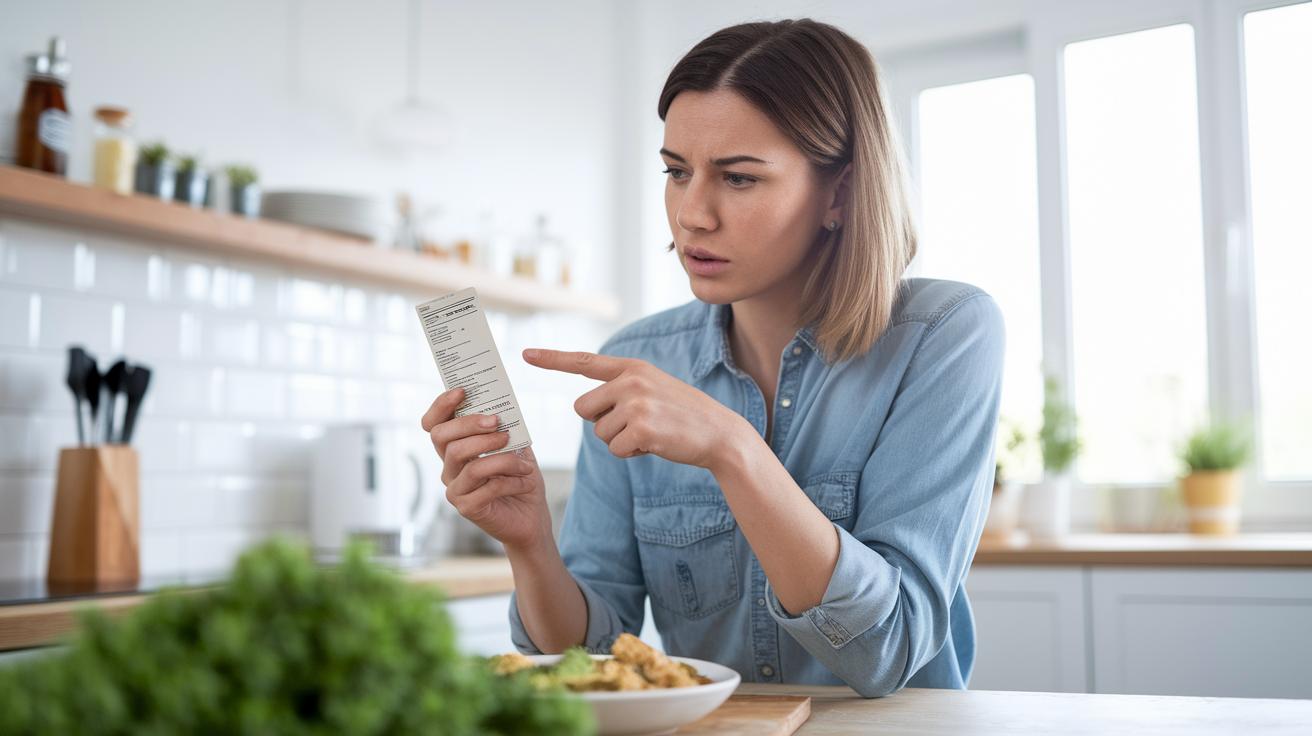
Reading Labels for Hidden Gluten
When you check food packages, take an extra moment to look over the ingredients list. Sometimes gluten hides in names like dextrin, modified food starch, or mono and diglycerides. These words might seem ordinary, but they could mean the food isn’t truly gluten-free. It helps to spot clear gluten-free labels or familiar certification logos that give you extra confidence. For example, if you see "dextrin" without a note saying it's safe, it might be a hidden source of gluten. This careful check can really put your mind at ease.
Preventing Cross-Contamination
Keeping your kitchen safe from cross-contamination is really important. Try to use different utensils, cutting boards, and cooking surfaces for gluten-free foods. A quick clean of these items can also help get rid of any lingering gluten. Creating a small, dedicated area for gluten-free meals makes it easier to avoid accidental mix-ups. And if you ever need a little snack when you’re feeling off, having plain gluten-free crackers or toast on hand is a comforting choice. These simple steps make every meal a safe and nurturing experience for you and your baby.
Monitoring Maternal Health and When to Seek Clinical Advice on a Gluten-Free Diet
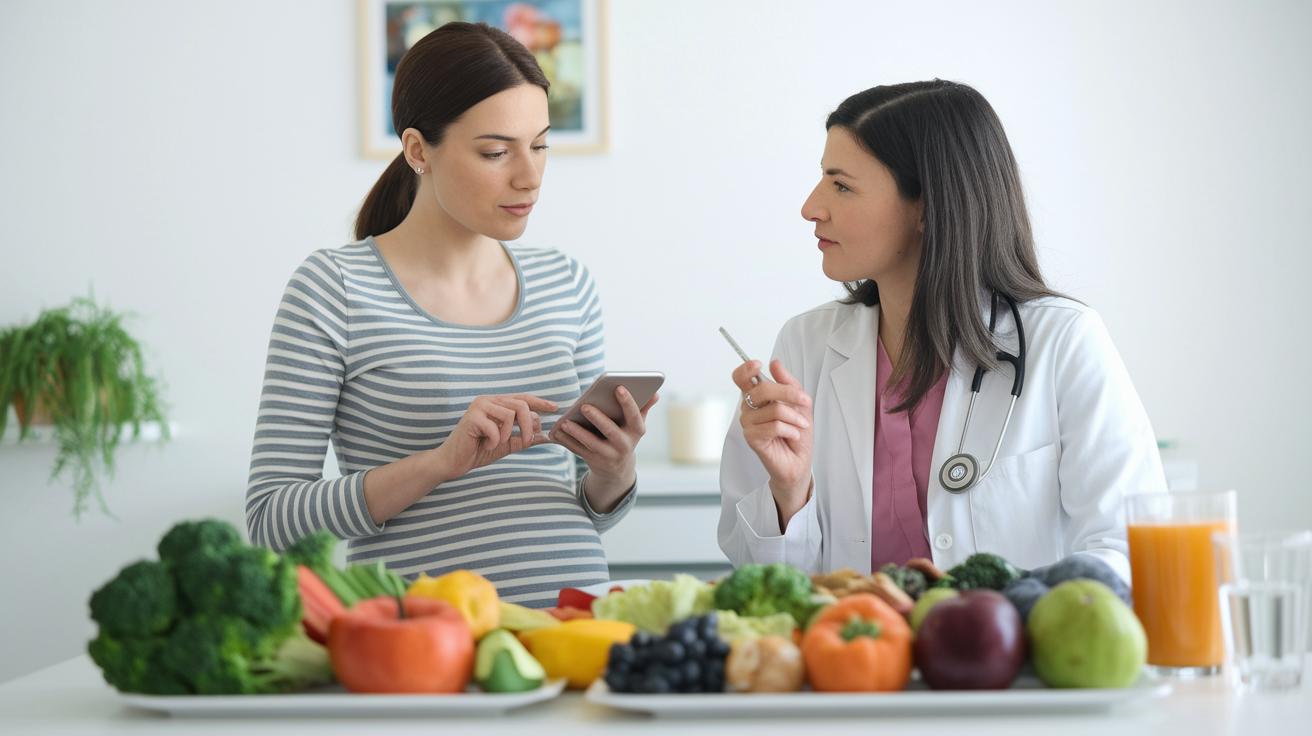
Keeping an eye on your health while enjoying a gluten-free diet is really important when you're expecting. Simple lab tests like a complete blood count (CBC) help you keep track of iron levels and your overall well-being. This is especially handy if you just found out you have celiac. And during your check-ups, your doctor will usually look at your weight and nutrient levels to make sure your diet is giving you and your baby the support you need.
Talking with a registered dietitian can be a game changer. They can offer you friendly advice and suggest gluten-free ingredient swaps that work for you. They also help adjust your diet based on your test results and daily meals so you stay on track. Remember to share updates with your healthcare provider and consider booking your next check-up with a Prenatal care appointment – https://womensconference.org?p=10892 to keep your pregnancy balanced and healthy.
Final Words
In the action, we tackled clear gluten-free guidelines for maternal nutrition, sharing practical swaps, smart meal planning, and simple steps to read labels and keep hidden gluten at bay. We broke down how to choose whole-food alternatives and how to safely manage kitchen practices for a healthier, balanced diet during pregnancy. These tips pave the way for a mindful routine that supports well-being and empowers both you and your baby. Keep embracing these Gluten-free guidelines for maternal nutrition and feel good as you nurture your journey ahead.
FAQ
How does a gluten-free diet affect pregnancy success?
A gluten-free diet supports pregnancy success by avoiding gluten, which helps minimize malabsorption issues for mothers with gluten sensitivity or celiac disease, ensuring both mother and baby get needed nutrients.
What should I do if I accidentally ate gluten while pregnant?
Accidentally consuming gluten during pregnancy may lead to digestive discomfort. Monitor your symptoms closely and speak with your healthcare provider to decide on appropriate care and adjustments.
What are gluten-free prenatal vitamins?
Gluten-free prenatal vitamins offer essential nutrients like folate, iron, and calcium without gluten, helping those who need a strict gluten-free diet maintain proper levels for fetal development.
What are the symptoms of gluten intolerance during pregnancy?
Gluten intolerance during pregnancy can cause bloating, stomach pain, and fatigue. These signs suggest it’s important to discuss your symptoms with your healthcare provider for personalized advice.
What gluten-free pregnancy snacks and meals are recommended?
Recommended gluten-free snacks include fruits, yogurt, and nuts, while meals might feature lean proteins, vegetables, and gluten-free grains like quinoa to provide balanced nutrition for mother and baby.
Where can I find nutritional requirements during pregnancy and lactation guidelines?
Nutritional requirements during pregnancy and lactation are detailed in downloadable PDF guides from major health organizations, offering clear steps for meeting increased nutrient needs during these times.
What are the FDA requirements for gluten-free foods?
The FDA sets the gluten-free label standard for foods to contain less than 20 parts per million of gluten, which helps keep products safe for people with celiac disease or gluten sensitivity.
What do the CDC recommendations say about nutrition during pregnancy?
The CDC recommends balanced meals rich in fruits, vegetables, lean proteins, and whole grains—modified to meet gluten-free needs—as part of regular prenatal care for healthy pregnancy outcomes.
What is a recommended nutritional guideline for pregnancy?
A recommended nutritional guideline for pregnancy stresses balanced meals that meet extra calorie needs and focus on key nutrients like folate, iron, calcium, and fiber to support maternal and fetal health.