
Have you ever noticed that when you eat might shape your whole day? If you’re expecting, planning your meals is more than just quieting your hunger, it’s about giving both you and your baby the right fuel. Think of each meal as a little stop on a long road trip, where every bite fills you up and supports your baby’s growth.
Skipping your first meal can leave you feeling drained and may even mess with your sleep. That’s why keeping a regular meal schedule might be just the secret to helping both you and your little one stay happy and energized.
How Meal Timing Influences Maternal and Fetal Health
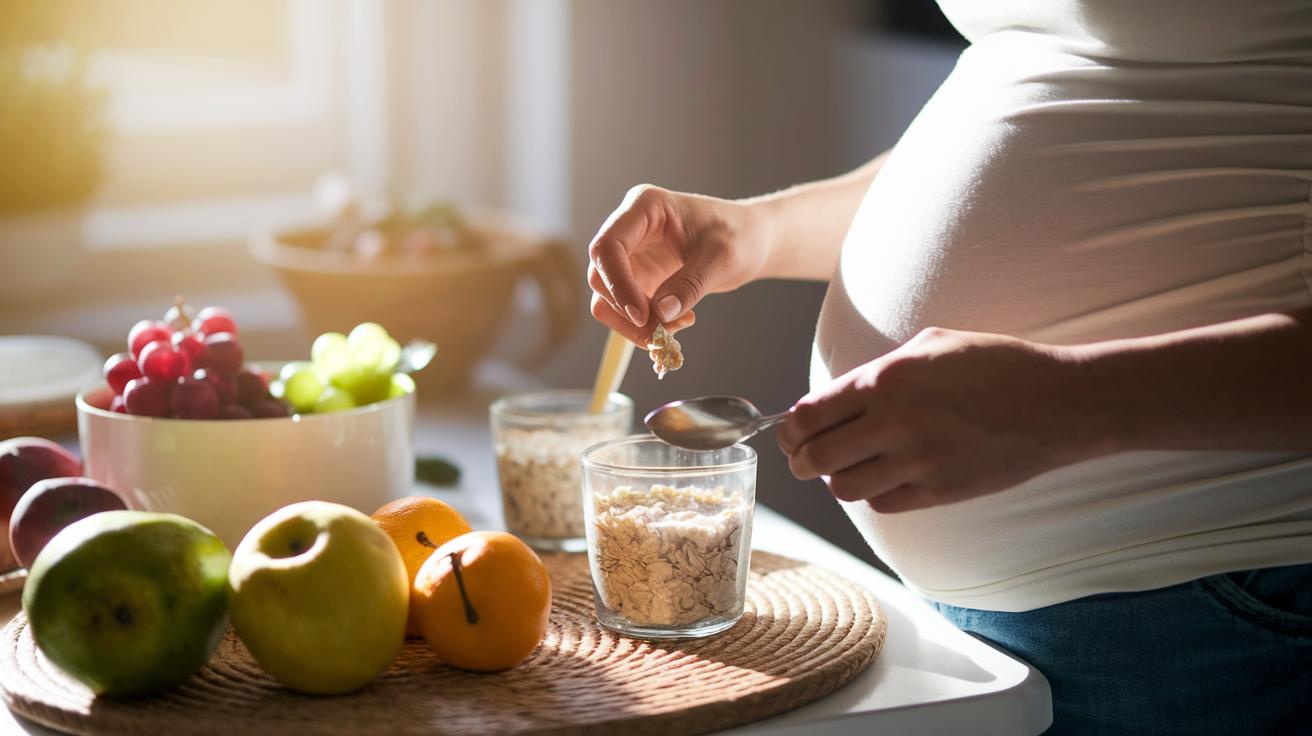
Meal timing is just about deciding when you eat throughout the day. It’s like planning your breakfast, lunch, dinner, and snacks so your body gets the right fuel when it needs it. For moms-to-be, it’s not only about satisfying hunger. It can affect your energy and even how your body handles blood sugar. Imagine waking up and waiting too long to eat. It’s a bit like leaving your car running on low fuel, you eventually notice the difference with a lag in energy and even sleep.
Skipping your first meal might even leave your sleep all out of whack. Research shows that moms who delay breakfast might end up eating more calories later. This can make mornings hectic, with earlier wake-ups on workdays and later nights when you get a chance to rest. When your body misses that early dose of nutrients, it can struggle to keep a steady flow of energy and balance hormones.
Eating regular, balanced meals also keeps your blood sugar steady. A smooth flow of nutrients helps prevent issues like iron deficiency anemia and many other tired days. Plus, having a consistent eating routine supports your baby’s growth. Your little one gets a steady dose of vitamins and energy, which is really important for development during pregnancy. In truth, sticking to a predictable meal schedule means you’re setting up both your own health and your baby’s well-being for the best chance at success.
Key Strategies for Optimal Meal Timing During Gestation

When you're pregnant, sticking to a regular meal schedule can really help keep your energy steady and ensure you're getting all the nutrients you need. Think of your meal times like stops on a road trip, each one gives you a burst of energy to keep you moving along.
It’s also interesting how different cultures handle meal timing. In some places, sharing meals with loved ones not only fills the stomach but also warms the heart. Maybe you enjoy a little mid-morning tea or a fruit break that feels like a comforting ritual, helping you keep your blood sugar balanced as you go through the day.
A few practical tips to keep in mind: try to fill your plate with lots of fruits, veggies, whole grains, lean proteins, and healthy fats. For example, a small bowl of yogurt with berries can work perfectly as a mid-afternoon snack, keeping you satisfied without any sudden sugar spikes.
And remember, cutting back on sugar and processed foods at these meal times can help smooth out your energy levels and make it easier for both you and your baby to absorb all the good nutrients.
Study Findings on First-Meal Timing, Caloric Intake, and Sleep Disruption in Pregnancy

There’s some new research that's really eye-opening. It turns out that if you wait a bit longer for that first meal after waking up while you’re pregnant, you might end up consuming more calories during the day and even notice a change in your sleep. Have you ever felt like a small tweak in your routine can shift your whole day?
The study looked at how the final meal before bed links with the amount of sleep you get. Researchers used numbers called regression coefficients to show this connection. For example, in the first trimester, a slight delay in meal timing was linked with a drop in sleep, reflected by a coefficient of -0.391. In one observation, just a brief delay tied in with fewer minutes of sleep, showing how our daily habits are closely connected.
| Trimester | Regression Coefficient (Last-Meal-to-Bedtime vs Sleep Duration) |
|---|---|
| First | -0.391 |
| Second | -0.293 |
| Third | -0.288 |
These clear numbers support the idea that meal timing plays an important role, not just in the calories you take in, but also in how well you rest during pregnancy. It's a gentle reminder of how interconnected our everyday choices can be.
Timing Micronutrients and Supplements for Enhanced Absorption

Finding the right time to take your vitamins can really help your body soak them up. For example, taking your iron between meals can prevent calcium (found in dairy) from getting in the way. And if you add a little vitamin C from foods like kiwi or bell peppers, your body can use the iron even better. Imagine mixing your supplement with a bit of citrus juice a couple of hours after breakfast, it’s like giving your body a gentle extra boost.
This simple timing trick not only meets your needs but also supports your baby's growth. By spacing out your supplements from your meals, you help your body focus on absorbing all the good nutrients without any battle between iron and calcium. It’s as simple as that.
Keeping a daily routine that fits your natural rhythm can make a big difference. For more friendly advice on vitamin timing, check out Prenatal care vitamins.
A few mindful tweaks like these can help keep your energy steady and support your overall well-being during pregnancy.
Barriers to Consistent Meal Timing in Maternal Nutrition

Busy days often throw off your planned meal times. Many moms-to-be are juggling work, family, and a host of daily tasks, which makes sticking to a set eating schedule really hard. And when things get hectic, it’s easy to miss a meal, leaving your energy all over the place and making it tougher to get the right nutrients for you and your baby.
Another big challenge is food security. Sometimes, families can struggle to find enough healthy, nutrient-rich foods because they’re too expensive or simply hard to come by. This can upset your careful plans for regular, balanced meals, which may affect both your well-being and your baby’s growth.
Cultural habits and everyday work routines also play a part in when and what you eat. In many communities, long-held traditions or specific job schedules mean meal times aren’t always consistent. This irregularity can make it harder to keep your blood sugar steady and ensure you’re getting balanced nutrients.
All of these real-life challenges remind us that despite our best planning, life often gets in the way of regular meals, a key part of staying healthy during pregnancy.
Practical Meal Timing Tips for Expectant Mothers

Creating a steady eating routine is a gentle way to keep your energy balanced while caring for both you and your baby. Try setting up your day with three main meals and two or three healthy snacks at regular times. For example, a bowl of yogurt with berries in the mid-morning is like a warm reminder that your body is lovingly taken care of.
You might find it helpful to use a timer or set an alert on your phone as a little nudge when it’s time to eat. These cues work like friendly whispers, much like your morning alarm gets you ready to start the day.
When you sit down to enjoy your food, take a moment to really notice its taste and texture. Choose a quiet spot away from distractions like screens, and savor each bite. It’s a simple way to transform mealtime into a peaceful moment just for you.
If you’re dealing with things like morning sickness or heartburn, don’t hesitate to adjust your meal times. Sometimes, smaller and more frequent meals can help ease discomfort while still giving you the nourishment you need.
It also helps to plan and prepare balanced, simple meals ahead of time. That way, even on busy days, you won’t go too long without refueling your body.
With these tips, your eating routine can be a manageable, nurturing way to support both your well-being and your baby’s growth.
Final Words
In the action, meal timing plays a big role in maternal health. We explored how eating at set times helps keep energy steady and supports nutrient needs for both mom and baby. You learned about the effects on sleep, nutrient absorption, and even small barriers that can be overcome with practical tips.
Remember the Importance of meal timing in maternal nutrition. Small changes in scheduling can lead to smoother days and a brighter outlook for both you and your little one.
FAQ
Q: What is the importance of nutrition during pregnancy and lactation?
A: Nutrition during pregnancy and lactation supports the mother’s health, boosts energy, and promotes proper fetal development, while ensuring the body has the nutrients it needs for a safe birth and quality milk production.
Q: What are the effects and symptoms of poor nutrition during pregnancy?
A: Poor nutrition during pregnancy can lead to fatigue, nutrient deficiencies, and anemia, which may result in reduced energy and potential complications for both mother and baby.
Q: What are the key nutritional requirements for pregnancy?
A: Key nutritional requirements during pregnancy include a balanced mix of vitamins, minerals, lean proteins, and whole foods. This helps support energy levels, blood sugar stability, and healthy fetal growth.
Q: Why is meal timing important during pregnancy?
A: Meal timing is important during pregnancy because regularly scheduled meals help keep blood sugar levels steady, support nutrient absorption, and promote better sleep patterns for both the mother and her baby.
Q: Is there a link between meal timing and glycemic control during pregnancy?
A: There is a link between meal timing and glycemic control during pregnancy, as structured meal intervals help stabilize blood sugar levels, which is crucial for maintaining overall maternal and fetal well-being.
Q: How can expectant mothers create effective meal timing routines?
A: Expectant mothers can create effective routines by having set times for three main meals and healthy snacks, using reminders to avoid long gaps, and adjusting schedules to manage symptoms like morning sickness.