
Ever thought your meals might bring a little extra happiness to your belly? Studies suggest that about 30 to 40 percent of your gut bacteria can change depending on what you eat. It’s like giving your body a fresh set of tools to work better. And when you pick the right foods during pregnancy, you're not just helping your digestion, you’re also setting a strong foundation for your baby's future health. This post shows how a balanced diet can boost your well-being by feeding the friendly bugs that keep your system running smoothly.
How Maternal Nutrition Shapes Digestive Health During Pregnancy
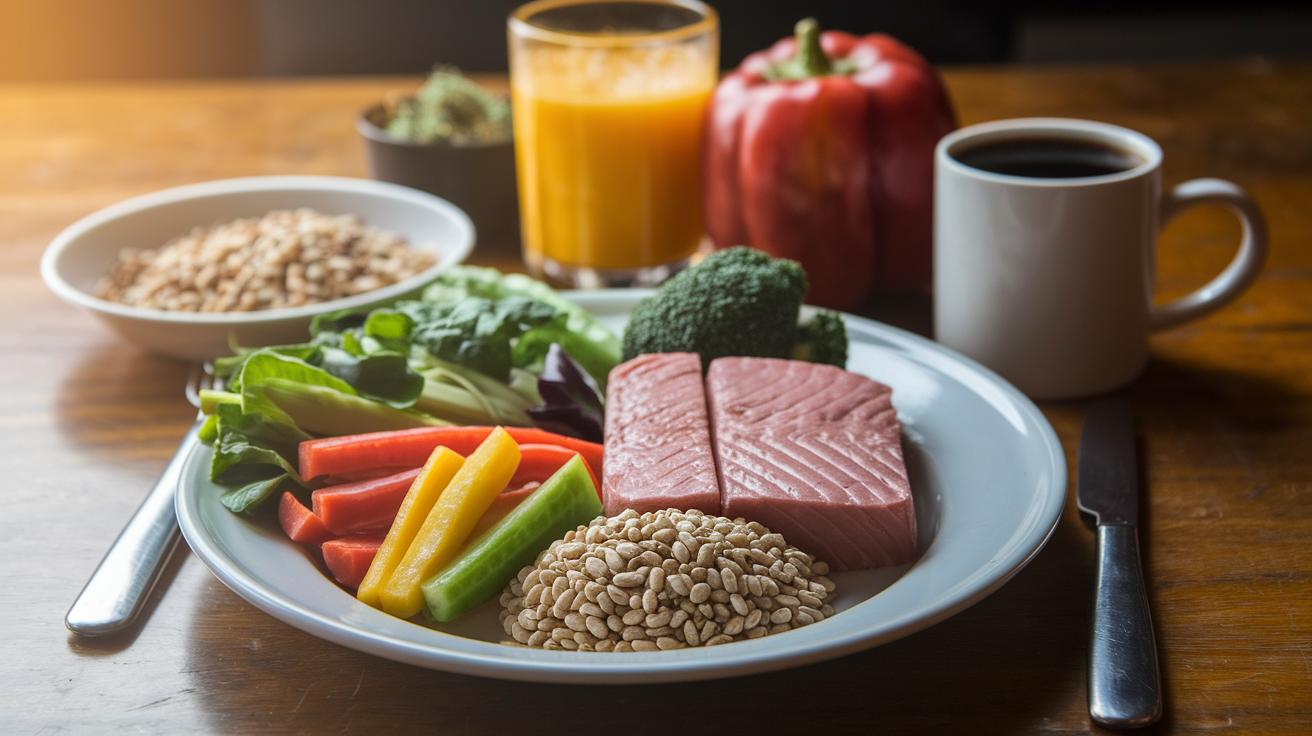
Have you ever noticed how what you eat helps shape your body’s tiny helpers? It turns out that about 30–40% of the bacteria in your gut can change just by switching up your diet. It’s kind of like adjusting a recipe, a little tweak can really change the whole flavor. When you choose the right foods, you create a good home for the friendly bugs that keep your digestion happy.
Think of it this way: a good meal plan boils down to three ideas, getting enough food, having a mix of it, and keeping it balanced. Getting enough means your body grabs the energy and nutrients it needs, while mixing things up brings in different vitamins and minerals. And keeping things balanced is all about matching the right amounts of carbohydrates, proteins, fats, and fibers. This simple way of eating not only supports your digestive health but also helps your body work better during pregnancy.
There’s another important part, too. What you eat now can shape your baby’s future health. For example, a gluten-free diet might help foster helpful bacteria like Akkermansia and Proteobacteria in your baby, which can be linked to a lower risk of diabetes and less inflammation. On the flip side, not eating a balanced diet might upset your baby’s gut health and affect how their body handles sugars and fats later on.
In the end, choosing your meals with care builds a healthier start for both you and your little one. Isn’t it amazing how every bite you take can be a step toward a brighter, healthier future?
Essential Nutrients for Maternal Digestive Wellness
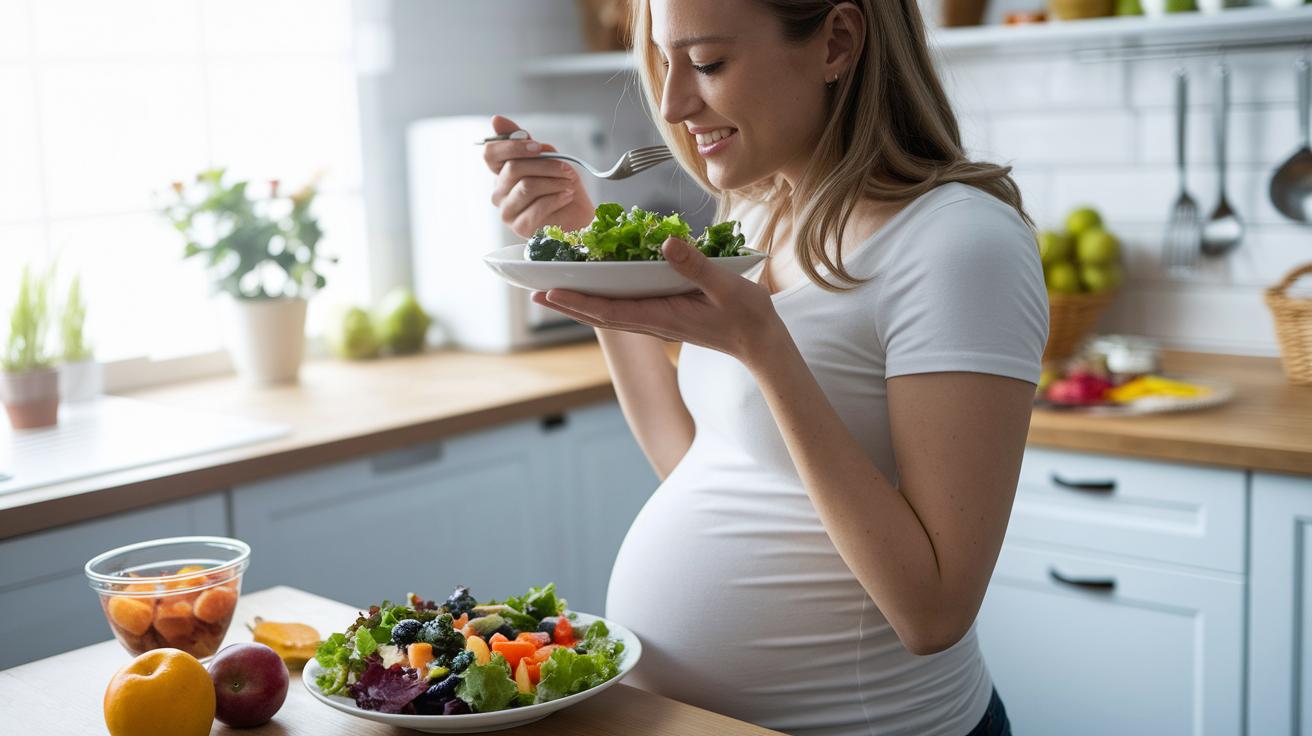
Protein should make up about 10–35% of your daily intake. Think of it as the building block that helps your baby grow and aids in making the digestive enzymes that break down your food. Enjoy lean meats, beans, and eggs, they not only taste good but also keep your system running smoothly during pregnancy.
Fiber is your friend when it comes to keeping things moving. Aim for about 25–30 grams a day by enjoying whole grains, fruits, and veggies. This simple step can help you avoid constipation and keep you feeling light and comfortable.
Iron plays a key role by helping your blood carry oxygen. Foods like lean red meats, spinach, and legumes work well, especially when paired with vitamin C sources like bell peppers or citrus fruits, which boost absorption.
Omega-3 fatty acids, especially DHA/EPA, are important too. You can find them in salmon or walnuts, and they help reduce inflammation and support your overall digestive health.
Folate is essential for your baby’s development, too. Try to get 600 micrograms daily from leafy greens, beans, and fortified cereals. And if you need a little extra help, your prenatal vitamins can fill in the gaps.
Calcium is crucial for strong bones and healthy muscles. Aiming for 1,000 mg a day is a good goal, and you can reach it by enjoying dairy products, fortified drinks, or leafy greens.
And don’t forget about water! Staying well-hydrated is key because water helps break down food and moves it along your digestive tract. Together with these nutrients, drinking enough water can keep your digestive system happy and healthy during pregnancy.
Prebiotics, Probiotics, and the Maternal Microbiome

Your gut is like a busy neighborhood filled with tiny helpers that break down your food and keep you feeling good. These little organisms, such as Bifidobacteria and Lactobacilli, work hard to help you digest and also give your immune system a boost. What you choose to eat can shape this community, meaning your food choices during pregnancy really matter for both you and your baby.
Prebiotics are the foods that feed these friendly microbes. Think of your body as a garden, where prebiotics act like natural fertilizer to help the good plants grow. Everyday foods like garlic, onions, asparagus, leeks, and bran can give your gut the right fuel to thrive. Adding these foods to your meals supports a balanced digestive system, which is so important during pregnancy's sensitive times.
Probiotics, on the other hand, bring live, beneficial bacteria straight to your gut. Foods like yogurt, miso, kefir, and kimchi are full of these helpful bacteria. By including them in your diet, you boost your levels of good microbes. These live bacteria team up with prebiotics to support both your digestion and immune system. This strong gut health can even influence your baby’s growing microbiome, giving your little one a healthy start and a resilient immune system for the future.
Managing Pregnancy Digestive Discomfort Through Diet

It’s common to feel tummy troubles during pregnancy. In the early months, you might experience a bit of nausea or light bloating, and later on, heartburn or that full feeling after eating can appear. Our bodies change a lot, and gentle tweaks to your meals can go a long way in keeping your digestion comfortable.
Try eating small, frequent meals. Instead of filling up on one big meal, having several light snacks can help calm acid reflux. Think of it like nibbling on a few tasty bites rather than one huge meal.
Also, notice which foods might be causing discomfort. Many moms find that spicy or fatty foods can set off symptoms, so it might help to steer clear of these if they bother you.
A warm cup of ginger tea can be a real lifesaver too. Just about 1 gram of ginger tea a day can ease nausea and bloating, offering a natural, soothing touch for your tummy.
Herbal teas, like peppermint or chamomile, are another gentle option. Their calming warmth can help settle your stomach after eating, making your meals feel a bit more peaceful.
Fiber-rich snacks can work wonders, too. Snacks like whole grains, fruits, or vegetables can help keep things moving along nicely, especially when paired with plenty of water (around 8 to 10 cups daily).
And don’t forget to take your time with your food. Eating slowly and chewing thoroughly can help reduce tummy discomfort and make digestion smoother.
By changing the pace of your meals and spacing them out evenly, you not only ease your digestion but also give yourself a chance to enjoy the little moments, making your pregnancy a bit more comfortable.
Gut-Friendly Meal Planning for Expectant Mothers
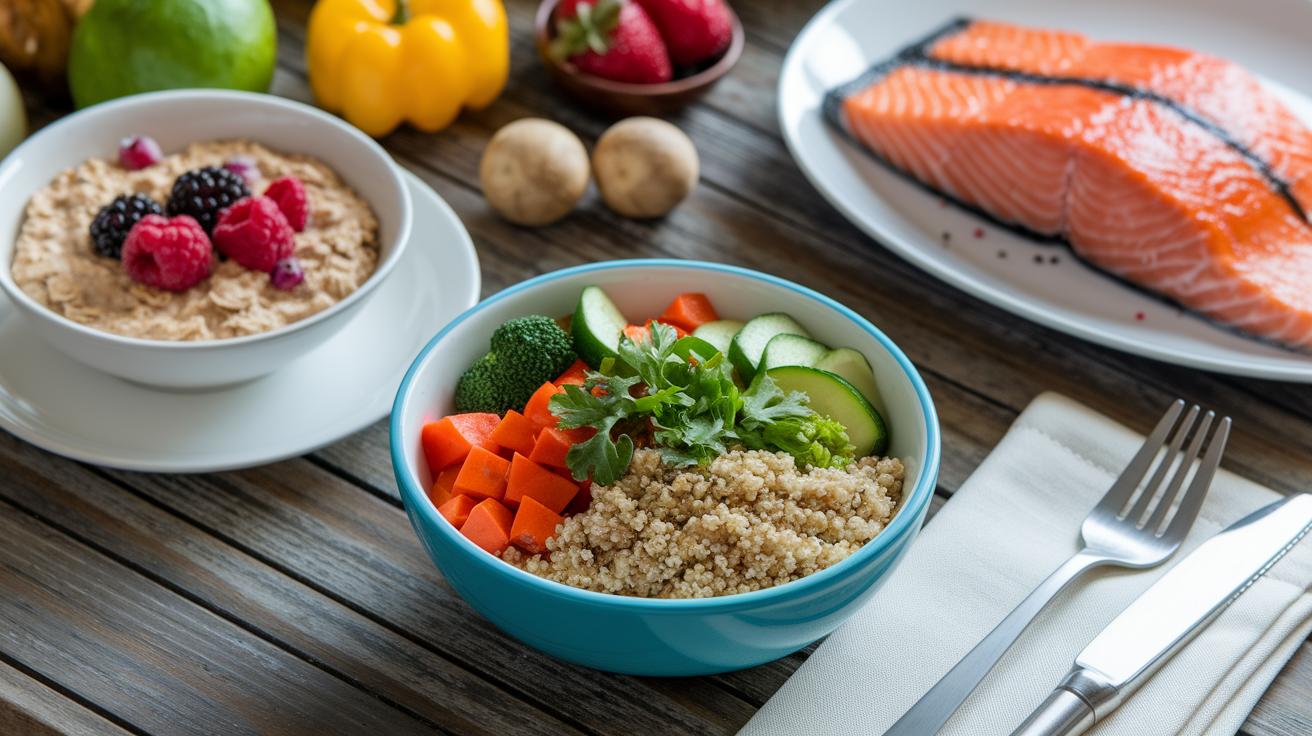
Planning your meals while you're expecting is a sweet chance to nourish both you and your little one. It helps you enjoy foods that support a smooth, happy tummy and overall well-being. When you mix fresh, seasonal fruits and veggies with nutrient-rich ingredients, you get the vitamins and fiber you need, all while keeping your digestion in check.
Cooking at home lets you take care of food safety in a simple way. Just wash your veggies well and cook proteins thoroughly, and you'll have tasty meals that feel good and do good.
Below is a sample meal plan that brings a gentle mix of fiber and nutrients for your gut:
| Meal | Ingredients | Digestive Benefits |
|---|---|---|
| Breakfast | Oatmeal with berries and flax seeds | Loads of fiber and natural antioxidants |
| Lunch | Quinoa bowl with roasted veggies and Greek yogurt | A fine mix of protein, fiber, and friendly probiotics |
| Dinner | Baked salmon, brown rice, and steamed spinach | Lean protein, omega-3s, and iron to boost energy |
| Snacks | Trail mix and apple slices with almond butter | Healthy fats with steady energy |
Choosing seasonal produce makes your meals tastier and more nutritious. And trying out new recipes at home can be a fun way to keep your tummy and overall health in check.
Long-Term Implications of Maternal Digestive Health on Child Outcomes
Eating well while you’re pregnant can help create a special mix of good bacteria in your baby. This tiny community plays a big part in lowering risks like diabetes and inflammation later on. It’s like following a secret recipe, a balanced, nutrient-rich diet gives your child the best start to a strong immune system.
After your baby arrives, your diet continues to play a key role. Adding more nutrient-dense foods can boost your milk supply, help you feel more energetic, and speed up your recovery. Imagine adding extra leafy greens and lean proteins to your meals to gently support both your body and your budding little one.
Studies show that keeping a healthy eating plan during pregnancy and continuing smart, postpartum meal choices can offer benefits that last a lifetime. A consistent focus on nourishing foods not only helps manage your weight after birth but also builds your child’s immune system over time. For more ideas and detailed meal plans, check out the maternal diet and wellness guidelines at WomensConference.org?p=11209.
Final Words
In the action of this discussion, we saw how maternal dietary choices can influence gut microbiota and digestive comfort. Mothers can benefit from balanced meals that deliver key nutrients while easing common digestive discomforts.
We also explored how incorporating prebiotics, probiotics, and mindful meal planning shapes both immediate and long-term health outcomes.
Keeping Maternal nutrition and digestive health at the heart of meal choices brings optimism for both mothers and their babies.
FAQ
Does mother’s gut health affect baby?
The effect of a mother’s gut health on the baby is clear. A healthy maternal gut helps shape the baby’s microbiome, supporting immune development and long-term well-being.
What is the impact of nutrition on maternal health?
The impact of proper nutrition on maternal health is wide-ranging. A balanced diet rich in proteins, fibers, and essential vitamins supports digestion, energy levels, and overall wellness during pregnancy.
What are the symptoms of poor maternal nutrition?
The symptoms of poor maternal nutrition include fatigue, digestive discomfort, and irregular bowel movements. These signs may point to nutritional gaps that could affect both mother and baby.
How does a pregnant mother’s nutrition impact her baby?
The way a pregnant mother eats directly influences her baby’s future health. A nutritious, balanced diet helps shape the baby’s gut microbiome, reduces health risks, and lays the groundwork for a stronger immune system.