
Did you know that what you eat every day can really help your baby grow? The food you choose is like a bridge that carries important nutrients to your little one. A healthy, balanced diet keeps your placenta strong, which can make your pregnancy smoother.
When you pick nourishing foods, you're taking care of both you and your baby. It’s a simple way to support your growing family, one bite at a time. Have you ever noticed how a small change in your meals can brighten your day? Every healthy bite truly counts.
How Maternal Diet Shapes Placental Health and Pregnancy Outcomes

Have you ever wondered how your daily meals affect your baby’s growth? When you eat well, every bite matters. The foods you choose help fill the placenta with the right nutrients to support your growing little one.
During pregnancy, your body needs more energy. By the second trimester, you might need about 340 extra calories a day. Then in the third trimester, this goes up to around 452 extra calories a day. These extra calories help both your baby and the hardworking placenta, which acts like a bridge delivering nourishment.
Eating a balanced diet, along with prenatal care vitamins (prenatal vitamins mean extra support during pregnancy), is really important. Nutrients like protein, fiber, vitamins, and minerals not only help build your baby’s tissues but also keep the placenta healthy. And when your placenta is healthy, it sets the stage for better pregnancy outcomes.
Essential Micronutrients and Macronutrients for Placental Function
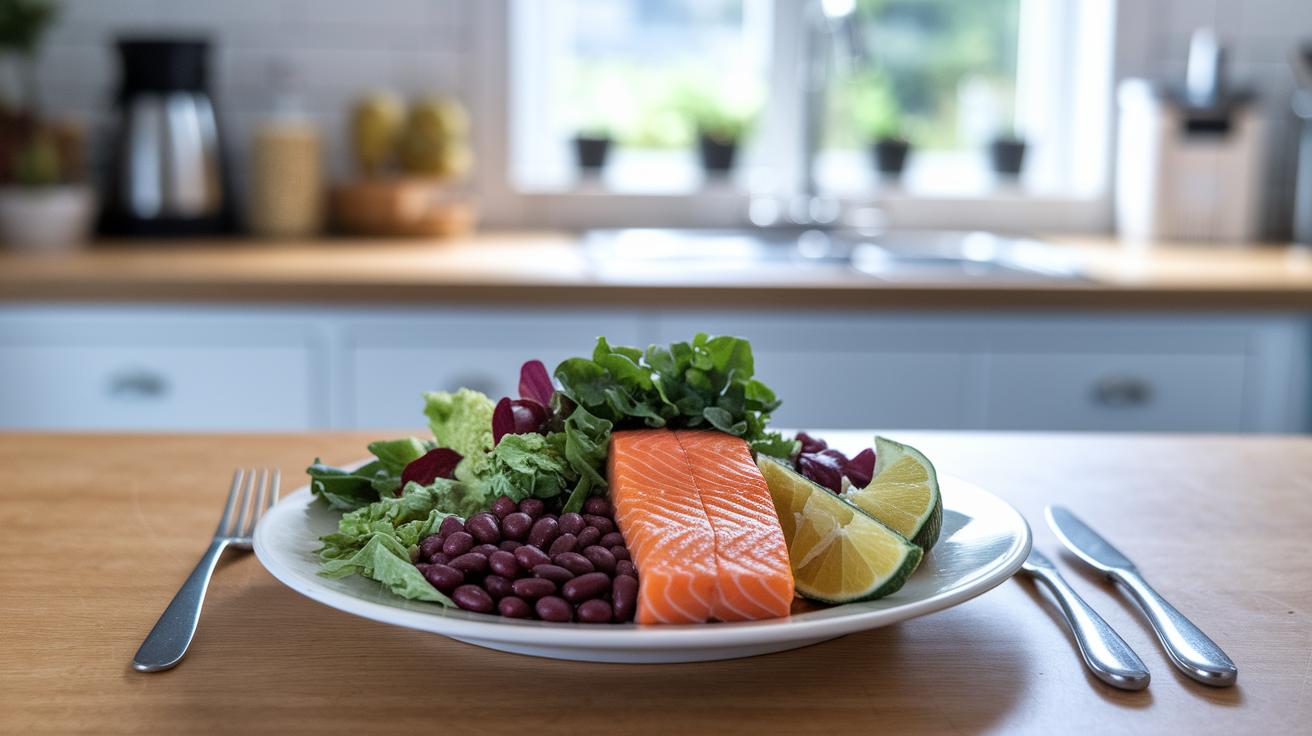
Folate, iron, calcium, and omega-3 fatty acids all work hand in hand to help your baby's placenta thrive. Think of folate as the friendly builder that helps form strong blood vessels in the placenta. Even a small boost in folate can make a big difference in blood flow for your baby.
Iron is like a trusty delivery service, making sure oxygen gets where it needs to be, both to the placenta and your developing baby. When you get enough iron, you not only feel more energized, but you also help ward off common tiredness during pregnancy.
Calcium is crucial too. It helps form your baby’s bones just right, giving a solid framework for healthy growth. And then there are omega-3 fatty acids. They help keep inflammation in check and support your baby’s brain development. Imagine them as gentle helpers that smooth out rough edges and boost overall wellness.
Many expectant moms around the world see real benefits from including these nutrients in their diets. In some regions, a nutrient-rich diet is linked to healthier babies and fewer growth issues, especially for moms with lower weights before pregnancy. Every meal and snack is a chance to care for yourself and your baby.
Below is a table showing the recommended daily amounts of these nutrients and where you can find them:
| Nutrient | Recommended Daily Intake | Common Food Sources |
|---|---|---|
| Folate | 600 mcg DFE | Leafy greens, legumes, fortified cereals |
| Iron | 27 mg | Lean red meats, beans, fortified cereals |
| Calcium | 1000 mg | Dairy products, fortified plant milk, leafy greens |
| Omega-3 Fatty Acids | ~300 mg DHA | Fatty fish, walnuts, flaxseeds |
Taking care of these nutrient needs can help create a warm, healthy environment for both you and your baby. Have you ever noticed how little changes in your diet can lead to big improvements in your overall well-being?
Supplementation Strategies to Enhance Placental Nutrient Delivery

New research shows that adding specific supplements can help your body store extra nutrients for your baby. This extra boost can sometimes do even more than a regular, healthy diet. For instance, younger moms or those with fewer resources may see a real difference in how well nutrients reach the placenta.
It helps to tie your supplement routine into your daily life. Some moms find that using a pill organizer makes a big difference. One mom even shared, "I set my phone alarm at breakfast time to remind me of my supplement; it’s become a natural part of my day." Such tips can make it easier to take your supplements without missing a dose.
And remember, your healthcare provider is there to give you advice based on your personal needs. They can help create a plan that fits your health and diet, ensuring you get the right support without just following the standard rules.
Balanced Pregnancy Meal Planning for Optimal Placental Support

Eating a balanced diet during pregnancy is all about supporting a strong placenta and helping your little one grow. You want to include lean proteins, whole grains, dairy or plant-based alternatives (those that are fortified), fresh fruits, veggies, and healthy fats. This mix helps keep your blood sugar steady and makes sure your placenta gets the constant flow of essential nutrients it needs.
A really helpful tip is to space out your meals and snacks throughout the day. Imagine starting your morning with a warm bowl of oatmeal topped with berries and a handful of nuts. At lunchtime, you could enjoy a lean turkey wrap with a crisp apple, followed later by whole grain crackers with cheese or a yogurt with fruit as a nourishing snack.
Adding healthy fats, like those in avocados and olive oil, can boost your energy and help your body soak up important vitamins. Even if you have plenty of food available, eating meals that are balanced and well-planned can make a big difference. By planning your meals consistently, you ensure that both you and your baby get the right nutrients to thrive.
Advancements in Research on Placental Health and Maternal Diet

Did you know that the food you choose while pregnant can shape your health and your baby’s well-being for many years? Early studies, like one from 1986 by Barker and Osmond, showed that if a baby isn’t nourished well in the womb, it might lead to a higher chance of heart problems later on. It’s almost like the nutrients you get start little switches in your body that influence your child’s future health.
When moms don’t get the best nutrition, it can change things like metabolism and hormone levels. This, in turn, can affect how the placenta works. Think of the placenta as a gentle helper, passing along vital nutrients, if its tune is off, it might set up a life that faces extra challenges like heart issues. It’s a bit like tuning a musical instrument; even a small misadjustment can change the whole tune.
Recent research has taken a closer look at this idea by studying how specific nutrients might turn gene “switches” on or off in the placenta. Imagine a tiny panel of switches that program your baby’s metabolism. Scientists now believe that if moms eat a balanced diet, these gene switches can be adjusted to steer the baby’s growth in a healthier direction.
All this evidence keeps building the case that careful attention to your diet during pregnancy matters. Not only can it smooth out the journey through your pregnancy, but it can also offer lasting health benefits for both you and your little one.
Final Words
In the action, you've seen how a balanced prenatal diet supports placental function and overall pregnancy outcomes. The blog shared insights on the roles of key nutrients, the timing of supplementation, and practical meal planning. It showed how our choices during pregnancy impact both maternal well-being and fetal growth.
Every step counts in supporting maternal nutrition and placenta health. With the right guidance and community support, you can embrace a nurturing path toward a healthier future.
FAQ
How does maternal nutrition affect maternal and fetal health?
The statement “maternal nutrition affects maternal and fetal health” means a balanced diet helps support your body and your baby’s growth by delivering essential nutrients through the placenta, ultimately promoting healthy development.
What nutrition during pregnancy supports the placenta?
The idea behind “nutrition that supports the placenta” is that choosing nutrient-rich foods like fruits, vegetables, lean proteins, and healthy fats along with prenatal care vitamins boosts placental function and helps deliver nutrients to your baby.
Why is maternal nutrition important in pregnancy?
Emphasizing “maternal nutrition is important” reflects that a good diet not only nourishes you but also underpins placental health and fetal growth, reducing risks for issues like low birth weight.
How can you increase nutrients to the placenta?
The concept “increasing nutrients to the placenta” involves boosting your intake of essential vitamins and minerals by planning balanced meals and using targeted supplements, which supports efficient nutrient delivery to your baby.