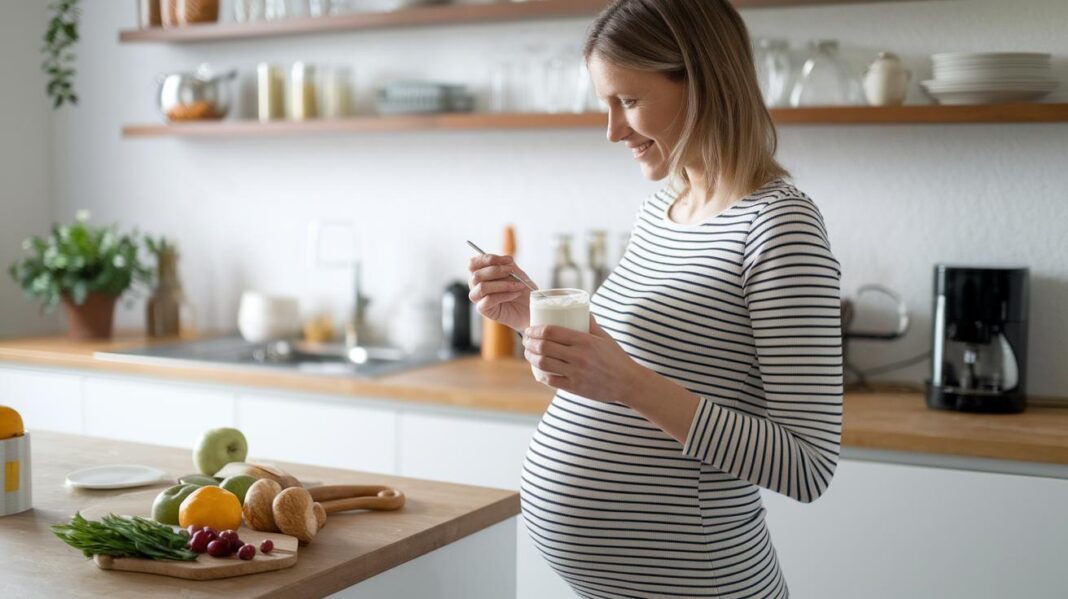
Have you ever wondered if the food on your plate could help you feel happier and healthier? Foods like garlic, onions, and asparagus offer natural prebiotic fibers (they help feed the good bacteria in your gut). These good bacteria can make it easier to sleep well, digest food properly, and even boost your mood.
This gentle boost helps you feel your best. It also sets a strong foundation for your baby’s well-being from the very start. Imagine the simple change of adding these everyday foods to your meals and noticing a difference in your overall health.
Prebiotic foods for maternal nutrition fuel happy health
Prebiotics are fibers that our bodies can’t break down, and they help feed the good bacteria in our tummies. For example, garlic, onions, asparagus, leeks, and bran are like little snacks for these friendly germs. Have you ever thought about it? Our gut actually holds nearly 100 trillion microorganisms, weighing around 4.5 lbs. These tiny helpers work hard to support sleep, digestion, metabolism, blood sugar control, immunity, mood, brain health, and even the thyroid.
Eating a healthy diet before and during pregnancy not only makes moms feel better, but it also helps shape the baby’s early life. Babies absorb these helpful bacteria during birth, through the placenta, the umbilical cord, breastmilk, and even by a gentle skin touch. This natural sharing can lower the chance of food allergies, eczema, diabetes, and even a bit of inflammation when they’re little.
Mixing in a variety of prebiotic-rich foods is a simple way to keep your meals fiber-packed and gut-friendly. Whether you’re expecting or have just had your baby, you might notice improved digestion and overall well-being, all while laying a strong, healthy foundation for your child’s future.
Top Prebiotic-Rich Foods for Maternal Diet
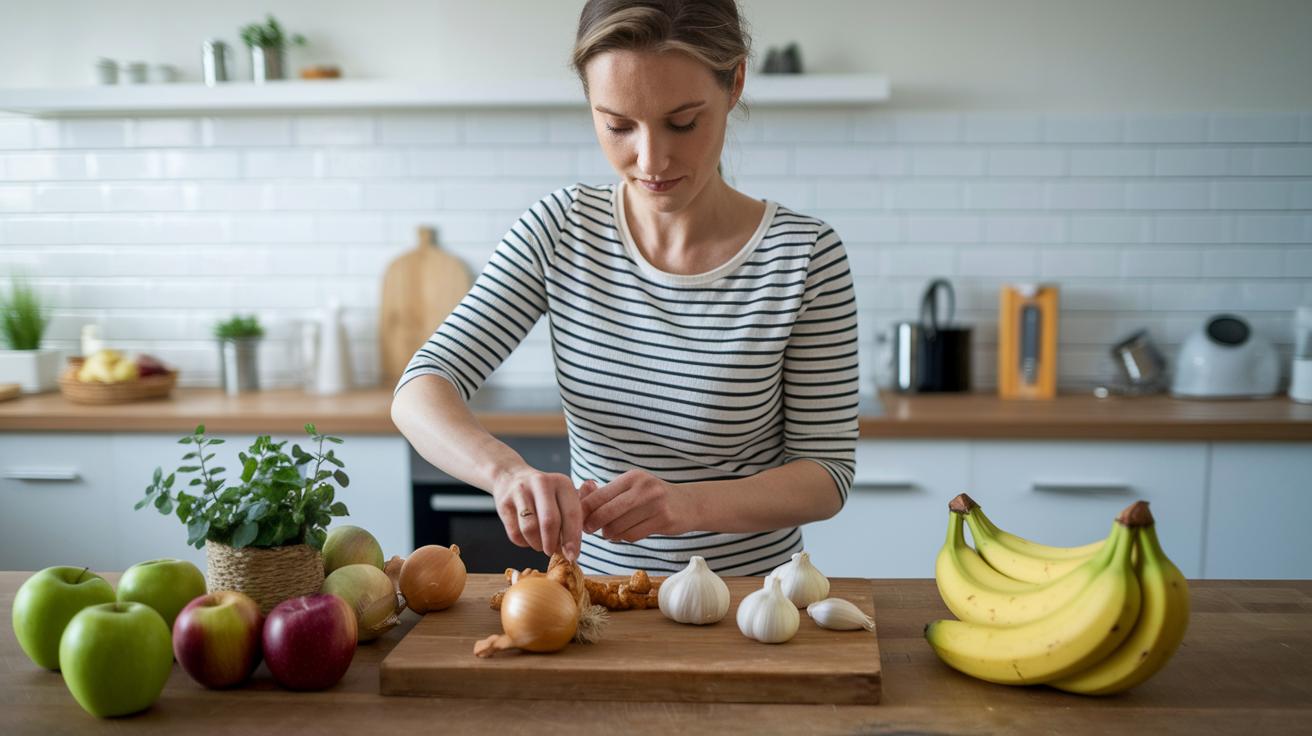
Good gut health is important for moms and their little ones. Prebiotic foods give your tummy some help by feeding the good bacteria that support smooth digestion and overall wellness. Think about foods like artichokes, bananas, asparagus, apples, onions, garlic, leeks, and chicory root. They each pack a special type of fiber, like inulin, fructooligosaccharides, and fructans, that work together to keep your gut balanced.
It’s really easy to add these foods into your daily meals. You might toss a few apple slices into your morning oatmeal, blend a banana in a smoothie, or enjoy steamed asparagus at dinner. Every little bit helps. For instance, artichokes are full of inulin, and chicory root is a great source of fiber, too. Even small servings of garlic and onions can make a big difference in your digestion. Mixing a few of these prebiotic picks in your meals supports healthy digestion, helps manage blood sugar levels, and boosts nutrient absorption. For more ideas on nutrient-rich prebiotics, you can take a look at Superfoods for maternal health.
| Food | Prebiotic Type | Fiber (g per serving) |
|---|---|---|
| Artichoke | Inulin | 6.9 |
| Banana | Fructooligosaccharides (FOS) | 2.6 |
| Asparagus | Inulin | 2.1 |
| Apple | Pectin | 4.4 |
| Onion | Fructans | 1.9 |
| Garlic | Fructans | 0.9 |
| Leek | Fructans | 1.7 |
| Chicory root | Inulin | 8.4 |
These wholesome, plant-based foods can really brighten up your diet. Try stirring some chopped onions and garlic into a warm stew or topping your cereal with sliced banana. The natural fibers in these choices help set up a balanced gut that keeps your energy steady all day long. Every serving is like a little boost, making sure you feel nourished and ready for whatever your day brings.
Health Benefits of Prebiotic Foods in Maternal Nutrition
Adding prebiotic foods like garlic, onions, and bananas into your meals can really help lower your risk of gestational diabetes and calm down inflammation. These natural goodies support a healthy system for moms and gently shape a bright start for your baby’s gut. Imagine stirring a spoonful of chicory root powder into your morning smoothie, it's like treating your tummy to a little boost while you enjoy a tasty drink!
It’s a good idea to watch out for too much sugar, preservatives, and artificial sweeteners because they can encourage the wrong kind of microbes. A diet loaded with natural fibers (think whole, rich foods) and low in refined additives can make a big difference. This way, your body absorbs nutrients better and keeps blood sugar levels steady. For more tips and ideas on the power of fiber, check out "Importance of dietary fiber in maternal nutrition" at https://womensconference.org?p=12463
Recommended Intake and Safe Dosage of Prebiotic Foods for Expectant Mothers
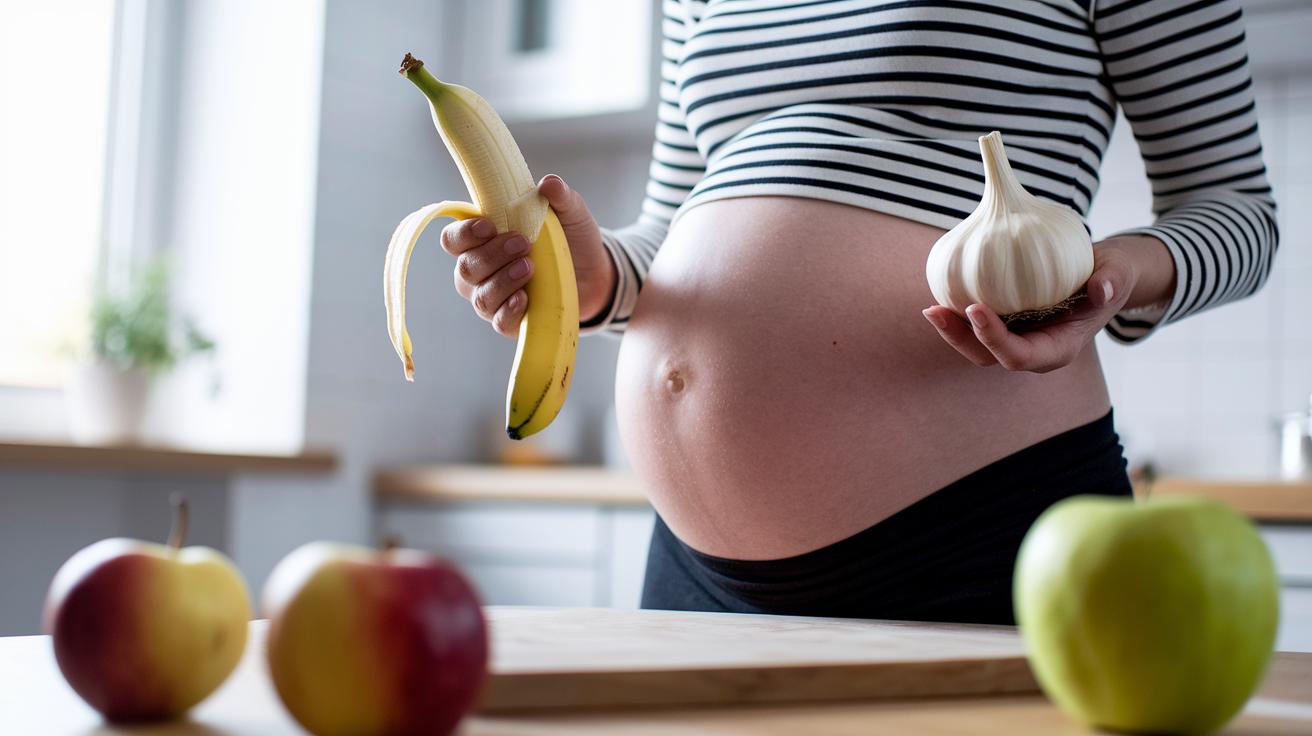
Top obstetrics experts recommend that moms-to-be enjoy around 25 to 30 grams of fiber each day, with about 5 to 10 grams coming from prebiotic foods. This balance gives your body the fiber it needs while nurturing the friendly gut bacteria that help keep your digestion smooth and your nutrient absorption on track.
It’s a good idea to slowly add more prebiotic-rich foods to your meals over one or two weeks. For example, you might sprinkle a little chopped garlic into your favorite soup or mix some sliced banana into your morning cereal. Taking it slow makes the change gentler on your stomach and helps you avoid unwanted gas and bloating.
Even after your little one arrives, sticking with these fiber-packed foods can support your digestive recovery and might even help with milk production. Sometimes, a small tweak in your diet can make a big difference for both you and your baby. Isn’t it wonderful how caring for your gut can nurture both of you?
Meal Strategies and Recipes Incorporating Prebiotic Foods
Looking for fun and tasty ways to add prebiotic foods to your meals? Try tossing some raw garlic or onion into your salad or dressing. They give your dish a zesty flavor while being kind to your tummy. And how about mixing bananas with apples in a smoothie? Imagine a cool, refreshing drink that not only delights your taste buds but also gives your digestion a little lift. Steaming asparagus and leeks on low heat with a bit of water helps keep their delicate fibers intact. You can also stir a small pinch of chicory root powder into a yogurt alternative for a creamy, heartening snack.
Next, think about blending artichokes into a dip for your next family get-together. They go perfectly with crunchy veggies or mixed into a whole-grain side dish, making each bite a boost to your well-being. You can also combine pulses, whole grains, and prebiotic veggies to create a balanced meal full of fiber that keeps your energy steady all day long.
Simple cooking tricks, like using low temperatures to keep those good fibers, let you enjoy all the natural benefits these foods bring. Often, a small tweak in your recipe can add a cheerful burst of flavor and nutrition to your table.
Sample 1-Day Prebiotic Meal Plan
- Breakfast: Banana–oatmeal porridge with sliced apple (1 cup oats, ½ banana, ¼ cup diced apple)
- Lunch: Asparagus–leek soup with whole-grain toast (1½ cups soup, 1 slice toast)
- Snack: Artichoke dip with carrot sticks (½ cup dip, 1 cup veggies)
- Dinner: Bean and garlic–onion sauté over brown rice (1 cup beans, 1 cup rice)
Final Words
In the action, we explored prebiotic foods for maternal nutrition, breaking down how these fibers help support gut health during pregnancy and postpartum. We covered their role in easing digestion, managing blood sugar, and supporting immunity. You learned which foods shine as key sources, safe ways to enjoy them, and practical meal ideas to add fiber without discomfort.
This guide offers real, everyday steps to enrich your diet with prebiotic foods for maternal nutrition while keeping you and your little one healthy and happy.
FAQ
What is the difference between prebiotics and probiotics?
The prebiotics versus probiotics distinction is that prebiotics are non-digestible fibers that feed beneficial gut bacteria, while probiotics are live bacteria that support a healthy gut.
What are some examples of probiotic and prebiotic foods?
The list of probiotic and prebiotic foods includes garlic, onions, asparagus, artichokes, bananas, apples, and yogurt, with yogurt providing live beneficial bacteria and the others supplying fiber.
What food is highest in prebiotics?
The food highest in prebiotics is chicory root, which contains around 8.4 grams of inulin per serving, making it a rich source of nondigestible fiber.
Can I eat prebiotics during pregnancy, and what is the best prebiotic for pregnancy?
The prebiotics for pregnancy support gut and infant health; expectant mothers can safely enjoy fiber-rich foods like garlic, onions, and bananas while gradually increasing intake to around 5–10 grams per day.
Are prebiotics good for breastfeeding?
The prebiotics during breastfeeding promote balanced digestion and overall gut health, which can also help support milk production and nurture the baby’s microbiome.
What are prebiotic supplements?
The prebiotic supplements are products that provide nondigestible fibers to boost the population of beneficial gut bacteria, offering a convenient option when dietary intake needs support.
Is yogurt a prebiotic or probiotic?
The yogurt is a probiotic, as it contains live bacteria that help improve gut health rather than providing the fibers that feed those bacteria.