Have you ever wondered when your baby might be ready for more than just milk? It’s a common question that many parents ask. When you notice your baby holding their head up a bit better and putting on a little extra weight, these are good hints they might be ready to try something new. It’s like opening the door to a whole world of flavors in a gentle and safe way.
Today, we’re sharing simple tips to help you switch to solid foods without any extra stress. Imagine it as a new, fun adventure for both you and your little one.
Determining the Right Time to Introduce Solid Foods to Infants
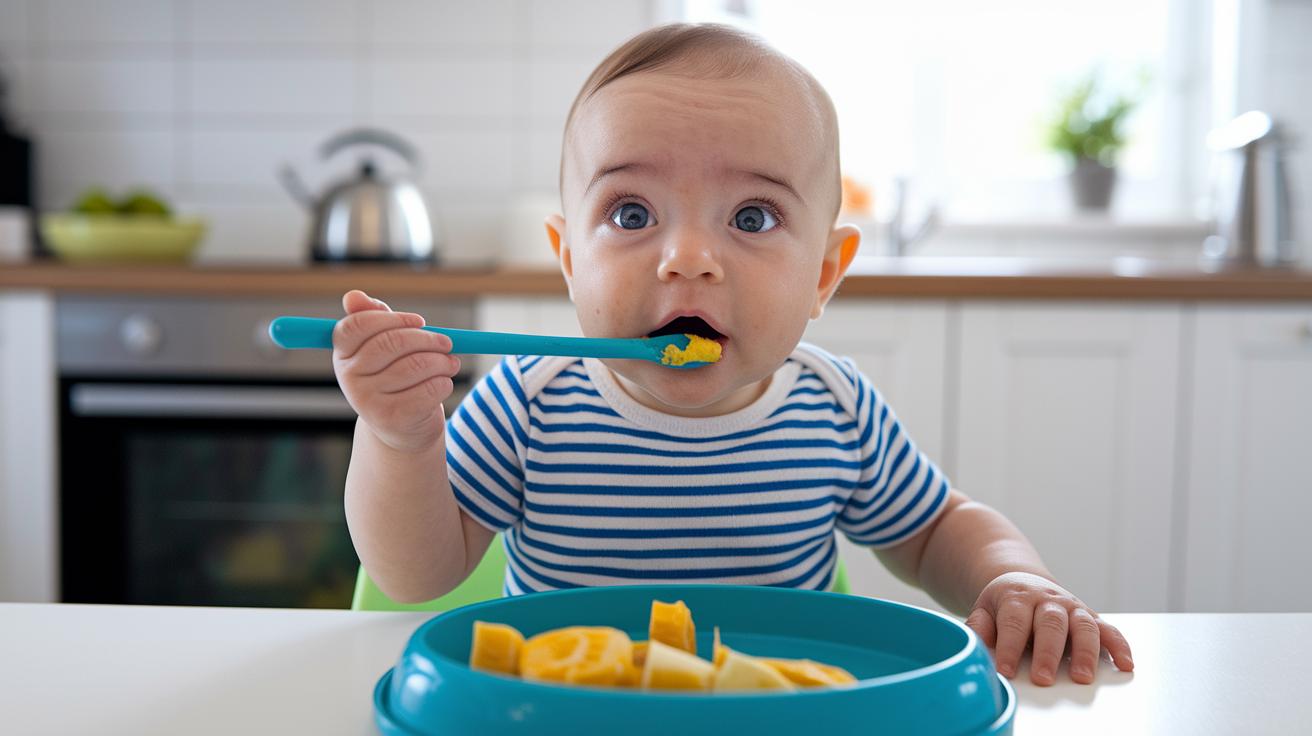
The American Academy of Pediatrics suggests sticking with breastmilk or formula until your baby is about six months old. Still, some little ones might show signs of readiness as early as four months. A good rule of thumb is to wait until your baby has doubled their birth weight and weighs at least 13 pounds. This helps make sure their tummy and digestive system are ready for new tastes and textures.
Weight is important, but what your baby can do matters too. Notice if they have better head control and if their tongue doesn’t push food away as much when you offer a spoon. These are signs that they might be all set to try something new, beyond just milk. For more details on how babies grow, check out this helpful link on infant developmental milestones.
| What to Look For | Description |
|---|---|
| Age | Between 4 to 6 months |
| Weight | Double their birth weight; at least 13 pounds |
| Head Control | Stronger head control, allowing them to sit with minimal support |
| Tongue-thrust Reflex | Less pushiness with their tongue during feeding |
If your baby was born a little early, keep in mind that they might reach these milestones a bit later. So, if your child is around six months old but still has trouble sitting up without help, it might be best to wait a little longer before introducing solids. In these cases, chatting with your pediatrician can help ensure that you’re perfectly in tune with your baby’s unique growth journey.
Key Developmental Cues Indicating Solid Food Readiness
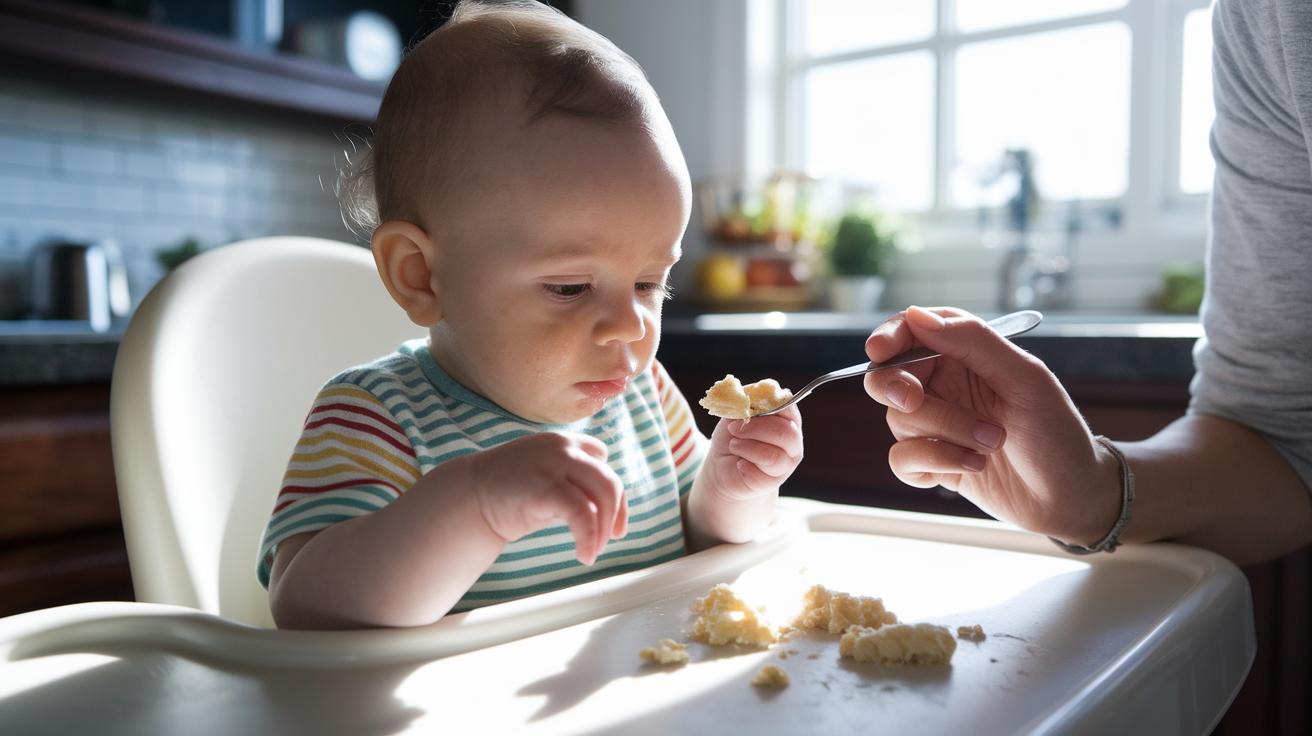
When your baby can sit up with just a little help, it shows their head and neck are growing stronger. That extra strength makes it easier for them to try new textures and flavors. A safe seat, like a high chair or sitting on your lap with a small, firm pillow, gives your little one a secure spot to explore food. It’s really heartwarming to see a baby who can hold their head steady, turning mealtime into a fun, interactive moment.
It isn’t just about physical growth, though. If you notice your baby looking at your plate or opening their mouth when you feed them, these are lovely hints that they’re curious to taste new things. These signals tell you that your baby is starting to see mealtime as a shared, enjoyable experience.
Just keep in mind to use seats like high chairs for only about 30 minutes at a time. That way, your baby can move around, stretch out, and build muscle without staying in one spot too long.
Top First Food Recommendations for Infants
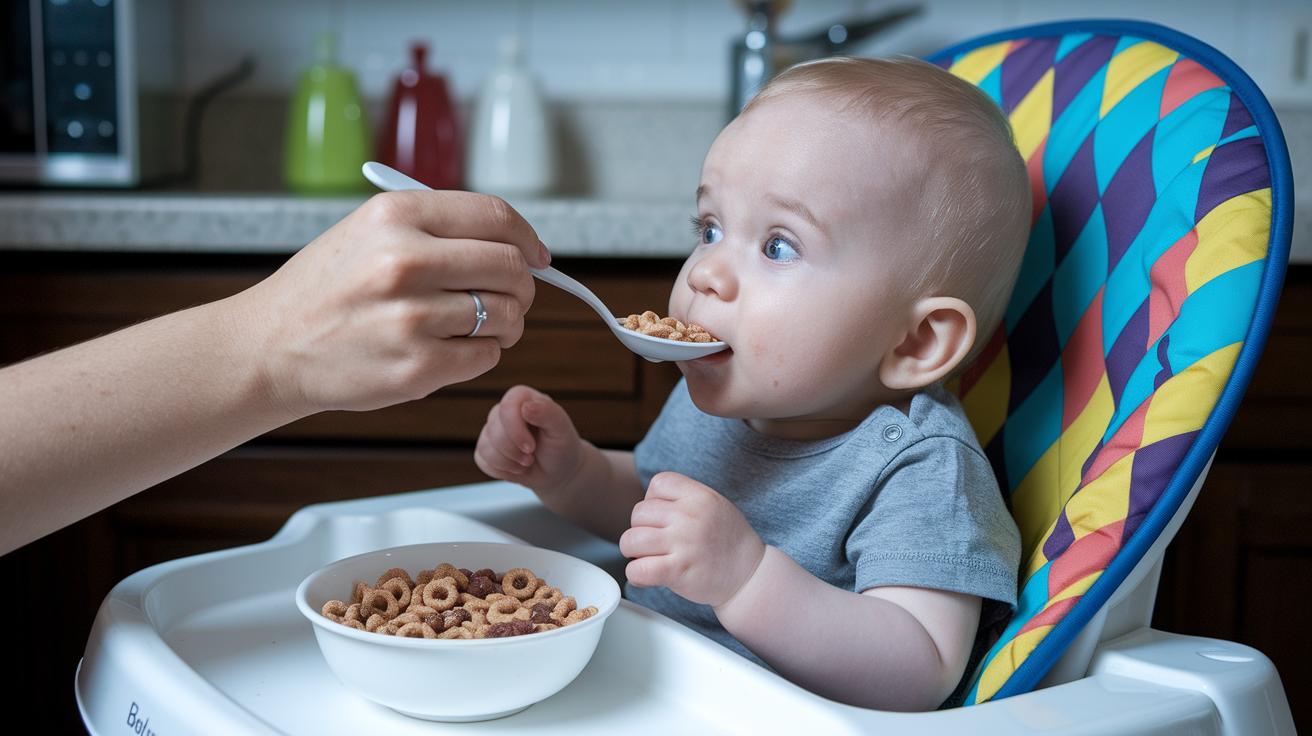
Starting your baby on solids is both exciting and important. Experts say that iron and vitamins are key for your little one's growth, so sticking with foods that deliver these nutrients makes a real difference. Choosing simple, one-ingredient purees like fortified cereals or pureed meats gives your baby the building blocks for healthy development and helps you notice if any new food might not agree with them.
Next, try these friendly choices:
| Food | Benefits |
|---|---|
| Iron-fortified single-grain cereal | Provides essential iron for building healthy blood cells |
| Pureed sweet potato | Offers vitamin A to support vision and a strong immune system |
| Mashed avocado | Supplies healthy fats that help with brain and eye development |
| Pureed pear or banana | Gives gentle, easily digested energy from natural sugars |
| Pureed peas or green beans | Adds fiber and vitamins C and K to aid digestion and overall wellness |
| Pureed chicken or turkey | Delivers high-quality protein and iron that support muscle growth |
By introducing these foods one at a time, you get to see what your baby enjoys and how they react. It also makes mealtime a little adventure as each new taste helps build a balanced diet. Enjoy watching your baby explore and savor each bite, it’s all part of laying the foundation for a happy, healthy future.
Preparing Homemade Purees and Smoothies for Starters
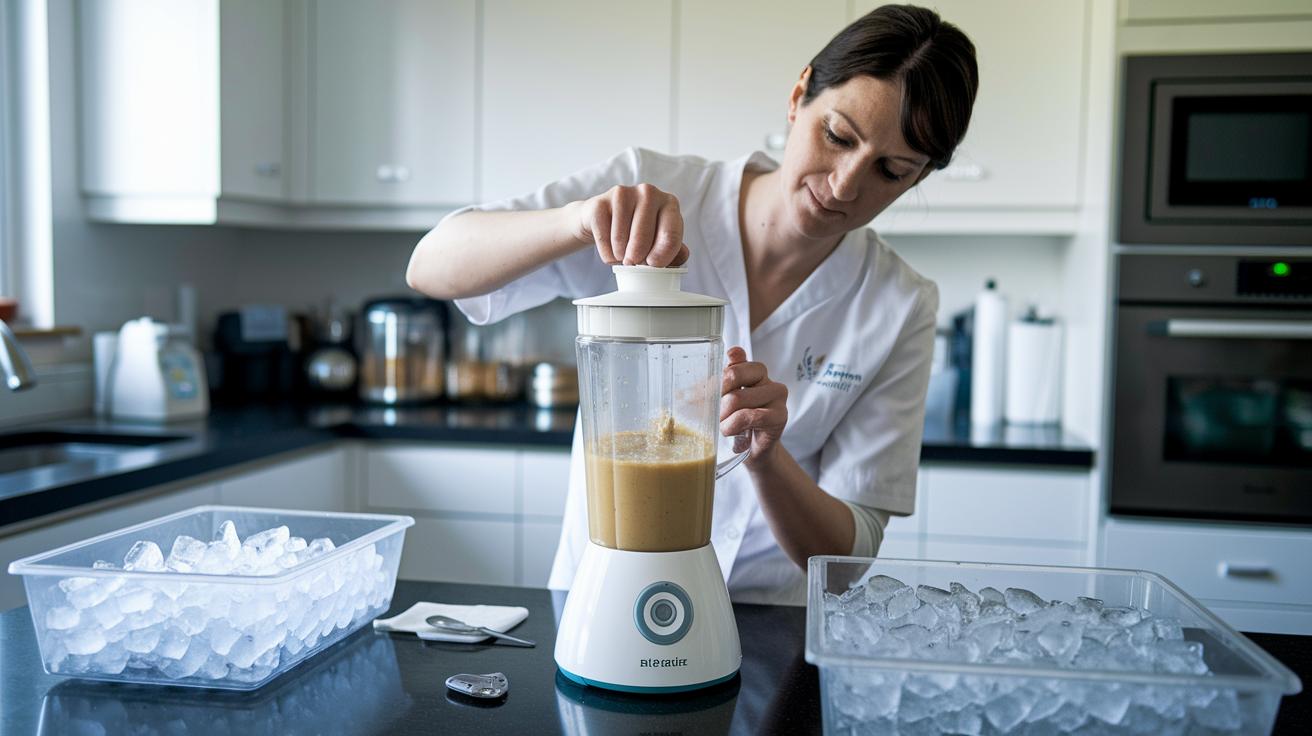
When you start making purees and smoothies at home, it helps to keep your kitchen spotless. Always wash your fruits, vegetables, and utensils really well before you begin cooking. Steam or boil your ingredients until they're soft enough to blend smoothly, like when you steam carrots until they're tender, then blend them with a little of the cooling water to get a silky texture. This gentle process keeps the natural vitamins and flavors intact, turning simple produce into a nurturing meal for your baby, who’s still enjoying breastmilk or formula with each day’s feeds.
It’s also important to adjust the texture as your baby grows more comfortable with solids. Start with a thinner blend to ease them into new textures, and slowly move to a thicker mix as your little one shows more interest and learns to chew. Imagine beginning with a smooth apple puree and gradually reducing the liquid each time you blend until you reach a chunkier consistency.
For extra portions, you can store them in small amounts using ice-cube trays. Once frozen, pop out a tablespoon-sized serving so you always have a fresh, ready meal without the extra hassle.
Balancing Solid Foods with Milk Feeds During Transition
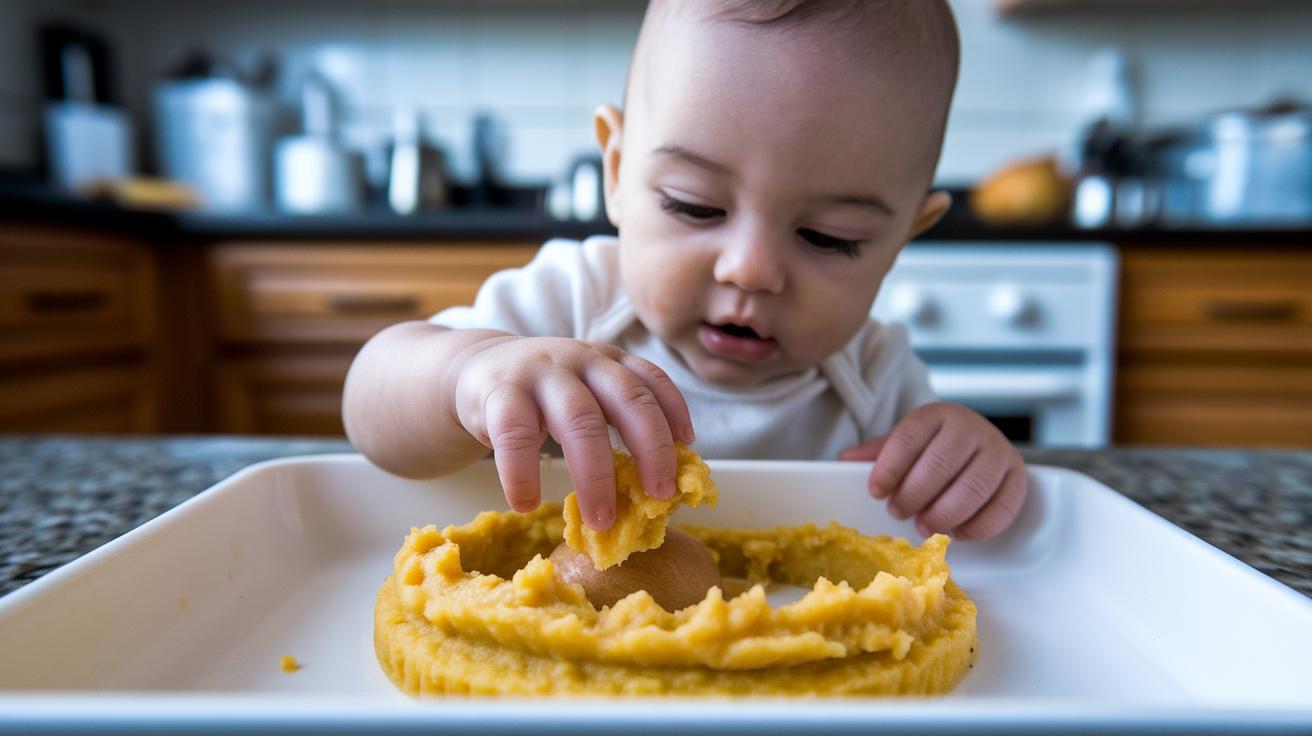
When your baby starts trying solid foods, it’s still important to keep up with their usual milk routine. If you're bottle-feeding, they might enjoy four to six milk feeds a day, each about 4 to 6 ounces. This steady routine makes sure they get the milk they need while also exploring new tastes. It’s a gentle blend of comfort and curiosity. You may catch them savoring a spoonful of mashed fruit before signaling that they’re ready for another milk feed.
As your little one begins to eat more solids, you can gradually reduce the number of milk feeds to about three to five times daily. At the same time, each feed might grow to around 6 to 8 ounces. This shift supports their growing interest in solids while still providing the nourishment from milk. Over a few weeks, small tweaks in portions and timing will help the transition feel natural and in tune with your baby’s signals. Every ounce really does count!
Keep an eye on your baby’s weight gain and hydration. This little check-in helps you know they’re getting just the right balance during this exciting change.
Progressing Textures: From Purees to Finger Foods
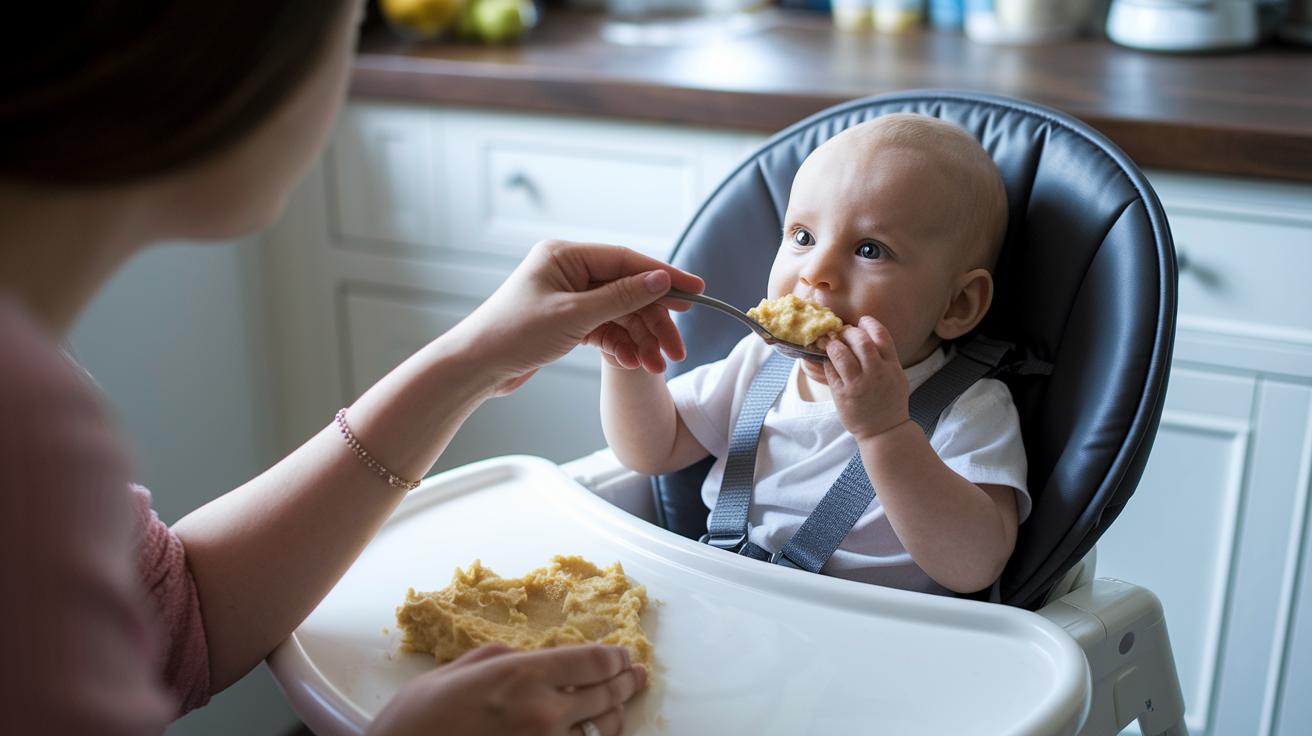
Many parents see that as babies grow, their meals naturally change. At first, food is super smooth and easy to swallow, but soon it starts to feel a bit thicker. This shift helps little ones explore new textures. For example, you might begin with a smooth apple puree and later offer a mashed banana with tiny lumps so your baby can try chewing and learning to feed themselves.
| Texture Stage | Description | Age Range |
|---|---|---|
| Stage 1 – Thin Purees | Single-ingredient puree | 4-6 months |
| Stage 2 – Thick Purees | Blended fruits/veggies with some texture | 6-8 months |
| Stage 3 – Mashed & Lumpier | Mashed foods with small, soft lumps | 8-10 months |
| Stage 4 – Soft Finger Foods | Soft pieces for practicing a pincer grasp | 10-12 months |
As your baby tries out each new food texture, it's important to watch closely. Noticing how they handle these changes can help you decide when they're ready for a little more challenge. Stay close, whether your little one is in a comfy high chair or cuddled on your lap with a small cushion. Keeping feeding sessions to about 30 minutes allows safe exploration and helps build their muscle strength, all while making mealtime enjoyable.
Crafting a Meal Schedule and Feeding Timeline for Infants
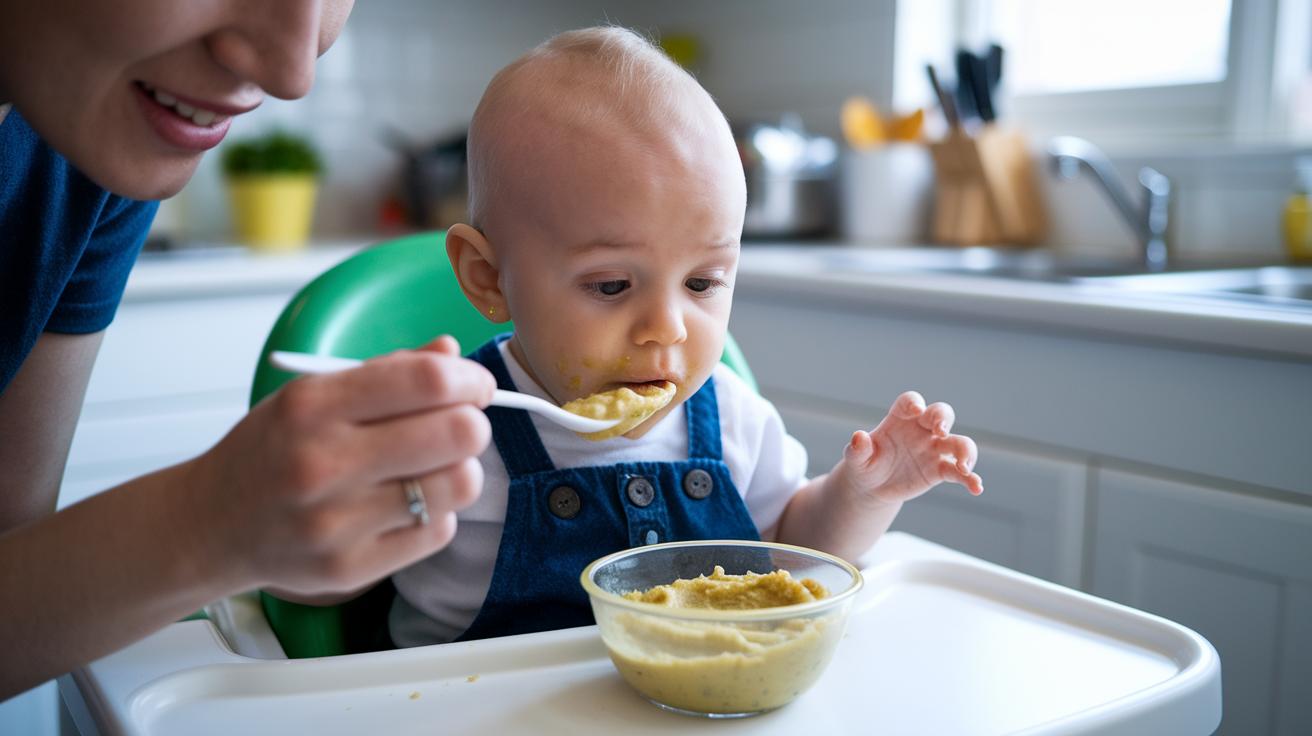
When your baby is around 4 to 6 months old, many parents start by offering one solid meal each day. This little introduction is meant to give your baby a first taste of new textures while still relying on breast milk or formula. If your baby can sit up with a little help, a brief tasting session can be a gentle step toward exploring a variety of foods. Some babies might take an extra week or two to sit up properly, so take your time and trust your family's unique pace.
As your baby nears 6 to 8 months, you might consider adding another meal or two. At this stage, the idea is to slowly increase to two or three meals each day. This gentle growth in meal frequency not only makes meal planning easier but also supports your baby as they develop new skills like scooping and swallowing. It’s a simple way to mark these important changes while keeping things relaxed and fun.
By the time your little one reaches 8 to 10 months, many parents start including snacks along with regular meals. Now, aside from the three main meals, your baby may enjoy several baby-friendly foods during the day. This balanced feeding routine allows plenty of variety while still making room for three to five milk feeds throughout the day.
Safely Introducing Allergens in Early Solid Feeding

Before giving your baby foods like egg and peanut purees, have a chat with your pediatrician. This talk makes sure that any family history or hints of eczema are taken into account before trying new foods. Your doctor will offer simple, practical tips that fit your baby's needs.
Once you get the green light, start with just one or two teaspoons of a smooth, pureed food. Try mixing a little bit of the new food into something your baby already enjoys, like a favorite fruit mash. This helps the taste seem more familiar and less surprising.
Then, keep a close eye on your little one over the next few days. Watch out for signs like skin rashes, tummy troubles, or extra fussiness. If you see any of these, it’s a good idea to pause and call your pediatrician for more advice.
Ensuring Balanced Nutrition and Iron-Rich Choices
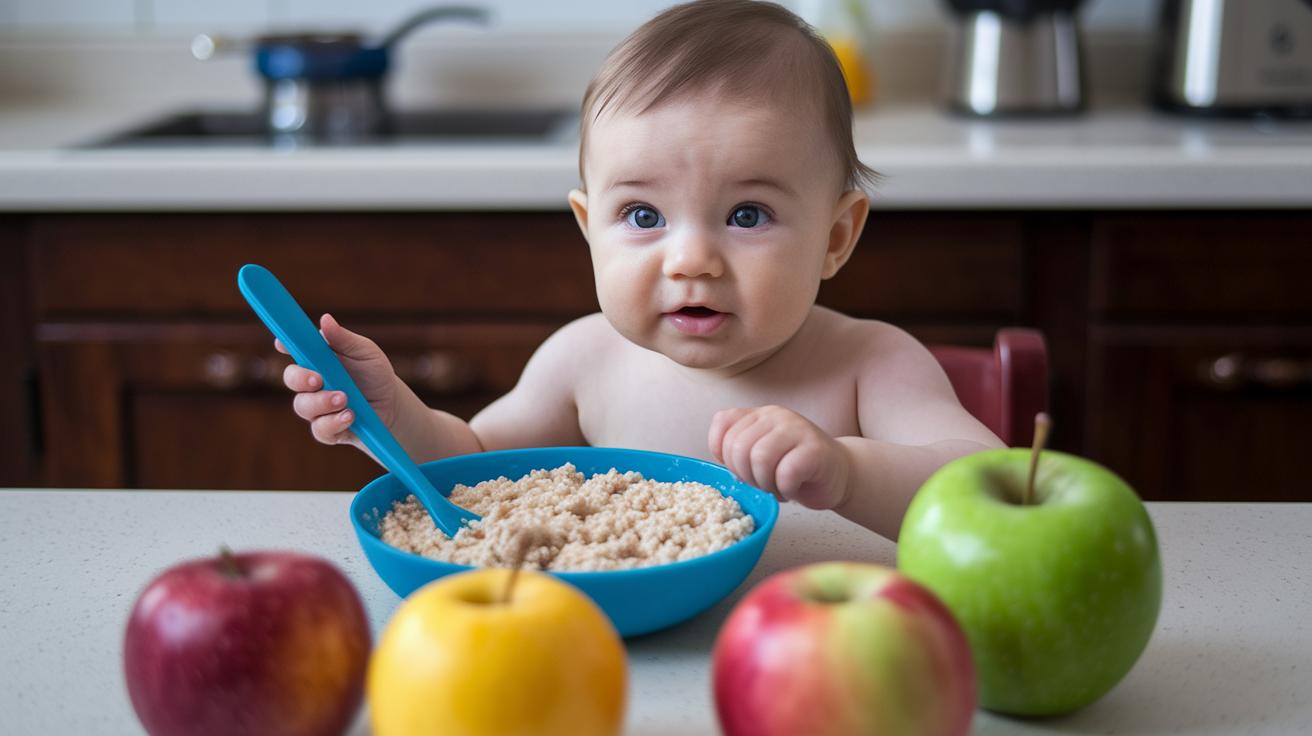
When you mix fresh fruits, vegetables, grains, and proteins together, you create a balanced meal that helps your baby grow strong. Fresh vegetables and fruits provide natural vitamins, while grains like rice or oats give energy from carbohydrates. Adding proteins such as beans or tofu offers the building blocks for healthy muscles and tissues. Imagine stirring in a spoonful of mashed apples into a bowl of rice cereal, you get a smoother meal packed with nutrients that your baby can enjoy.
By about 6 months old, your little one starts to need extra iron to support their growing body. Formula often meets this need, but if you’re breastfeeding, your pediatrician might suggest adding an iron supplement. You can also include iron-rich foods like pureed meat, legumes, or fortified cereals. These foods work together so that each meal brings in plenty of nourishing iron in a way that's easy for your baby to digest.
Rotating the flavors and colors in your baby’s meals isn’t just fun, it also introduces a variety of nutrients and helps set the stage for healthy eating habits later on. Think of it like filling their plate with a rainbow of options, each one offering different vitamins and minerals for overall growth and wellbeing.
Final Words
In the action, we explored key markers for starting solids, from checking weight and developmental cues to simple steps for preparing homemade purees. We looked at safe meal schedules, introducing allergenic foods, and keeping a balanced mix with milk feeds.
This guide offers clear, easy-to-follow tips for incorporating solid foods for infants while keeping nutrition balanced. Keep listening to your baby’s cues, and enjoy every step as your little one grows strong and happy.
FAQ
FAQ
Q: What are solid foods for infants and when should they be introduced?
A: Solid foods for infants include pureed fruits, vegetables, and iron-fortified cereals. Experts suggest introducing them around six months when the baby shows readiness through signs like stable head control and supported sitting.
Q: What are baby first foods for 4-6 months?
A: Baby first foods for 4-6 months are usually single-ingredient purees such as sweet potato or mashed avocado. They offer gentle, simple flavors when a baby begins exploring tastes with proper head support.
Q: What do baby food charts include for different age ranges?
A: Baby food charts outline textures and meal progressions. They show a path from thin purees in early months (0-6 months) to thicker textures and finger foods as the baby grows older (6-12 months) for safe, step-by-step feeding.
Q: How should a baby be introduced to solid foods?
A: A baby is introduced to solid foods by gradually offering small amounts of single-ingredient purees while watching for signs of readiness like good head control and interest in foods to ensure a smooth transition.
Q: Can I give my baby solids at 4 months and what foods are suitable?
A: Some babies may be ready for solids at 4 months, but most start around six months. If starting early, consult your pediatrician and begin with simple purees to see how the baby responds to new tastes.
Q: What is the number one food for infants to choke on?
A: The number one food for infants to choke on is often whole, hard items like grapes or nuts. Always cut foods into small pieces or offer them in a smooth texture to keep feeding safe.