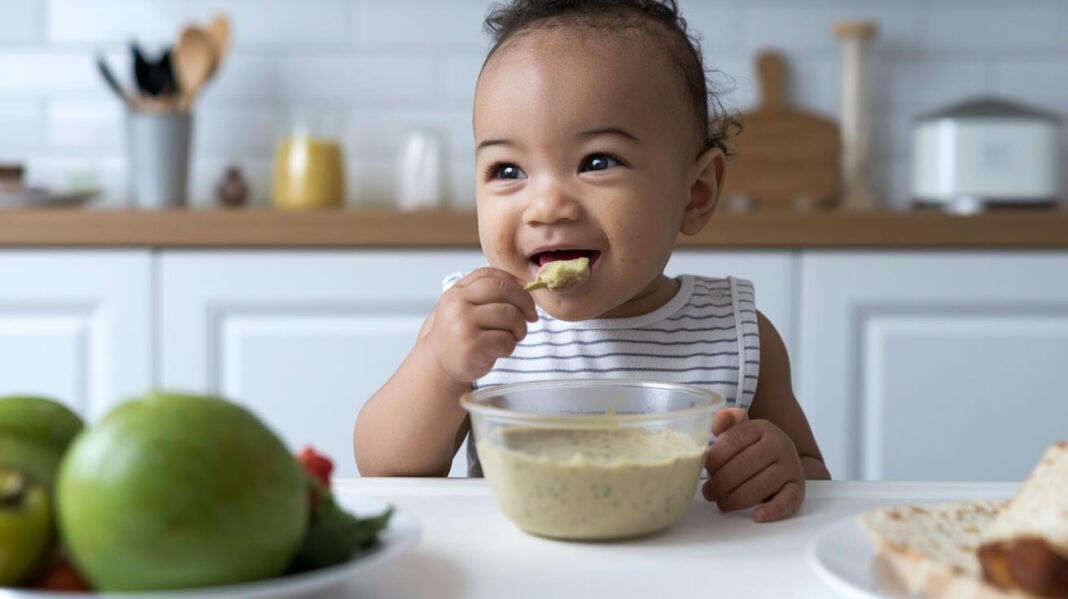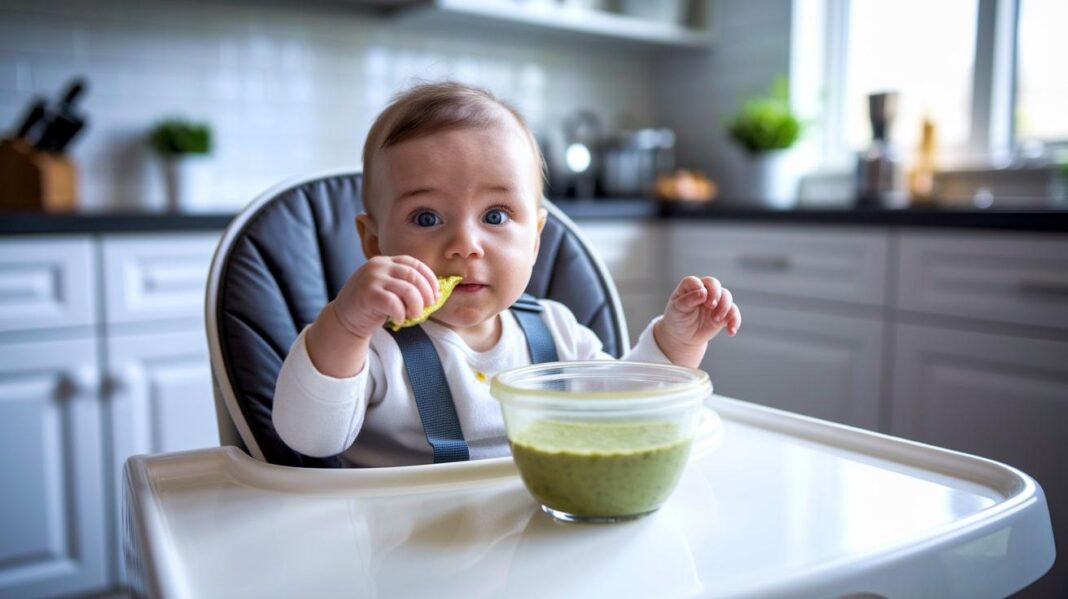
Have you ever wondered how the foods you choose might gently shape your baby’s future health? It turns out that allergy-friendly weaning foods might be just the secret you need. Imagine introducing tiny, safe amounts of allergenic proteins, like adding a pinch of spice to your favorite mild dish, to help your little one build natural tolerance. Experts suggest starting this gentle testing around 4 to 6 months, giving your baby a soft introduction that respects their delicate system.
In this guide, I’ll share simple tips to help you create a balanced, nurturing plate. You’ll learn how to support your baby’s health right from the start, making mealtime both comforting and a step toward a lifetime of healthy eating.
Essential Allergy-Friendly Weaning Foods for First Solids
Pediatric experts say it’s a good idea to offer allergenic foods in baby-safe forms around 4 to 6 months. You might try a tiny amount like 1/8 teaspoon of almond flour stirred into a bowl of porridge, or even a thin swipe of smooth, honey-free peanut butter. Think of it like putting a few drops of paint on a blank canvas and slowly adding more as your baby learns to love the new taste.
Starting with such small portions means you won’t overwhelm your baby’s gentle system. As your little one shows they can handle it, you can gradually increase the amount to about 2 grams of allergenic protein each week. By not waiting 3 to 5 days between new foods, you’re giving your baby the chance to build natural tolerance. Imagine offering a sampling platter of different flavors all throughout the day instead of sticking with just one meal.
It might surprise you that from 1997 to 2011, food allergies in U.S. children jumped by 50%. Now, one in 13 children has a food allergy. This makes it even more important to introduce a variety of allergenic proteins early on. So here’s a little tip: mix a bit of smooth, honey-free peanut butter with porridge and watch for your baby’s happy reaction. This gentle, active step not only brings new tastes into their world but also helps create a strong, varied nutritional base for the future.
Planning Allergy-Friendly Weaning Foods: Nutritional Balance and Variety
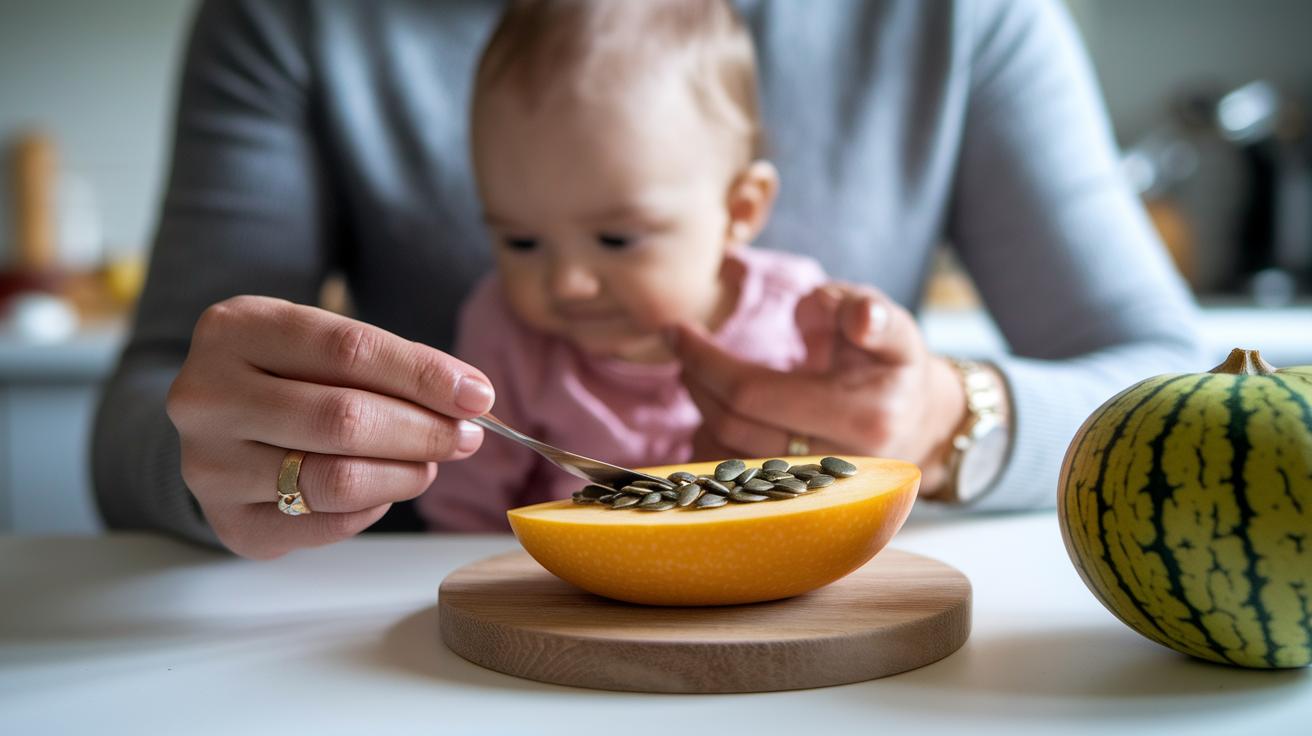
When you take common allergens out of your baby's meals, it's really important to add in good replacements so they get all the nutrients they need. Think of it like changing an ingredient in your favorite recipe. Without the right swap, the balance of vitamins, fats, and proteins might fall off.
For example, if you cut out tree nuts, try using ground pumpkin seeds instead. They give healthy fats and proteins, and they even help slippery fruits like bananas stick a bit better in your baby's tiny hands. Imagine sprinkling a little bit of ground pumpkin seeds on soft fruit pieces and watching your little one light up with joy as they grab their snack.
It’s also a smart move to find alternatives for wheat and dairy. Iron-rich rice or quinoa cereals work nicely in place of wheat-based foods. And for dairy, options like calcium-set tofu or full-fat coconut yogurt add those healthy fats and key minerals. Planning a changing menu full of fruits, veggies, and safe protein sources keeps things fun and helps avoid any missing nutrients, all while supporting your baby's happy, growing body.
Preparing Dairy-Free, Gluten-Free, and Nut-Free Weaning Recipes
These gentle recipes are here to help you serve up tasty meals without dairy, gluten, or nuts. They’re designed to be not only delicious but also packed with the nutrition your baby needs, giving you a little peace of mind during mealtime.
Egg Substitutes
Here are a few simple ideas if you’re looking for ways to replace eggs using just one ingredient:
- Mashed banana: Mash up a ripe banana until it’s smooth, this naturally sweet treat works as a great binder.
- Pureed cooked sweet potato: Boil or steam a sweet potato until it’s nice and soft, then blend it until smooth.
- Flaxseed meal with water: Mix a teaspoon of flaxseed meal with a small splash of water. It turns into a gel-like mix that can easily stand in for eggs.
Milk Alternatives
These non-dairy options not only add moisture to your recipes, but also bring healthy fats and calcium into the mix:
- Full-fat coconut yogurt: Enjoy a small spoonful on its own or stir it into your porridge for a creamy touch.
- Calcium-set tofu: Blend this silky tofu into your dish to get a creamy texture that skips the dairy.
- Rice milk: Use unsweetened rice milk in small amounts to lighten up cereal recipes with a gentle, smooth texture.
Gluten-Free Grains
These grain choices pack a nutritional punch while keeping your recipes gluten-free:
- Quinoa porridge: Cook quinoa until it’s soft for a warm, protein-rich meal that also boosts iron levels.
- Buckwheat cereal: Lightly toast buckwheat before simmering, it brings out a gentle, nutty flavor.
- Iron-fortified rice alternatives: Stir iron-fortified rice into a smooth porridge to offer sustained energy and extra iron.
Expert Tips on Allergen Avoidance and Introduction in Allergy-Friendly Weaning Foods
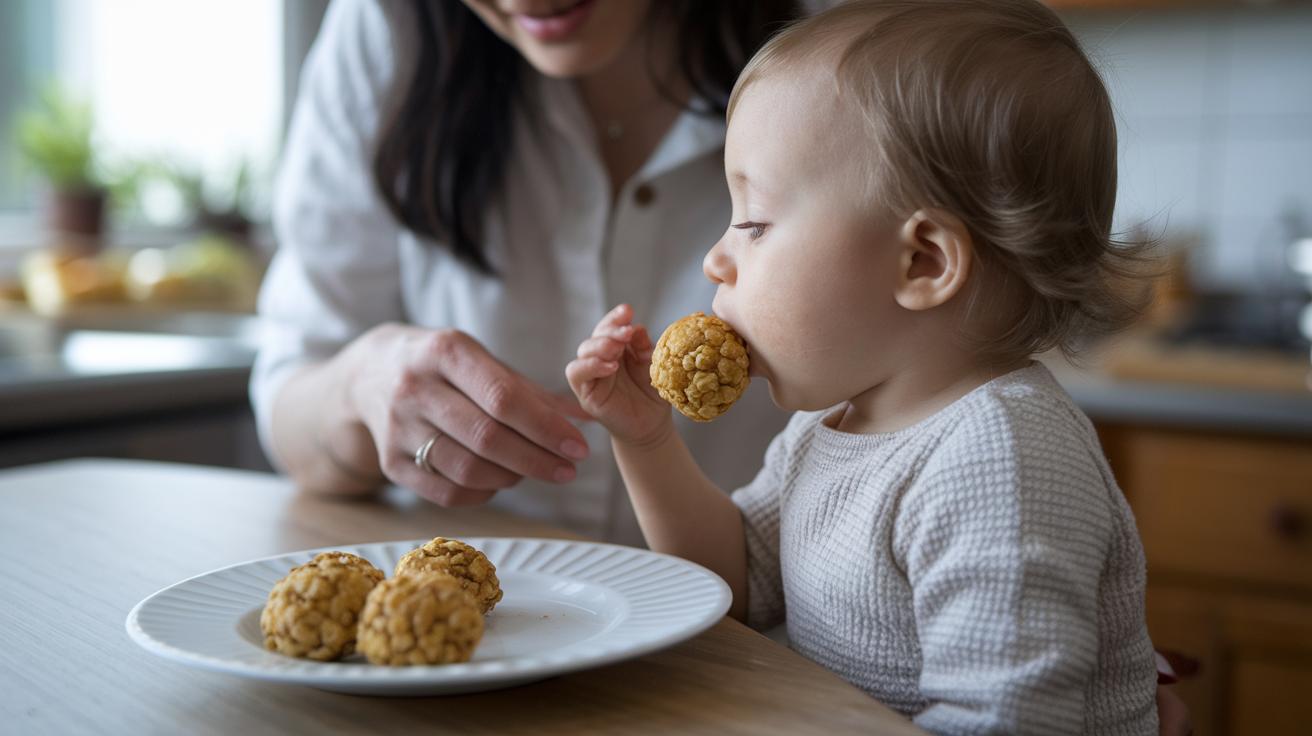
When it comes to allergies in little ones, spotting the signs is really important. Some allergies, like IgE-mediated ones, can show up in just a few minutes. Other reactions, such as FPIES (which may take hours or even days to appear), might show up as a skin rash or a bit of tummy upset.
It’s interesting, some babies show clear signs almost immediately after encountering an allergen, like a quick little warning light.
Sometimes, foods like tomatoes or other acidic fruits can cause a harmless rash on a baby’s face if the juice touches the skin. And if you’re breastfeeding, don’t worry, food allergens don’t pass through your milk. Keeping your cooking space and utensils extra clean by washing your hands and surfaces carefully can help lower the chance of accidental contact with allergens.
If you notice any reaction after trying out a new food, it’s best to chat with a pediatric allergist. They can help you figure out how to safely reintroduce that food under professional guidance. This careful approach makes sure that mealtime stays safe while your baby gets to enjoy a variety of nutritious and delicious foods.
Substitutes and DIY Allergy-Friendly Weaning Foods
If you’re looking for easy, homemade snacks that use whole foods instead of store-bought allergy-friendly products, you’re in the right spot. These ideas are perfect for busy moms who want to offer balanced treats for little ones.
Legume-Based Puffs
• Start by rinsing a cup of chickpeas or lentils and cook them until they're nice and soft.
• Once they’re ready, blend them into a smooth puree, adding a little water if it feels too thick.
• Spread the smooth mix evenly on a baking sheet.
• Bake in a preheated 350°F oven for about 20 minutes until the puffs are dry and crisp. It’s a simple, delightful snack!
Vegetable & Fruit Purees
• Carrot and apple: Steam the carrots for around 12 minutes, and then blend them with steamed apples until smooth and creamy.
• Zucchini and apple: Lightly cook zucchini for about 8 minutes, then mix it with apple for a soft and gentle blend.
• Carrot and zucchini: Steam both vegetables together for about 10 minutes before pureeing them into a nutrient-rich, low-allergen meal that feels like a warm, homemade hug.
Homemade Grain Crisps
• Take some cooked quinoa or buckwheat and blend it with just enough water to form a thick paste.
• Press the paste evenly onto a baking sheet lined with paper.
• Dry it in a 200°F oven for about 30 minutes until it becomes brittle enough to break into bite-sized pieces. Perfect for those curious little fingers exploring new textures!
Safety Guidelines for Allergy-Friendly Weaning Foods
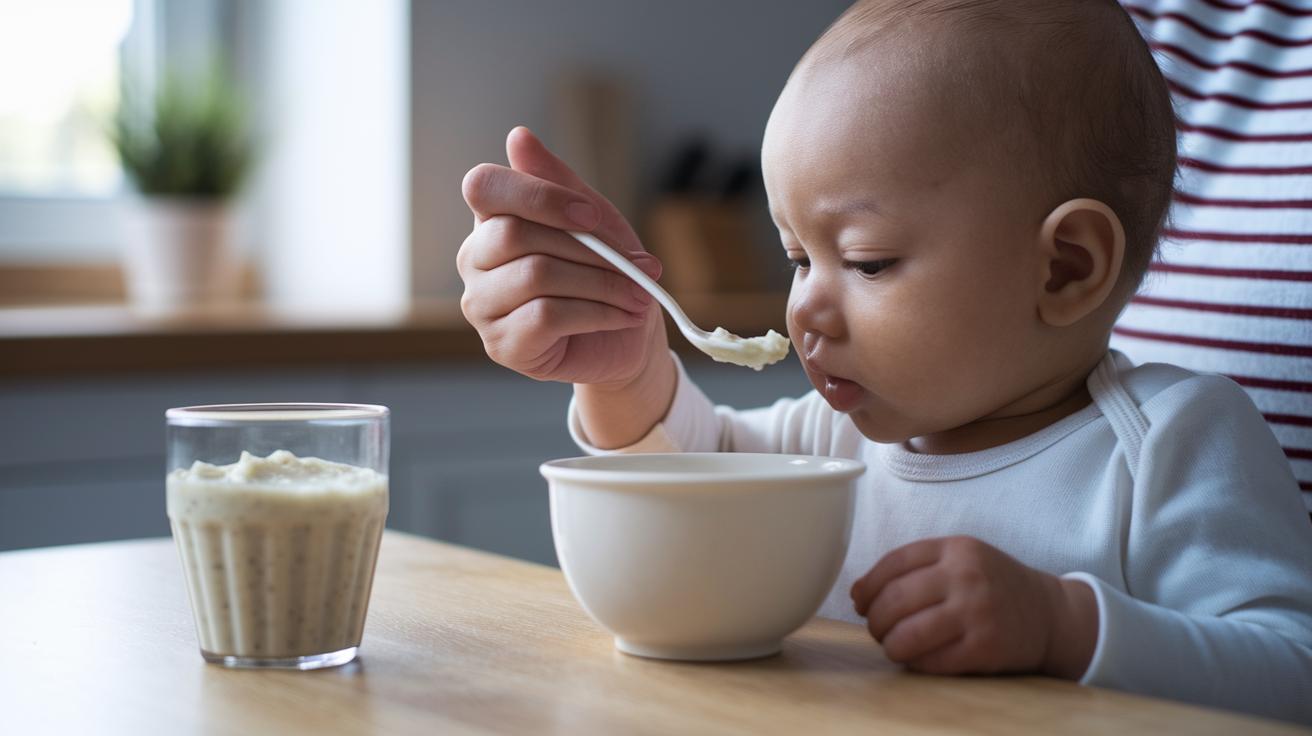
Keep an eye on your baby’s cues, usually around 4 to 6 months, to know when it’s time to try solids. Start with a very small amount, like a tiny pinch (about 1/8 teaspoon) at first, and if there’s no reaction, gradually increase to about 2 grams of allergenic protein each week. It’s a bit like dipping your toes in the water before taking a full swim.
When you’re introducing new foods, try giving them several times throughout the day instead of waiting 3 to 5 days between each one. For instance, you might mix a little bit of smooth, honey-free peanut butter into a bowl of porridge to gently introduce that allergen.
Always stay close by during feeding time. Use soft-edged spoons and serve foods that are smooth and free of lumps to lower the risk of choking. Here are some simple steps to follow:
- Start with small portions, like 1/8 teaspoon.
- Gradually add a bit more if your baby seems fine.
- Keep the feeding area clean to avoid any mix-ups.
- Check local food labels for allergen information; in North America, nine major allergens are highlighted, while the EU lists 14.
These tips provide a clear, easy way to help you introduce solids and allergenic foods safely and with confidence.
Final Words
In the action of exploring safe, allergen-friendly first meals, we covered the essentials for preparing balanced, allergy-friendly weaning foods. You learned how to gently introduce small amounts of allergens and mix up substitutions like dairy-free and gluten-free options. Tips on spotting reactions and keeping mealtimes fun were shared too. Enjoy trying these recipes and expert tips, and trust that small steps in the kitchen can help build a healthy start with allergy-friendly weaning foods.
FAQ
What is a recommended baby allergy food list?
The baby allergy food list includes common allergens in safe, infant-friendly forms such as smooth peanut butter (infant-safe), egg substitutes, and soy alternatives. This list helps guide parents in controlled early exposure to reduce allergies.
How should allergens be introduced to a baby, including for baby-led weaning?
The approach for introducing allergens involves starting with very small amounts—like a thin swipe of food—and gradually increasing portion sizes. This method is applicable to spoon-feeding and baby-led weaning alike to build tolerance safely.
What are the top allergenic foods for babies and what items belong on a baby allergen checklist or kit?
The top allergenic foods include peanuts, eggs, dairy alternatives, soy, and tree nuts in modified forms. A baby allergen checklist or kit helps track small portion trials and any reactions to effectively manage an early introduction plan.
What signs indicate food allergies in babies?
Recognizable signs of food allergies in babies include skin rashes, irritation near the mouth, or gastrointestinal discomfort. Early detection of these symptoms is key to seeking advice from a pediatric allergist.
How should allergens be introduced when a baby has eczema?
When a baby has eczema, introducing allergens requires extra care by starting with minimal amounts and watching closely for skin reactions. Consulting a pediatrician ensures that the introduction process is adjusted to suit the baby’s sensitive skin.
How do I safely wean a baby with allergies or food sensitivities, and what foods should be avoided?
To safely wean a baby with allergies, introduce low-risk solids gradually while carefully monitoring for reactions. Foods that are often avoided include undiluted cow’s milk, honey, and strong-flavored items that may trigger sensitivities.
What food is recommended for a 6-month-old during allergen introduction?
For a 6-month-old, offering a smooth iron-fortified cereal or pureed fruit is advised for allergen introduction. This controlled approach helps gauge tolerance before gradually exposing the baby to other potential allergens.
What three foods should be avoided when weaning a baby?
During weaning, avoid foods like undiluted cow’s milk, honey, and overly concentrated allergenic items. These can pose risks such as digestive upset or an accidental allergic reaction during the initial introduction phase.