
Ever wondered if your baby's mealtime could feel as joyful as a carefully choreographed dance? At 10 months, meals come with a gentle rhythm that supports both growing and comfort.
In this chat, I'll share a happy meal plan that mixes nourishing milk feeds with the introduction of new, tasty solids. By planning feedings around your little one's wake and nap times, you can create a flexible schedule that makes meal times fun and less stressful.
Imagine a routine where every bite feels just right, a rhythm that not only fills the tummy but also brings smiles all around. Let’s explore some simple steps together to build a feeding plan that's both delightful and easy to follow.
Essential Feeding Schedule Overview for a 10-Month-Old Baby

At 10 months, your baby's feeding routine tends to sync up with their wake and nap times. They usually enjoy a milk feed or formula every 2 to 4 hours, it’s almost like a gentle, well-practiced dance with their day. I find it interesting to think that even at this age, babies can have such a smooth rhythm that matches how they feel with the world around them.
Experts suggest about 24 ounces (around 720 mL) of breast milk or formula a day, split across roughly five feedings. This milk gives them most of their energy for the day. And you can start introducing solids about three times daily, always offering the liquid feed at least 30 minutes before the solid foods so their digestion has a little time to work.
Most 10-month-olds sleep for about 10 to 12 hours at night. Still, some might wake up early, say between 3:00 and 5:00 AM, for a quick feed, especially if there's been a long gap since the last one. Every baby is different; some might wait a bit longer between feeds, while others prefer more frequent, smaller meals.
By watching your baby's cues and adjusting meals around their nap times and wake periods, you can find a schedule that is both flexible and nurturing. This kind of routine not only supports healthy growth but also helps keep mealtime stress-free and comforting.
Balancing Milk and Solid Feedings in Your 10-Month-Old’s Daily Routine
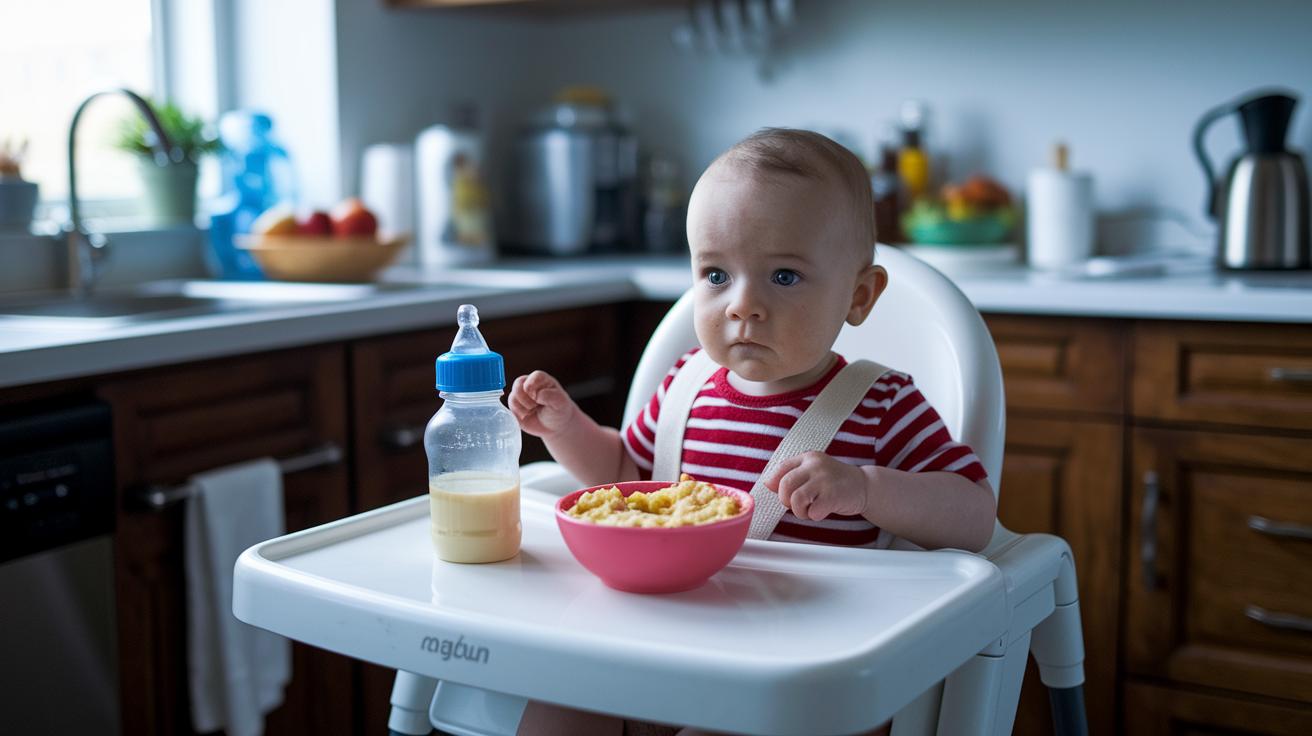
At this age, milk still does the heavy lifting for your little one’s nutrition. Aim for around 24 ounces (720 mL) a day, with each meal delivering about 6–8 ounces (180–240 mL). Try to space these out to coincide with nap times and your baby’s cues. It’s a good idea to offer milk at least 30 minutes before any solid foods, giving their tummy a chance to get ready.
Alongside the milk, serve about three solid meals a day with 2–4 tablespoons of mashed or pureed foods each time. Think of the milk as the foundation, like a cake base, while the solids are the fun sprinkles that add a bit of extra flavor. Always keep an eye on your baby’s signals, and feel free to adapt the feeding schedule as needed.
Feeding Schedule 10 Month-Old: Cheerful Meal Routine

This feeding plan is created to support your 10-month-old with a day full of nourishing, happy meals. We break the day into six main feeding times, spaced out by about 2 to 4 hours. Keep in mind that liquid feeds like breast milk or formula should be given at least 30 minutes before any solids to help with smooth digestion and balanced nutrition.
We start the day with a hearty breakfast that combines a liquid feed with a bit of solid food, setting a cheerful tone for the day. A mid-morning snack helps tide your little one over until lunch, while an afternoon snack brings a gentle burst of energy before dinner. Dinner is a well-rounded meal, and a final bedtime feed soothes your baby for a peaceful night’s sleep. Think of mashed fruits, soft-cooked veggies, and small, tender pieces that encourage self-feeding and build those important oral skills. Each portion is designed to be just right, but feel free to tweak the timing as your baby shows you what they need. This routine keeps mealtimes steady and filled with joy!
| Time | Feed Type | Food Suggestions | Portion Size |
|---|---|---|---|
| 7:30 AM | Breakfast | Oatmeal with formula and fruit puree | 6-8 oz milk, 2-4 tbsp solids |
| 10:00 AM | Mid-Morning Snack | Mashed banana mixed with formula | 4 oz milk, 2-3 tbsp fruit |
| 12:00 PM | Lunch | Pureed vegetables with soft chicken pieces | 6-8 oz milk, 2-4 tbsp solids |
| 3:00 PM | Mid-Afternoon Snack | Soft pear or avocado bites | 4 oz milk, small finger foods |
| 5:30 PM | Dinner | Mashed sweet potato with pureed meat | 6-8 oz milk, 2-4 tbsp solids |
| 8:00 PM | Bedtime Feed | Warm formula or breast milk | 6-8 oz milk |
Advancing to Varied Textures: Introducing Finger Foods at 10 Months
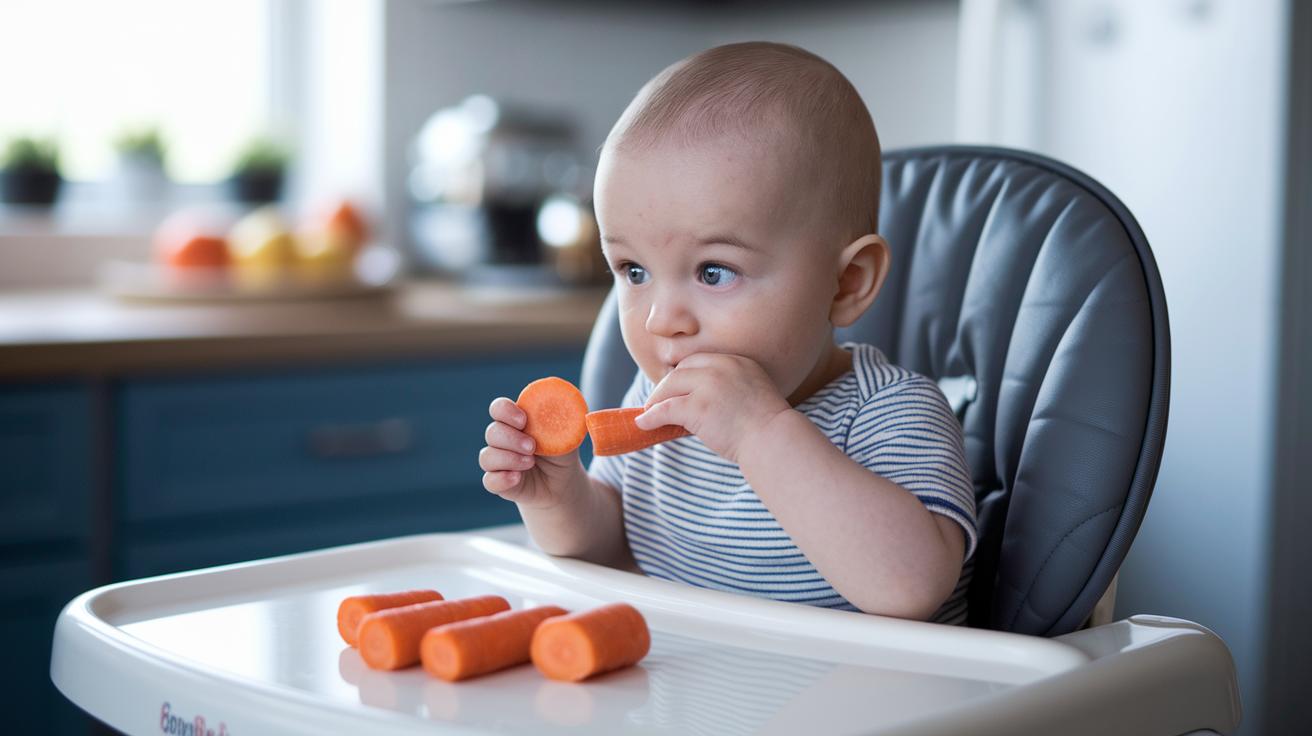
At 10 months, your baby is ready to explore new textures, and it’s such an exciting time! You can begin to shift from smooth purees to foods that are a bit firmer and soft enough for little hands to grab. Think of offering soft roasted vegetables or small bits of ripe fruit. For instance, try giving your baby tiny pieces of steamed carrot that they can pick up and nibble on, it’s like a little food adventure.
A simple tip is to mix familiar purees with small mashed chunks. This helps your baby practice chewing while enjoying new flavors. You might offer a little well-cooked pasta or some soft, ripe pear pieces that almost melt in the mouth. Not only do these tastes delight, but they also help build those important oral motor skills.
Always keep safety in mind during mealtimes. Using a high chair gives your baby the support they need, and your careful supervision reduces any risk of choking. Watch with pride as your little one explores new textures, celebrating every grasp and chew. Baby-led weaning like this is a wonderful way to support your baby’s growing independence in a fun, stress-free environment.
Night Feeds, Naps, and Flexible Timing

By 10 months, many babies sleep through the night for 10–12 hours without a feed. Still, some little ones might wake up between 3:00 and 5:00 AM feeling hungry. If your baby stirs in those early hours, a quick, small feed can help them settle back to sleep.
Sometimes, nap times can change when your baby gets hungry. After a nap, if you notice them rooting or getting fussy, it might be a good idea to wait a bit before offering a feed. This little adjustment can really help keep their day running smoothly.
If you’re ever worried about night feeds or missed meals during the day, it’s a good idea to chat with your pediatrician. They can answer your questions and give you some extra peace of mind.
Ensuring Safety and Tracking Growth in Your 10-Month-Old’s Feeding Schedule

When it’s mealtime, safety and comfort go hand in hand as your little one tries different foods. Make sure your baby sits upright in a high chair so that they can focus on eating and avoid distractions that might lead to choking. It’s like setting up a mini dining table for your baby, where every bite has a safe place to go.
Keeping an eye on your baby’s progress is just as important. Notice things like diaper changes and steady weight gains to see if they’re growing well. Some moms even keep a little notebook by their high chair to jot down daily meal observations. This simple habit can bring you a lot of peace, helping you spot any small changes in development.
When planning meals, think about adding foods that are packed with nutrients. For example, iron-rich pureed meats and fortified cereals offer essential benefits that help your baby build strong muscles and improve motor skills. These foods are like little power-ups that support healthy growth.
And if you're ever worried or notice something out of the ordinary, chatting with your pediatrician or a trusted dietitian can give you personalized guidance you can count on.
Final Words
In the action, we explored a complete day of care for a feeding schedule 10 month-old. We reviewed milk and solid meal timings and safe practices for finger foods and night feeds that support healthy growth. Each step shows clear, practical tips to help you balance schedules with your baby’s natural needs. This guide offers reliable insight that feels like friendly advice from someone who truly understands. Stay positive, and trust your own instincts as you adapt these ideas for your family.
FAQ
What is a good feeding schedule for a 10-month-old?
A good feeding schedule for a 10-month-old includes roughly five milk feeds (about 24 ounces total) and three solid meals spaced every 2–4 hours around nap times and bedtime.
How does a balanced feeding schedule for a 10-month-old work with milk and solids?
A balanced feeding schedule means offering about 24 ounces of breast milk or formula divided into several feeds and providing three solid meals with small servings before or after milk intervals to ensure proper nutrition.
What does a sample baby food chart for a 10-month-old look like?
A sample food chart can include breakfast, a mid-morning snack, lunch, a mid-afternoon snack, and dinner, with liquid feeds given about 30 minutes before solids, ensuring meals occur every 2–4 hours throughout the day.
How can feeding schedules differ between a 9-month-old, 10-month-old, and 11-month-old?
Feeding schedules for 9-, 10-, and 11-month-olds are similar, with slight tweaks in portion sizes and timing based on individual hunger cues and sleep patterns, all following a routine of milk feeds and solid meals.
What is a recommended feeding schedule for a breastfed 10-month-old?
For a breastfed 10-month-old, the schedule may include five nursing sessions along with three solid meals, keeping meal timing flexible to align with the baby’s wake times and natural cues.
How should I adjust my baby’s feeding schedule based on nap and sleep patterns?
Adjusting the feeding schedule means honoring your baby’s wake and sleep times with feeds every 2–4 hours and allowing a stretch of 10–12 hours at night, adding an early feed if early morning hunger cues appear.