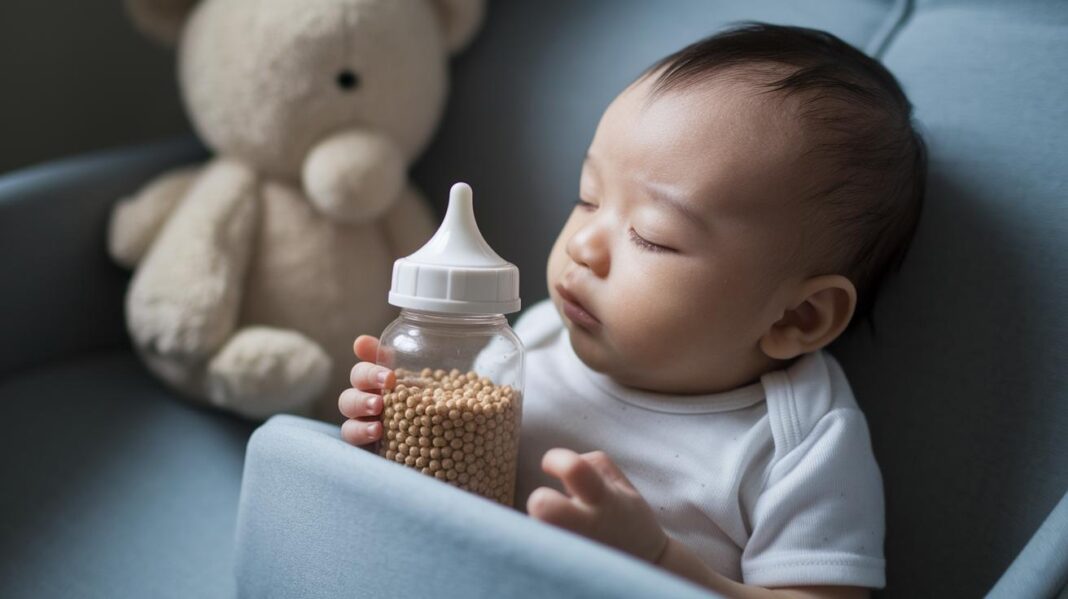
Have you ever wondered if a thicker bottle might help your baby settle down for sleep? Many moms mix a bit of cereal into the bottle, almost like tucking in a cozy blanket for their little one. Some even share sweet stories about how it seems to calm their baby at bedtime. But remember, it’s always best to get your doctor’s advice and follow safe guidelines before you try this. In this post, we chat about when you might use this trick, why you might consider it, and what benefits you could see.
When and Why to Use Infant Cereal in Bottle Feeds
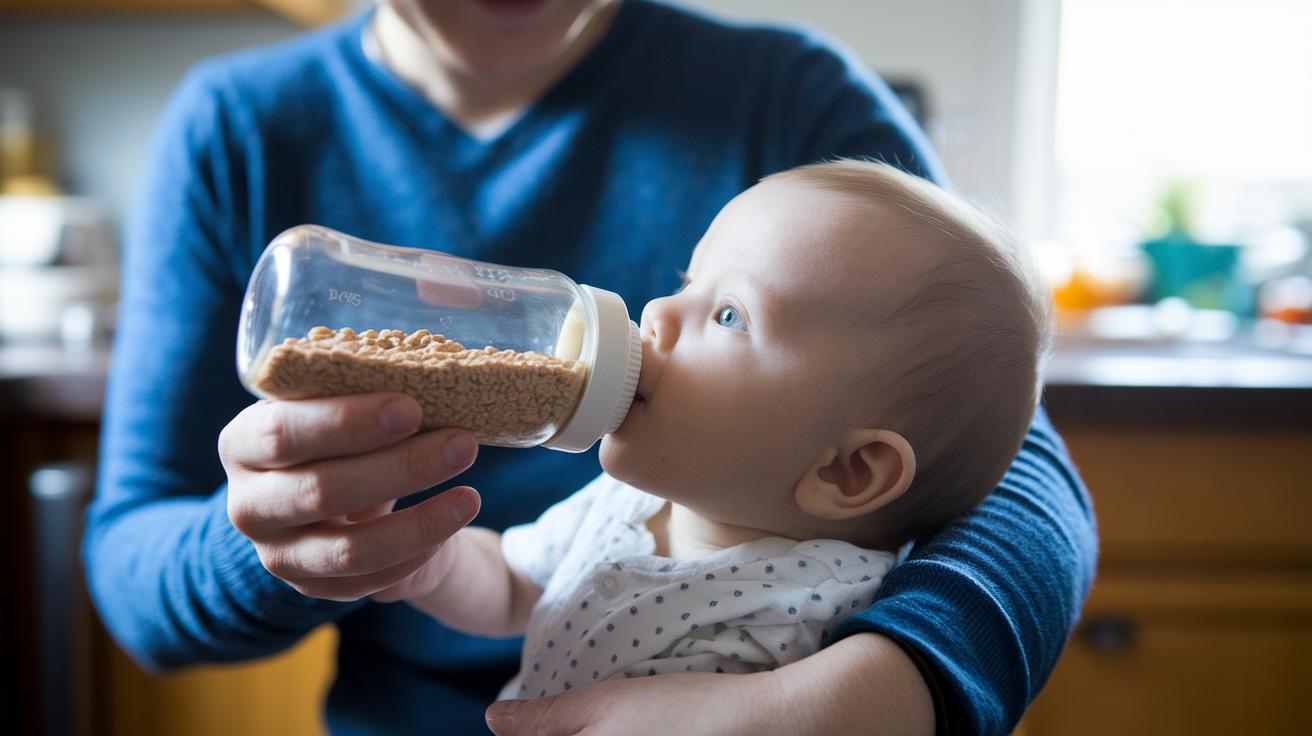
Many parents have tried adding cereal to bottles, hoping it would help their baby feel fuller and sleep for longer stretches. Some even say that a thicker bottle can help soothe a fussy little one. For example, one parent shared, "I added a bit of cereal to see if it helped her settle, much like a warm hat comforts you on a cool day."
Experts in baby care advise being cautious. They recommend using cereal in bottles only if a doctor suggests it, especially for issues like severe reflux (when food comes back up) or trouble swallowing. They also remind us that cereal should not replace regular feedings. So far, there isn’t good proof that thicker feeds can actually make babies sleep longer.
| Common Reasons |
|---|
| Helps ease reflux symptoms |
| May help extend sleep time |
| Addresses concerns about weight gain |
| Used as a doctor-approved alternative |
| Respects cultural feeding practices |
Current guidelines suggest that starting infant cereal as a solid food around six months is best, when a baby’s digestive system is more ready. Many parents find it helpful to follow an infant feeding chart for solids (https://womensconference.org?p=15064) to plan a safe and effective cereal feeding schedule.
Developmental Signs and Age Guidelines for Infant Cereal in Bottle Feeds
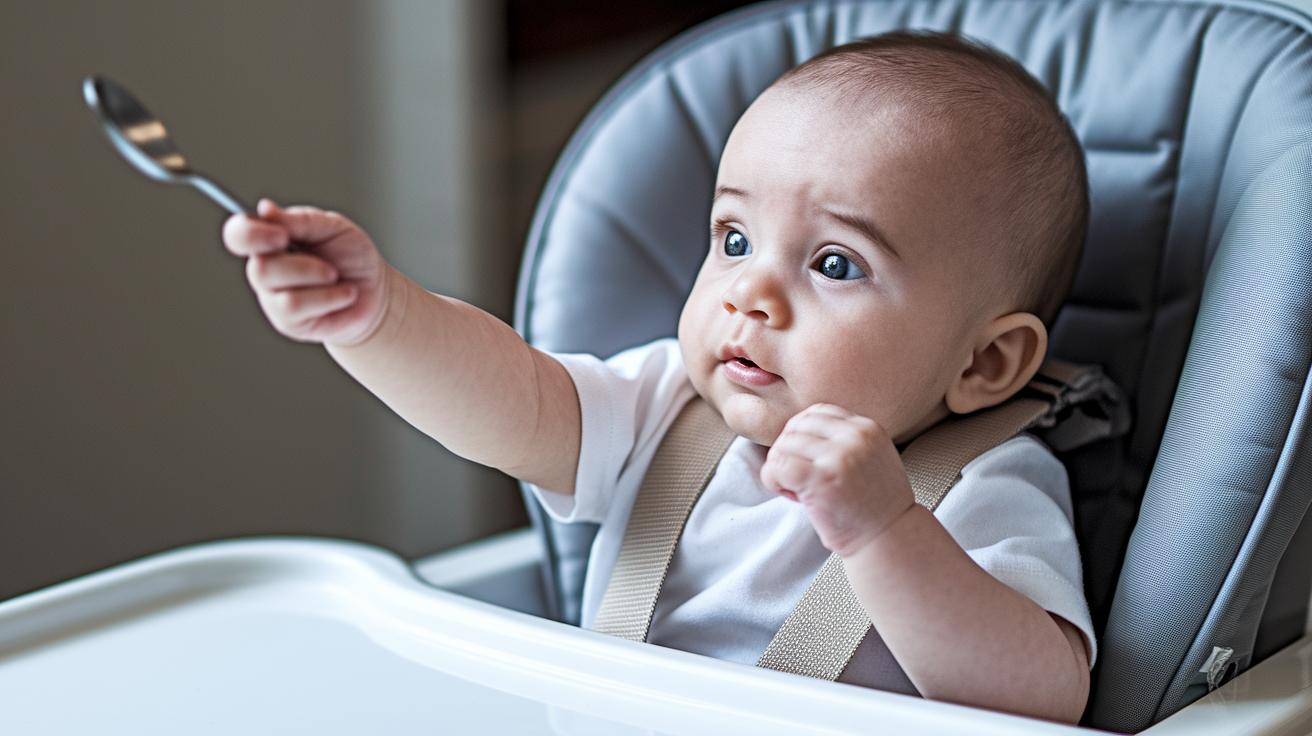
When your little one reaches about six months, experts say it’s time to shift from mixing cereal into the bottle to using a spoon. At this age, babies usually have enough head control and can sit with a little help, which makes spoon-feeding safer. Plus, their tummies are more ready to handle new textures.
Have you ever noticed your baby reaching for a spoon or watching you eat with curiosity? That’s a sweet sign they might be ready to try cereal. These little hints help you decide the best time to introduce a new food.
Look for four simple signals: your baby can sit with support, holds their head up, shows interest in the spoon, and swallows pureed foods without pushing them out. Around six months is typically the safe, gentle time to add cereal as part of their transition to solid foods.
Safety Guidelines and Risks of Adding Cereal to Infant Bottles
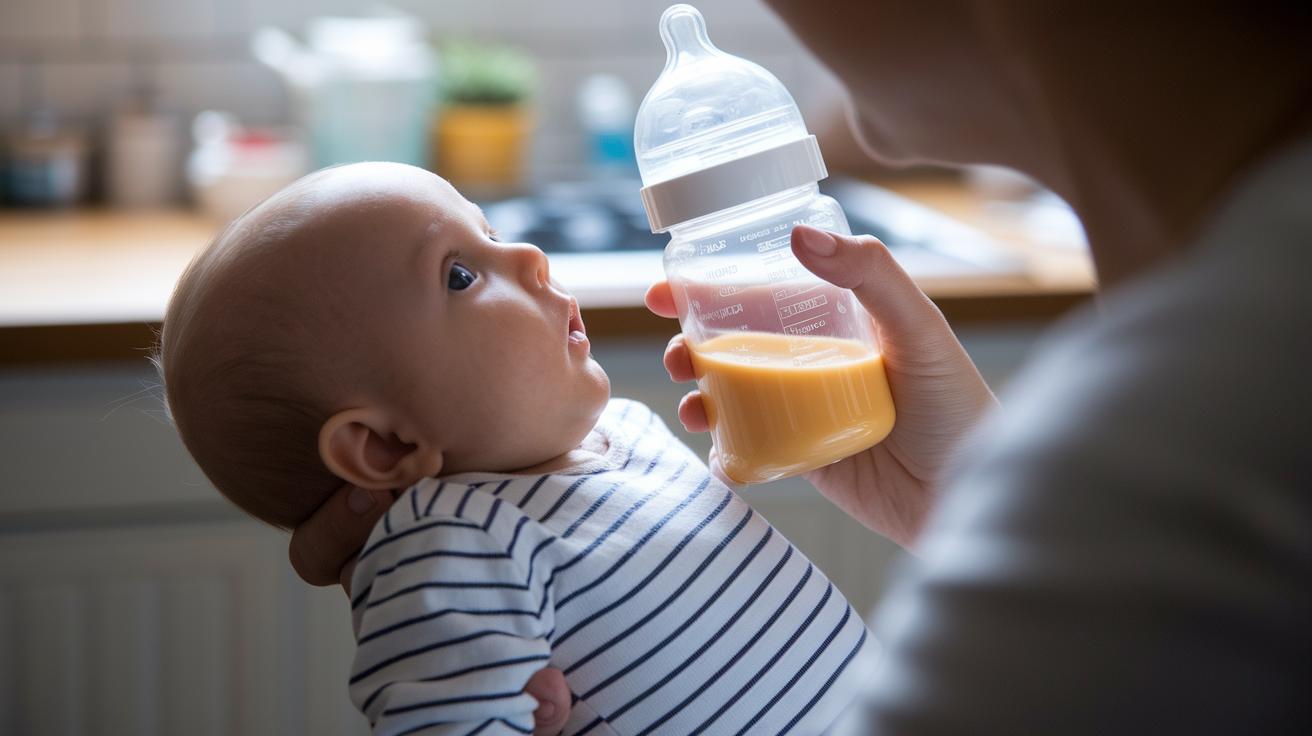
AAP experts advise staying away from mixing cereal into bottles filled with breast milk or formula on a regular basis. They explain that changing the natural consistency of a baby’s feed might stop them from knowing when they’re really hungry. Have you ever thought that a thicker mix might also raise the risk of choking or other feeding troubles? When cereal is added, it might not blend evenly, which can make feeding less safe. It’s best to avoid mixing cereal into bottles unless your pediatrician says it’s okay for a special health reason.
Here are some of the risks to be aware of:
| Risk | Explanation |
|---|---|
| Choking | The mix may become too thick, making it hard for the baby to swallow safely. |
| Nipple Issues | The texture can cause clogs in the bottle nipple, disrupting the flow of milk. |
| Consistency Problems | It’s hard to keep the right mix, which can affect feeding comfort and safety. |
| Bacterial Growth | Poorly cleaned bottles may encourage bacteria to grow in the mixture. |
| Overfeeding | A thicker feed might lead to overfeeding and mess with babies’ natural hunger cues. |
| Chewing Skills | The practice might delay the development of chewing skills and could lead to extra weight gain. |
If you’re thinking that a medical condition might mean adding cereal is needed, talk with your pediatrician. They can help make sure any changes to your baby’s feeding routine are both safe and just right for your little one’s growth.
How to Mix Rice and Oatmeal Cereal in a Bottle: Step-by-Step Guide
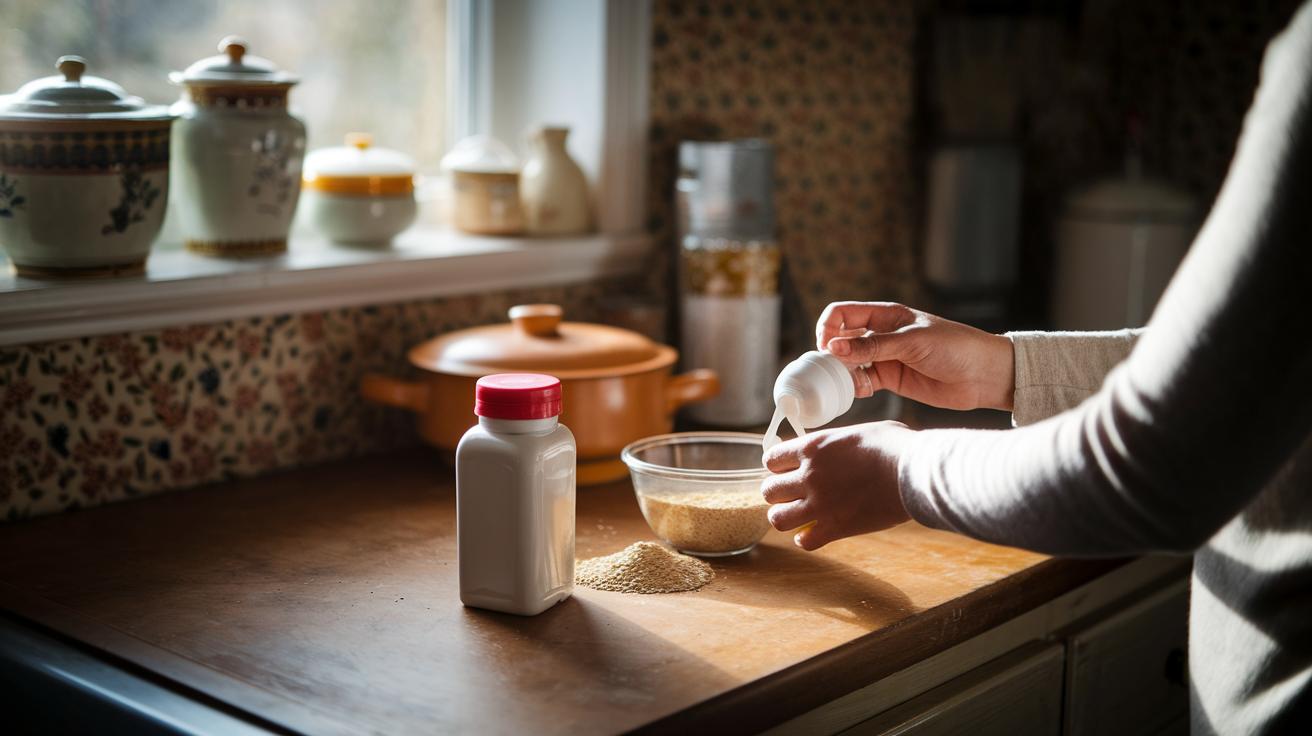
First, measure 0.5 teaspoon of rice or oatmeal cereal for every 2 ounces of formula. Warm your formula until it feels like your baby’s body temperature (about 98.6°F). This gentle warming makes sure your little one enjoys a cozy feed.
Next, pour the cereal into the warmed formula in a clean bottle. Stir the mix nicely using a small whisk or stirring rod until it’s smooth. A well-mixed blend helps keep any clumps away so your baby can feed safely.
Now, take a moment to check the texture. The mixture should be runny, as that’s best for soothing feeds. If you think a thicker mash might work better for your baby, you can slowly add up to 1 teaspoon per 2 ounces, but keep an eye on the texture to stay safe.
When it’s feeding time, hold your baby in an upright position and offer the bottle slowly. Watch your little one for signs of comfort or any hints that they need a break. It’s all about making the feeding time gentle and calm.
Finally, right after feeding, wash the bottle carefully. Any leftover mix should be tossed out within an hour to keep things clean and avoid bacteria.
Nutritional Pros and Cons of Cereal-Enhanced Bottle Feeds
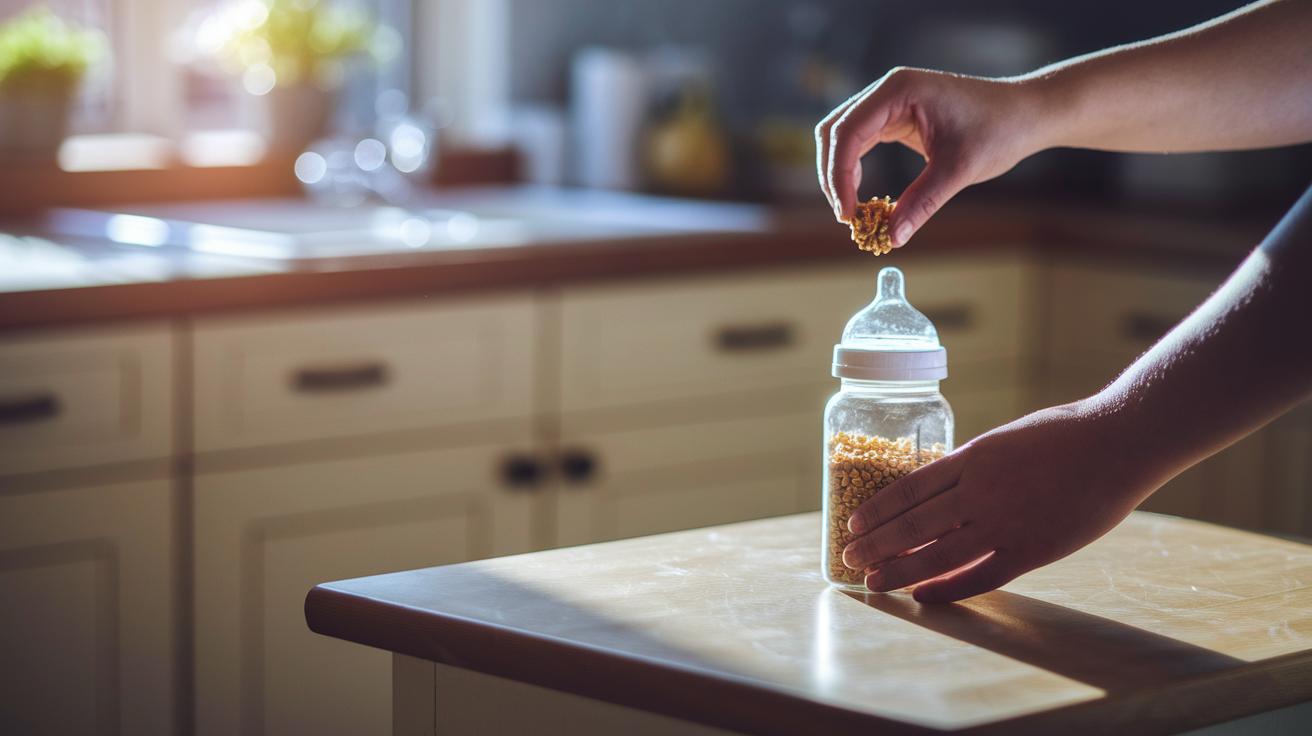
Sometimes parents add cereal to a baby’s bottle to boost iron and calories, which can help with healthy growth and prevent anemia. Oatmeal adds fiber and B vitamins that are gentle on tiny tummies, and many choose rice cereal because it’s less likely to cause allergies. But if cereal starts taking the place of breastmilk or formula, it can upset the natural balance of nutrients your baby really needs. When thinking about cereal-enhanced feeds, it’s about balancing these extra nutrients with a few possible drawbacks.
Pros:
- A boost of iron helps build healthy blood.
- The extra calories can give more energy.
- Some babies find it easier to digest.
- Rice cereal’s low-allergen nature may reduce the risk of allergies.
Cons:
- Rice cereal can sometimes contain trace amounts of arsenic.
- Too much fiber from oatmeal might be hard on a little tummy.
- It might interfere with a baby’s natural hunger signals.
- Relying too much on cereal can cause a nutrient imbalance.
Remember, the best approach is a balance. Cereal can add valuable nutrients, but it should only complement, not replace, the primary milk feeds to make sure your growing baby gets everything they need.
infant cereal in bottle Inspires Calm Slumber
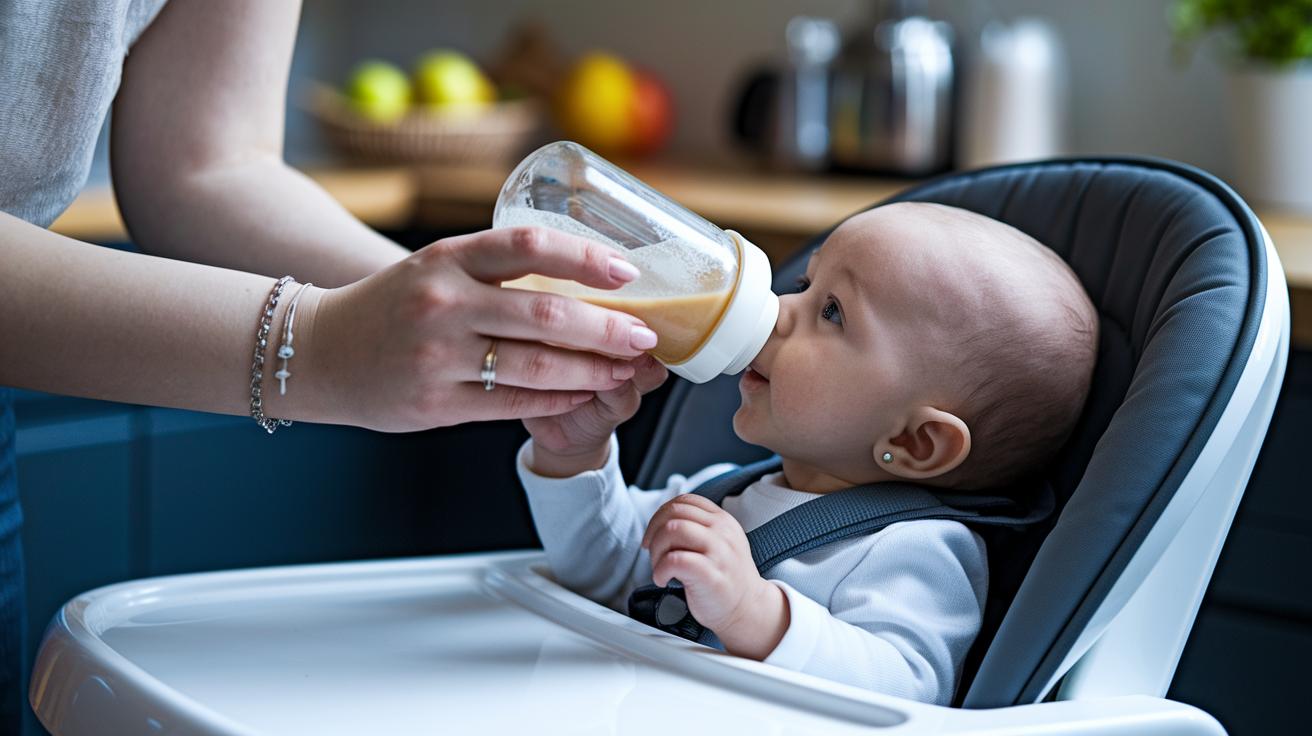
A lot of families are looking at alternatives to cereal when they thicken bottles to help with reflux. Many parents now use doctor-approved products made just for baby feeds. These products gently thicken formula while keeping its natural texture, and you can adjust the amount to suit your little one's needs. One mom said, "I switched to a commercial thickener after my pediatrician suggested it, and my baby now enjoys a smoother, worry-free feed."
Another idea is to change how you feed your baby to ease reflux naturally. Many parents find that smaller, more frequent feeds and keeping the baby upright during meals really helps. Taking gentle burping breaks and offering small spoonfuls of pureed foods when it's time for solids can create a calm, well-paced feeding routine that leads to more peaceful sleep.
Final Words
In the action, the post shared why some parents add cereal to bottles and what experts now advise. It highlighted parental motivations and pediatric guidelines while offering a clear outline of safety tips and step-by-step instructions for mixing formula and cereal.
Key points included guidelines on timing, developmental cues, and practical feeding strategies. It wrapped up by stressing that informed choices help support healthy feeding habits with infant cereal in bottle. Stay positive and keep nurturing your little one with care.
FAQ
When can I start putting cereal in my baby’s bottle?
The guideline for adding cereal is to wait until about six months, when solids are introduced. Pediatricians advise caution with earlier use unless there are specific medical reasons.
How much cereal should I put in a 4‑oz bottle and what kind is safe to use?
The recommendation is to add roughly 1 teaspoon per 4‑oz bottle. Mild infant cereals like rice or oatmeal are typically used, but always consult your pediatrician for guidance.
How do I mix rice cereal with formula in a bottle?
The method involves warming the formula to body temperature and adding 0.5 teaspoon for every 2 ounces, then stirring until smooth. The mixture should be used within one hour to keep it safe.
Is using infant cereal in a bottle safe for reflux in young babies?
The idea of using cereal for reflux means parents should be cautious. Evidence does not support routine use for infants, especially in 2- to 3‑month-olds, unless directed by a pediatrician.
What kind of cereal can be used in a baby bottle?
Common choices include infant rice and oatmeal cereals. These options are generally mild, but parents should check with their doctor to match their baby’s needs.