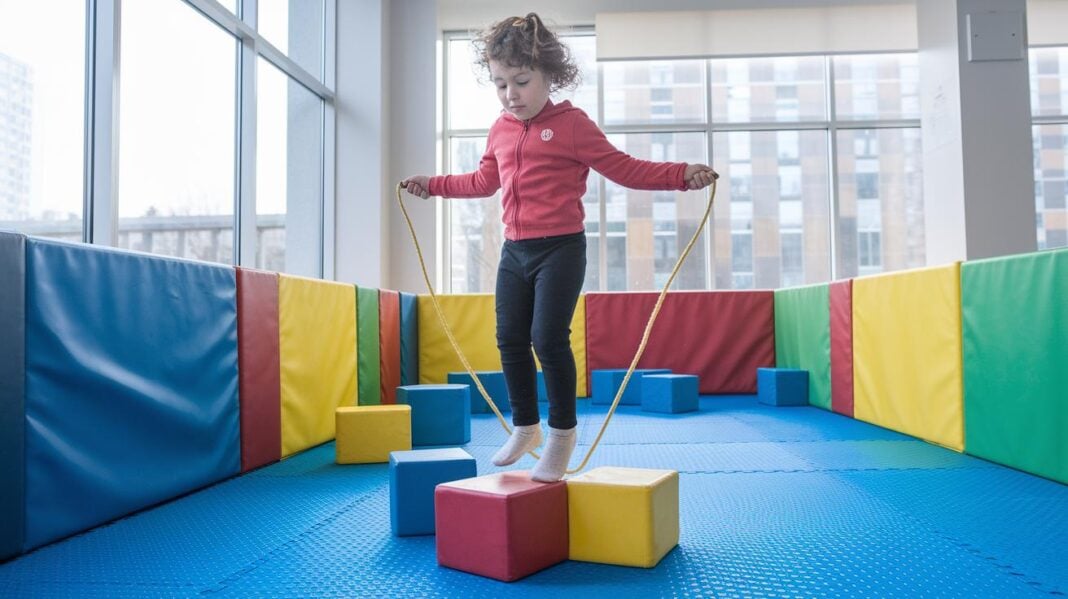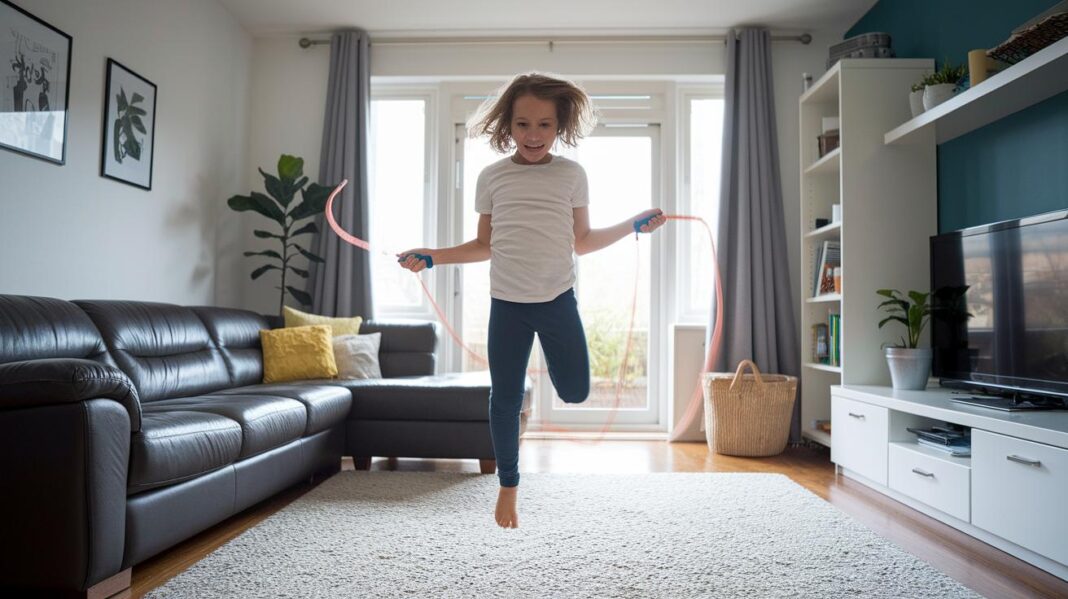
Have you ever noticed how a little burst of play at home can light up your child’s day and help them grow strong? Even a quick dance or a playful toss can build lasting skills, boosting your child’s coordination and confidence.
Everyday routines can turn into small adventures. It’s amazing how simple, fun moves not only create joyful moments but also support early learning right in your living room.
Let’s chat about how these little steps today pave the way for a happier, more active tomorrow. Imagine setting aside a few playful minutes and watching your child shine with newfound strength and joy.
Foundational Home Motor Activities for Early Development
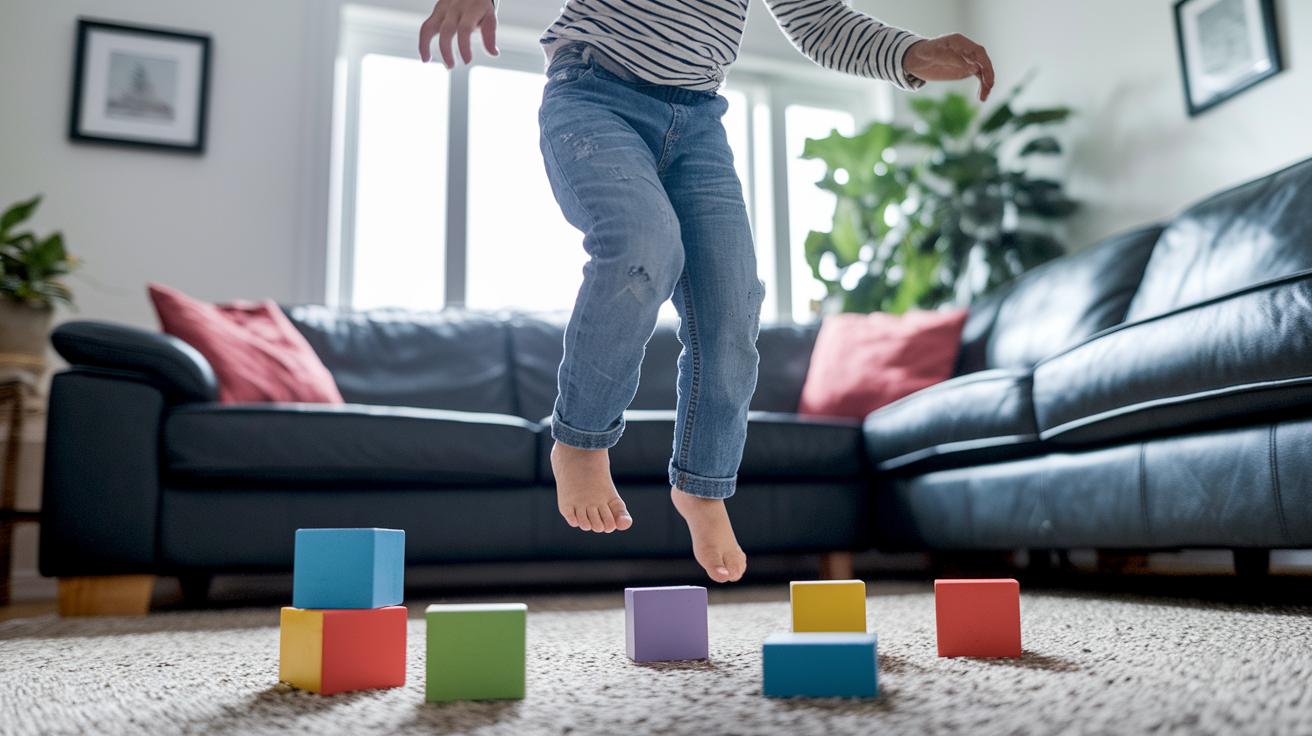
Have you ever noticed how a little bit of play can light up a day? Home motor activities offer simple, fun ways for kids to move and build strength right in your living room. Even a quick stretch or a playful dance can make a big difference. It’s amazing to think that just a few minutes of active play daily helps build the coordination that shapes future learning.
Big movements, like star jumps or a friendly scooter race, are great for using up energy and strengthening large muscles. And when little hands work on stacking blocks or threading pasta, they're getting even better control through fine motor play. Don’t forget sensory play either, setting up a small ball pit or even a rice bin invites them to explore textures and space in a hands-on way.
Every day, these little bursts of movement support important milestones. Regular play builds strength and balance and even boosts self-confidence and social skills. With each fun activity, children make progress physically and mentally, opening the door to more wonderful steps ahead.
Fine Control Games and Hand-Eye Coordination Drills at Home
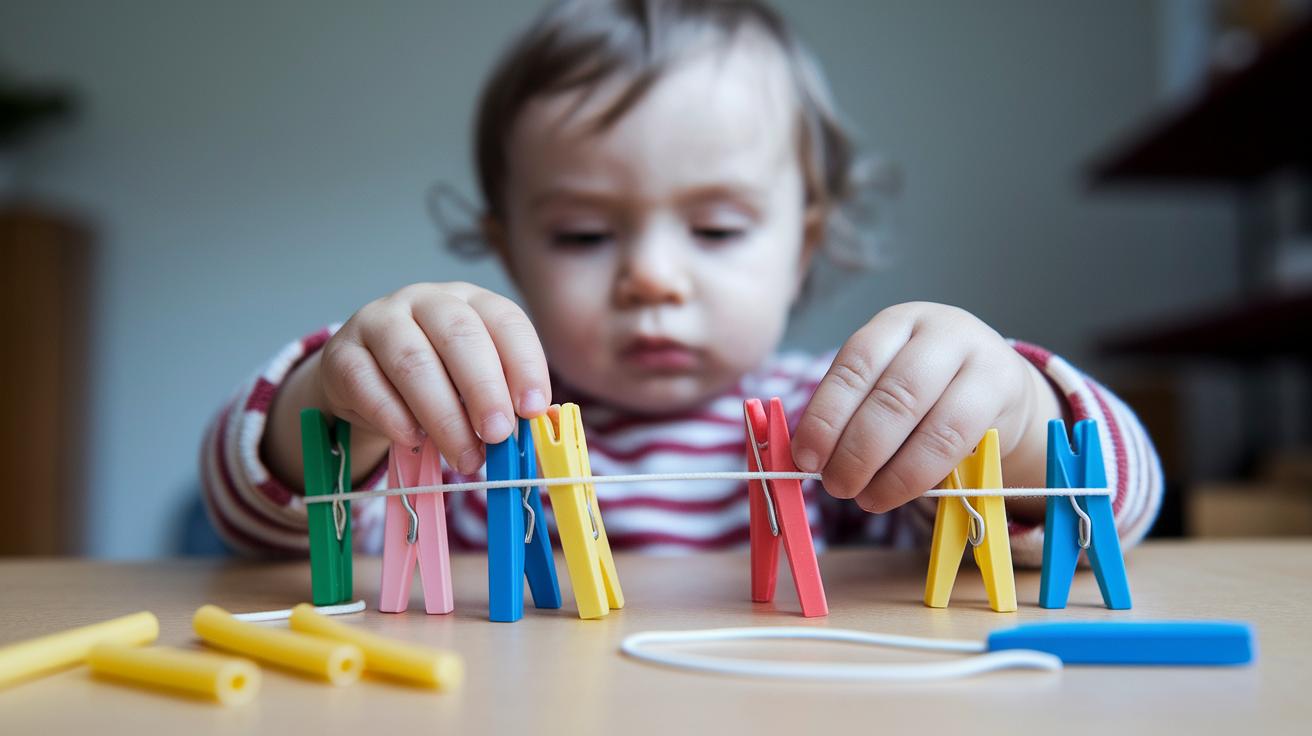
These fun exercises help little ones get better at writing and everyday tasks by building up finger muscles and honing coordination. They’re a playful way to improve little skills like holding a crayon or buttoning a shirt, and they give toddlers and preschoolers the chance to master movements with care and precision.
- Clothespin drop (Ages 2+): Gather some clothespins and a small container. Let your child pick up each clothespin and drop it into the container one by one.
- Pasta threading (Ages 3+): Offer some dried pasta and a piece of string. Guide your child as they work on threading the pasta, which helps with hand dexterity.
- Grape-pinch (Ages 3+): Cut a grape in half lengthwise and, with close supervision, let your child pinch each half and drop them into a bowl (always watch out for choking hazards).
- Button sorting (Ages 2+): Collect a mix of buttons and ask your child to sort them by size or color.
- Pom-pom tweezing (Ages 3+): Place a bowl of pom-poms and a pair of tweezers on the table. Let your child use the tweezers to pick up the pom-poms and transfer them to a cup.
- Sticker peeling (Ages 2+): Provide a sheet of stickers and encourage your child to peel and reapply them, which helps build finger strength.
- Coin stacking (Ages 3+): Give your child some coins and let them try stacking the coins carefully on a flat surface.
- Sponge squeezing (Ages 2+): Wet a sponge and invite your child to squeeze it repeatedly, strengthening their hand muscles.
Small parts can sometimes be a choking risk, so always keep a close eye on your little one. Feel free to adjust how easy or hard you make these activities based on your child’s current skills.
Indoor Physical Play Exercises for Gross Movement Training

At home, gross movement exercises help kids build strength, improve their balance, and boost coordination while having a great time. These fun indoor activities get children moving their big muscles in a safe and familiar space. Plus, they offer a playful way for your little one to get fitter with creative exercises that only take a few minutes to set up.
| Exercise | Target Skill | Materials Needed | Adaptation Tips |
|---|---|---|---|
| Starfish Jumps | Balance and Coordination | Open floor space | Lower the jump distance for beginners |
| Scooter Races | Leg Strength and Agility | Scooter or a ride-on toy | Set up a non-slip track |
| Pillow Balance | Core Stability | Soft pillow | Hold the balance for a shorter time if needed |
| Spinning-Jump Combos | Coordination and Spatial Awareness | Clear space | Slow down the spin for younger kids |
| Toe-Touch Drills | Flexibility | Clear, flat surface | Offer gentle support and prompts |
| Crawling Challenge | Motor Planning and Strength | Cushioned mats or a soft rug | Create a simple, short obstacle course |
Before the fun begins, make sure the play area is clear and safe from hazards. Using soft surfaces, like rugs or non-slip mats, adds extra cushioning. This way, your child can build motor skills while staying safe and enjoying every move!
Sensory Integration Play Strategies for Motor Development
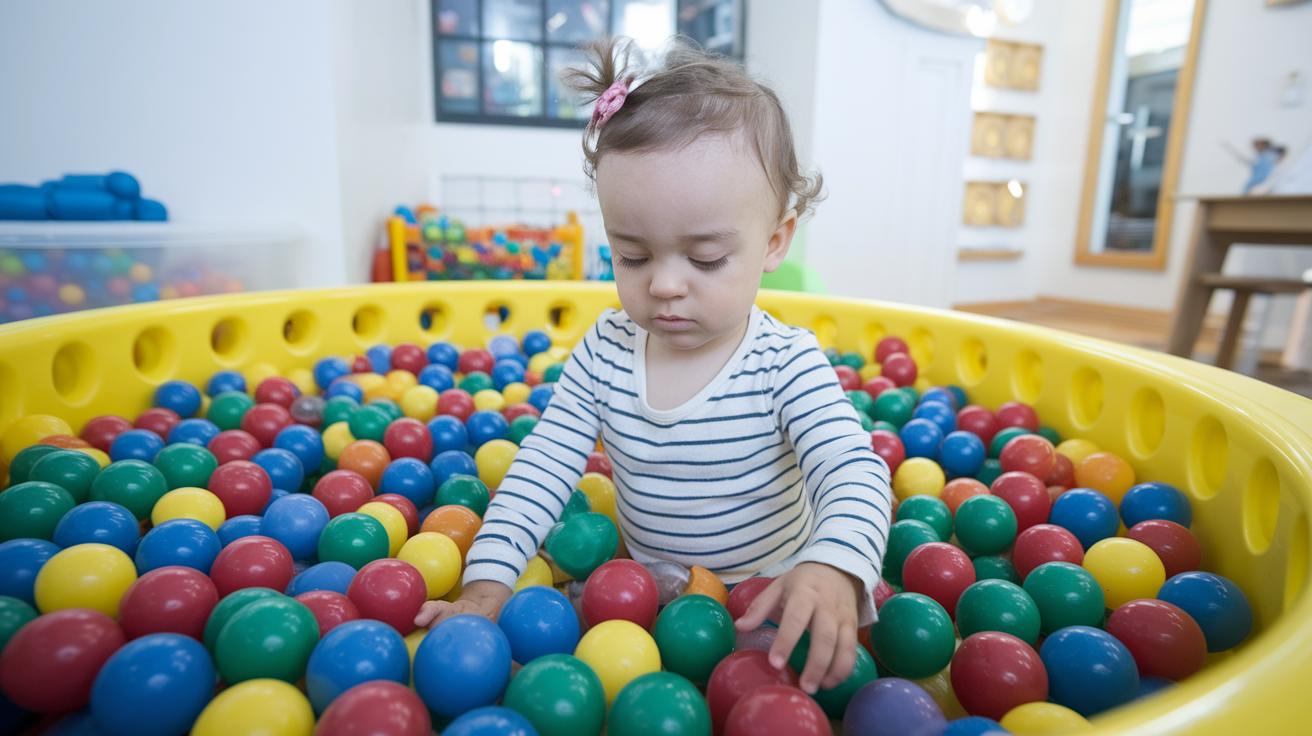
Sensory play helps kids build coordination and learn how to handle their feelings. When your little one touches different textures, they work on their balance and focus. It’s a gentle way to encourage self-control while they explore the world around them. Imagine it like a fun game where every touch helps them learn a bit more about moving and feeling.
Try these playful activities: First, create a ball-pit scooping game with about 150 soft balls. This gives them plenty of texture to feel as they dig in. Next, fill a container with rice or beans to build a tactile bin where they can explore with their hands. Then, set up a simple pillow push and pull, let your child gently slide a soft pillow across a safe space to feel different levels of resistance. Finally, try a weighted towel carry by having them drag a small towel from one spot to another, which helps them sense pressure and move deliberately.
Watch how your child reacts, and if they seem a little overwhelmed, it’s perfectly okay to slow things down or shorten the activity. Sometimes, just having a few fewer balls in the pit or choosing a less stimulating bin can make all the difference in keeping playtime calm and enjoyable.
Structuring Home Activity Circuits to Build Motor Control
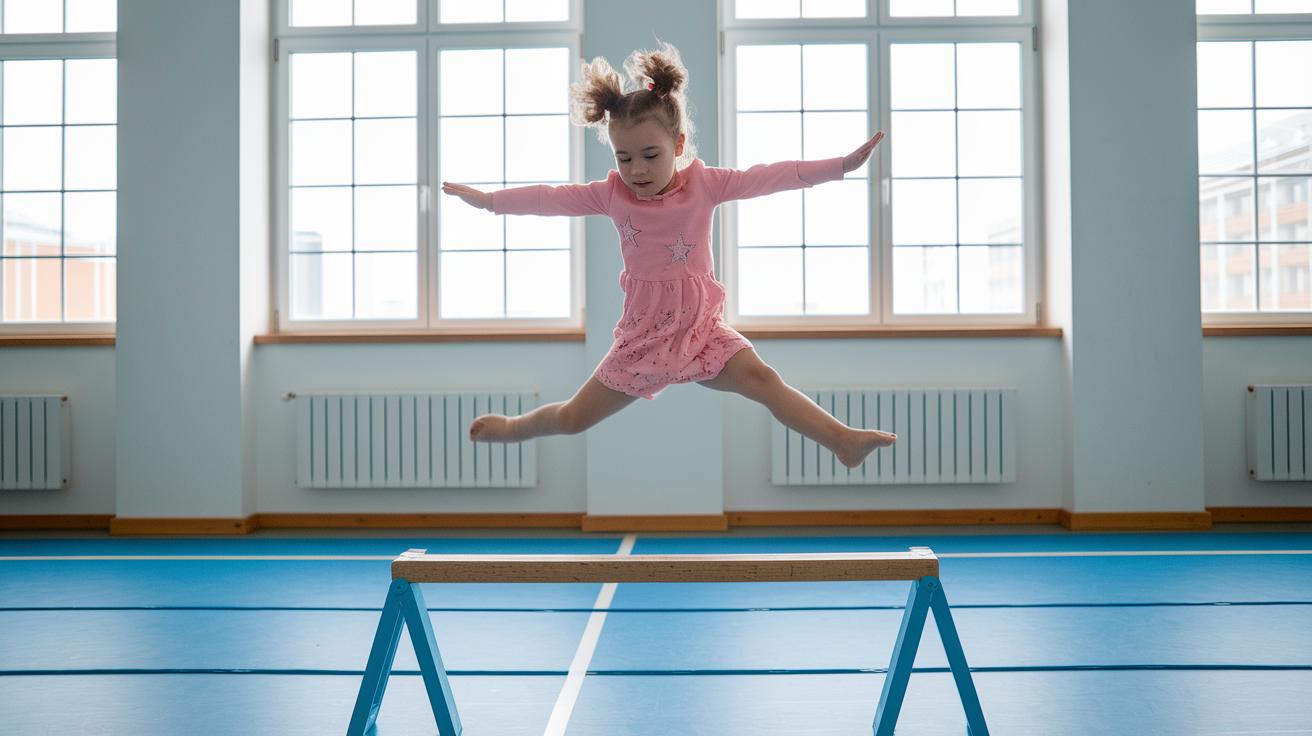
Circuit setups make playtime fun and full of movement. They mix different activities that help kids work on balance, strength, and coordination in an easy, exciting way. Picture your little one leaping into star jumps and then carefully threading beads, as if simple household items turned into sparks of joy!
When you're planning a circuit, try to create 4 to 6 stations in a safe, open space. Start with activities that use big muscles, like scooter sprints or jumping stars, then move on to tasks that use small muscles, like bead threading. You can even use everyday items, like laying down some masking tape to create a balance beam. This mix of big and small movements helps build all kinds of motor skills.
Have your child spend about 30 to 60 seconds at each station. They can move from station to station in a steady order, with little breaks to catch their breath in between. It’s like a mini time challenge that makes the circuit even more fun! Adjust the time or order of the stations as needed, so the circuit stays fresh and matches what your child is ready for. This playful routine turns everyday movement into an adventure, sparking joy while building lasting motor skills.
Age-Specific Home-Based Routines for Infants, Toddlers, and Preschoolers
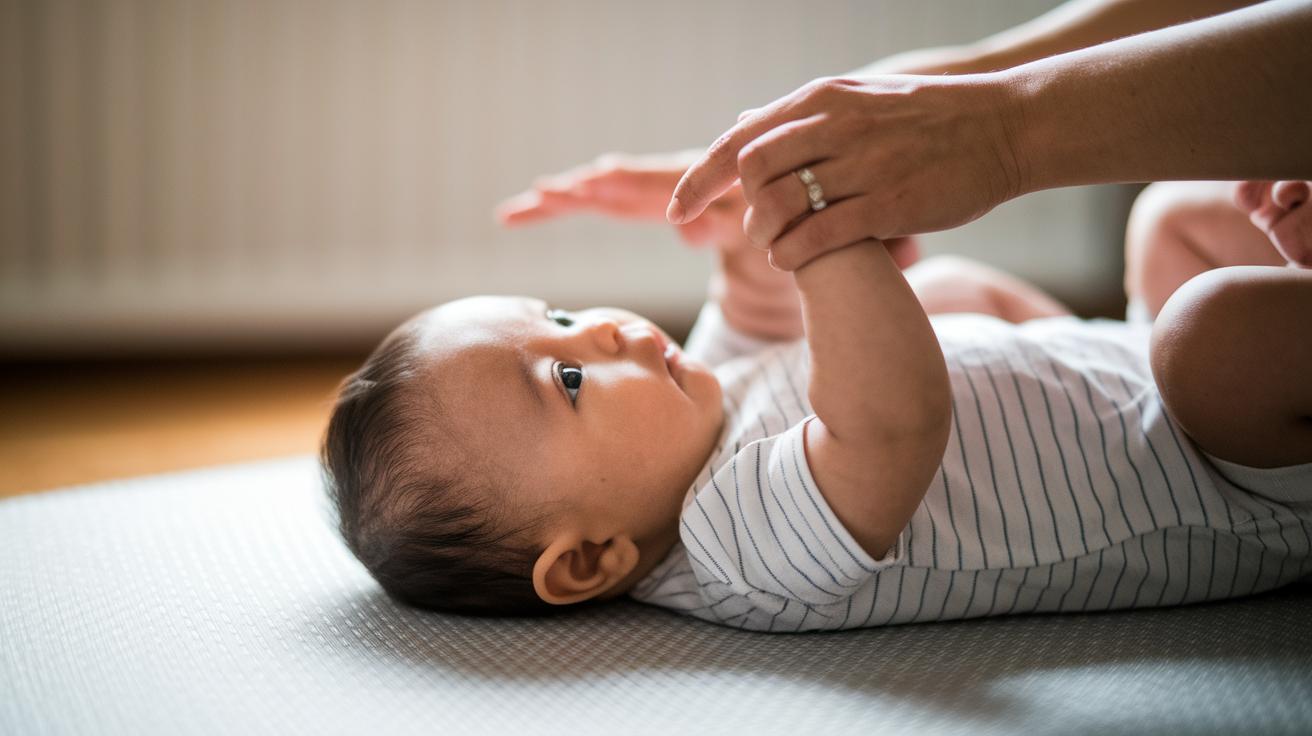
Infant Movement Exploration
For little ones, simple activities can kickstart movement and build the basic skills for later. You might try a rattle head-turn drill, slowly moving a rattle from one side to the other so your baby turns their head. That gentle motion helps strengthen neck muscles. A bit of tummy time lets them lift their head and push up just a little bit, and when you help them shift into different sitting positions, it supports their growing core strength and comfort.
Toddler Mobility Games
Toddlers are full of curiosity, and playful games can really get them moving. Think about a fun bean bag toss where they gently toss a soft bean bag into a basket, it helps with hand-eye coordination and following simple rules. Tunnel crawling games, whether you use a play tunnel or make one with a blanket, invite them to crawl in a safe and fun space while using their whole body. You can even set up a colorful stepping stone path on the floor to turn walking into a playful challenge that boosts balance and navigation skills.
Preschool Physical Play
When it comes to preschoolers, mixing movement with a few simple steps makes play extra fun and helps develop their motor and listening skills. Try organizing star jumps so they burst into a jump with arms and legs spread out, which builds coordination and balance. Scooter races on a clear, open floor can boost leg strength and give them a sense of space while adding a friendly competitive spark. And by using painter’s tape to mark a makeshift balance beam, you create a fun challenge that helps them focus on each step. These activities not only support physical growth but also encourage listening and following directions in a playful way.
Home Activities for Motor Development: Spark Joy
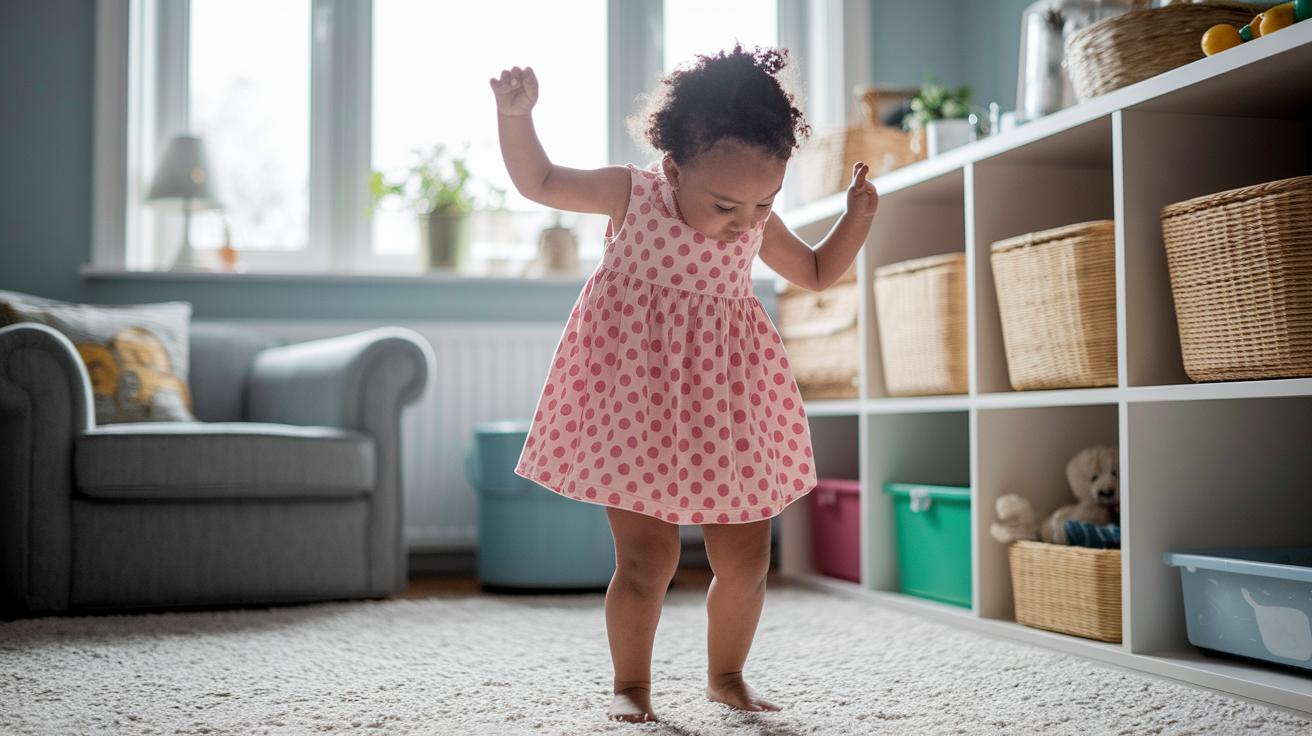
Keeping the space safe matters, but today we're all about creating a fun zone that makes little ones excited to move. Start by playing soft, cheerful tunes, hanging up bright decorations, or using gentle lighting to turn a regular room into a lively playground. Imagine a cozy dance spot where every spin feels like a burst of sunshine, just like when Jamie twirled to her favorite beat.
Here are some playful ideas to spark joyful movement and help boost motor skills:
- Movement Storytime: Tell a simple, fun story that invites your child to act out silly parts.
- Bubble Chasing: Blow bubbles and let your child run after them, which helps with balance and hand-eye coordination.
- Rhythm Play: Use soft fabric wands or easy shakers to encourage moving to a gentle beat.
- Movement Charades: Act out funny actions with big, playful motions and ask your child to copy you, turning it into a fun game.
Before you get started, take a quick look around to make sure everything is safe. Then, let the fun and happy energy take over!
Monitoring Progress and Modifying Home Motor Activities
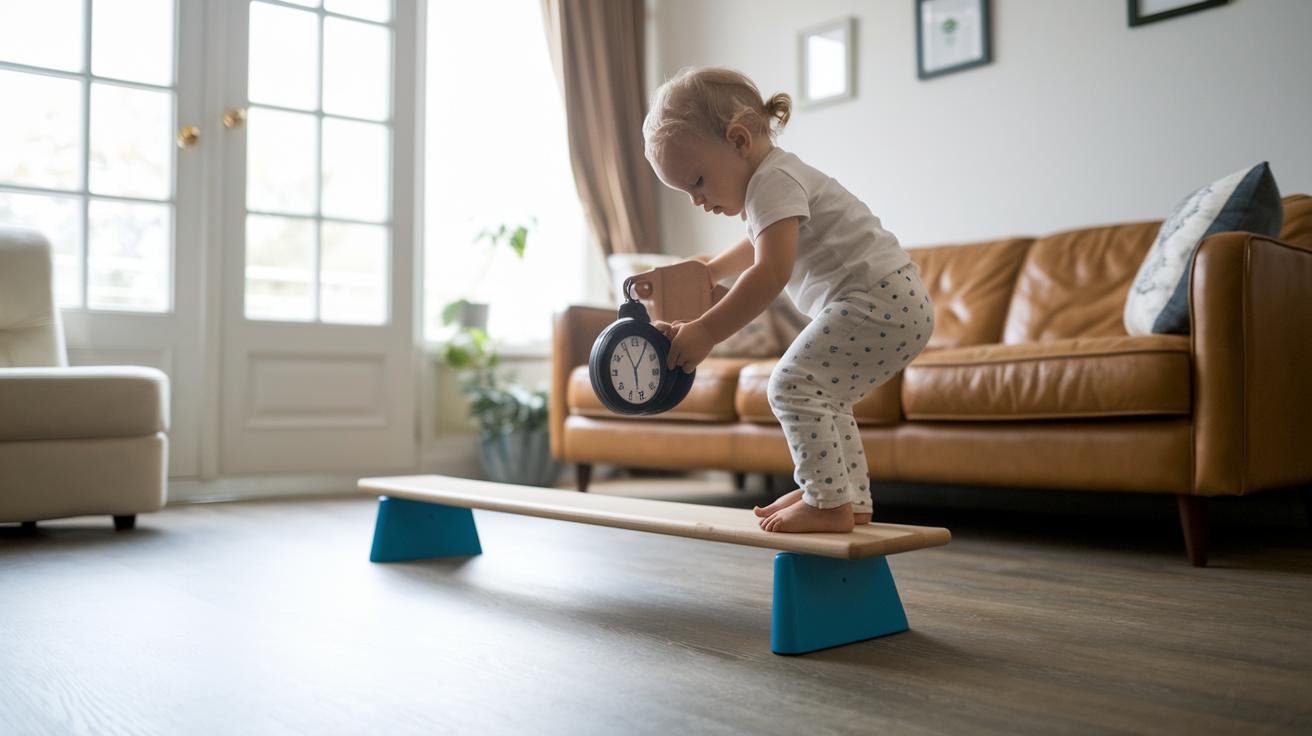
Start by noticing your child's starting skills. Keep a simple note of how many star jumps they can manage in a minute or how tightly they grip a small toy. For example, jot down the number of times they pick up a bean bag during a timed activity. A basic checklist can help you see where they stand in balance, coordination, and hand control.
Then, try making small changes to gently boost the challenge. Reduce the breaks between activities or use a narrower surface when practicing balance. You might also switch to using tinier items for pick-up tasks, which can help improve their hand control. These little adjustments let you see step-by-step improvements in handling more complex tasks.
Keep the routine steady and celebrate every small win, a new star jump or a bit more time holding a balance. Chat with your child during play and be open to tweaking the activities so they stay fun and a bit challenging as skills grow.
Final Words
In the action, this article shared simple ideas to boost early motor skills. We covered easy home setups that support gross, fine, and sensory stimulation. You read practical tips for fun activities like hand-eye coordination drills and creative indoor circuits. Safety tips and material checklists made sure every activity stays safe and engaging. These tips bring guidance for families looking to have fun while helping children grow. Give these home activities for motor development a try and enjoy the rewarding moments they create.
FAQ
What home activities can support motor development?
Home activities for motor development include engaging exercises like obstacle courses, fine motor puzzles, and sensory play that boost coordination and balance using everyday household items.
What fine motor skills activities work well for toddlers and preschoolers?
Fine motor skills activities for toddlers and preschoolers include games like grape pinching, button sorting, and pasta threading that improve hand dexterity while offering fun, safe challenges.
Which motor development games help with gross movement?
Gross motor skills games like star jumps, scooter races, and indoor obstacle courses enhance balance, strength, and coordination, making playtime both fun and beneficial for overall movement.
What is a good home activity for families with infants aged birth to 8 months?
For infants, activities such as guided tummy time and rattle head-turn exercises gently build neck strength and encourage early motor skills, offering a simple and nurturing start.
What DIY activities can I use for motor development at home?
DIY activities for motor development use common items like clothespins, pasta, and beans to create creative games that promote both fine and gross motor skills in a fun, safe way.
How can I find free home activities for motor development?
Free home activities for motor development can be set up using household objects and simple exercises that boost balance and coordination without requiring expensive materials or equipment.