

Have you ever thought that what you eat might change your breastfeeding journey? Many moms discover that simple, smart food choices can boost both milk supply and energy.
When you add whole grains, lean proteins, and healthy fats (those good fats your body loves) to your meals, you’re giving your body extra strength during this special time. In this post, we share seven foods that not only support nursing but also make you feel lively and well taken care of.
Give these ideas a try and see if they bring a little extra boost to your day!
7 best foods for breastfeeding: Embrace Vitality

Eating a balanced diet is one of the best ways to support your milk supply and overall health. Whole grains like oats and barley are nature’s little helpers. They have fibers such as beta glucan (a natural type of fiber) that many believe can boost milk production. Fun fact: a warm bowl of oatmeal has comforted countless moms and is one of the top foods many of us rely on to help with milk flow.
Lean proteins from foods like chicken, eggs, and dairy give your body the essential building blocks needed for making nourishing milk. Legumes, beans and lentils, offer plant-based protein and fiber that keep your digestive system on track.
Healthy fats from nuts, seeds, and avocados not only give you energy during postpartum recovery but also support the creation of nutrient-rich milk. Fresh fruits and vegetables, including dark leafy greens, berries, and citrus, deliver vitamins and antioxidants that help boost your immunity and overall well-being.
Herbal galactagogues such as fenugreek have been used for generations to support milk production naturally. And don’t forget to drink enough water and enjoy calming herbal teas to stay well hydrated. Regular nursing or pumping remains key to keeping your milk supply steady. Combine these nutrient-rich foods with good sleep and mindful stress management, and you’re setting up a routine that nurtures both you and your baby.
Lactation-Supporting Whole Grains for Breastfeeding Moms
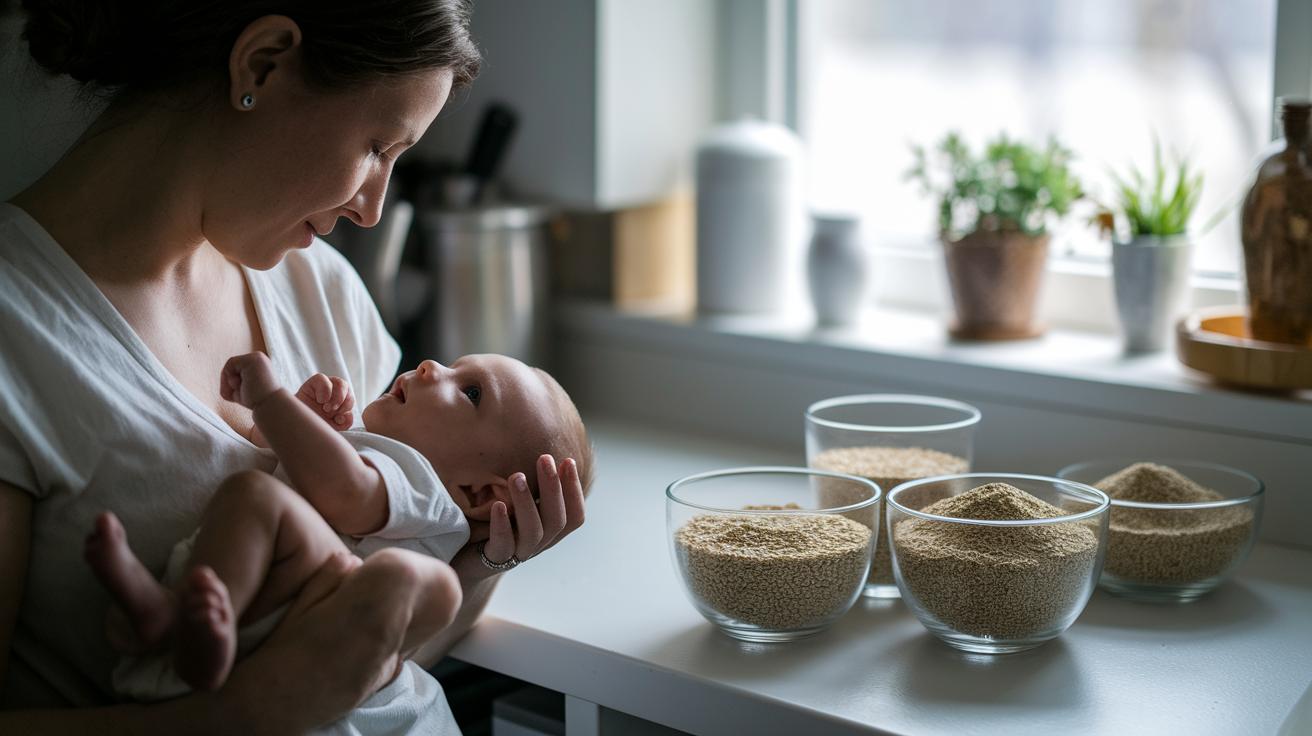
Whole grains are a natural way to give your body the nourishment it needs while breastfeeding. They can help support your milk supply, thanks to parts of the grain like oats and barley. These grains have been trusted for ages to boost milk production due to a type of fiber called beta-glucan, which is linked to higher levels of prolactin (a hormone important for making milk). And it’s not just oats and barley, adding brown rice, quinoa, or whole-wheat pasta can give you lasting energy and vital B-vitamins that help with milk synthesis. Plus, these grains even bring a bit of balance to your hormones with their natural plant estrogens.
Bringing a mix of whole grains into your daily meals can really simplify your breastfeeding diet, even on the busiest days. Think of these grains as solid building blocks that add both nutritional punch and ease to your planning. The right portions not only keep you energetic but also support your body during this special time.
| Grain | Lactation Benefit | Serving Suggestion |
|---|---|---|
| Oats | Rich in beta-glucan for boosting milk production | A warm bowl of oatmeal |
| Barley | Classic helper as a natural galactagogue and fiber source | Served as barley soup or in a salad |
| Quinoa | Offers steady energy and essential B-vitamins | A side dish or mixed into a grain bowl |
| Whole-Wheat Pasta | Provides complex carbs crucial for milk synthesis | Made a main meal centerpiece |
Protein-Rich Foods to Support Breast Milk Composition

Protein is like the building block in your breast milk that helps your baby grow and thrive. Foods like chicken and turkey are great choices because they give you quality protein, iron, and B12, all of which help boost your energy and milk supply. Eggs and dairy or fortified plant-based alternatives work in a similar way, offering the protein and extra nutrients your body needs to keep you strong.
Legumes and lentils are another wonderful option. They not only pack a protein punch but also add fiber, which aids your digestion and helps keep your diet balanced. A typical portion of lean meat or its protein equivalent, around 3 to 4 ounces, fits well into your daily meal plan.
And don’t forget fatty fish like salmon. It adds protein and vitamin D to your diet, which enhances the nutritional quality of your milk for your baby's development. Enjoying a small salmon fillet a few times a week can really help you maintain your nutrient reserves.
Mixing these protein sources throughout your meals helps lay a strong nutritional foundation for every feeding, supporting both your recovery and your baby’s growth.
Healthy Fats and Omega-3 Sources for Breastfeeding

Adding healthy fats to your meals can really help boost the nutrients in your milk and support your recovery after having your baby. Fatty fish like salmon or sardines provide omega-3 DHA (a nutrient that helps your baby’s brain grow), which is like a special ingredient that lifts the quality of your milk.
Nuts, seeds, avocado, and olive oil are great choices to keep you feeling energized throughout the day. These foods give you monounsaturated fats that work like little bursts of energy. Maybe try enjoying a handful of nuts or adding a drizzle of olive oil over a fresh salad, it's a tasty, easy way to get more nutrition.
Flaxseed and chia seeds are another lovely option. They offer plant-based ALA (a stepping stone to DHA) and blend beautifully into your routine. You can sprinkle them into your yogurt or mix them into a smoothie for a subtle nutty flavor. Experimenting with these healthy fats can give your milk a little extra boost while adding a comforting touch to your meals.
Fruits, Vegetables, and Herbal Galactagogues for Breastfeeding
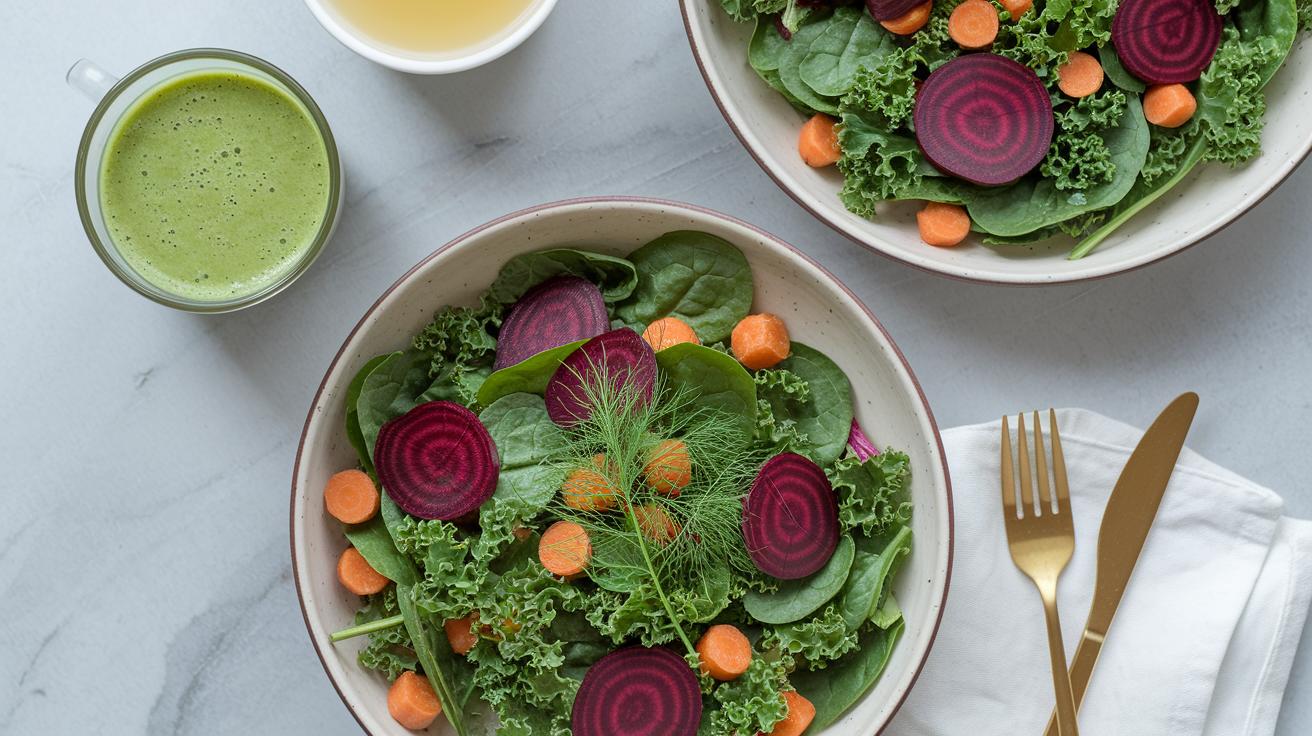
Eating fresh fruits and vegetables like dark leafy greens (spinach and kale), bright beets and carrots, berries, and citrus gives you iron, vitamin A, and vitamin C to boost your energy and keep your immune system strong. Herbs like fenugreek, blessed thistle, and fennel naturally help support milk production by adding plant estrogens that work hand in hand with a balanced breastfeeding diet.
Imagine a crisp salad of spinach and kale with a splash of lemon, or a smoothie bursting with the rich colors of beets and carrots, each bite filled with taste and goodness.
Picture yourself sipping a warm cup of fennel tea, a gentle, time-tested way to support your milk supply.
Hydration and Best Drinks for Breastfeeding

Water is the secret behind keeping your milk supply strong, every sip really counts. It’s all about drinking enough water during the day because staying hydrated helps your body naturally keep up its milk production.
Herbal teas, such as those made with fenugreek (a common herb used by nursing moms) or nettle, offer a gentle, soothing sip alongside water. Coconut water is another tasty option that refreshes you while keeping you well hydrated. These drinks easily fit into your day and add a little variety to your routine.
At the same time, it’s smart to cut back on drinks with caffeine, like coffee, black tea, or green tea, to keep your baby calm and help with their sleep. And if you ever decide to have a little alcohol, try to stick to one standard drink and wait at least two hours before nursing, so your body has time to process it. Sometimes, nothing beats the simple, steady flow of water in keeping both you and your baby nourished and happy.
Foods to Limit and Avoid During Breastfeeding

When you’re breastfeeding, paying attention to your diet can help you see if your baby is reacting to something. For example, you might notice your little one gets fussy after you eat certain foods. High-mercury fish like shark, mackerel, and swordfish can add harmful chemicals to your milk, so it’s best to skip them. Also, eight common allergens, peanuts, tree nuts, wheat, soy, dairy, eggs, fish, and shellfish, may cause sensitivity in some babies.
Spicy foods and veggies such as broccoli or cauliflower might lead to gas for some moms. If your baby seems uncomfortable, try taking these foods out of your diet for a little while. Remember, this isn’t about strict rules. It’s all about experimenting one small change at a time and noticing how your baby reacts.
Breastfeeding Meal Plans and Snack Ideas for Busy Moms

We've put together two friendly daily meal plans that fit nicely into your breastfeeding routine. They mix lean protein, whole grains, healthy fats, and plenty of fruits and veggies to keep you energized and support your milk supply. It’s like having a little boost throughout your day!
Meal Plan One
• Breakfast: Enjoy a warm bowl of oatmeal topped with sliced bananas and a sprinkle of chia seeds, paired with a glass of water or a gentle herbal tea.
• Mid-Morning: Treat yourself to a serving of Greek yogurt mixed with fresh berries and a drizzle of honey for a sweet lift.
• Lunch: Have a whole-wheat wrap filled with grilled chicken, crisp mixed greens, and creamy avocado slices, alongside some crunchy carrot sticks.
• Afternoon: Savor a small bowl of quinoa salad tossed with black beans, diced bell peppers, and a dash of olive oil – light and satisfying.
• Dinner: Wind down with baked salmon, a side of brown rice, and steamed broccoli finished off with a squeeze of fresh lemon.
Meal Plan Two
• Breakfast: Start your day with whole grain toast topped with softly scrambled eggs and a slice of tomato, enjoyed with a cup of water.
• Mid-Morning: Blend up a refreshing smoothie with spinach, apple, and a spoonful of almond butter to keep your energy up.
• Lunch: Chow down on a bright salad loaded with leafy greens, grilled tofu, walnuts, and a drizzle of olive oil mixed with lemon juice.
• Afternoon: Warm up with a small bowl of lentil soup filled with a mix of diced vegetables.
• Dinner: Enjoy a hearty bowl of stir-fried brown rice with mixed vegetables paired with lean turkey strips.
Quick snack ideas:
• Oatmeal bars
• Homemade milk-boosting cookies
• Trail mix with nuts and seeds
• Fruit and nut mini muffins
• Sliced apples with a spread of almond butter
Final Words
In the action, we explored how whole grains, lean proteins, healthy fats, fresh fruits, and plenty of fluids work together to support lactation and a mother's well-being. Each section showed how a balanced diet can gently improve milk quality and energy levels. Even meal plans and snack ideas for busy moms offer practical support every day. Embracing these tips with the best foods for breastfeeding can make a difference for you and your little one, fostering a sense of calm and confidence.
FAQ
What are the best foods for breastfeeding moms?
The best foods for breastfeeding moms include whole grains like oats, lean proteins, healthy fats, fruits, vegetables, and select herbs. This balanced mix supports milk nutrients and overall maternal well-being.
Which foods naturally help produce breast milk?
Foods that naturally help produce breast milk include oatmeal, whole grains, lean proteins, and herbal galactagogues like fenugreek. They support hormonal balance and enhance overall milk quality.
What are the best drinks to boost breast milk naturally at home?
The best drinks to boost breast milk naturally at home include water, herbal teas (such as fenugreek tea), and coconut water. Staying well-hydrated is key to maintaining milk supply.
Which items should be avoided while breastfeeding?
Items to avoid while breastfeeding include high-mercury fish, overly spicy foods, and certain common allergens if they trigger baby sensitivity. Moderating these can help keep both baby and mom comfortable.
What does a balanced breastfeeding mother diet chart look like?
A balanced breastfeeding diet chart features whole grains, lean proteins, healthy fats, and plenty of fruits and vegetables, paired with nutrient-rich snacks. This mix helps sustain energy and supports excellent milk quality.
What are lactation cookies and how do they help?
Lactation cookies are snacks made with ingredients like oats, brewer’s yeast, and flaxseed. They offer a tasty treat that may support milk production while giving a quick boost of energy.
What should a breastfeeding mom eat to help increase baby weight?
To help increase baby weight, a breastfeeding mom can choose calorie-rich, nutrient-dense foods such as lean proteins, whole grains, healthy fats, and ample fruits and vegetables for steady nutritional support.
What is the 3-3-3 rule for breast milk?
The 3-3-3 rule for breast milk is a guideline suggesting feedings every 3 hours, using 3 relaxation techniques to aid milk letdown, and a few extra minutes of skin-to-skin contact. This rule can help promote steady milk supply.


