
Have you ever wondered if a little extra help could make breastfeeding feel even more natural? There’s a simple system that uses a tiny tube to offer extra milk while still keeping that special skin-to-skin closeness with your baby. It even helps moms who sometimes worry about not having enough milk by gently boosting production. Imagine a feeding routine that stays familiar but also gives you a bit of added relief. Let’s explore how this method can transform your breastfeeding journey.
How Supplemental Nutrition Systems Enhance Breastfeeding

A supplemental nursing system is a handy tool that holds extra milk, whether it's your expressed milk, donor milk, or formula, in a small container. A thin, flexible tube runs right next to your nipple, so your baby still breastfeeds directly while getting a little extra nourishment.
This system helps keep feeding gentle and continuous. Your baby stays close with skin-to-skin contact, which many of us know feels so comforting. There are two ways it works: one keeps your baby latched to your breast the whole time, and the other lets your baby briefly detach before latching back on. This flexibility really fits different feeding styles and family needs.
- It gives your baby extra nourishment during breastfeeding without switching to a bottle.
- It lets your baby keep sucking naturally, which can help boost your milk production.
- It supports moms dealing with low milk supply or babies who have trouble latching.
- It helps keep that skin-to-skin bond that makes feeding time so special.
- It works well for both biological and adoptive families who want to keep the feel of natural feeding.
At first, using the SNS might feel a bit tricky. You need to make sure the container is filled with warmed milk and that the tube is securely attached and placed next to your nipple. Sometimes you might need to adjust the tube so it doesn’t get in the way of your baby’s latch. With a little planning, cleaning, and practice, this system can become a simple and supportive part of your feeding routine.
Step-by-Step Setup of a Supplemental Nutrition System
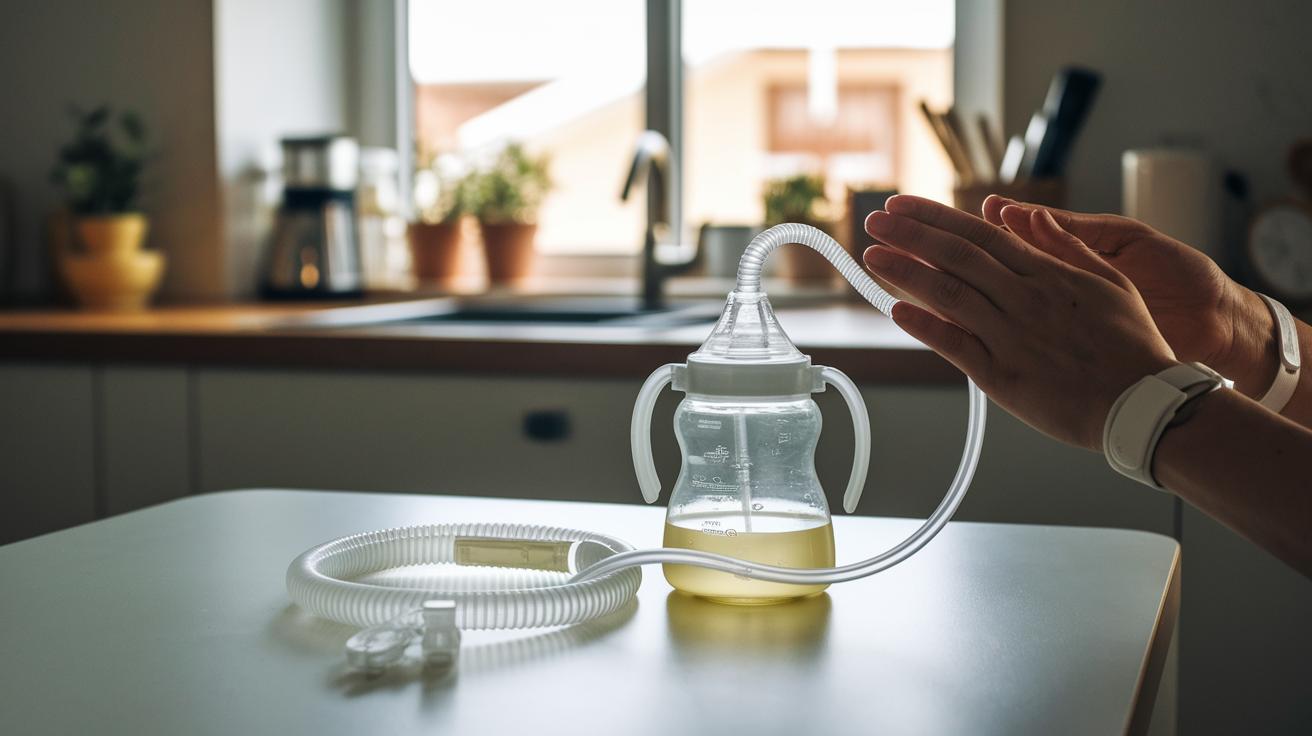
Starting with your supplemental nutrition system can be really simple when you have the right tools ready. Gather a French feeding tube (5FR or something similar), a reservoir for warmed milk or formula, and a clamp to control the flow. Always give your equipment a good clean before each use to keep everything safe for your baby.
Step 1: Sanitize and Gather Equipment
Wash your hands well and collect the reservoir, tube, and clamp. Give the tube and related gear a proper sterilization so everything is fresh. It’s like pressing a reset button on your favorite gadget, everything is set for a smooth start.
Step 2: Prepare Supplemental Milk
Warm up your expressed breast milk or formula to your body temperature. Carefully fill the reservoir and securely clamp the tube tip until you’re ready to feed. Think of it like preparing a warm cup of milk on a cool evening, it just feels right.
Step 3: Attach Tube to Reservoir
Firmly connect the French feeding tube to the reservoir’s outlet. Make sure you have an airtight seal so there’s no leakage. It’s a bit like fitting two puzzle pieces together perfectly, the connection needs to be just right.
Step 4: Position Tube Alongside Nipple
Gently thread the tube through your nursing bra or secure it with a clamp. Carefully press it against your breast ridge so that it sits alongside your nipple, all set for feeding.
Step 5: Latch Baby and Initiate Flow
Help your baby latch on as usual. Once you see a proper latch, slowly release the clamp to start the milk flow. This moment is like gently unlocking a soft, continuous drizzle of nourishment.
Step 6: Monitor and Adjust Milk Transfer
Watch for your baby’s swallowing cues and adjust the clamp to get the right drip rate. Sometimes you might need to reposition the tube a little, balancing comfort with effective feeding.
Before each feeding, take a moment to review your setup and feel confident that everything is just right for your baby.
Homemade vs. Commercial SNS Options: Costs, Pros, and Cons

When you're looking for a little extra help with breastfeeding, you have a couple of ways to go. Some moms enjoy putting together a homemade supplemental nursing system using a French feeding tube from the pharmacy and a simple container, all for less than $10. Others choose commercial options like the Medela Supplemental Nursing System Starter Set or the LactationHub Parent Set with a 5FR feeding tube because they trust the ready-to-use design.
The homemade method feels budget-friendly and lets you tweak things to suit what you and your baby need. It does mean you might need a bit more time for putting it together and keeping it clean, though. Meanwhile, commercial products usually come with everything set up nicely, including replacement parts to keep things running well. They might cost a bit more, but many moms appreciate not having to worry about extra assembly.
Ultimately, it’s all about what fits best with your life. Sometimes, trying one method over the other, and even mixing little ideas from both, can make a positive difference in your feeding routine.
| Option | Cost Range | Pros | Cons |
|---|---|---|---|
| Homemade SNS | <$10 | Low cost, customizable, uses common household items | Requires more assembly, variable reliability, needs extra cleaning care |
| Medela Starter Set | $35–$50 | Easy to use, trusted brand, standardized parts | Higher cost, limited customization, may not suit all needs |
| LactationHub Parent Set | $45–$80 | Comfortable design, includes replacement tubing, proven effectiveness | Most expensive option, might require accessory purchasing |
Remember, every mom’s situation is different. It might take a little trial and error to find the perfect fit, and that’s completely okay. Even small tweaks in how you support your baby’s feedings can make a world of difference.
Advantages of Supplemental Nutrition Systems for Low Milk Supply

Supplemental nutrition systems help if you’re having a hard time with low milk supply by adding a bit of extra nourishment at the breast while keeping breastfeeding natural. Recent studies show that when a baby uses an SNS, it sends signals to your body to produce more milk. It’s a bit like giving your baby a gentle boost during a challenging time. One mom shared, "My baby’s feeding became smoother, and I started to notice gradual improvement in my milk supply."
The SNS encourages your baby to suck naturally and repeatedly, which helps your body to make more milk. It also keeps that important skin-to-skin contact that builds a warm and comforting bond between you and your little one. Imagine your baby snuggled up close with you, and every feed helps your body learn to produce more milk.
Many moms, including adoptive parents and those working on relactation, have found that regular sessions with the SNS boost milk supply while deepening the loving connection during feeding. Simple practices like pacing the feedings and staying calm can really help your body do its work. As one mom explained, "Using the system not only improved my milk flow but also enhanced the peaceful bonding moments with my baby."
Potential Risks and Cleaning Protocols for Supplemental Nutrition Systems

Sometimes, leftover milk in the tubing can create a cozy space for bacteria to grow. When you don’t clean the parts well after each feeding, those germs can multiply and put your baby at risk. Keeping your feeding system spotless isn’t just about hygiene, it’s about looking after your little one every time you feed.
Over time, if milk isn’t washed away completely, it can build up and lead to more bacteria. The best way to protect your baby is to take apart the system right after each use, wash all the pieces in warm, soapy water, rinse them well, and let them air-dry on a clean surface. It’s also a good idea to check for cracks or mold and to replace parts every 2–4 weeks or as suggested by the manufacturer.
Cleaning and Maintenance Guidelines
- Disassemble all SNS components immediately after use.
- Wash each part with warm, soapy water and rinse them thoroughly.
- Let every piece air-dry on a clean surface.
- Check the tubing carefully for any cracks or signs of mold.
- Replace components every 2–4 weeks, or follow the manufacturer’s recommendations.
Expert Tips and Troubleshooting for SNS Use

When you set up your supplemental nursing system (SNS), start with a barely open clamp so the milk drips out slowly. This gentle trick helps your baby get used to the flow during breastfeeding. Try moving the tube a little with each feed and switching sides so your baby feels balanced. Adding some skin-to-skin time can also make feeding feel extra cozy, like finding just the right volume on your favorite radio.
If you see bubbles in the tube or notice your baby getting fussy, check the tube's connection and let any trapped air out. Sometimes a quick look at the milk's warmth or a little tube adjustment can help smooth out the flow. These small changes can make feeding time more comfortable for you both.
Comparing SNS to Other Infant Feeding Methods

When you use a Supplemental Nutrition System (SNS), extra nourishment gently joins your baby's natural suck and swallow, helping maintain the familiar feeding rhythm. Bottles, on the other hand, might interrupt those cues, and while babies may feed quickly, they can miss out on the gentle pace that supports their oral development. Sure, syringe feeding can be handy in emergencies, but it needs constant care and might take away from that closeness you enjoy during breastfeeding. And while finger feeding does help with a natural latch, it can be tricky to keep things smooth when you’re focused on bonding with your baby. That’s what makes SNS so special, it offers the best of both worlds by adding needed nutrition without losing the sweet comfort of breastfeeding.
Choosing SNS means you’re looking after not just your baby’s nutritional needs but also nurturing a deep, loving bond. The system is designed to work with your baby’s natural feeding cues, keeping that skin-to-skin touch alive throughout every meal. This gentle approach helps guide your baby’s oral development and reassures them with the familiar feel of a loved one's embrace. In place of other methods, SNS holds on to the natural charm and rhythm of breastfeeding, supporting both your baby’s growth and the warmth of your connection during feeding times.
Final Words
In the action of exploring supplemental nutrition system breastfeeding, we learned how to set up the SNS, compare do-it-yourself and commercial options, manage potential risks, and gather expert tips. The post walked through each step, from setup to troubleshooting, with clear, practical guidance.
These insights empower mothers to support their little ones confidently. Embracing SNS can boost infant nourishment and bonding, helping daily care feel positive and reassuring.
FAQ
What is the Supplemental Nursing System and how does it support breastfeeding?
The Supplemental Nursing System delivers extra milk (expressed, donor, or formula) alongside the nipple using a thin tube. This system helps moms with low supply or latch challenges and includes options like Medela and Haakaa.
What is the 4 4 4 rule for breastfeeding?
The 4 4 4 rule for breastfeeding refers to a guideline that suggests feeding at regular four-hour intervals to help maintain consistent milk production and keep the baby satisfied throughout the day.
What is the 3-3-3 rule for breast milk?
The 3-3-3 rule for breast milk proposes dividing feeding sessions into three parts to balance milk production and intake. This guideline serves as a flexible approach that many moms may tailor to their individual needs.
What is the 6 6 6 rule for breastfeeding?
The 6 6 6 rule for breastfeeding is a guideline that encourages feeding every six hours to help sustain milk supply and a steady feeding schedule for both mom and baby.