
Have you ever wondered if baby formula gives your little one the best nutrition nature made? Many parents ask if the blend of fats, proteins, and carbohydrates really measures up to nature’s original recipe.
In this friendly chat, we’ll go through the basics of infant formula nutrition in simple terms. We’ll explain how each ingredient plays a part in helping your baby grow strong and healthy. Plus, we’ll look at special fats and gentle proteins that are kind to tender tummies.
Let’s explore these insights together so you feel confident in choosing what’s right for your baby.
Comprehensive Overview of Infant Formula Nutrition Facts

Infant formula is made to closely match the natural balance found in breast milk. It gives babies a mix of big nutrients like fats, proteins, and carbohydrates, along with vitamins and minerals that help them grow strong.
About half of a baby's calories come from fats. Most formulas use vegetable oils such as palm, soy, coconut, or high-oleic sunflower oil, and many add special fats like ARA and DHA (which support brain and vision development). These gentle oils make sure your baby gets the nourishment needed for healthy growth.
Protein sources in formula can vary. Some formulas use milk from cows, soy, or even goats, while others are made with broken-down proteins (often called hydrolyzed proteins) to be easier on little tummies. For example, a label might say, "This formula uses a blend of broken-down proteins for gentle digestion and steady growth."
Carbohydrates in these formulas mainly come from lactose, a sugar that the body turns into energy. Some formulas also use corn maltodextrin, which adds extra energy by making up more than 20% of the calories. A little bit of starch might be included, too, to help manage reflux issues.
In addition to these core ingredients, formulas are filled with small but important minerals like iron, sodium, potassium, calcium, and zinc. They also have vitamins A, D, E, and K along with B vitamins, folate, vitamin C, and biotin to help support overall health. Researchers are even looking into new ingredients like synbiotics (a mix of good bacteria and the food they love) and low-lactose options to keep baby bellies happy.
All of this careful blending of nutrients gives parents confidence that their baby is getting everything needed for steady, healthy growth.
Decoding Nutritional Label Standards for Infant Formula

Every parent should know what goes into their baby's formula, and clear nutrition labels help you do just that. International groups like ESPGHAN and WHO say that nutrient details need to be shown per 100 kcal and per scoop. So you’ll see how much protein, fat, and carbohydrates are in the mix, along with the calorie count, which helps you decide if the formula is balanced.
The labels also list vitamins and minerals in micrograms or milligrams. Sometimes you might notice sugars listed as "corn syrup solids" or "maltodextrin." In the U.S., there are limits on things like iron and zinc to keep your baby safe. You’ll also find allergen warnings that let you know if cow’s milk or soy is in the formula. Newer labels even include details about added ingredients such as ARA, DHA, synbiotics, and hydrolyzed proteins, it's like having a mini roadmap for your baby’s nutrition.
Taking the time to read and compare these labels can really help you choose the best formula. With easy-to-follow measurements and nutrient categories, you can feel confident that you’re giving your baby smart, healthy nutrition. It’s a simple review of the key numbers that can make a big difference in feeding decisions.
infant formula nutrition facts: Smart nutrition for babies
Protein Sources
Infant formulas are packed with proteins that come from different sources. Most use cow's milk and soy proteins, and some have proteins that are gently broken down (making them easier to digest). Newer options even try amino acid-based proteins and plant proteins like rice to meet special needs. Imagine a formula with pre-broken proteins that’s kind to a sensitive tummy – a fresh option for every little one.
Fats Composition
Formula fats are made from a mix of vegetable oils like palm olein, soy, coconut, high-oleic sunflower, and safflower oils. These provide energy and help with brain and eye development. Some formulas also add long-chain fatty acids like ARA and DHA (sourced from microalgae or fungi) to enrich the nutrition. It's like adding that special ingredient to turn every feeding into a nourishing meal.
Carbohydrates
Lactose is the main carbohydrate that breaks down into sugars, fueling a growing baby. Sometimes, formulas add corn maltodextrin (which can be up to 20% of the calories) or starch thickeners to ease reflux. It’s similar to fine-tuning a family recipe to create a smooth and gentle feeding experience.
| Nutrient Category | New Sources | How It Helps |
|---|---|---|
| Protein | Plant-based (rice), amino acid-based proteins | Makes it easier to meet special diets |
Micronutrient Profile: Vitamins and Minerals in Infant Formula
Infant formulas are packed with essential vitamins to help your little one grow strong and healthy. They include vitamin A (retinol) for good vision, vitamin D (cholecalciferol) for strong bones, along with vitamin E (tocopherols) and vitamin K (phylloquinone) to support proper blood clotting. They also provide water-soluble vitamins like B1, B2, B3, B5, B6, B12, vitamin C, folate, and biotin, imagine a label saying, “Enriched with vitamin C to support your baby’s immune health.”
Mineral fortification in these formulas gives about 10–12 mg of iron per liter, which is important for growth and brain development. They also include balanced amounts of sodium, potassium, chloride, calcium, magnesium, phosphorus, and zinc to help everyday body functions run smoothly. Manufacturers keep a close watch on aluminum levels to make sure exposure stays very low.
Some formulas now add synbiotics, a mix of helpful bacteria and prebiotics (like GOS/FOS), to boost gut health. But keep in mind, FDA alerts from 2023 recommend extra caution when using these in neonatal intensive care settings because of potential infection risks.
Specialized Formula Options and Nutritional Considerations
Specialized baby formulas are designed to help when your little one has unique needs. For instance, if your baby has trouble with lactose or milk proteins, a soy-based option might be a perfect fit. These formulas use soy protein isolate and a bit more methionine (a key building block) to give gentle, balanced nourishment. Imagine reading on the box, "This formula is made for sensitive tummies, using soy for easier digestion."
When a baby’s tummy is extra delicate, hypoallergenic formulas can be a great choice. They use proteins that are partially broken down to help ease digestion. And if the sensitivities are more serious, there are even formulas that break proteins down further or use amino acids (the tiniest building blocks) to lessen the chance of a reaction.
Preterm formulas are another special option. They are made with extra energy, about 24 calories per ounce instead of the usual 20. Plus, they include extra calcium, phosphorus, iron, and protein to support your baby’s growth during those crucial early days. Researchers are also exploring new choices like goat milk or rice-based formulas to meet specific nutritional needs.
Infant Formula vs Breast Milk: Nutrition Fact Comparison

Breast milk is nature’s original meal. It’s packed with helpful things like immune boosters, live cells, enzymes, and natural growth factors that formula just can’t copy. Think of it as a built-in helper that can lower risks of conditions like obesity, diabetes, and even some childhood cancers. Imagine a label that says, "Contains protective enzymes to support your baby's natural defenses." It really captures the special touch of breast milk.
Formula, on the other hand, is carefully designed to give your baby a balanced mix of nutrients. It usually has a bit more protein and gets extra vitamins and minerals added, so you know each feeding is consistent and measured just right. Many parents find comfort in knowing exactly what their little one is getting, making meal planning a bit easier.
Both breast milk and formula have their own wonderful benefits. Breast milk brings natural immune support and that tender, personal connection, while formula offers steady, predictable nutrition. Have you ever noticed how clear numbers on a formula label can make your day a little simpler? In the end, both choices help your baby grow strong and healthy in their unique ways.
Quality Standards and Safety Regulations for Infant Formula Nutrition
All over the world, safety rules make sure baby formula is both healthy and safe for our little ones. Experts from groups like the World Health Organization, ESPGHAN, and the FDA work together to decide the right amounts of proteins, fats, carbohydrates, vitamins, and minerals. They set clear rules so that every product contains the right balance, and manufacturers stick closely to these guidelines to provide safe, nutritious meals.
They also put strict limits on harmful chemicals like arsenic, cadmium, lead, and mercury. Every batch is carefully checked to make sure these toxins stay at very low levels. To add to that, manufacturers use lead-free water and follow strict production practices by monitoring every step and acting quickly if any issues pop up.
Worldwide, there are clear rules about what goes into baby formula, how it’s labeled, and how long the nutrients stay steady over time. This means that from the moment the formula is made until it’s used, it keeps its balanced benefits. When you read a label, you’ll see details about nutrient ranges and contaminant limits, which can help set your mind at ease. All these careful safety checks work together so you can feel confident that every feeding gives your baby the balanced care they need.
Top Infant Formula Nutrition Facts: Brand Comparisons
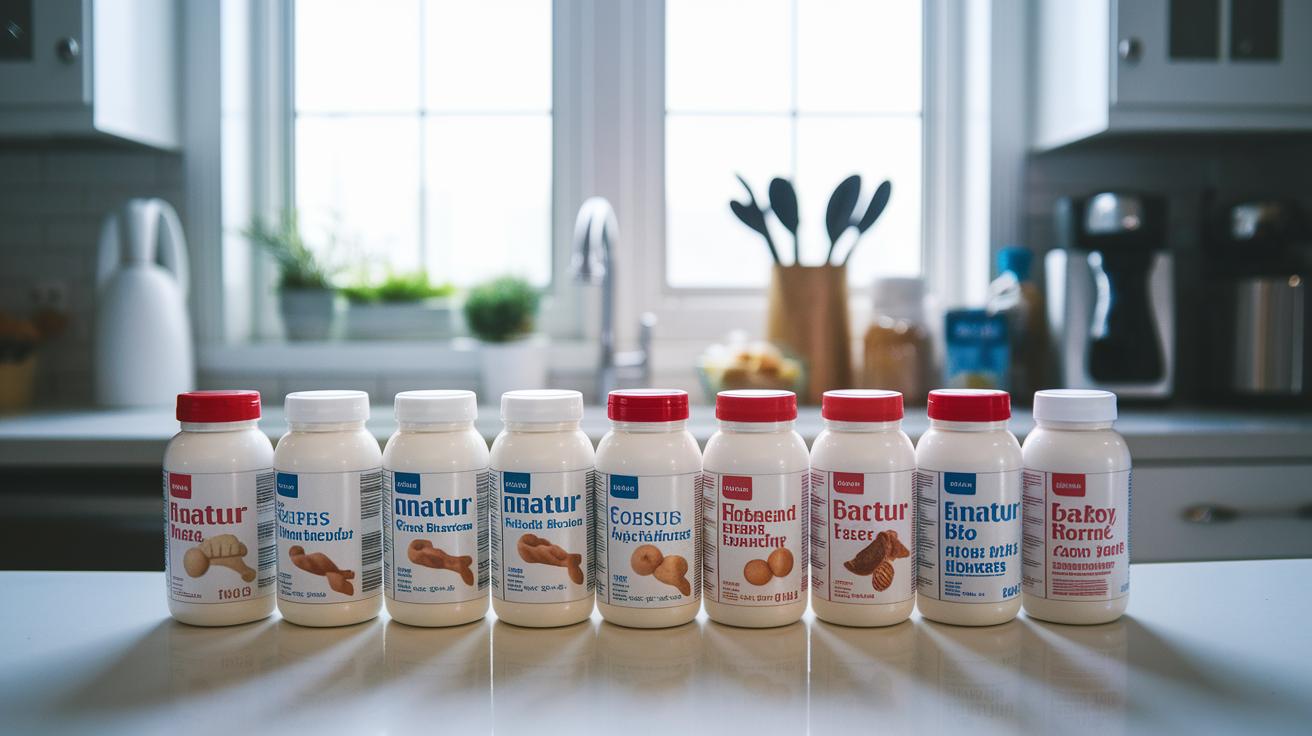
Have you ever found yourself comparing infant formulas and feeling a little overwhelmed? It’s totally normal. You might notice that formulas differ in protein type, fat blend, iron levels, and even the calories per ounce. Some options use milk-based proteins, others use hydrolyzed proteins (which means the protein is broken down for easier digestion), and a few mix in extra ingredients like HMO to suit your baby’s needs.
For example, Enfamil NeuroPro uses milk-based protein along with MCT oil. It also offers a bit of DHA and iron with every 100 kcal. Similac Pro-Advance mixes milk-based protein with HMO and uses a palm olein fat blend, giving it just a tad more iron. Kendamil Organic features whole-milk protein paired with sunflower oil, which creates a nice, balanced fat profile. Neosure Preemie is a standout, especially for premature infants, because it provides extra protein, calcium, and phosphorus along with higher calories at 24 kcal per ounce. And then there’s Alimentum, which uses extensively hydrolyzed protein for a very gentle digestion experience while keeping iron levels steady.
Many parents also look at the cost per ounce along with these key nutrients. Clear nutrition labels can make all the difference, helping you choose the right formula for your baby.
| Brand | Protein Type | Fat Blend | Iron (mg/100 kcal) | Calories/oz |
|---|---|---|---|---|
| Enfamil NeuroPro | Milk-based | MCT, soy | 1.1 | 20 |
| Similac Pro-Advance | Milk-based + HMO | Palm olein blend | 1.2 | 20 |
| Kendamil Organic | Whole-milk | Sunflower oil | 1.1 | 20 |
| Neosure Preemie | Milk-based | Mixed oils | 1.3 | 24 |
| Alimentum | Hydrolyzed | Mixed oils | 1.2 | 20 |
Safe Preparation and Storage for Optimal Infant Formula Nutrition
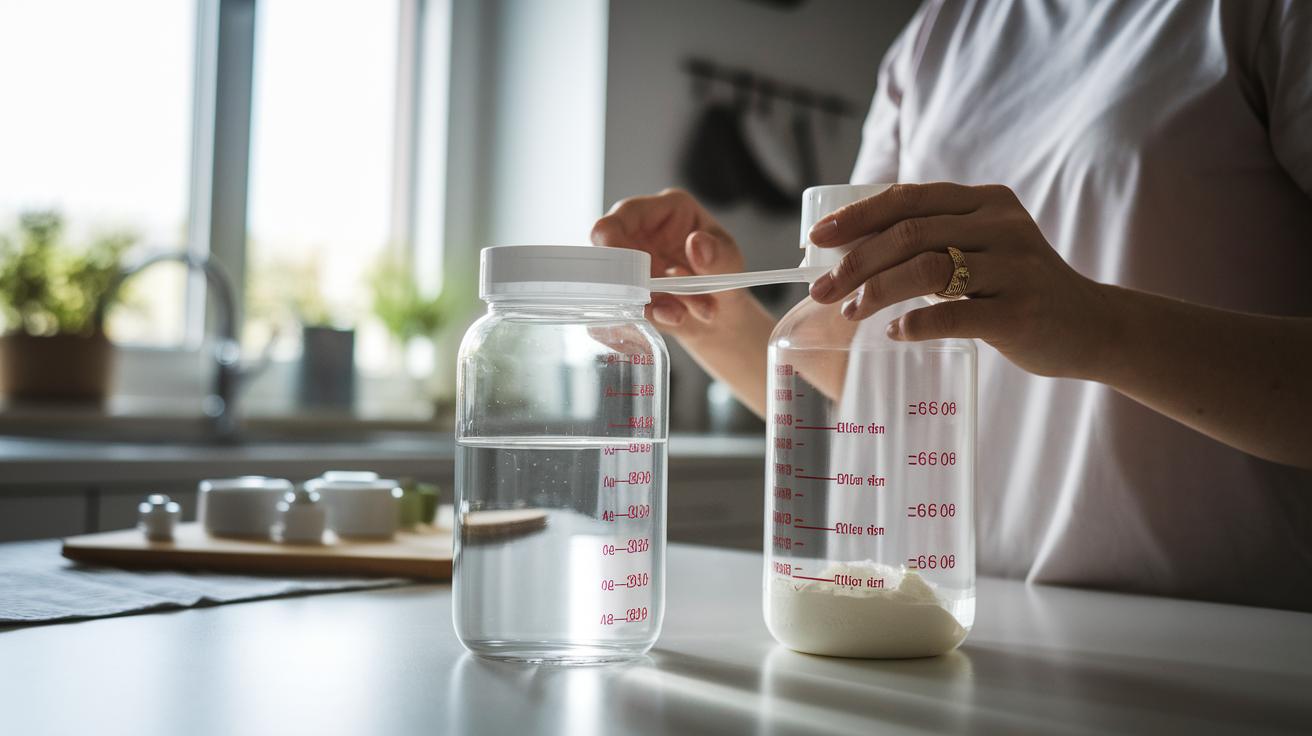
When you prepare baby formula, start by using cold, lead-free tap or bottled water to keep your little one safe. Follow the instructions on the formula label, usually, that means one scoop of powder for every 2 fluid ounces of water. Stir it gently until the powder dissolves completely, just like mixing a favorite warm drink.
It’s best to serve the formula right after you mix it. If it’s at room temperature, try to offer it within 2 hours. But if you need to keep a bottle for later, place it in the refrigerator at 40°F or below and use it within 24 hours. This way, your baby gets all the important nutrients without any loss.
Remember to store the formula powder in a cool, dry place away from any damp spots that might affect its quality. And, of course, always clean the bottles, nipples, and any surfaces you use after each feeding. Don’t microwave the bottle because that can cause uneven heating and may break down the gentle nutrients.
| Instruction | Details |
|---|---|
| Water Quality | Use cold, lead-free tap or bottled water |
| Mixing Ratio | One scoop per 2 fl oz of water |
| Serving | Use within 2 hours if kept at room temperature |
| Storage | Keep in the refrigerator at or below 40°F and use within 24 hours |
| Cleaning | Wash bottles, nipples, and surfaces well; don’t microwave bottles |
Final Words
In the action, we explored infant formula nutrition facts through a clear breakdown of proteins, fats, carbohydrates, and essential vitamins. We walked through label tips and safety standards that help you feel secure about each feeding. You learned what goes into your baby’s nourishment and how guidelines ensure quality and balanced nutrition. This clear, practical info aims to lift some stress and boost your confidence as you decide the best care for your little one. Keep smiling, each small step forward is a big win.
FAQ
What are the nutrition facts for Similac infant formula?
The Similac infant formula nutrition facts highlight a blend of macronutrients similar to breast milk, with balanced fats, proteins, and carbohydrates along with added DHA and ARA for brain and eye development.
What nutrition facts can one cup of infant formula provide?
One cup of infant formula typically presents measured servings of calories, fats, proteins, and carbohydrates, plus essential vitamins and minerals that support an infant’s growth and overall health.
What are considered the best infant formula nutrition facts?
The best infant formula nutrition facts emphasize a balanced mix of macronutrients, adequate proteins, healthy fats enriched with DHA and ARA, and a comprehensive range of vitamins and minerals modeled on breast milk.
What are the typical calorie counts in formula per 100ml?
Infant formula usually provides around 65 to 70 calories per 100ml, offering enough energy along with a balanced mix of key nutrients to help support everyday growth and activity.
How does infant formula nutrition support babies from 0 to 12 months?
Infant formula nutrition supports babies from 0 to 12 months by delivering a complete mix of proteins, fats, carbohydrates, vitamins, and minerals designed to promote healthy growth and development during early life.
What key nutrition facts are associated with Bobbie formula?
Bobbie formula features a nutrient profile with natural ingredients, balanced macronutrients, and a range of added vitamins and minerals crafted to support infant growth while being gentle and high-quality.
What topics are covered in infant nutrition articles?
Infant nutrition articles often cover nutrient breakdowns in formulas, guidance on reading labels, preparation and storage tips, and comparisons between formula feeding and breastfeeding to help caregivers make informed choices.
Is baby formula nutritious and what is the healthiest baby formula for infants?
Baby formula is designed to be nutritious by offering balanced proteins, fats, and carbohydrates, while the healthiest option depends on the infant’s specific needs and may vary from one formulation to another.
How does formula nutrition compare with breast milk?
Formula nutrition provides controlled levels of nutrients and added vitamins, whereas breast milk contains live immune components and growth factors that offer additional natural protection and benefits.
What did babies drink before infant formula was available?
Before infant formula was available, babies mainly relied on breastfeeding or were given diluted animal milk, with breastfeeding being the primary nutrition source for infants in earlier times.