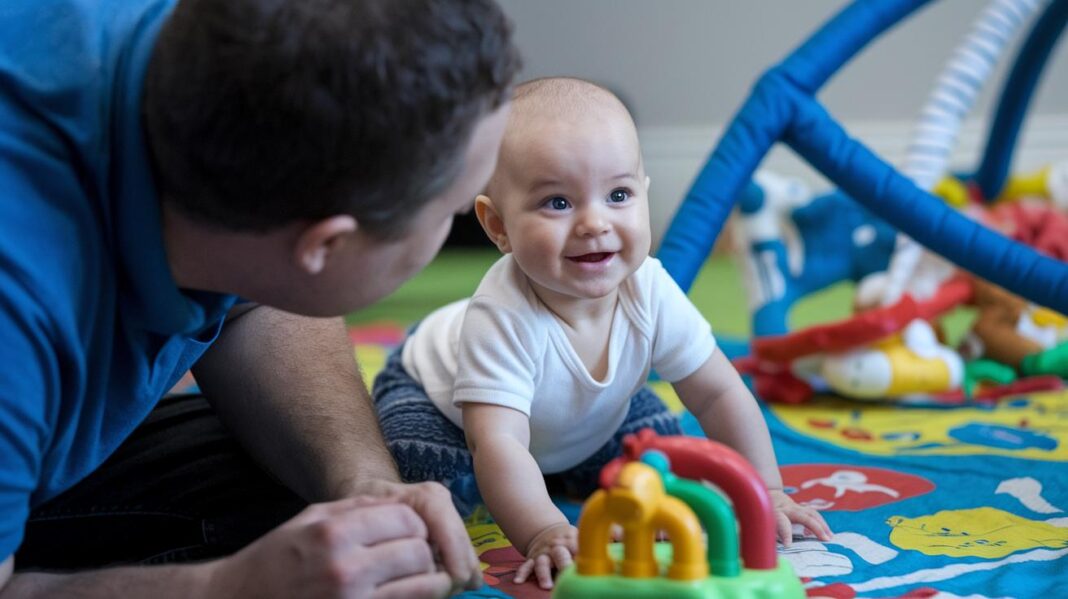
Ever notice how each little smile or wiggle seems to hold a secret message? It’s like your baby is sharing a tiny story with every milestone.
We’ve put together an easy guide that points out those special moments, from the very first grin to those adorable tiny steps. Along the way, you'll find simple tips to help you capture and enjoy these precious changes.
So, let’s get ready to explore and celebrate the beautiful journey of your baby’s growth together.
Core Concepts in Parental Guide to Infant Milestones
When you watch your baby grow, it helps to have a simple guide. Early signs like a rooting or grasp reflex are just the beginning. By about 2 months, you might notice your little one can lift their head and offer a sweet smile, and by 4 months, they may even start to roll over. Around their first birthday, those cute little first words might make an appearance. Together, these signs show how your baby's body, senses, language, thinking, social skills, and feelings are all developing.
It’s useful to keep an eye on these common milestones, like the ones shown on our "infant growth milestones" page. Remember, every baby is different. If your child hits most of these markers and even makes a few extra little steps along the way, there’s usually nothing to worry about.
In the early months, most babies sleep about 16 to 17 hours a day. As they grow, their sleep becomes a bit shorter and more steady, usually around 4 months old. Keeping a simple chart or journal can be a great way to see all these little changes, you might be surprised at how comforting it is to look back and see how much your baby has grown.
Developmental Domains in Infant Milestones: Joy Ahead
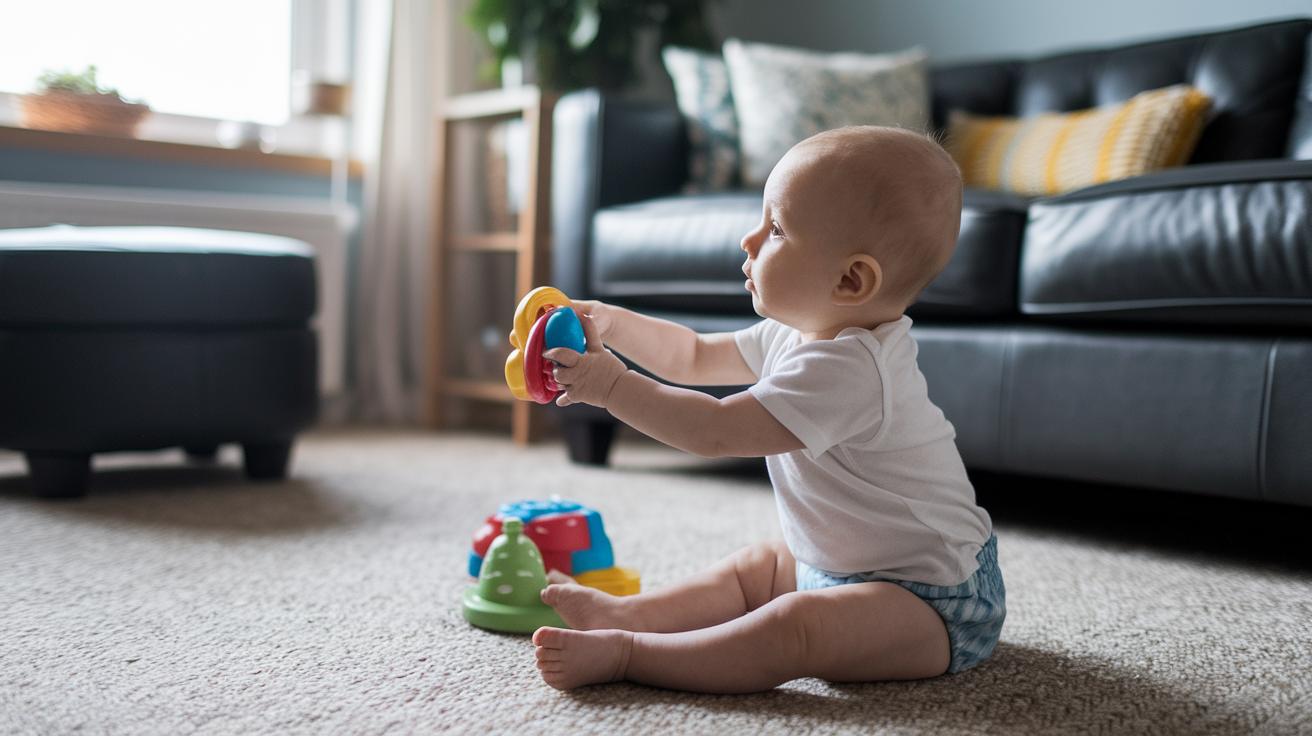
Watching your little one grow physically is so heartwarming. Around 3 months, many babies start showing strong head control, and by 6 months, you might see them sitting up on their own. By 9 months, crawling fast becomes part of their day. Around 4 months, they reach out for toys, and between 9 and 10 months, that neat pincer grasp begins to appear. For more on these important moves, check out our page on infant physical milestones.
Seeing your baby explore objects is like watching a mini-adventure unfold. Around 6 months, they might start shaking, banging, or even tossing toys just to see what happens. This playful exploration is a sweet sign of budding problem-solving skills and curiosity about the world. It’s almost like each day brings a new discovery, whether it’s a funny sound or a surprising shape.
Language development is simply delightful. At about 2 months, those soft coos mark the very first steps of communication. By 6 months, joyful babbling fills your home with music as they experiment with different sounds. And when that first real word emerges between 9 and 12 months, it feels like pure magic.
Early social and emotional growth is equally beautiful. Look for a heartwarming social smile as early as 2 months, and notice a bit of stranger anxiety showing up around 8 or 9 months. These milestones gently pave the way for interactive play, as your baby starts to mimic actions and connect with familiar faces and voices.
Month-by-Month Infant Milestones Timeline in Parental Guide
| Month | Physical Milestone | Language/Cognitive | Social/Emotional |
|---|---|---|---|
| 1 | Shows natural reflexes and can lift its head for a short moment | Makes a few sounds and watches its surroundings quietly | Responds simply to familiar faces and voices |
| 2 | Improves head control steadily | Begins cooing softly | Smiles warmly at people |
| 3 | Starts to put weight on forearms and follows moving objects | Plays around with new sounds | Shows clear recognition of caregivers |
| 4 | Reaches towards the center of the body and rolls from tummy to back | Begins babbling cheerful sounds | Loves to join in playful interactions |
| 5 | Pushes up to sit and moves toys from one hand to the other | Experiments with different noises | Smiles back when someone engages with it |
| 6 | Sits with support and uses a raking grasp to explore objects | Babbling becomes more steady and rhythmic | Loves simple games and shared moments with family |
| 7 | Begins to show early signs of crawling | Tries out a bigger variety of sounds | Pays extra attention to familiar voices |
| 8 | Crawls with more coordination and ease | Comes when called by its name | Engages joyfully with family members |
| 9 | Pulls itself up to stand and starts using a pincer grasp | Mimics simple sounds from its surroundings | Enjoys playful interactions and shared smiles |
| 10 | Starts cruising along pieces of furniture | Clearly imitates simple sounds | Begins making strong eye contact and bright smiles |
| 11 | Cruises steadily and shows better balance | Repeats sounds with playful experimentation | Builds deeper bonds through shared expressions |
| 12 | Stands for short moments and might take a few first steps | Says a first word with excitement | Communicates using smiles and simple gestures with family |
Parental Techniques for Tracking and Encouraging Infant Milestones
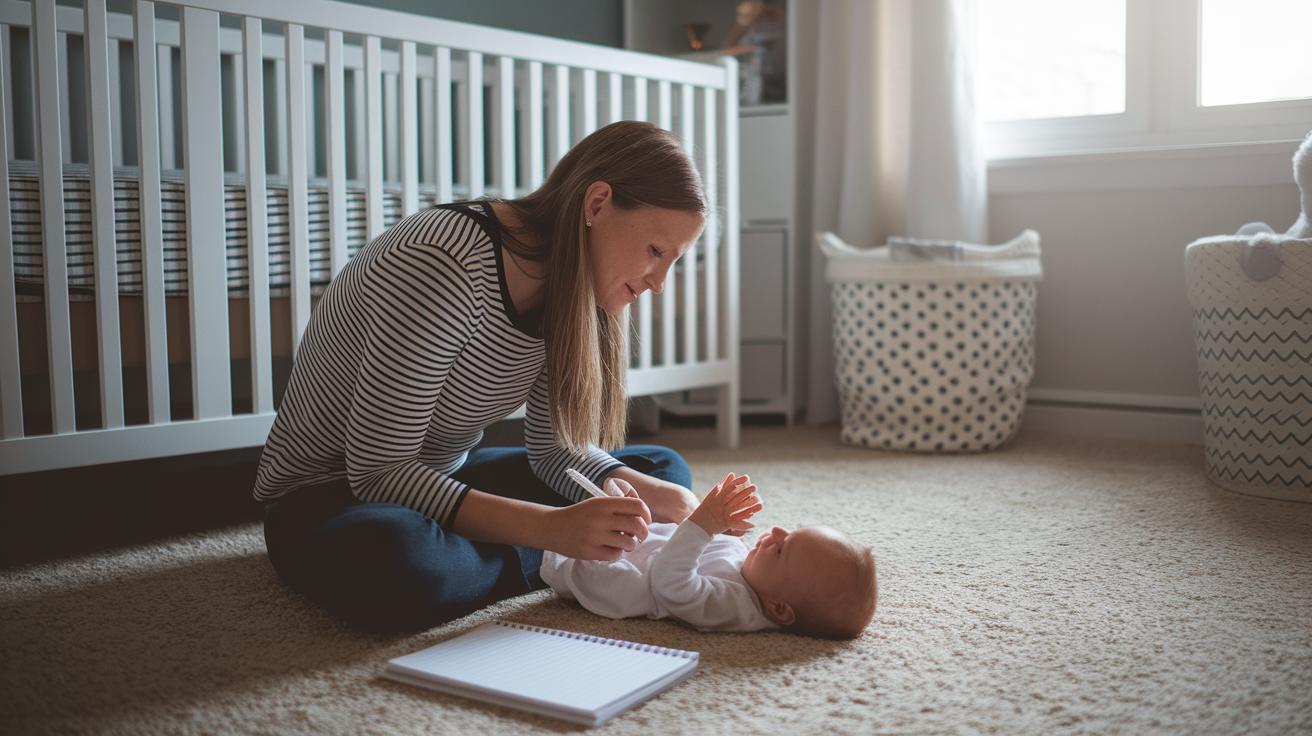
Milestone Journal
Keep a little daily diary of your baby’s growth. Jot down each new skill as it appears and note the date when milestones, like that sweet social smile or reaching out for a favorite toy, first happen. It’s a comforting way to see how your little one is growing over time.
Visual Logs
Taking quick photos or short video clips during playtime is a wonderful way to capture your baby’s tiny changes. These visual recordings become family treasures and help you notice progress that might otherwise fly by.
Structured Activity Sessions
Try setting up brief, daily activity sessions at home. A little tummy time can help build neck and arm strength, while placing a beloved toy nearby encourages your baby to practice sitting up and exploring. It’s a gentle, fun way to boost those motor skills.
Interactive Play
Simple games like peek-a-boo or mimicking sounds can do wonders for language and social skills. They create a playful, safe space for your baby to experiment with expressions and sounds. It’s a fun, relaxed method to support early communication.
Pediatric Visit Preparation
Before your baby’s well-child visits, at around 2, 4, 6, 9, and 12 months, look over your journal and visual logs. Having these notes ready makes it easy to share clear observations with your pediatrician and celebrate every little achievement together.
Warning Signs and When to Seek Professional Guidance in Infant Milestones
Keep an eye on your little one’s growth. For example, if your baby doesn’t show a warm, friendly smile by 3 months, it might be a gentle hint to keep watching. You might also notice limited head control at 4 months, no babbling by 6 months, or difficulty sitting on their own by 9 months. Sometimes, while playing, you may wonder, "Will that bright smile ever shine through?" and it's perfectly okay to take extra note.
Every baby grows in their own unique way, and small differences are usually nothing to worry about. But if you find that two or more of these signs seem a bit delayed, it’s a good idea to have a chat with your doctor. They can help you figure out if extra support, like physical, occupational, or speech therapy, might be needed.
It helps to jot down your observations so you have clear notes to share during check-ups. Recording these milestones can ensure that any necessary steps are taken early on, keeping your baby’s development safe and supported. Stay attentive, and don't hesitate to bring your notes to your next doctor’s visit for some extra loving guidance.
Final Words
In the action of understanding each stage, we explored core concepts, common achievements, and detailed month-by-month steps in this parental guide to infant milestones. We shared simple tips for keeping a journal, creating visual logs, and engaging through play. We also looked at when a change might need extra care from a professional. This article is meant to give you clear, friendly guidance on watching for infant growth milestones and feeling confident as you celebrate each step forward. Stay encouraged and keep enjoying every little moment of progress.
FAQ
How do I access a parental guide to infant milestones, including free PDFs, month-by-month charts, and CDC resources?
The parental guide to infant milestones is often available as a free downloadable PDF or chart that shows month-by-month physical, language, and social achievements. Many resources also come from trusted organizations like the CDC.
What are the major milestones for infants?
The major milestones for infants include early reflexes, social smiles, grasping, babbling, and the first attempts at rolling or crawling. These markers cover physical, language, social, and cognitive development.
What are some developmental red flags in infancy?
Developmental red flags in infancy may include no social smile by three months, poor head control, or a lack of babbling by six months. Multiple delays can signal a need to consult with a pediatrician.
How do I memorize infant milestones?
Memorizing infant milestones is easier with visual aids like charts, journals, and photo logs. These tools offer a clear, step-by-step guide to each monthly achievement.
What is a milestone checklist?
A milestone checklist is a simple list or visual chart that outlines key developmental markers. It helps parents track and celebrate their baby’s progress every month.