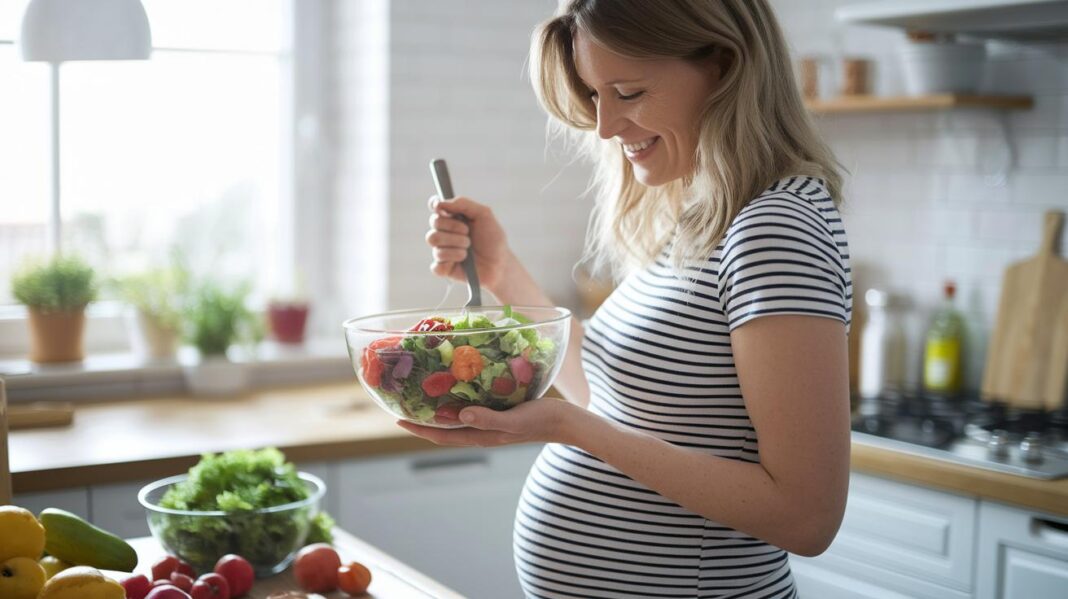
Have you ever wondered if a vegetarian pregnancy might miss out on some key nutrients? It might seem a little risky, but with smart meal planning, many vegetarian moms feel healthy and strong. Research even shows that sometimes meat-eaters don’t get all the important vitamins and minerals they need.
By adding foods like fresh leafy greens, beans, nuts, and cereals with added vitamins, you can easily cover any nutrition gaps. A small change like this can really boost how you feel and help your baby grow healthy and strong.
In this guide, we’ll share simple, friendly tips to help you create a balanced, nourishing meal plan during your pregnancy. Think of it as a warm conversation where we help you feel confident about the choices you make for you and your little one.
Balancing Maternal Nutrition in a Vegetarian Pregnancy
If you plan a vegetarian diet carefully, you can get all the nutrients you need during pregnancy. A study from Switzerland in 2015 found that everyone, even those who eat meat, can sometimes miss out on important vitamins and minerals. When you choose a plant-based way of eating, keep an eye on nutrients like vitamin B12 (helps your body make blood) and iron (builds strong blood). I remember once adding fortified cereal to my breakfast early in pregnancy; it felt like a small change that made a big difference!
Eating a mix of different foods is really important. Try including favorites like beans, leafy greens, nuts, seeds, and whole grains in your meals. Simple swaps, like using plant protein powders or tossing chickpeas into a fresh salad, can easily fill in any gaps, making each bite count.
It’s also a great idea to take daily supplements like prenatal multivitamins and algae-based DHA (a plant-friendly source of omega-3). Pairing these with your varied meals can keep you feeling strong and supported throughout your pregnancy. For more helpful tips on putting together a green plan during gestation, you can check out the Maternal diet and wellness guidelines.
Planning your meals ahead and having regular check-ins with your healthcare provider can really help you stay on track. Even little, everyday adjustments can lead to a healthy and flourishing pregnancy.
Key Nutrients for Maternal Nutrition in Vegetarian Gestation
When you plan your vegetarian meals during pregnancy, it's important to make sure you get the right mix of nutrients to support both you and your baby. You need protein to help build your tissues, iron for strong and healthy blood, and folate (a type of vitamin) to support cell growth. Calcium and vitamin D work together to build strong bones, while vitamin B12 keeps your nerve cells healthy. Omega-3 DHA and zinc also boost your baby's brain development and help keep your immune system strong.
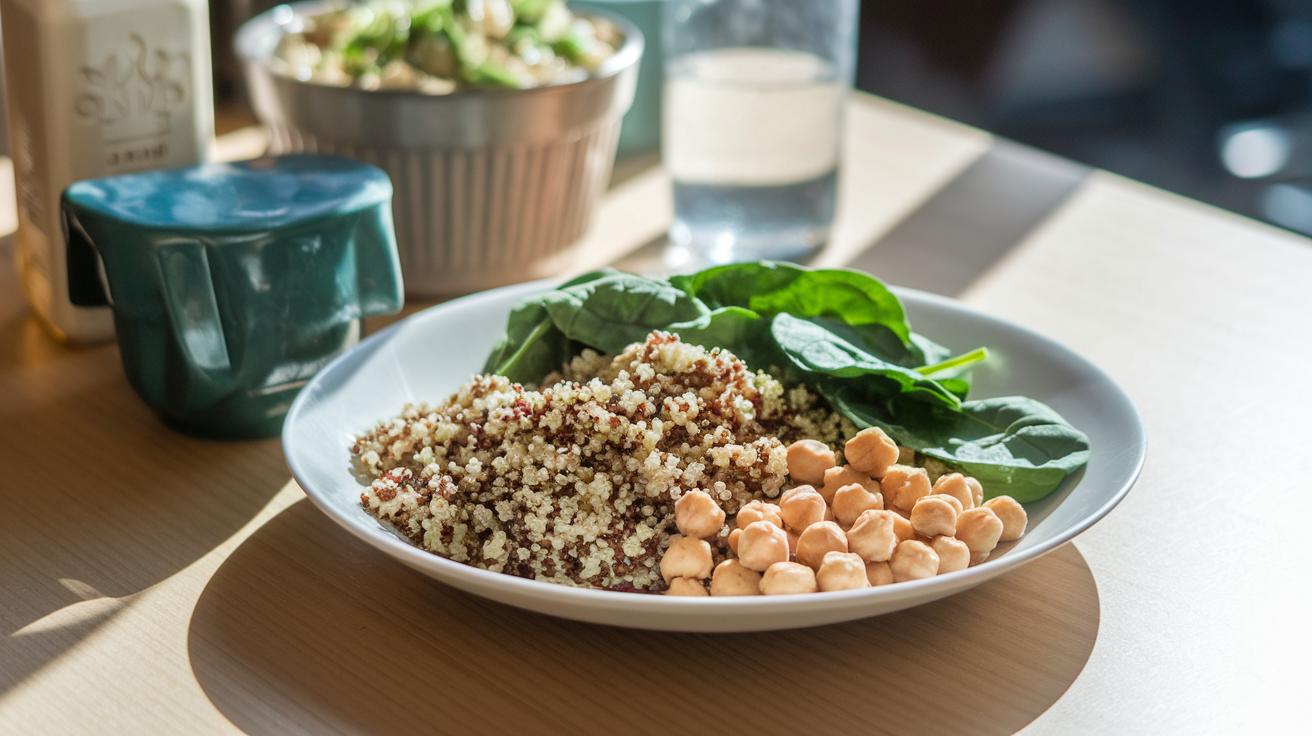
It can be a little tricky to get all these nutrients from plant-based foods alone, since sometimes they might not provide enough vitamin B12 or iron. I once whipped up a salad with spinach and chickpeas on a hectic day to make sure I got a bit of that extra iron boost. Taking prenatal vitamins along with plant-based protein powders or algae-derived DHA supplements can really help cover any gaps.
Choosing foods like lentils, tofu, and quinoa for protein and dark leafy greens or fortified plant milks for calcium can go a long way. Below is a handy table that shows the key nutrients, the recommended daily amount you need, and some great plant-based foods to help you hit those numbers:
| Nutrient | RDA in Pregnancy | Plant‐Based Sources |
|---|---|---|
| Protein | 75 g | Lentils, tofu, tempeh, quinoa |
| Iron | 27 mg | Spinach, chickpeas, fortified cereals |
| Folate | 600 mcg | Dark leafy greens, beans, avocados |
| Calcium | 1,000 mg | Fortified plant milk, almonds, kale |
| Vitamin B12 | 2.6 mcg | Fortified cereals, nutritional yeast |
| Vitamin D | 600 IU | Fortified plant milk, sun exposure |
| Omega-3 DHA | 200–300 mg | Algae oil supplements, chia seeds |
| Zinc | 11 mg | Pumpkin seeds, lentils, cashews |
Using this guide, you can plan balanced meals with little tweaks that add up to a nutrient-rich diet throughout your pregnancy.
Maternal nutrition for vegetarian mothers: Radiant Health
Imagine starting your day with a meal that fuels both your body and spirit. For breakfast, try a warm bowl of steel-cut oats mixed with chia seeds and fresh berries. It’s a simple, bright start, giving you plenty of fiber and omega-3s, like a gentle burst of sunshine on a busy morning.
Then, when mid-morning hunger strikes, grab a crisp apple with a little almond butter. This snack is packed with vitamin E and calcium, keeping your energy steady and your hunger away.
At lunchtime, you might mix up a spinach, lentil, and quinoa salad. Every bite helps with iron, protein, and folate, and adding some orange slices or bell pepper strips can help your body absorb even more iron. Later, when you need a little pick-me-up, enjoy some crunchy carrot sticks with hummus. This snack offers beta-carotene and protein to keep you cheeky and cheerful as you move through your day.
For dinner, consider a warm tempeh and vegetable stir-fry served over brown rice. It’s a hearty dish loaded with essential protein and zinc. To wind down your day, a serving of fortified soy yogurt adds calcium and vitamin B12, gently capping off your evening meal while keeping your nutrition balanced.
And don’t forget, a generous flow of water, about eight to ten cups throughout the day, helps keep your body refreshed and aids in nutrient absorption. Experimenting with beans, lentils, chickpeas, berries, cruciferous veggies, dark leafy greens, and whole grains can make your meals just as vibrant as the life you lead.
Supplementation to Enhance Maternal Nutrition in Plant-Based Gestation
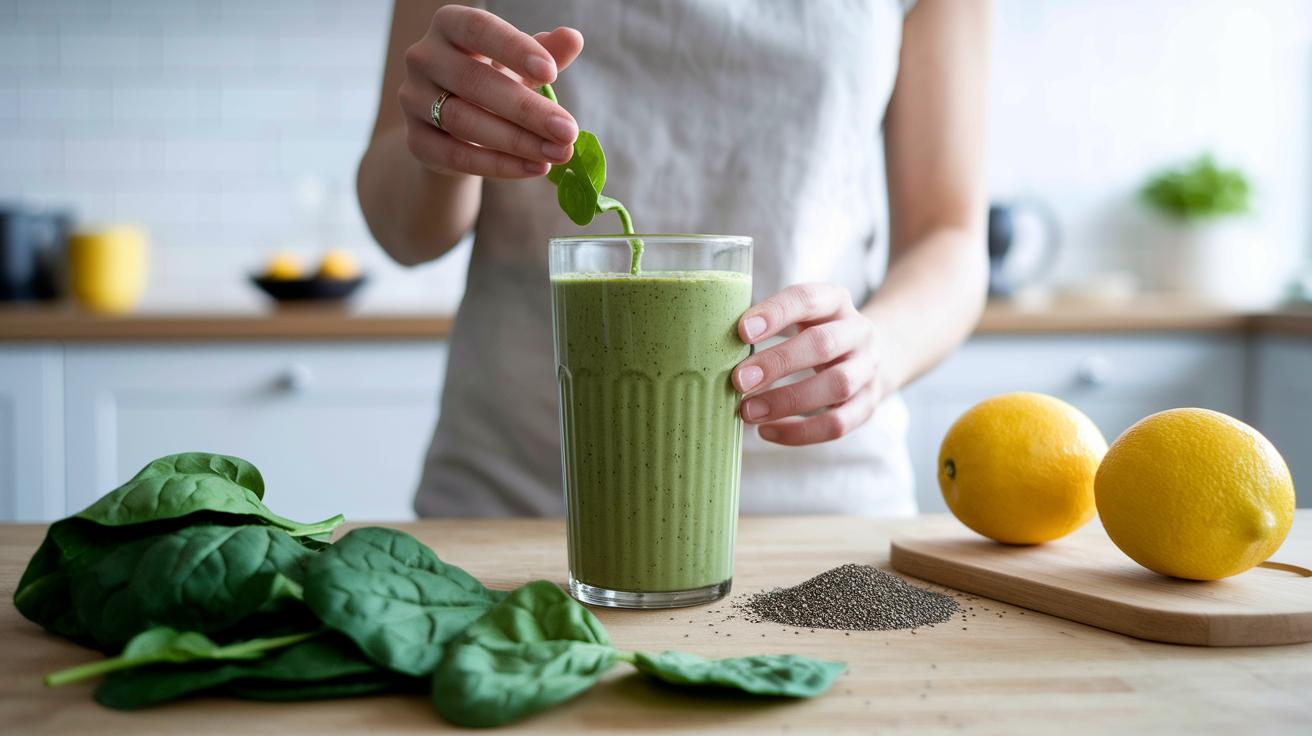
Taking prenatal vitamins gives you essential nutrients like folate, iron, B12, and vitamin D, nutrients that help support a healthy pregnancy. If you enjoy a morning smoothie, try blending in a scoop of plant-based protein powder (like pea, rice, or soy) to add 20–25 grams of protein. One mom even mentioned, “A quick shake with protein powder is my go-to on busy days!”
Algae-derived DHA is a smart choice for meeting your omega-3 needs without fish. And high-fiber foods, such as chia seeds, flaxseed, oats, and legumes, are great for keeping your digestion happy and your tummy full. Have you ever tried mixing chia seeds into your yogurt bowl for an extra fiber boost?
Nuts and seeds are another fab option, they add healthy fats, magnesium, and zinc to your diet. A small handful can brighten up a salad or serve as a tasty snack. Here’s a tip: cooking acidic foods in cast-iron cookware can actually increase the iron in your meals. For instance, simmering your tomato sauce in cast iron can make dinner feel a little more nourishing!
Maternal nutrition for vegetarian mothers: Radiant Health
Teratogen Specialist Guidance
If you’re pregnant and following a vegetarian diet, keeping an eye on your vitamin B12 and iron levels can make a big difference. A caring specialist with over 25 years in maternal and child health suggests starting early with simple lab tests, typically once each trimester, to check your weight gain and nutrient levels. It’s really helpful to work closely with your doctor so they can review your results and, if needed, adjust your supplements or meal plans. For instance, if your iron levels dip, you might try adding more spinach or a gentle iron supplement to your daily routine. This step-by-step check-up plan is designed to support you throughout your pregnancy, making sure both you and your baby get the nourishment you need.
Dietitian Meal Planning Tips
Imagine planning your meals like you’d plan a cozy family dinner. A registered dietitian with an MPH recommends setting aside a little time to plan your meals in advance and to mix in different superfoods each month. By using seasonal produce, you not only add more variety and nutrients to your diet, but you also support eco-friendly choices. Creating a grocery list that focuses on locally sourced vegetables and whole grains can make shopping easier and more sustainable. And hey, paying attention to portion sizes helps ensure every meal gives you balanced protein, iron, and other important nutrients. Simple tricks like pre-cooking beans or chopping your greens ahead of time can really ease the daily cooking routine, setting you up for steady, nourishing meals every day.
Final Words
In the action of balancing a vegetarian pregnancy, this guide shows how nutrient-dense foods, mindful meal plans, and the right supplements come together to support your health. The table and sample meals make it easy to see how every bite contributes to lasting energy. Expert tips remind you to monitor key levels like vitamin B12 and iron while adapting your diet. This article offers practical steps for maternal nutrition for vegetarian mothers, leaving you with reassurance and a positive outlook as you continue on your healthy, fulfilling path.
FAQ
What are the risks of a vegetarian pregnancy?
The risks of a vegetarian pregnancy center on potential vitamin B12 and iron shortfalls without careful meal planning and supplementation. A well-rounded, plant-based plan helps keep risks low.
What should a vegetarian pregnant woman eat, and are there meal plan resources available?
A vegetarian pregnant woman should enjoy a mix of beans, greens, whole grains, nuts, and fruits. Meal plan resources, including Indian meal plans and meal plan PDFs, offer clear guidance on nutrient diversity.
What benefits can a vegan pregnancy offer?
A vegan pregnancy can bring benefits such as higher intakes of antioxidants and fiber. Still, it needs focused attention on vitamin B12 and iron from supplements and fortified foods.
Which foods should a pregnant vegetarian avoid?
Pregnant vegetarians should skip heavily processed foods and ingredients high in additives. Choosing whole, natural foods supports a balanced nutrient profile.
What dietary recommendations are there for the first trimester on a vegetarian diet?
In the first trimester, a vegetarian diet should include nutrient-dense items like leafy greens, fortified cereals, and legumes, all combined with prenatal vitamins for complete nutritional support.
Can a vegan diet cause miscarriage?
Concerns about a vegan diet causing miscarriage are not firmly proven. A balanced, nutrient-rich approach with proper supplements minimizes the risk of deficiencies linked to pregnancy complications.
Will the baby be healthy if the mother follows a vegetarian diet?
The baby’s health is well supported when the mother’s vegetarian diet is balanced. A diverse intake of plant foods and prenatal vitamins promotes healthy development.
What is the most common vitamin deficiency in a pregnant woman who follows a vegetarian diet?
The most common vitamin deficiency in vegetarian pregnancies tends to be vitamin B12, often accompanied by low iron levels if the diet lacks fortified foods and appropriate supplements.
Does a vegetarian diet affect fertility?
A well-planned vegetarian diet does not affect fertility. Prioritizing nutrient-rich foods and regular health check-ups helps maintain reproductive well-being.