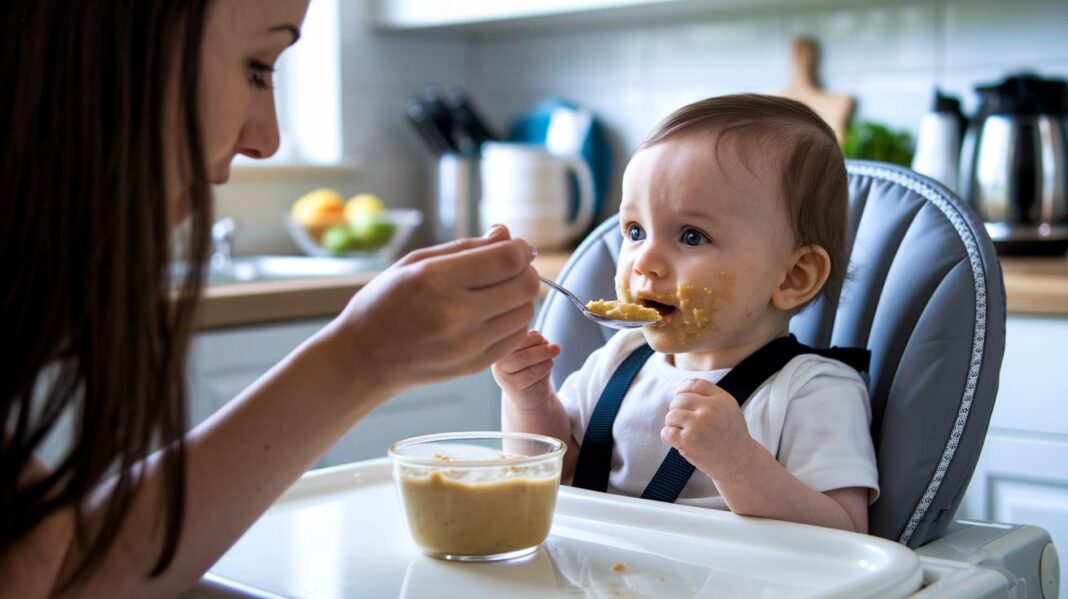
Have you ever wondered if your baby's first meals might shape their future? When you serve simple, colorful foods, you’re not just filling a tiny tummy, you’re giving them the building blocks for growth and a taste for new flavors. A little mix of soft fruits, veggies, and proteins helps boost both muscle and brain development, making every bite truly count. Let's explore some easy, nutritious weaning food ideas that make mealtime fun and set your little one on a bright, happy path.
Benefits of nutritious weaning food ideas for baby growth
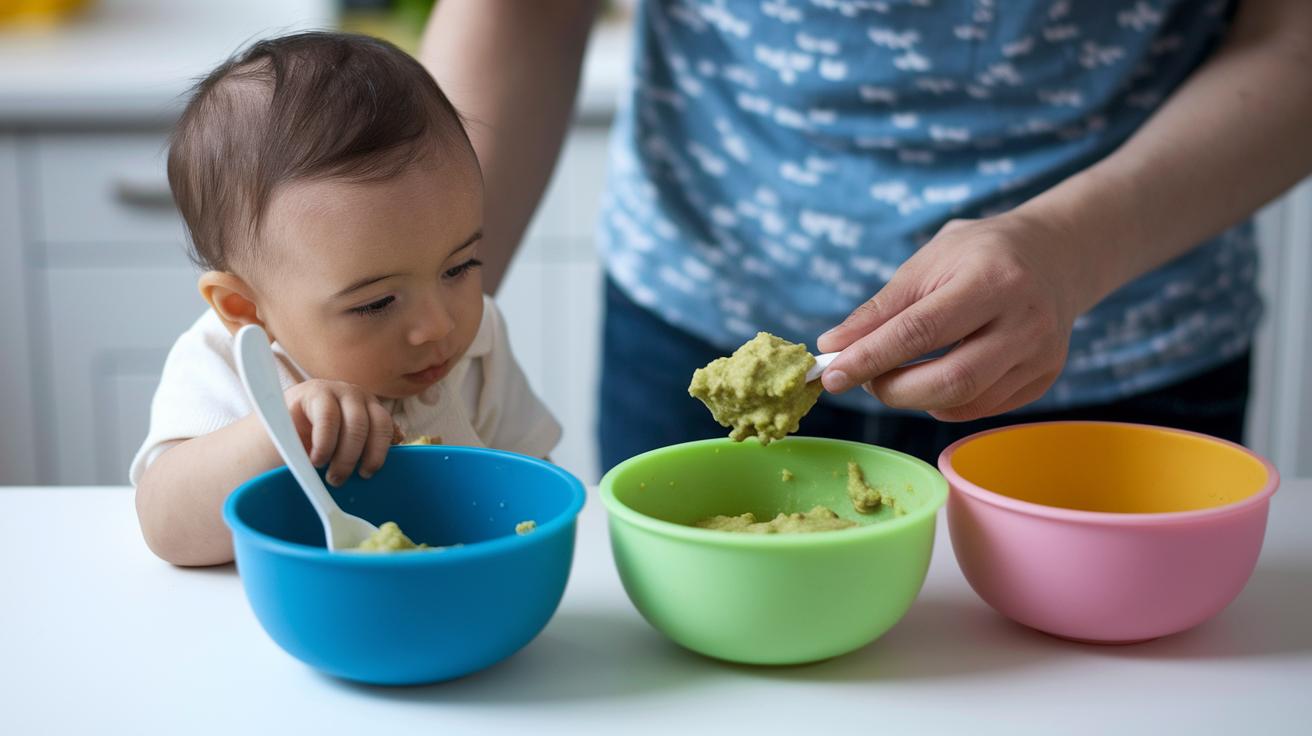
When you offer a mix of colorful, nutrient-rich foods, you're not just feeding your baby – you're supporting their growing body and delighting their little taste buds. Think about serving soft vegetables, sweet fruits, and whole grains that work together to provide a balanced meal. Funny fact: red bell peppers pack a vitamin C punch and even help with iron absorption!
Every nutrient has its important role. For example, pureed proteins help build tiny muscles while healthy fats support brain growth. And when you mix in vibrant veggies and smooth, protein-rich blends, you’re giving your baby the fuel they need for both body and mind. A little spoonful of spinach with a touch of avocado isn’t just tasty – it’s a clever way to serve up essential vitamins and minerals.
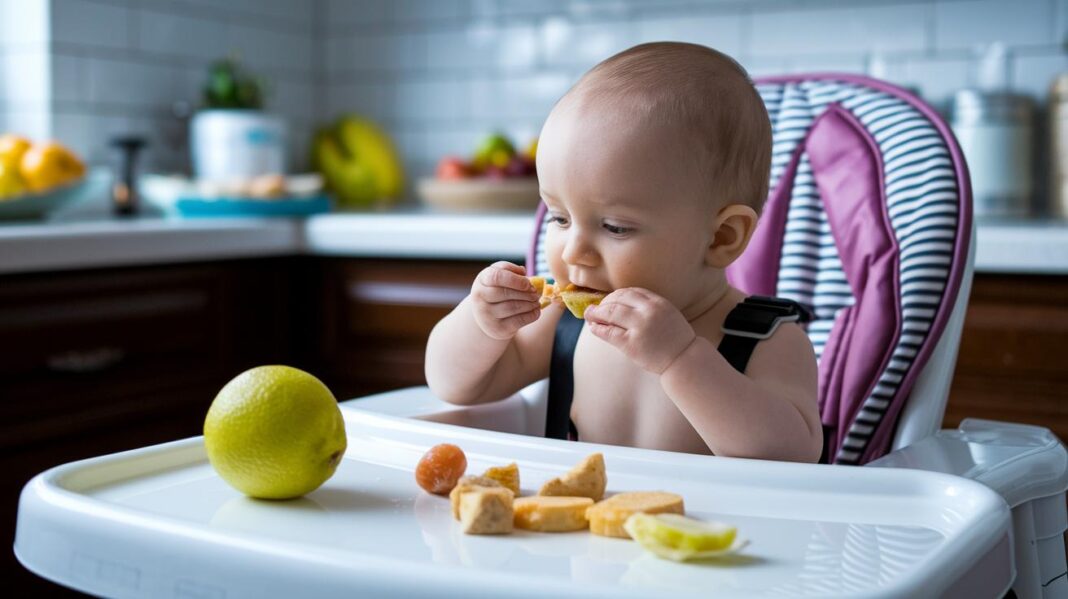
As you introduce these foods, you might notice your baby sitting up steadily or reaching for their meals with excitement. These are the signs that they’re ready, showing interest in trying different textures safely. When your baby grabs a soft piece of steamed carrot, it’s a sign they’re ready for a little more challenge. This not only helps them practice self-feeding but also encourages independence while keeping things safe.
Enjoy these moments as you watch your little one explore new tastes and textures. Every bite is a step toward building healthy eating habits that can last a lifetime.
Age-appropriate nutritious weaning food ideas by developmental stages

Starting solids is an exciting milestone for you and your baby. When your little one is around 4 to 6 months old, smooth purees are a gentle introduction, kind to those sensitive tummies. As they grow into the 6 to 9 months stage, you can gradually introduce thicker, lumpier purees that help build their chewing skills. When your baby reaches 9 to 12 months, soft finger foods like steamed veggie sticks or tiny pieces of banana become a fun and safe option. And after 12 months, it's wonderful to see them join family meals with soft, well-cooked pieces that fit right in with everyone else. This step-by-step approach supports their growing needs perfectly.
The journey from purees to finger foods is all about exploring new textures and flavors at a comfortable pace. It often starts with a single-ingredient puree that gently opens the door to new tastes. Then, as your baby becomes more confident, mixing a few ingredients adds a spark of variety, a little adventure on the plate. Finally, offering small, soft lumps lets them practice self-feeding, making mealtime both fun and safe. Isn't it amazing how these simple changes help them discover their food world?
Key nutritional components in nutritious weaning food ideas
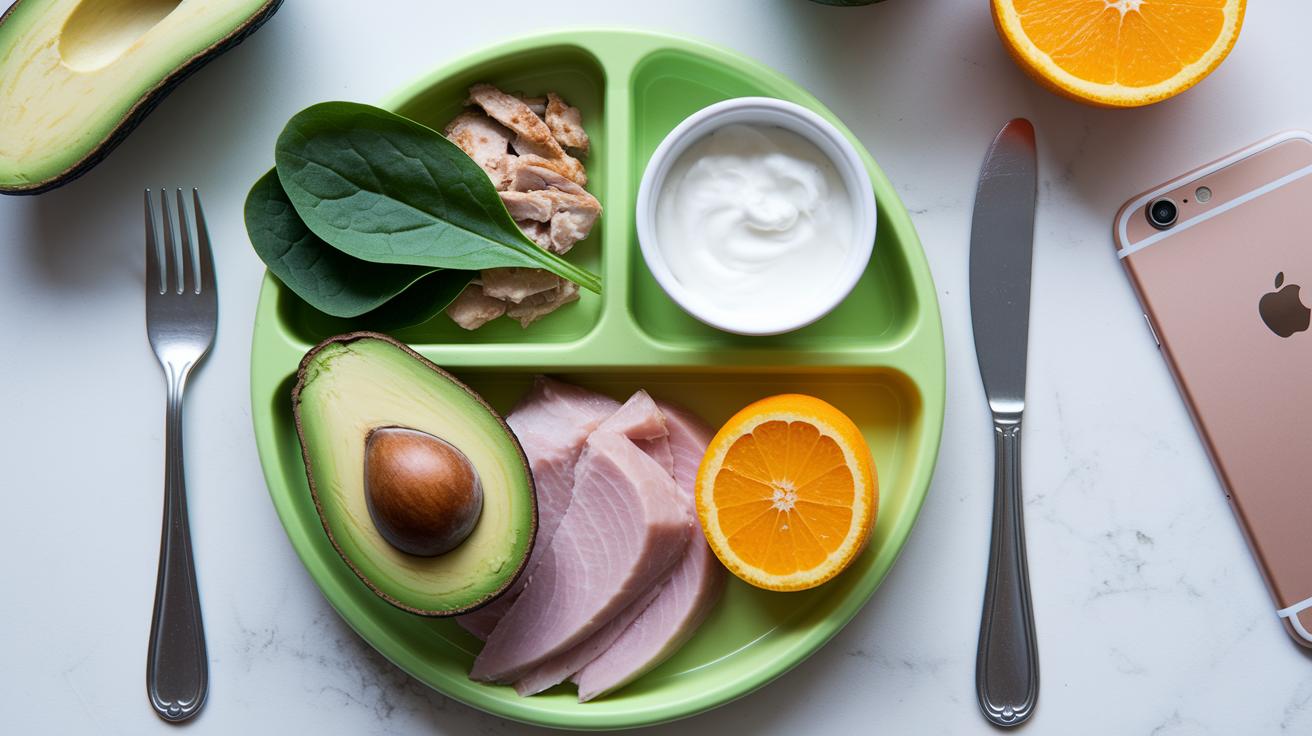
When you’re planning weaning meals, it’s important to mix different types of nutrients that help your baby grow strong. Lean proteins from items like chicken or beans build those tiny muscles. Healthy fats from foods such as avocado or nut butters give energy and support brain growth. And pureed vegetables loaded with fiber help with digestion while keeping energy levels steady. This mix makes each meal feel balanced and satisfying.
We also need to think about micronutrients for overall development. For example, iron is crucial for healthy blood and can be found in foods like spinach or lentils. When you pair these iron sources with fruits rich in vitamin C such as oranges or bell peppers, your baby absorbs the iron much better. A variety of colorful fruits and vegetables not only creates appealing flavors but also packs in vitamins and minerals that support a strong immune system and ongoing growth. It really helps to have different ingredients to nurture every part of your baby’s developing body.
Dairy or dairy alternatives can add a gentle boost of calcium too. They offer an easy way to round out the diet while keeping in mind any lactose sensitivity. These options mix well with other nutrient-packed foods, making the journey of healthy weaning an inviting and balanced adventure.
Top homemade nutritious weaning food ideas and recipes
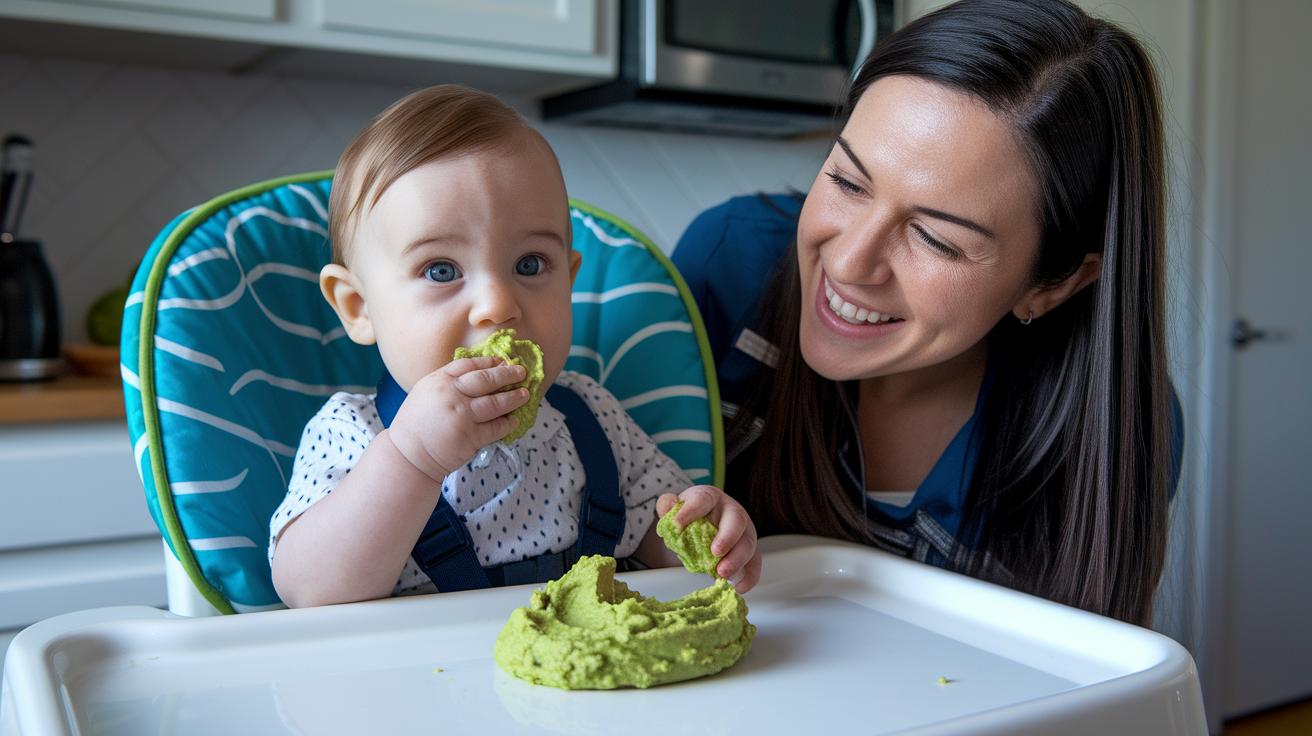
Sometimes, just a little tweak in your baby’s meal can bring a big smile to your face. It’s like adding a dash of magic that makes every bite feel extra special. Here are some simple, heartwarming recipes that mix fun textures and tasty flavors while giving your little one the nutrients they need to grow strong.
- Banana Pancakes – Made with banana, egg, and flour, this easy dish delivers natural energy with every bite.
- Spinach Waffles – Whip up these waffles with 2 cups of white whole wheat flour and fresh spinach. They boost vitamin intake and even freeze well for 2–3 months.
- Baby’s First Bolognese – This hearty sauce blends carrots and zucchini into a nutrient-rich meal that’s perfect over pasta, rice, or spaghetti squash.
- Cheesy Egg Muffins with Broccoli – A mix of eggs, broccoli, and a little cheese creates a portable, protein-packed snack that’s great for on-the-go days.
- Avocado Smash – Simply mash a ripe avocado with a squeeze of lemon to serve up healthy fats that help support brain growth.
- Sweet Potato Porridge – Lightly cooked sweet potatoes with a pinch of cinnamon make a warm bowl full of vitamin A and fiber.
- Apple-Pear Puree – Blend apples and pears for a naturally sweet puree that also adds extra fiber to support digestion.
- Lentil Stew – Red lentils joined with carrots and a hint of mild spices create a gentle dish filled with iron and protein for tiny tummies.
Each of these recipes is designed to fit right into your busy day. Serve them at a comfortable temperature and store any leftovers in the fridge for up to 48 hours or in the freezer for 2–3 months, just like the spinach waffles. As your baby grows, feel free to adjust serving sizes and textures to help make weaning a bright and joyful adventure.
Introducing whole food baby meals: finger foods and baby-led weaning
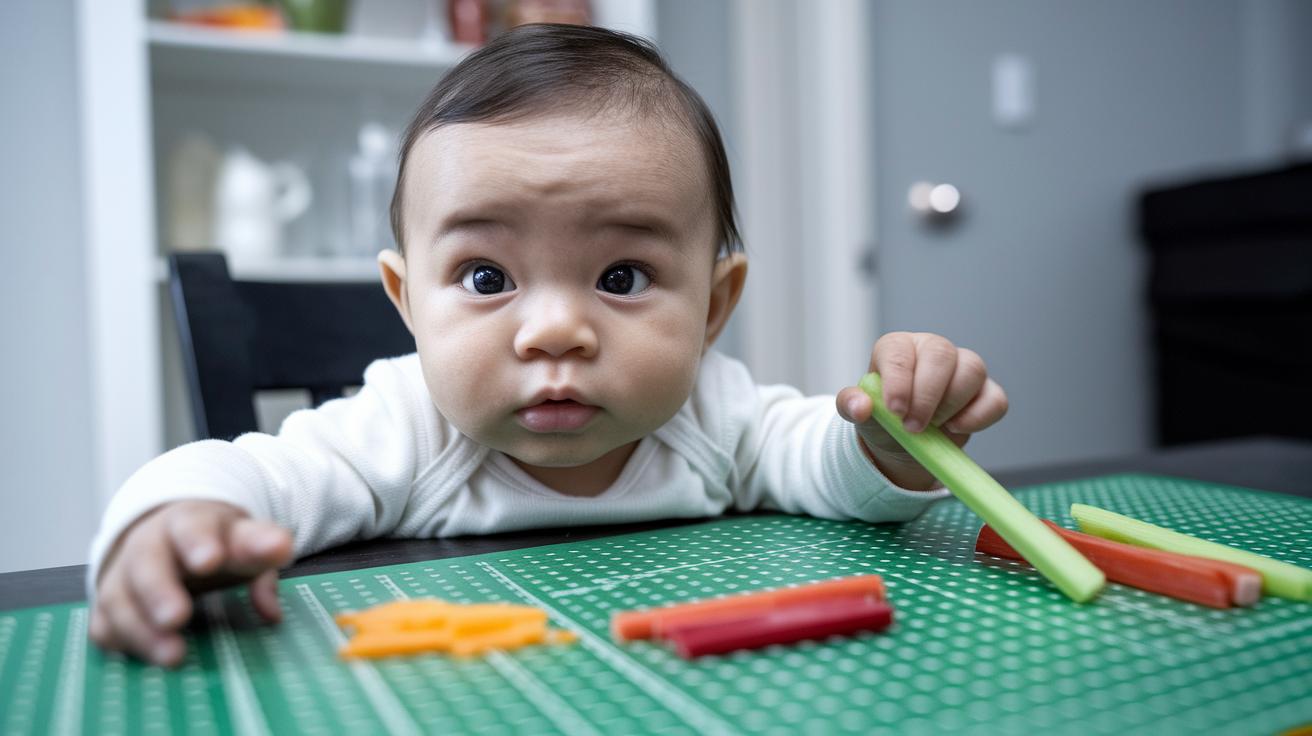
When it comes to baby-led weaning, whole food meals turn mealtime into a friendly adventure. Picture a week filled with healthy, fun foods: breakfast might feature soft fruit slices dipped in a light yogurt, while lunch could serve up steamed veggie sticks and little cubes of cheese. Dinner might bring tender tofu pieces with well-cooked vegetables. It’s like presenting your baby with a delightful array of colors and textures, where every bite sparks a new discovery that nurtures self-feeding and adds essential nutrients.
Safety is our top helper during these meal adventures. Always cut foods into small, baby-safe sizes and use a non-slip placemat so everything stays in place. Keep a close watch on every bite to help prevent choking and to make sure the food matches your baby’s growing abilities. Having baby wipes on hand and a comfy chair nearby can also bring extra comfort. These simple tips help build a warm, secure space at mealtime while inviting your little one to explore nutritious, tasty dishes.
Portion size and timing for nutritious weaning food ideas
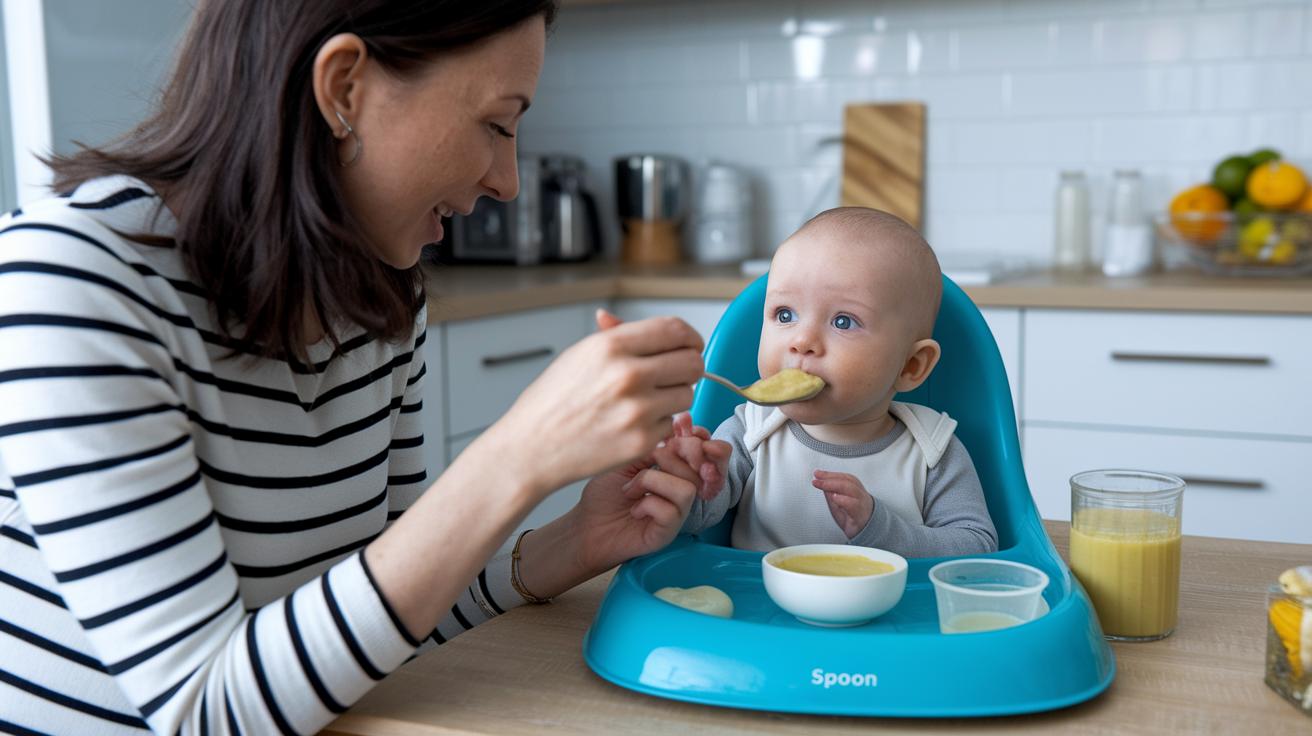
Setting up a simple feeding plan for your little one can make mealtime feel calm and fun. A steady routine helps your baby slowly explore new tastes and textures while making sure they get the right nutrients. Think of it like gently introducing them to a world of flavors, one small bite at a time.
Below, you'll find a handy table sharing some ideas on how many meals and snacks to offer along with the right portion sizes as your child grows. These tips are meant to adjust as your baby’s appetite and developmental needs change.
| Age | Meal Frequency | Portion Size |
|---|---|---|
| 6–8 months | 2–3 meals + 1–2 snacks per day | Start with a few teaspoons, move up to 1–2 tablespoons per meal |
| 9–11 months | 3 meals + 2 snacks per day | Offer 2–3 tablespoons per meal with small, easy-to-hold finger foods |
| 12+ months | 3 meals + 2 snacks per day, joining the family | Portions look like smaller versions of family meals, adjusted for a toddler’s appetite |
Remember, these are just gentle guidelines. Feel free to tweak them based on your baby’s hunger cues and how they’re growing. Every little bite is a step toward a healthy start!
Safety and allergen management for nutritious weaning food ideas

When you're ready to introduce new foods to your little one, take it slow and easy. Start with common allergens like eggs, dairy, or even peanuts, one at a time. Try each new food and wait three to five days before adding another. For example, offer a bit of pureed egg and watch for any changes. This gentle approach helps you spot any sensitivities without overwhelming your baby.
It’s super important to check that every food is prepared safely to avoid any choking risks. Make sure foods are fully cooked and soft enough to mash easily. Think of steaming vegetables until they're nice and tender or mashing fruits thoroughly before serving. And remember, avoid giving honey until your baby is at least one year old. Cutting any finger foods into tiny pieces can also boost safety and help your little one learn to self-feed.
Always keep a close eye during mealtime and check that foods have cooled to a safe temperature before giving them to your baby. By carefully preparing each meal and slowly introducing new ingredients, you're creating a warm, safe space for your baby to explore new tastes and textures. Enjoy this special time, knowing that you're caring for your baby one thoughtful step at a time.
Final Words
In the action, we explored key aspects of nutritious weaning food ideas for baby growth. We talked about using a mix of vitamin-rich dishes and balanced nutrient meals that support both physical and cognitive milestones. Each section offered clear, straightforward guidance on meal textures, safe feeding practices, and allergen management. This information aims to bring ease and confidence in making healthy choices for little ones. Enjoy creating these nurturing moments and watch your baby thrive!
FAQ
Q: What are nutritious weaning food ideas for different ages (4, 6, 9, and 12 months)?
A: Nutritious weaning food ideas change with your baby’s growth. For four months, serve smooth purees; at six months, introduce lumpy blends; by nine months, offer soft finger foods; and at 12 months, involve family meal textures.
Q: What baby food recipes work well for 6-8 months?
A: Baby food recipes for 6-8 months include simple purees of veggies and fruits with added protein, giving your baby balanced nutrients while gently building texture skills and familiarity with various flavors.
Q: What are the best foods to eat when weaning?
A: The best weaning foods use organic veggies, healthy proteins, and fats like avocado, providing a balance of vitamins and minerals that supports growth and brain development in a safe, appealing way.
Q: What is the 3 day rule for weaning?
A: The 3 day rule for weaning means trying one new food at a time and waiting three days before adding another, which helps you spot any allergies or sensitivities early on.
Q: What is the healthiest food for a 6-month-old?
A: The healthiest food for a 6-month-old often includes nutrient-rich purees such as avocado, sweet potato, or lentils, which supply balanced vitamins, healthy fats, and essential minerals for proper growth.
Q: Which food is not good for a 6-month-old baby?
A: Foods that are too chunky, heavily seasoned, or contain added sugars and salt are not suitable for a 6-month-old, as they can pose choking risks and overwhelm their developing digestive system.