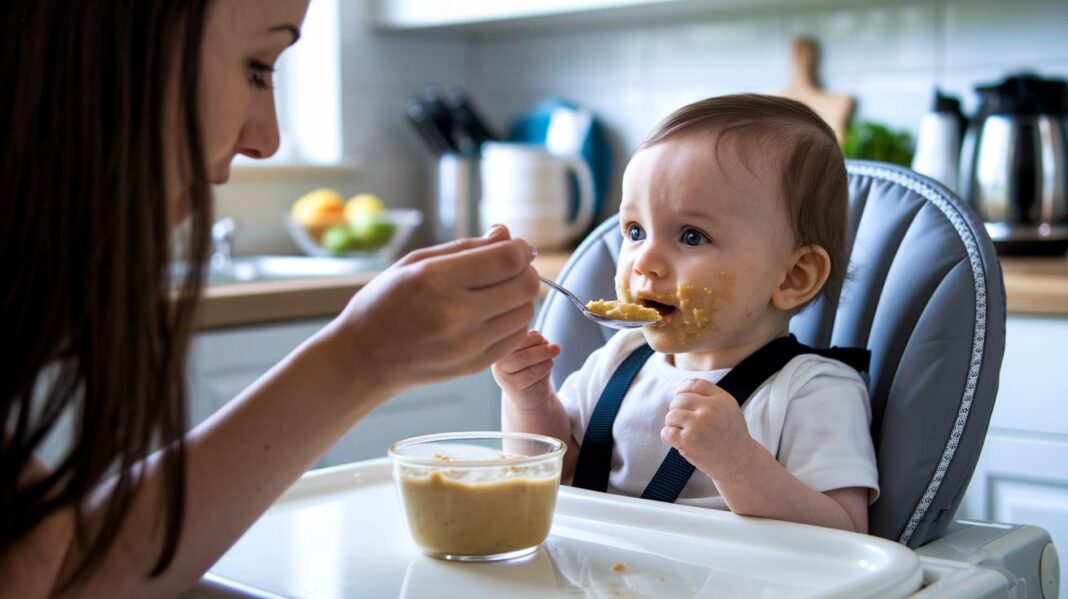
Have you ever thought that starting solids might be easier than it seems? Today, let’s chat about simple weaning foods that help make mealtimes both fun and healthy for your baby.
We’re talking about foods that pack in important vitamins and proteins while letting your little one discover new textures. Imagine their tiny hands exploring soft, gentle bites that boost their confidence and help guide each new step in growing up.
Give these ideas a try, and watch your baby light up with every bite.
Weaning Foods for Infants: Top First Food Choices
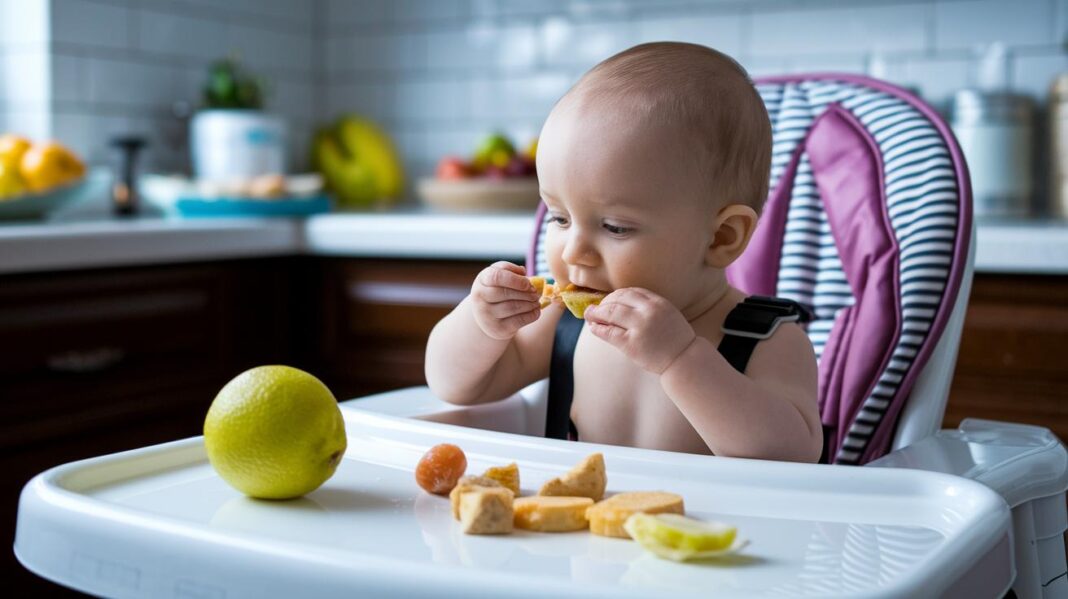
Introducing solid foods is such an exciting step for your baby. It’s a fun way for them to try new flavors and textures. Starting with soft, easy-to-hold foods can really boost your little one’s confidence at mealtime. These first foods are chosen to pack in important vitamins, protein, and healthy fats, while keeping things safe and simple. You might steam, boil, or warm these foods just a little so they turn soft and easy to handle.
It feels really good to know these options come from trusted advice. When you pick foods that are easy to mash, you’re also helping your baby develop motor skills and get the nutrition they need during this important growth time. The list below shows some choices that not only nourish your baby but also invite a little exploration. Enjoy watching your baby try out each new taste and texture, knowing you’re helping build a strong start for healthy eating.
- Avocado (cut into pieces about the size of an adult finger; it’s a great source of vitamin A)
- Yogurt (choose cultured dairy filled with friendly Lactobacillus probiotics)
- Fully cooked eggs (packed with protein and vitamin D; be sure to cook them well)
- Carrots (peeled, cut into finger-sized sticks, and steamed to keep the beta-carotene)
- Tofu (an 84-gram piece gives about 10% of your baby’s daily calcium; squeeze out extra water before serving)
- Soft, finely shredded meat and fish (like chicken, turkey, beef, salmon, or pork)
- Apples (peeled, cut into wedges, and gently cooked with a bit of cinnamon for a vitamin C boost)
- Sweet potatoes (cooked, peeled, and cut into strips to help digestion and support bone health)
- Oats (blended into oatmeal with breast milk or formula to add immune support)
- Nut butter (mix a small amount into yogurt or oatmeal as an early allergen if your pediatrician agrees)
- Safe liquids (offer water and avoid honey for babies under 12 months)
Homemade Weaning Foods: Puree Techniques and Recipes
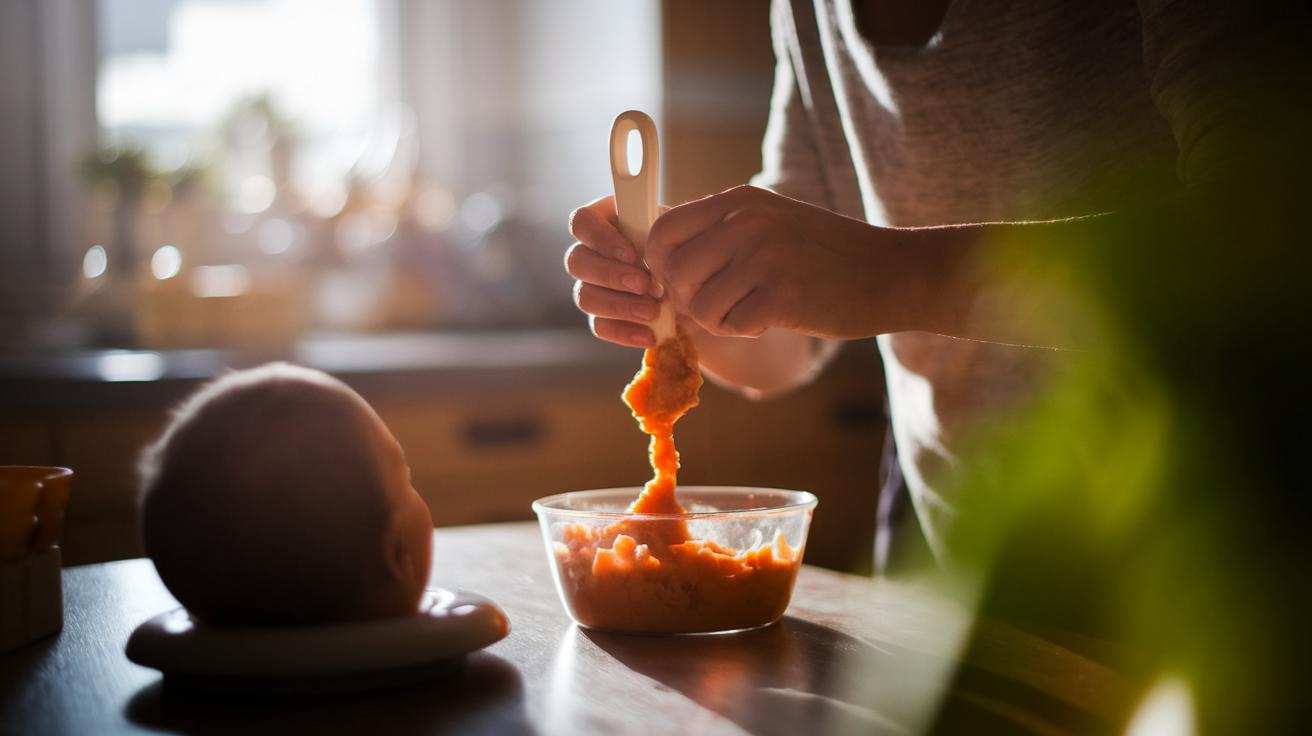
When you make weaning meals at home, start by gently steaming or boiling veggies like carrots, sweet potatoes, and peas to keep all their vitamins intact. A great trick is to steam them until soft, then blend them to get a smooth, safe texture. Picture mixing freshly steamed carrots with apples to create a vitamin-rich puree that your little one will surely enjoy.
For fruit purees, blend apples, bananas, and pears until they’re smooth. You can stir in a little breast milk or formula to loosen the mixture if needed. It turns into a naturally sweet, creamy brew that feels like a refreshing snack at any time of the day.
You can also add a protein boost by using tofu as a base. Soft tofu blends easily into a smooth puree, letting you mix in creative combos like avocado-banana or carrot-apple. It’s fun to try new mixes while keeping the texture gentle and easy to handle, so don’t be afraid to explore different flavors.
When it comes to storage, let your purees cool quickly and freeze them in ice cube trays. Just thaw the cubes in the fridge overnight before serving. This simple method keeps the nutrients fresh and makes meal planning easier on busy days, giving you more time to enjoy cuddles with your baby.
Weaning Foods for Infants: Step-by-Step Feeding Schedule
At about six months, it’s a good time to start adding one small solid meal each day along with your baby’s usual 24–32 fl oz (710–946 mL) of breast milk or formula. Try offering a smooth, mashed fruit or vegetable that’s easy to swallow. Give your little one plenty of time to adjust by spacing the solid meal and milk feeds by at least two hours. For instance, you might serve a small bowl of pureed carrots or mashed avocado after a calm milk feed.
Between seven and nine months, aim to serve two solid meals daily while keeping the milk amount around 24–32 fl oz. This stage is all about exploring new textures and tastes as your baby’s palate grows while still getting most of their nutrition from milk. You could add something like mashed sweet potatoes or a bit of well-cooked, shredded meat in small portions. Keep an eye out for hunger cues and build a routine that makes mealtime a gentle, happy experience.
Then, as your baby reaches ten to eleven months, increase to three solid meals a day and lower the milk to about 20–30 fl oz (591–887 mL). By the time your child turns twelve months, you can offer three meals along with up to two small snacks, and you might begin to transition to cow’s milk (around 14–20 fl oz or 414–591 mL). Let your baby’s interest and cues guide you, and remember to allow at least a two-hour gap between solid meals and milk feeds when needed.
Weaning Foods for Infants: Nutritional Benefits of Key Foods
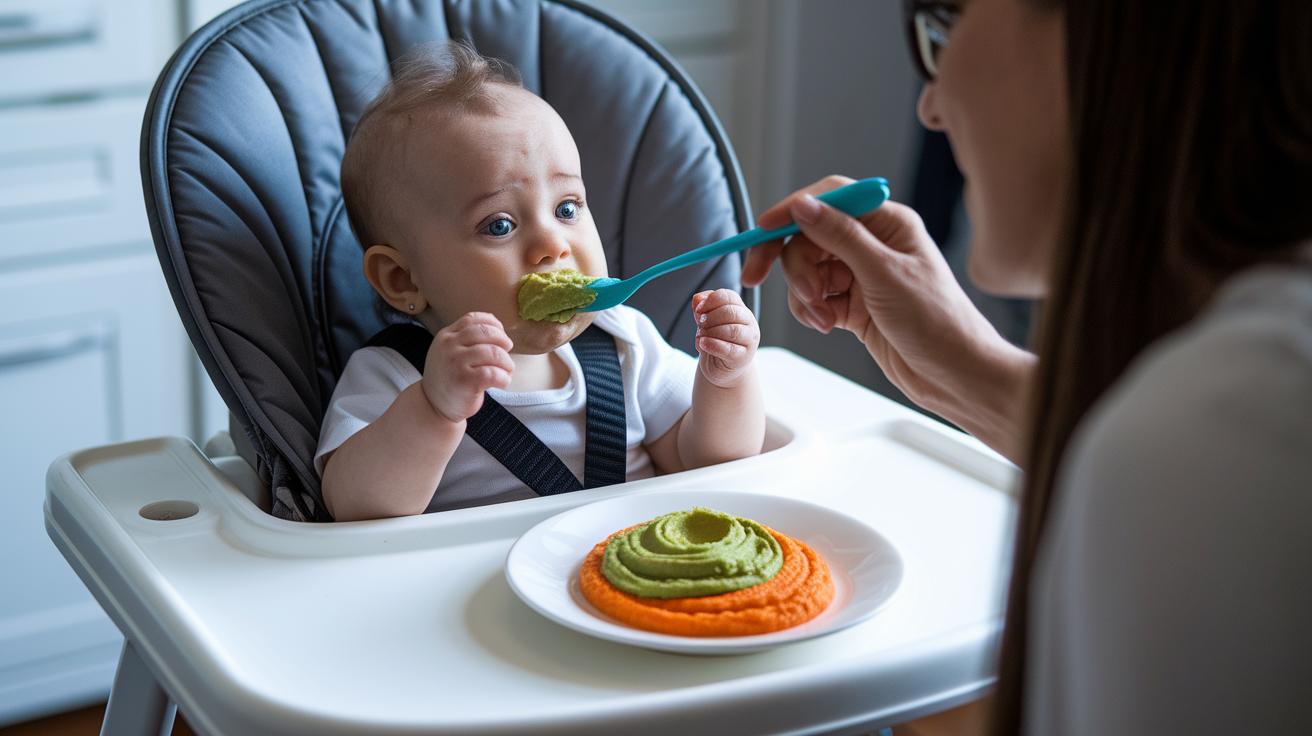
There are several gentle foods that help give your baby the nutrients they need. Lean meats and fortified oats pack in iron, which is important for making hemoglobin that carries oxygen all around the body. Have you ever noticed how a little boost can improve energy?
Avocado is a wonderful food because it offers vitamin A (important for healthy eyes) and supports the immune system. Carrots, rich in beta-carotene, protect cells and help keep vision strong. Apples contribute vitamin C, which is great for keeping your baby’s defenses up.
Cultured yogurt and tofu are both excellent sources of calcium, which builds sturdy bones – for instance, just 84 grams of tofu gives about 10% of the daily calcium needed. Eggs bring in vitamin D and essential amino acids that help with brain and muscle development, while nut butter adds healthy fats that support brain growth. Sweet potatoes offer a comforting dose of fiber and minerals to help with smooth digestion and strong bones.
Each of these foods plays a special role. Iron helps create hemoglobin so your baby gets plenty of oxygen for energy and growth. Vitamin A not only sharpens vision but also gives a boost to the immune system. Calcium builds a solid bone foundation, and the blend of proteins and healthy fats makes each bite a little powerhouse of balanced nutrition.
Weaning Foods for Infants: Introducing Allergens Safely
When you’re ready to start your little one on solid foods, try giving them one simple ingredient at a time. It helps to introduce each allergenic food on its own and then wait about three to five days before adding another. This way, if your baby has a reaction, you’ll know exactly which food is the cause. For instance, start with plain, pureed apples so you can easily spot any changes.
Around six months, many parents begin to introduce common allergens like peanut butter and eggs. You can mix a tiny bit into plain yogurt or oatmeal, making it easier for your baby to try. Imagine stirring a small dollop of peanut butter into a morning yogurt, this not only changes the flavor but also helps you keep a close eye out for any signs of a rash or tummy upset.
Remember, never give honey to infants under 12 months because it can be unsafe for them. And when you try something new, do it early in the day. That way, if your baby experiences any discomfort, like diarrhea or vomiting, you have plenty of time to notice and respond. This gentle, step-by-step approach lets you safely introduce a variety of flavors while keeping your baby’s health and comfort first.
Weaning Foods for Infants: Texture Transition Tips
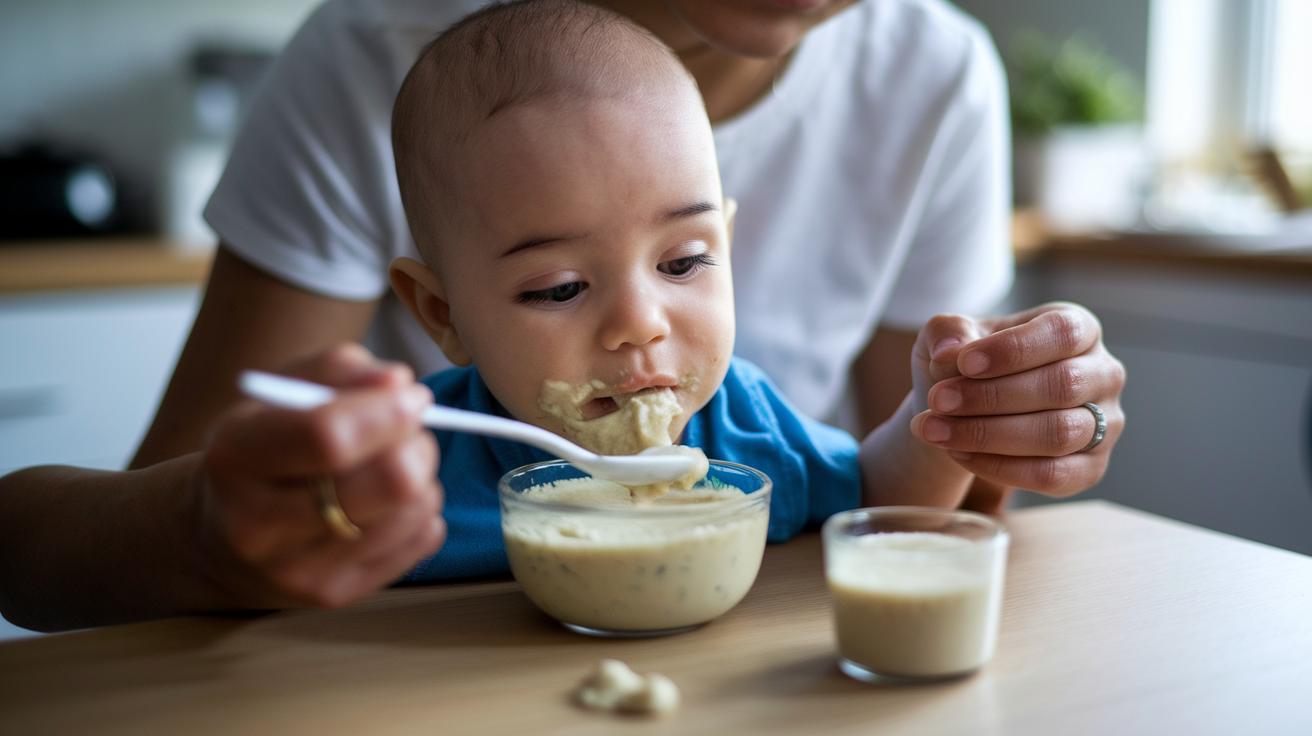
When it's time to introduce solids, start with smooth purees that are gentle and easy for your baby to enjoy. Offer fruits or veggies that are well-blended, and look out for little signs like your baby sitting up on their own or using a pincer grasp (using thumb and finger) to show they're ready for a change, even while still loving their soft purees.
As your baby starts developing more chewing power, you can slowly move on to thicker mashed foods. Begin by lightly mashing the purees so they have a slight, grainy feel. Around eight months, consider adding small bits, like finely grated carrots or tiny potato pieces, to give a lumpy texture that’s both safe and fun for your little one to explore.
By about nine to ten months, soft finger foods become a great option. Think steamed vegetable sticks or small pieces of soft bread that can be easily squished between two fingers. This not only supports self-feeding but also helps develop important motor skills. Keep watching your baby for those ready cues, and enjoy this playful, safe journey into more textured foods.
Weaning Foods for Infants: Sample Meal Plan and Chart
Planning your baby's meals for the week can really take the stress out of mealtime. It helps your little one try a variety of flavors while you keep things organized. A baby food planning chart lets you track different pureed vegetables, fruit blends, proteins, and grains. Plus, you can remember to offer safe sips of water from a little cup.
Start new foods in small spoonfuls, usually just 1 to 2 tablespoons at first. As your baby grows and discovers new tastes, slowly increase the amount to 2 to 4 tablespoons. This gentle approach helps your baby get the nutrients they need and enjoy exploring different textures all day long.
Keeping a record of meals by age can make scheduling much simpler. It helps you stay consistent with their nutrition while making it easy to adjust as your baby's needs change.
| Age | Meal Frequency | Example Foods | Portion Size |
|---|---|---|---|
| 6–7 months | 1 solid meal + milk feeds | Pureed carrots, apples, oatmeal | 1–2 tbsp |
| 8–9 months | 2 meals per day | Mashed sweet potato, yogurt, mashed meat | Increase to 2–3 tbsp |
| 10–11 months | 3 meals per day | Soft finger foods, shredded chicken, fruit wedges | 2–3 tbsp, up to 4 tbsp |
| 12 months | 3 meals + 2 snacks | Varied table foods, steamed veggies, whole grains | 2–4 tbsp per serving |
Weaning Foods for Infants: Expert Guidance and Common Challenges
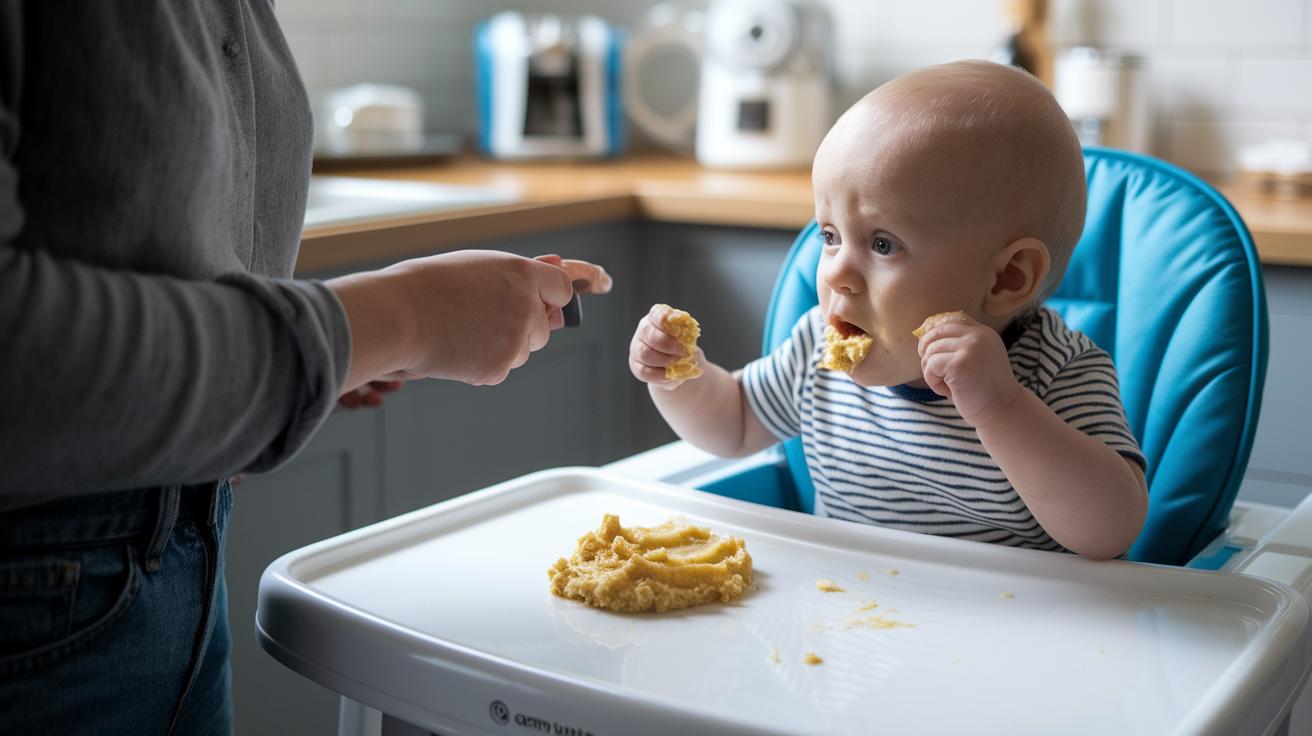
Keep breast milk or formula as your baby's main drink in their first year, even as you gently introduce soft, mashed foods. Use a sturdy highchair and stay nearby so your little one feels safe while exploring self-feeding.
It's really important to notice the difference between gagging and choking. Make sure the food you offer can be mashed between two fingers to lower choking risks. A little gagging can be normal as your baby learns, but always keep a close eye and be ready to help.
Encourage some self-feeding to build your baby’s motor skills and help them learn their hunger cues. It’s totally normal to see a few spills during meals. Having easy-clean surfaces and a pack of wipes handy can make cleanups easier and help reduce any stress.
Before you start any weaning routine, have a chat with your pediatrician, especially if your baby was born preterm or has any health concerns. This advice can boost your confidence and help make the transition to solid foods as safe and smooth as possible.
Final Words
In the action, this article laid out clear tips for choosing the best first foods, creating homemade purees, and setting up a feeding schedule that supports healthy growth. We explored texture transitions, practical meal charts, and expert advice with everyday care. Each suggestion helps build a smooth start with weaning foods for infants. Remember, every small step is part of your baby's growth, and every new taste is a win. Enjoy these moments and the confidence that comes with trying new foods.
FAQ
What are appropriate weaning foods for 6-month-old infants, including baby first foods for 4–6 months?
The answer explains that for 6-month-olds (and sometimes 4–6 months) safe first foods include smooth purees of fruits and vegetables, soft avocado, yogurt, and fully cooked eggs, always introduced gradually with pediatric guidance.
What should a 6-month baby food chart include?
The answer outlines that a 6-month baby food chart typically combines small portions of pureed fruits, vegetables, and grains with regular milk feeds to support gradual texture introduction and balanced nutrition.
What are recommended weaning foods for infants at 9 and 12 months, including tips from a 7-month baby food chart?
The answer details that for 9 to 12-month-olds, foods evolve from smooth purees to soft, small pieces; for 9-month-olds, mashed proteins and veggies work well, while 12-month-olds can enjoy finger foods and dairy as part of a varied diet.
What foods are good for weaning babies and what should you start them on?
The answer clarifies that good weaning foods include nutrient-rich choices like avocado, yogurt, pureed fruits, and steamed vegetables, starting with single-ingredient purees that gradually progress in texture as the baby develops eating skills.
What is the 4 day rule for baby-led weaning?
The answer explains that the 4 day rule means introducing one new food and waiting four days before adding another, so you can clearly observe any reactions or sensitivities in your baby.
Can I give my 4‑month‑old baby food?
The answer advises that most guidelines suggest beginning solid foods around 6 months, so a 4‑month‑old should continue with breast milk or formula until a healthcare professional recommends starting solids.