
Have you ever noticed that a meal can feel like a little burst of joy for you and your baby? Omega-3 foods like wild salmon and walnuts can do just that. They pack in important nutrients that help support healthy milk production (milk from breastfeeding moms).
Imagine sitting down to enjoy a warm, savory salmon dish or adding a sprinkle of walnuts on your morning oats. Each bite feels like a gentle boost for both you and your little one.
This article will share simple tips on choosing the best omega-3 foods so that you both can feel nourished and thrive.
Top Omega-3 Rich Foods for Breastfeeding Mothers

When it comes to boosting omega-3 levels, wild salmon is a wonderful choice. It offers about 1,500 mg of EPA/DHA in just a three-ounce serving. If you aim for roughly three hearty servings each week, you easily meet the daily 1 gram guideline. Imagine enjoying a tangy, grilled salmon fillet on a cool evening, knowing it brings benefits for both you and your little one.
And don’t forget, the ocean provides other tasty options too! Sardines, mackerel, and trout are also packed with these vital fatty acids. Their rich, deep flavors and soft textures make them a perfect addition to many meals, giving you a delicious way to support quality milk production.
There’s also a wonderful plant side to omega-3s. Flaxseed, chia seeds, and walnuts are great sources of ALA (another form of omega-3). For instance, one tablespoon of flaxseed offers about 2,300 mg. Imagine sprinkling these seeds on your morning oatmeal, it adds a nutty crunch and a nutritious twist to your start. You can also mix flaxseed oil or canola oil into your dressings or cooking to boost your omega-3 levels with ease.
Fortified eggs and yogurt bring extra support along, with each serving packing between 100 and 200 mg of DHA. Perhaps you’d enjoy a breakfast featuring a couple of eggs or a snack of yogurt mixed with vibrant fresh fruits, it’s wholesome and satisfying.
- Wild salmon – around 1,500 mg EPA/DHA per 3-oz serving
- Sardines, mackerel, and trout – ocean treasures rich in omega-3
- Flaxseed, chia seeds, and walnuts – plant-based sources delivering ALA
- Fortified eggs and yogurt – about 100–200 mg DHA per serving
For more ideas and tips, check out best foods for breastfeeding.
Benefits of Omega-3 for Breastfeeding Mothers and Their Babies

Omega-3 fatty acids, especially EPA and DHA, are super important when you're breastfeeding. These nutrients help your baby’s brain and eyes grow, especially during the later months of pregnancy and into those early years of life. It’s like giving your little one the perfect set of building blocks, just as a painter carefully chooses the best colors for a true masterpiece.
Some studies show that taking about 1,000 mg of EPA and DHA each day might even help ease those postpartum blues. When you boost your omega-3 levels, you’re not just helping your body, you’re also enriching your milk, which supports your baby’s mood and development. It really feels like taking care of yourself means taking care of your baby, too.
Most babies in the U.S. start life with breastfeeding, and major pediatric groups recommend exclusive breastfeeding for six months. It’s a natural way to feed your child with all those key nutrients like DHA and EPA. Ever notice how a small, nutrient-packed boost in your diet can feel like a warm, comforting hug for both you and your little one?
Incorporating Omega-3 Rich Foods into Breastfeeding Meal Plans
Breastfeeding moms often need about 350–400 extra calories every day. This means it’s a great time to add foods rich in omega-3 that help both you and your baby. It’s kind of fun to create simple meal ideas that not only fill you up but also boost milk quality.
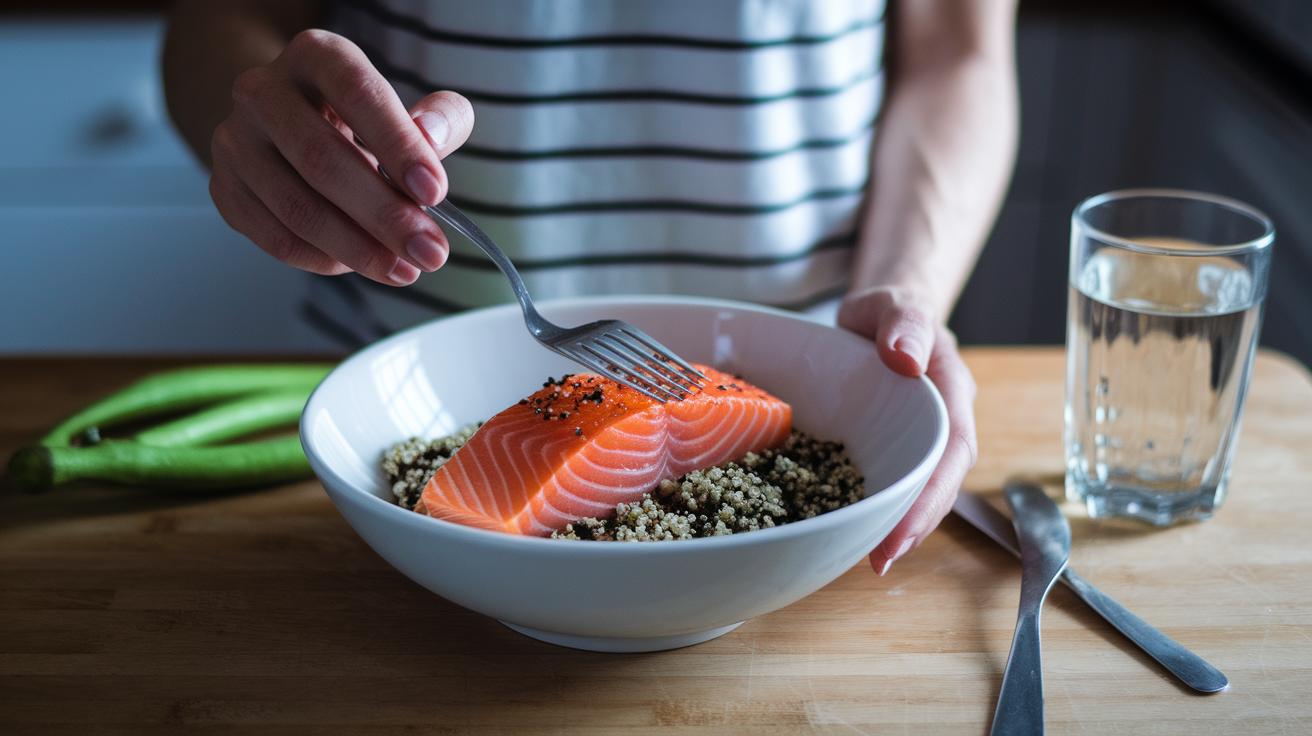
Imagine starting your day with a salmon quinoa bowl. You serve 3 oz of wild salmon with ½ cup of quinoa, creating a meal that’s both flavorful and balanced. The tender salmon mixed with the lightly nutty quinoa feels like a nourishing, mini feast.
If you’re on the go, try whipping up a chia-seed pudding with berries. Just mix 2 tbsp of chia seeds with ¾ cup of milk and let it sit until it thickens. Then, add those juicy berries for a sweet burst that’s as refreshing as it is healthy.
Another cozy option is walnut oatmeal. Stir ¼ cup of walnuts into a bowl of steel-cut oats. The crunch from the walnuts adds great texture while packing your bowl with omega-3 goodness.
You might even fancy a flaxseed smoothie. Blend together 1 tbsp of flaxseeds with a banana and some yogurt for a creamy, satisfying drink that feels just like a little treat during your busy day.
Or, consider a twist with sardine avocado toast, simply top whole-grain bread with a can of sardines and some sliced avocado. Another tasty idea is a salmon salad wrap; mix 3 oz of salmon with fresh veggies and wrap it up in a tortilla for a quick, nutrient-packed meal.
For more detailed ideas, check out the breastfeeding mother diet chart.
Omega-3 Supplementation and Dosage Tips for Nursing Mothers
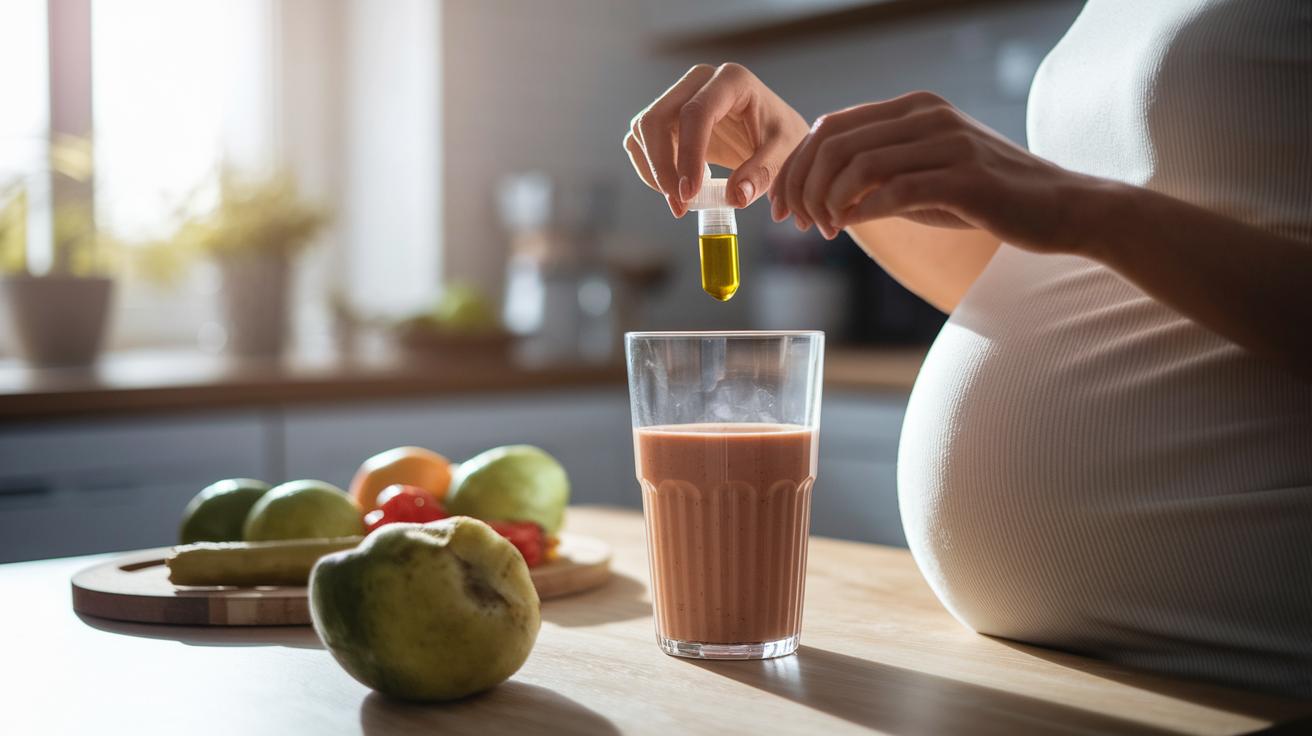
Getting enough omega-3 can feel like juggling too many things at once. Research shows that about 1,000 mg of EPA and DHA combined each day is just right for keeping both you and your baby healthy. Many moms say it's hard to reach this amount with food alone, so taking a supplement might be the perfect backup. For example, you can try fish-oil capsules or algae-based DHA. Imagine adding a capsule to your morning smoothie, it’s an easy way to boost your omega-3 intake.
Before you start any supplement routine, it’s a good idea to have a quick chat with your doctor. They can help you decide if you need extra omega-3 and might even suggest a simple test, like the Omega-3 Index or DHA measurement, to see how well your body is using these nutrients.
Remember, the best approach is the one made just for you. One mom shared, "Adding a daily capsule was a little boost that helped me manage my busy days." This simple, customized step lets you feel more supported during this special time for both you and your baby.
Marine vs Plant-Based Omega-3 Sources for Breastfeeding Moms: Spark Joy
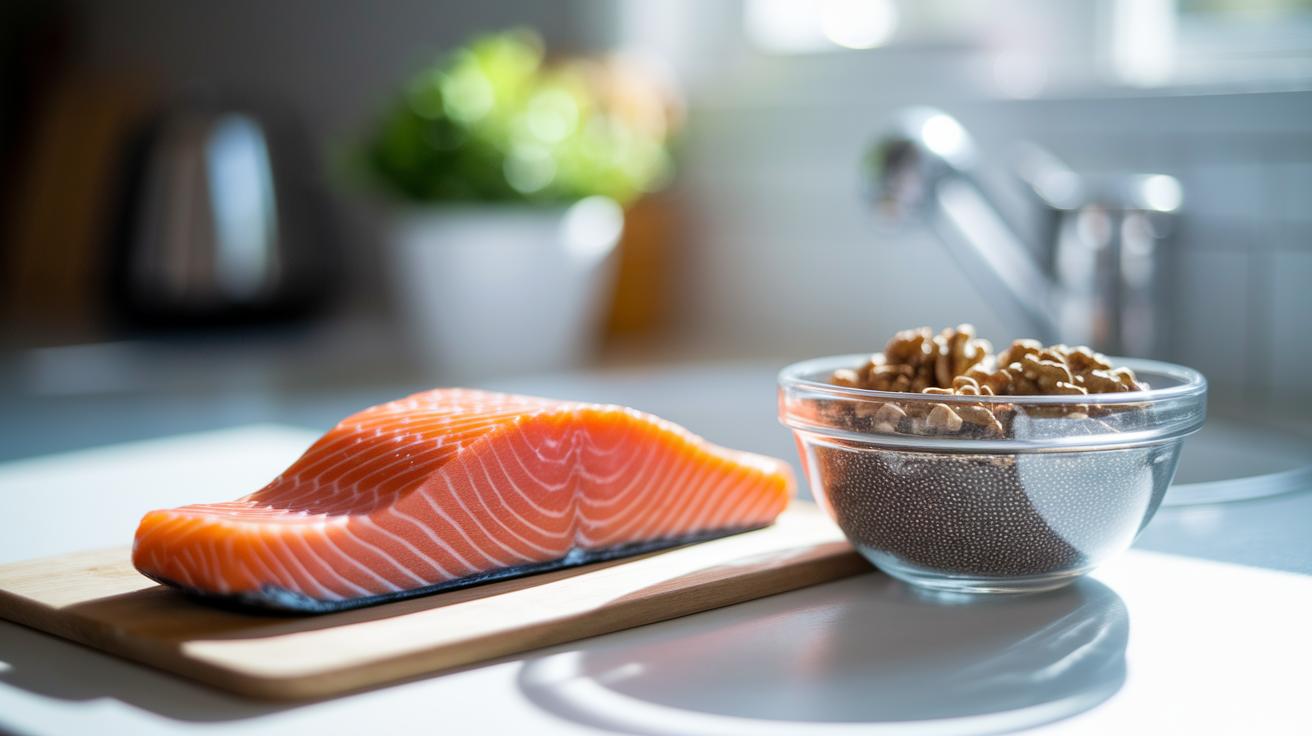
Marine sources like salmon and sardines give you EPA and DHA in a form your body can use right away. Picture a freshly grilled salmon fillet, full of omega-3s that help lift your mood and nurture your baby's growing brain.
Plant sources such as flax, chia, and walnuts bring along ALA, plus extra fiber, protein, magnesium, and antioxidants. Imagine sprinkling chia seeds over your oatmeal. But here’s the thing: less than 5% of that ALA turns into the DHA and EPA your body really needs. So while plant options add variety, they do come with a little conversion challenge.
Mixing both marine and plant choices in your meals can brighten your table with tasty diversity while boosting your intake of important nutrients. Think about the crunchy texture of walnuts or the gentle burst of chia seeds in your favorite dish, paired with a serving of salmon or sardines to deliver nutrients exactly where your body needs them.
Conversion of ALA to EPA/DHA
Did you know your body changes ALA into EPA and DHA at a rate below 5%? This low conversion shows why getting omega-3 straight from marine sources is key during breastfeeding, it gives you that quick supply of nutrients to fuel your well-being and support your baby’s growth.
Safety and Sustainability of Omega-3 Foods for Breastfeeding Mothers
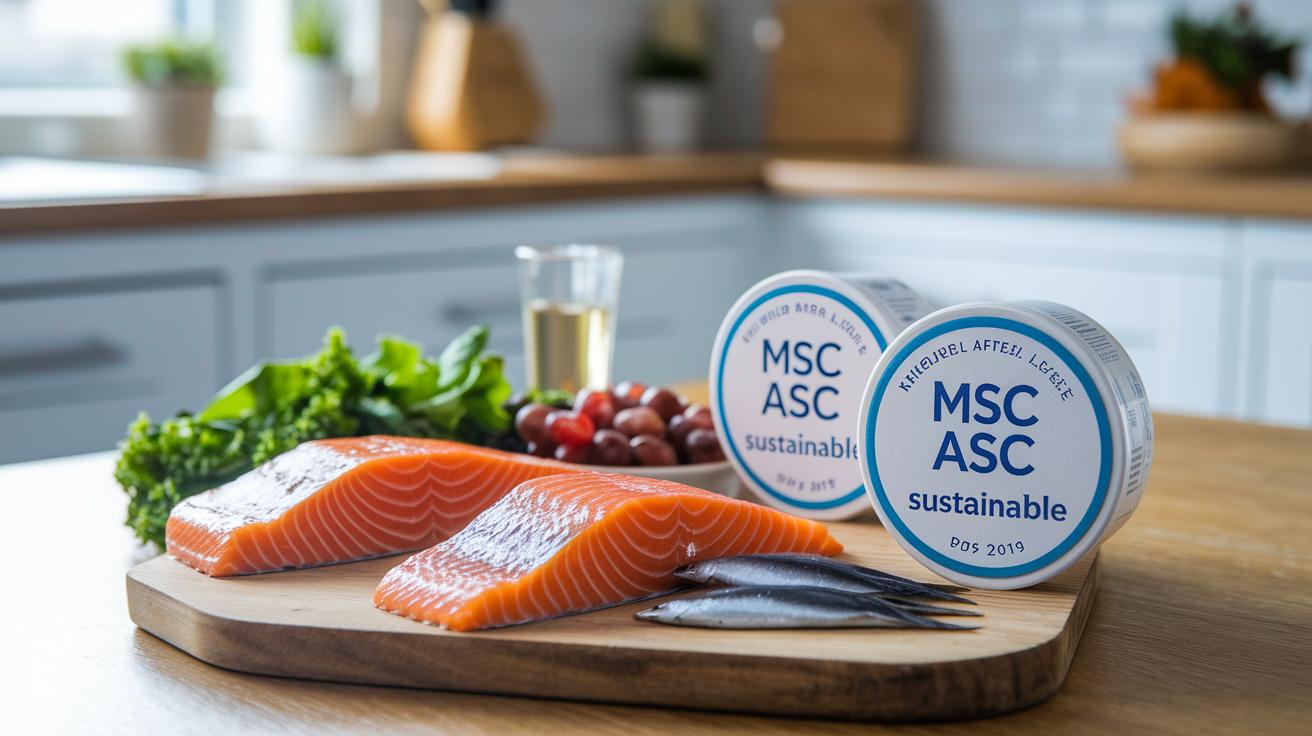
When you choose foods rich in omega-3, it’s really good to consider both your health and the environment. Doctors suggest picking fish that are low in mercury, like salmon, sardines, or anchovies, and enjoying them around 2–3 times a week. Imagine savoring gently grilled salmon that not only fills you with essential omega-3s but also keeps mercury worries at bay.
Another smart choice is to look for seafood that’s certified as sustainable. Labels such as MSC or ASC mean the fish were caught with care for our oceans. Isn't it comforting to know that every bite you take is supporting a healthier planet?
If fish isn’t your thing, plant oils and algae supplements can be a great alternative. Algae-based DHA supplements offer a direct hit of omega-3 without any worry about contaminants. And you can even add healthy oils like flaxseed or canola oil to your meals, think of drizzling a light flaxseed dressing on your salad, bringing extra flavor and nutrients that benefit both you and your baby.
By mixing these choices into your daily meals, you can enjoy the essential omega-3s while being kind to the environment. Small, thoughtful choices like these can truly make every dish a celebration of good health and a greener world.
Final Words
In the action, this guide breaks down the best marine and plant options, smart supplementation tips, and safe practices that boost milk quality and support maternal health. You’ve seen easy meal ideas, from salmon quinoa bowls to chia-seed puddings, that tie directly into meeting daily nutritional needs.
The tips shared make it easy to embrace omega-3 rich foods for breastfeeding mothers. Small changes create lasting benefits, leaving you feeling confident and empowered on your mothering path.
FAQ
Q: What are some vegetarian sources of omega-3 foods?
A: Vegetarian omega-3 sources include flaxseed, chia seeds, walnuts, and plant oils like flaxseed oil. They provide ALA (a plant-based omega-3), which can be partly converted into the more active forms.
Q: What are some top omega-3 rich foods for breastfeeding mothers?
A: Top omega-3 foods for breastfeeding include wild salmon, sardines, mackerel, trout, as well as fortified eggs and yogurt. Plant sources like flaxseed and chia seeds also add beneficial ALA.
Q: Is there a diet chart for breastfeeding mothers?
A: A breastfeeding mother diet chart often suggests nutrient-dense meals such as salmon quinoa bowls, chia-seed pudding with berries, walnut oatmeal, and flaxseed smoothies. These choices help meet extra calorie and nutrient needs.
Q: What benefits do omega-3 foods offer women, especially during lactation?
A: Omega-3 foods provide essential EPA and DHA, which support infant brain and eye development, help maintain milk quality, and are linked to a lower risk of postpartum depression in nursing mothers.
Q: How can a diet help increase milk production for breastfeeding mothers?
A: Diets rich in omega-3 foods, combined with balanced meals and extra calories, may support healthier milk production while supplying essential nutrients for both mother and baby.
Q: How much omega-3 should breastfeeding mothers aim to consume daily?
A: Breastfeeding mothers are advised to target around 1,000 mg of combined EPA/DHA per day, which can be met by regular servings of marine omega-3 sources alongside plant-based options.
Q: Are omega-3 supplements beneficial for breastfeeding mothers?
A: Omega-3 supplements, such as fish-oil capsules or algae-derived DHA, can help reach daily targets when dietary intake is low. It’s best to consult a healthcare provider before starting any supplement.
Q: How can breastfeeding mothers increase omega-3 levels in their breast milk?
A: Increasing omega-3 in breast milk can be achieved by consuming more marine sources like salmon and sardines, along with plant-based sources and, if needed, safe omega-3 supplements as recommended by a provider.
Q: Which omega-3 form is best for breastfeeding mothers?
A: Marine-sourced omega-3s from foods like salmon and sardines supply preformed EPA and DHA, which are more readily used by the body than the ALA found in many plant sources.
Q: What is the 3-3-3 rule for breast milk?
A: The 3-3-3 rule typically refers to a guideline some mothers follow, suggesting feeding roughly every three hours with around three ounces per feeding. Always discuss feeding practices with your healthcare provider.
Q: What are the best fatty foods to eat while breastfeeding?
A: Some of the best fatty foods include omega-3 rich fish like salmon and sardines, along with healthy plant fats from flaxseed, chia seeds, and walnuts, which support both milk quality and overall health.
Q: Is there a weight loss diet chart for breastfeeding mothers?
A: A weight loss diet chart for breastfeeding moms should balance calorie needs with nutrient-rich foods, incorporating lean proteins, omega-3 sources, fruits, and vegetables to gently support gradual weight loss.