
Have you ever thought a protein shake might help you feel better after birth and even boost your milk supply while breastfeeding? I know choosing healthy options when you’re caring for a newborn can feel overwhelming. A simple protein shake is a quick and easy way to add extra protein, lending a gentle helping hand as your body heals. It's like a little lift on a busy day, comforting you and your baby when you need it most. In this post, I'll share a trusted shake recipe that fits right into a caring, balanced postnatal routine.
Safety and Nutritional Benefits of Protein Shakes While Breastfeeding

Protein shakes can be a simple way for breastfeeding moms to add a bit of extra protein to their diet. They help with body healing and support the extra protein needs after birth. Sure, whole-food options like lean meats, eggs, and beans are great, but sometimes a quick shake feels just right.
Think of it this way: a small glass of milk (about 250ml) gives roughly 8 grams of protein, which helps us see how other protein sources compare. While protein shakes also add more calories and fluids, sometimes making it seem like they boost your milk supply, studies show that the protein level in breastmilk (around 1% protein) stays steady no matter what you eat.
Experts say it's safe to have up to 2 grams of protein per kilogram of your body weight each day. For example, the American Pregnancy Association suggests 75–100 grams per day during pregnancy, and the World Health Organization recommends an extra 25 grams for the first six months of breastfeeding. In truth, protein powders can be a handy way to meet your needs, but remember they’re just one option to help keep your nutrition balanced.
If you notice your milk supply changing, it’s more likely thanks to the extra fluids and nutrients rather than the protein itself. It’s all about keeping you and your baby well-nourished and healthy.
Choosing Safe Ingredients for Your Breastfeeding Protein Shake
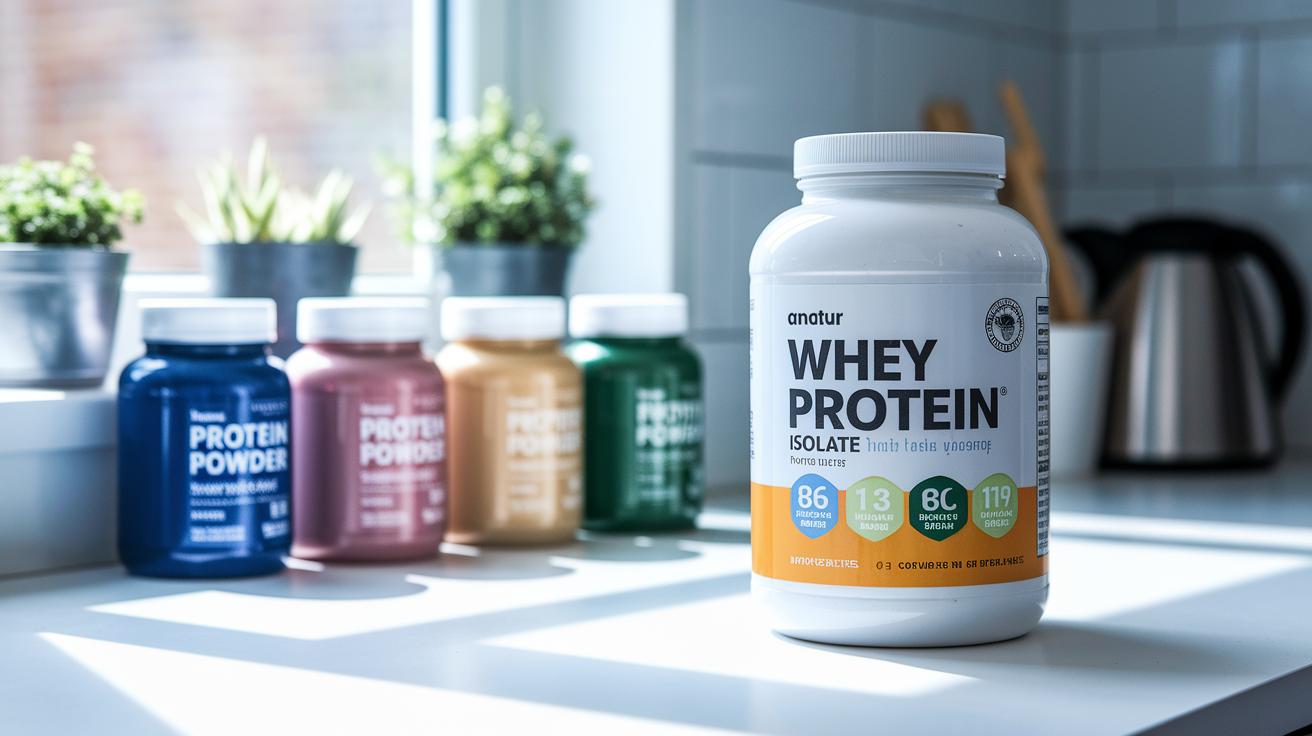
Whey-based protein powders, especially plain whey isolate, are a great choice. They provide all nine essential amino acids and usually come with fewer additives. It’s like sticking to a trusted recipe that uses only the best ingredients, clean and dependable for your postnatal (after birth) nutrition.
Plant-based proteins such as soy, pea, or rice offer a friendly alternative if you need a dairy-free or vegan option. They still deliver good nutrition, though their mix of amino acids might not be as balanced as whey. Often, blending different plant proteins covers your needs perfectly. Think of it like preparing a colorful, nutritious salad where each ingredient adds its own special benefit.
Not all protein powders are made equal. Some budget options might include contaminants like arsenic, cadmium, mercury, or lead. It’s wise to avoid powders packed with artificial sweeteners, too much sugar, or fillers that don’t really add value. Even organic choices sometimes come with a higher price without clear proof of less contamination. Checking the labels and opting for a product with a clean ingredient list can really make a difference.
| Powder Type | Protein per Serving | Pros | Cons |
|---|---|---|---|
| Whey Isolate | ~20g | Complete protein, minimal additives | Contains dairy |
| Pea Protein | ~15g | Dairy-free, easy to digest | Less complete amino profile |
| Soy Protein | ~18g | Full amino acids, plant-based | May trigger allergies |
Potential Risks and Precautions of Protein Shakes While Nursing

Protein shakes can be a quick and easy way to boost your protein intake, but if you’re nursing, it’s important to keep a few things in mind. Eating too much protein, say, more than 2 grams per kilogram of your body weight, might put extra stress on your kidneys and lead to dehydration if you’re not drinking enough water. Also, some shakes made with powders that haven’t been tested thoroughly could have heavy metals like arsenic, cadmium, mercury, or lead. And if you rely mostly on shakes instead of a variety of whole foods, you might miss out on other important nutrients.
Watch out for shakes with lots of added sugars, artificial sweeteners, or extra fillers, as these can sometimes cause sensitivities for both you and your baby. It’s a good idea to read labels carefully to avoid any unwanted irritants. Balancing your protein shakes with meals full of fruits, vegetables, and whole grains can help keep your diet nutritious and well-rounded. And don’t forget to drink plenty of water throughout the day!
Lastly, always read ingredient lists closely and talk with your healthcare provider about any new supplements. This way, you can enjoy your protein shakes safely while nurturing both yourself and your little one.
Optimal Dosage and Timing of Protein Shakes While Breastfeeding
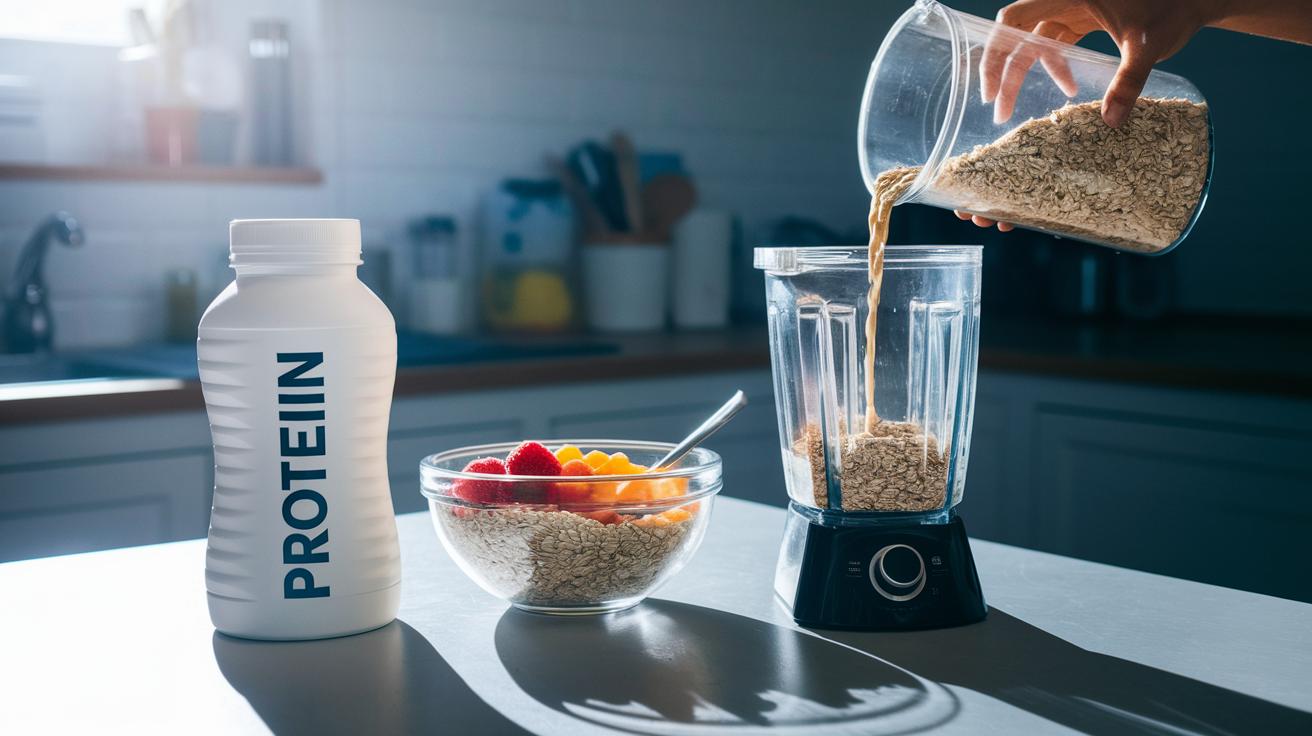
If you’ve followed the advice in our Safety and Nutritional Benefits section, start by using that dosage as your guide. Then, think about the best times to enjoy your shake. For example, sipping on a shake around meals or after a workout can help keep your energy steady and support your body’s recovery. Imagine having one right after a brisk walk, a mix of protein with fruits and whole grains offers a simple power-up.
Pair your shake with foods that include carbohydrates and healthy fats to keep your blood sugar steady and help your body absorb nutrients. Picture starting your day by mixing your protein shake with a bit of oats and a splash of almond milk. This easy combination refreshes you and gives you energy that lasts.
Here’s how you can do it:
- Enjoy a balanced shake when you wake up or between meals.
- Have your protein mix after light exercise to support muscle recovery.
- Combine your shake with a source of carbs and a bit of healthy fat for steady energy.
Imagine this post-workout treat: right after a light jog, blend your protein powder with a banana, a spoonful of nut butter, and a few ice cubes. It’s a simple, delicious way to help repair your muscles and keep your energy up.
Homemade and Quick Lactation Protein Shake Recipes
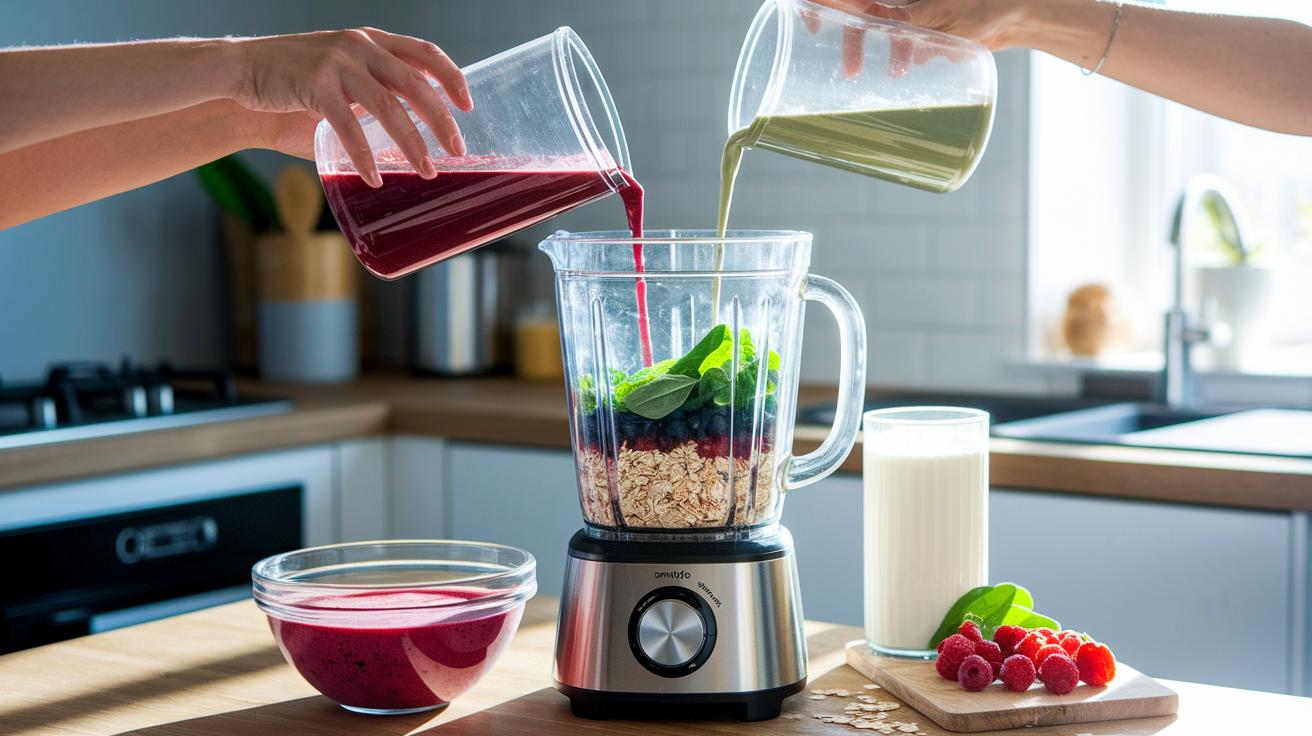
When you’re juggling a busy day, a homemade protein shake can be a lifesaver. These quick recipes let you mix simple ingredients into a balanced meal replacement that’s packed with protein, fiber, vitamins, and minerals to support your postnatal nutrition.
Take the Berry Oat Lactation Smoothie, for example. It blends oats, mixed berries, whey isolate, flaxseed, spinach, and almond milk into a tasty drink. Imagine the tangy burst of berries paired with creamy almond milk helping you kickstart your morning. It’s like a little hug in a glass to get you ready for the day.
Then there’s the Green Power Protein Bowl. It combines pea protein with avocado, kale, banana, chia seeds, and coconut water. Every bite gives you a mix of yummy textures and flavors while fueling your body with the protein and healthy fats you need to feel energized.
And if you’re in the mood for something a bit richer, the Chocolate Peanut Butter Recovery Shake might be just the treat you need. A mix of chocolate whey protein, peanut butter, Greek yogurt, pumpkin seeds, and skim milk creates a smooth, satisfying drink. It feels like a mini reward after a light workout, a delicious way to help your muscles bounce back.
Here are a few simple tweaks you can try:
- Swap almond milk with dairy-free options like oat or coconut milk.
- Replace peanut butter with alternative nut butters such as almond or cashew butter.
- Use gluten-free oats if you’re looking for a gentler grain.
Enjoy these recipes as a warm, nurturing boost on any busy day!
Impact of Protein Shakes on Milk Supply and Baby Health

Research tells us that your milk stays the same no matter what you drink. Adding more liquid and calories might boost the amount, but extra protein from a shake won’t change what’s in your milk. Studies also show that protein shakes don’t affect your baby’s growth.
There are lots of claims about lactation powders making your milk flow jump by a huge percentage. But if you hear someone say, "This powder will boost your milk by 50% overnight," know that science shows your body naturally keeps your milk just as it should be.
Blending protein shakes with whole-food choices can be a smart move. For example, checking out options under the foods that increase milk supply can help you create a well-rounded, healthy plan.
Final Words
In the action of exploring safe ingredients, practical dosage, and homemade recipes, we’ve shared clear and heartwarming guidance on how to enjoy a protein shake while breastfeeding. This article breaks down nutritional benefits, highlights potential risks, and offers quick, easy recipes to support everyday well-being. By weighing expert insights with practical steps, the advice here helps create a balanced and nurturing routine. Embrace these tips with confidence and take comfort in the supportive, evidence-based approach shared with you.
FAQ
Is it safe to drink protein shakes while breastfeeding?
The safety of drinking protein shakes while breastfeeding hinges on choosing quality products and keeping intake within guidelines. Protein shakes can support tissue repair and energy when whole-food options fall short.
What is the best protein shake or powder for breastfeeding?
The best protein shake for breastfeeding uses clean ingredients like whey isolate or well-tested plant proteins. It supports recovery and weight maintenance without replacing nutrient-rich whole foods in your diet.
Does protein consumption affect breast milk supply?
The impact of protein on breast milk supply is minimal since milk composition stays steady. Extra calories and liquids, rather than protein on its own, help sustain or slightly boost milk production.
How much protein is too much while breastfeeding?
The concern about too much protein while breastfeeding comes from safe limits of about 2 grams per kilogram of body weight daily. Excessive intake may strain the kidneys and lead to dehydration if not balanced with fluids.
Does whey protein cause gas in breastfed babies?
The use of whey protein while breastfeeding rarely causes gas in babies. Some infants might react to changes in the mother’s diet, but most mothers experience no digestive issues affecting their little one.
What do Reddit discussions say about protein shakes while breastfeeding?
Reddit posts on protein shakes while breastfeeding share personal experiences, with many moms finding them practical for added nutrition. However, advice varies, so it’s best to consider your own dietary needs and consult experts.
What is the 4 4 4 rule for breastfeeding?
The 4 4 4 rule for breastfeeding generally suggests a set pattern during feeds—such as short, timed sessions or cycles—to promote efficient nursing. Since guidelines vary, it’s wise to get personalized advice from a lactation specialist.