Wednesday, June 24, 2026
Home Blog Page 46

Language Development Disorders: Empower Clear Communication

0

Have you ever felt like your words just vanish when you need them the most? It can be really tough trying to share your thoughts if the right words are missing. Sometimes, language challenges make it hard to connect with others. Imagine trying to explain a simple idea only to feel stuck, as if your story got lost along the way.

About one in 14 people face these challenges every day, and it can affect everything, school, work, and even home life. In this post, we’ll chat about ways to help your words flow more clearly and boost your confidence. We’ve gathered down-to-earth tips for families, teachers, and friends alike.

Let’s take the first step together toward brighter, easier conversations.

Overview of Language Development Disorders: Definitions, Prevalence, and Impact

img-1.jpg

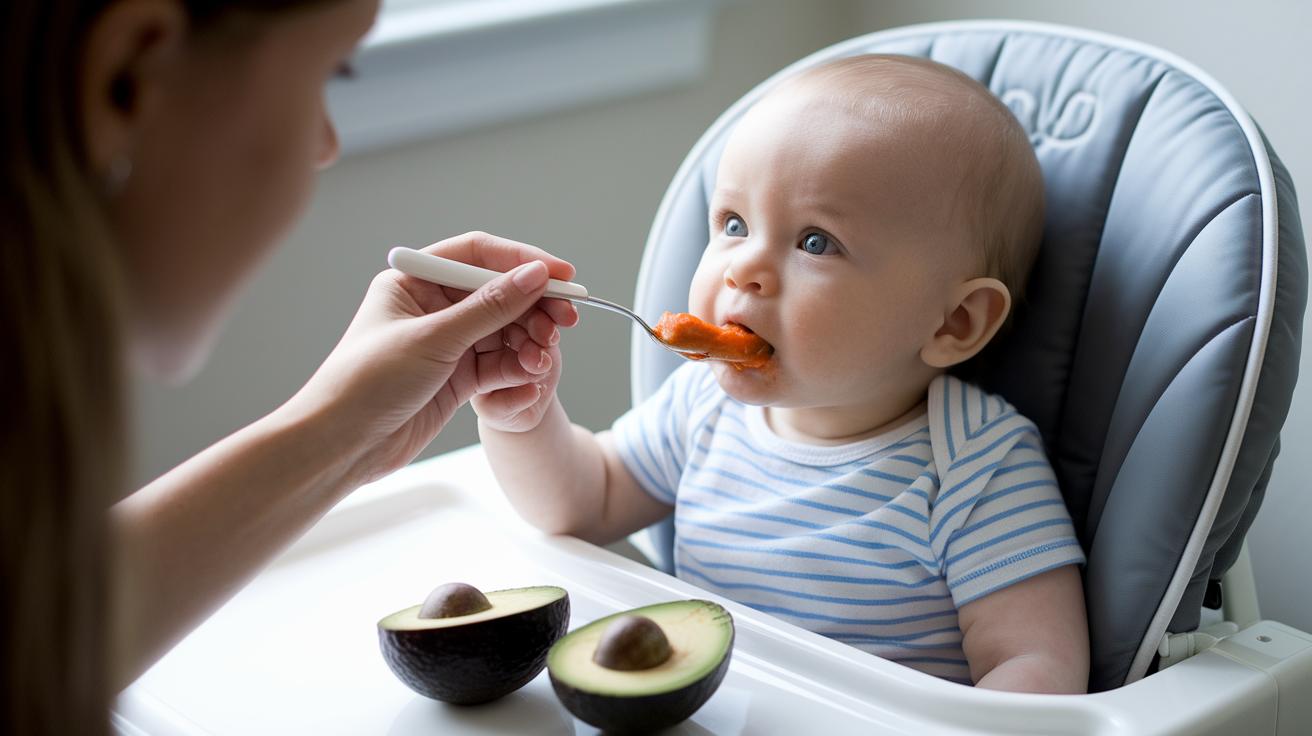
Language development disorders, often called DLD, affect roughly 1 in 14 people in the U.S. That's a lot more common than hearing loss or autism. It means having a hard time putting thoughts into words and understanding what others say. Imagine a little one trying to share a favorite story but getting tangled in words, or an adult missing a key detail at work. DLD usually starts in early childhood and sticks with you for life, with no clear reason like an injury or hearing problem, so it can be tricky to spot.

Everyday life can feel challenging with these communication struggles. Kids might find it tough to join in classroom discussions, and adults could have a hard time speaking up in meetings or connecting with friends. Even basic tasks, like following directions or expressing feelings, can become hurdles. These difficulties not only affect school or work but also a person's self-confidence and relationships. Paying attention early on can make a big difference, giving families the chance to try out supportive ways that help everyone communicate more clearly.

Recognizing Symptoms of Language Development Disorders: Expressive and Receptive Challenges

img-2.jpg

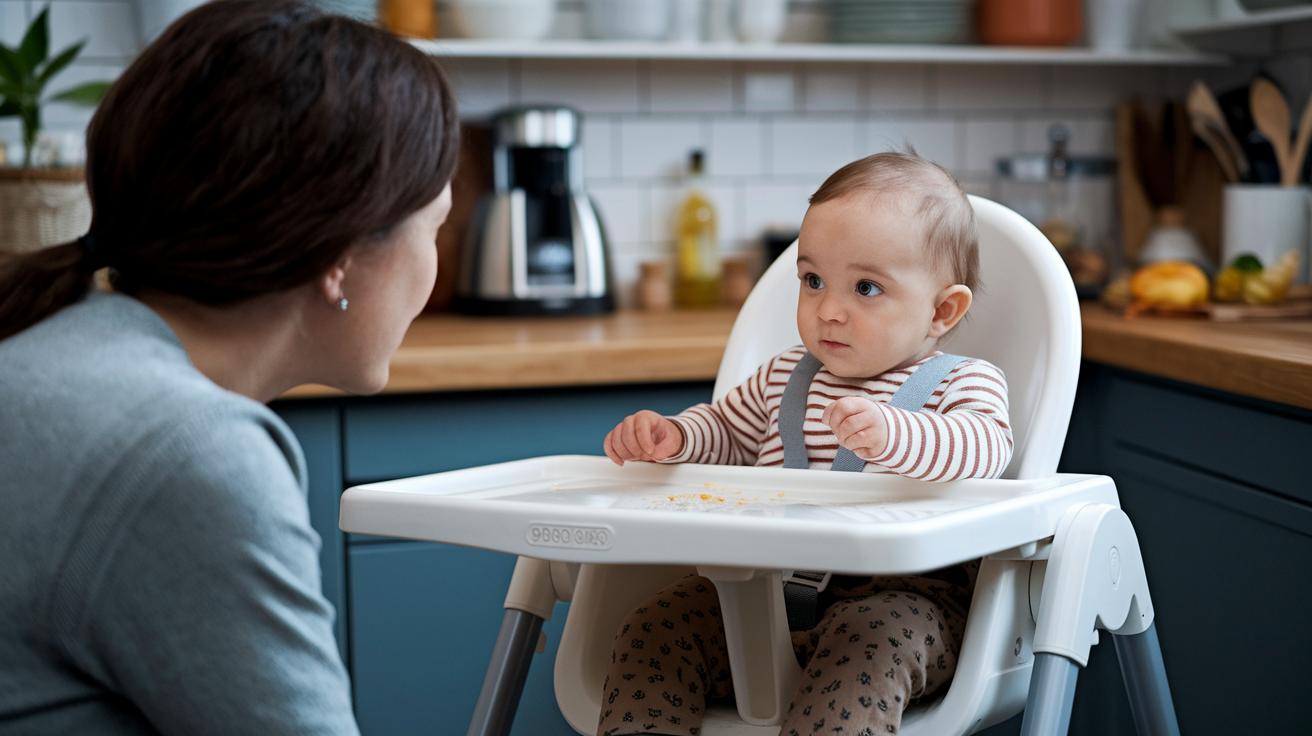
Catching language delays early on can really make a difference. When you notice these signs, it gives families and teachers a chance to work together and find simple, helpful ways to improve everyday communication at home, school, or work. It also helps plan support before things get too challenging.

  • Has trouble putting words together into complete sentences
  • Finds it hard to follow instructions that are a bit more complex
  • Uses fewer words compared to friends or classmates
  • Mixes up word order or sentences in a way that sounds jumbled
  • Repeats words or phrases more often than usual
  • Struggles with understanding directions that come in several steps
  • Has difficulty answering questions clearly
  • Shows language milestones later than expected (like when a baby first understands simple words)
  • Finds it tricky to express feelings or share thoughts
  • Seems to develop language skills more slowly over time

If these challenges stick around, it might be a good idea to see a professional. When a child or adult often has trouble expressing their thoughts or understanding others, a friendly speech-language pathologist can help. They’ll listen, review your experiences, and even do some tests. With regular check-ins and timely support, everyday conversations can become easier and more joyful for everyone.

Diagnostic Criteria and Assessment Procedures for Language Development Disorders

img-3.jpg

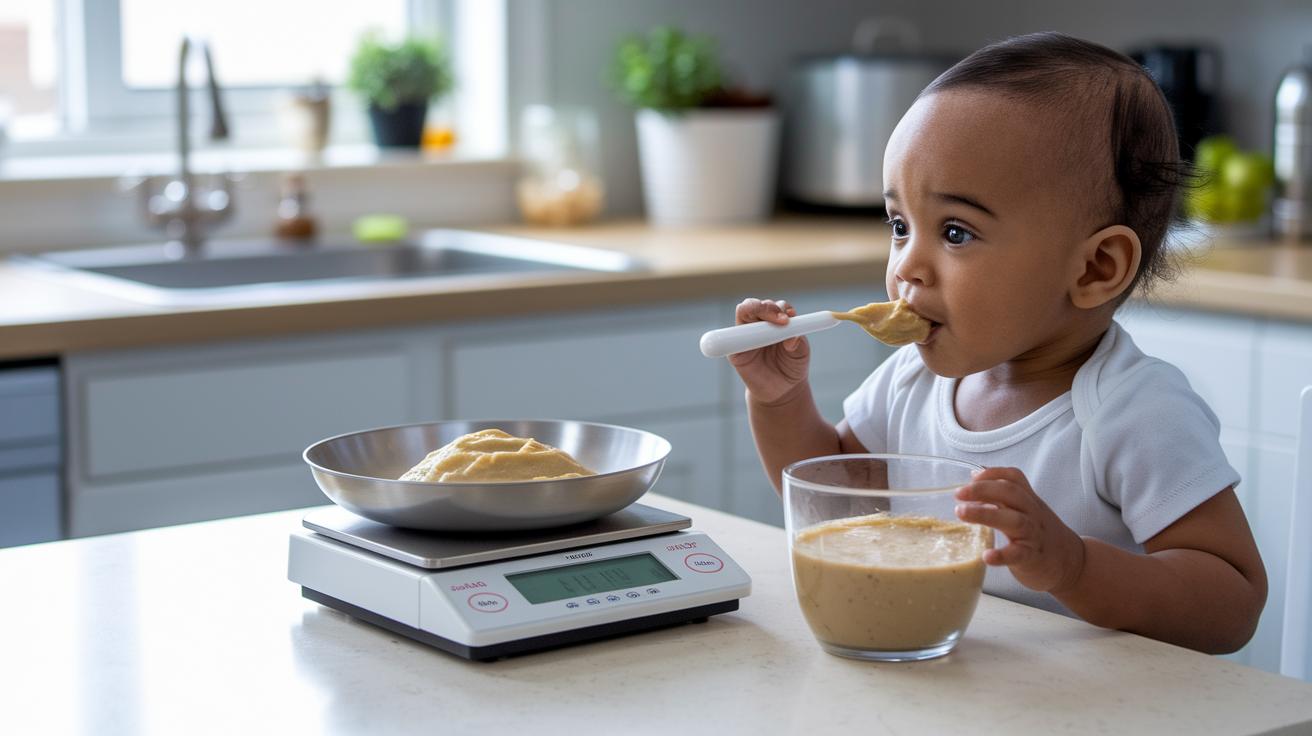
Trained speech experts work closely with families, teachers, and kids to figure out any communication issues. They start by reviewing the child's history, gathering details about milestones, language exposure, and family background. Next, they watch how the child uses language in everyday settings. They also do formal tests to see how well the child speaks and understands language. For kids under 5, experts might call it a "language delay" until they see more changes in the child's skills. In a typical grade-1 classroom of about 30 students, roughly 2 kids (7.5%) might face these challenges. Back in 2017, experts agreed to call it "DLD" instead of "SLI" in many English-speaking countries to keep things consistent.

When it comes to evaluating speech, professionals mix different methods to tell the difference between a delay and a disorder. There aren’t any blood tests or scans here; the diagnosis comes from careful observations, behavior assessments, and standardized tests. This process helps them figure out the right kind of support for each child. They don’t just rely on test scores, they also look at how the child communicates in school, with friends, and later at work. By putting all these methods together, speech experts get a clear picture of a child’s strengths and challenges, which helps them plan support strategies that work over the long term.

Assessment Method Purpose Age Group
Case History Review Gather developmental background All ages
Observational Assessment Evaluate real-world language use All ages
Standardized Tests Measure expressive & receptive skills 5+ years
Interim Labels Identify at-risk under age 5 <5 years

Getting a diagnosis early and right is really important to ease communication struggles over time. When you know exactly what your child needs, families and experts can set clear goals and create helpful plans, making everyday communication smoother and more enjoyable.

language development disorders: Empower Clear Communication

img-4.jpg

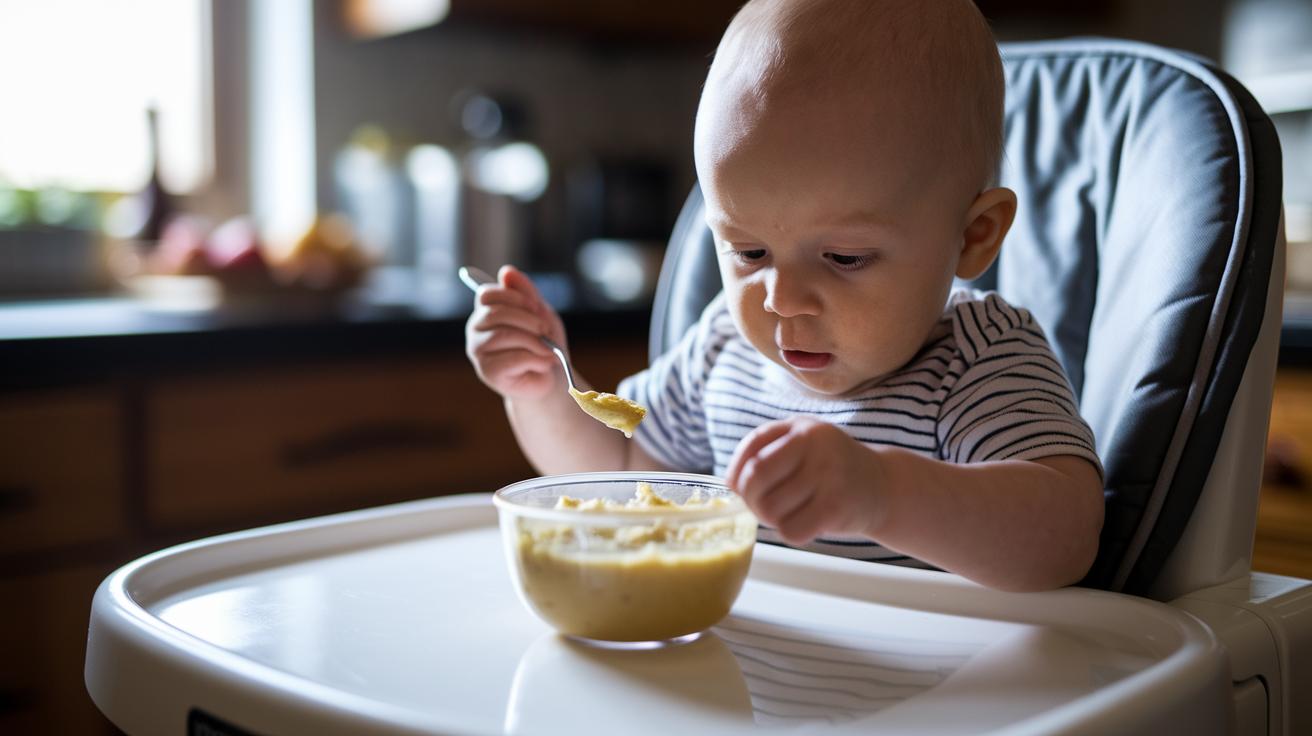
Language development disorders often begin with small differences in how a child's brain develops. There isn’t always a clear reason like an injury or infection. Studies tell us that genetics can sometimes make it harder for kids to communicate well, both when they speak and when they listen. You might notice that some children struggle to put their thoughts into sentences or follow several steps in a task. It’s really about those underlying brain factors that shape how they communicate.

The environment we grow up in also plays a role in building language skills, even though it isn’t the main cause of these disorders. Research shows that kids in homes or classrooms where there’s less talking or fewer stories to share might face delays, even if they have the same genetic challenges as others. A warm, language-rich setting can help a lot when a child has these brain differences. New studies keep showing us how nature and everyday experiences work together to shape a child’s language journey.

Intervention and Treatment Strategies for Language Development Disorders

img-5.jpg

Speech pathologists team up with families to craft therapy plans that truly help day-to-day communication. They use proven methods to set clear, easy-to-follow goals that lift everyday life and boost long-term progress. Imagine a fun session where a child practices putting words together or following a simple set of steps. The professional guidance mixes with home activities, giving kids plenty of chances to grow their confidence both in therapy and at home.

Schools also play an important role by adding special classroom strategies. Teachers work closely with speech experts to weave extra support into everyday lessons. Think of it like having extra time to answer questions, using colorful visual aids, or enjoying small group chats that make language practice feel natural. This kind of environment lets children build their talking skills while making friends and having fun.

Therapy isn’t just for little ones either. Older children and adults can also get the benefits of speech therapy. Many communities offer programs that focus on practical routines to help with speech in daily activities, whether at work or in social situations. By joining professional advice with easy exercises and at-home drills, these programs help bridge the gap, making communication smoother at school, work, and home.

Support Networks and Resources for Families and Professionals

img-6.jpg

Families and professionals can find a lot of supportive networks to help with communication challenges. There are many groups led by parents and advocacy organizations that gently raise awareness and share practical tips for dealing with language development issues. These groups connect parents and caregivers who understand each other's struggles and provide helpful, real-life support and mentoring.

National and international organizations also host friendly events like conferences, seminars, and webinars. At these gatherings, experts, parents, and educators come together to share the best ideas and fresh strategies. Some even offer regular workshops where families can learn simple ways to boost communication at home, almost like setting up a little family team.

Professional help is important too. Therapists and educators can join special training programs that give them hands-on tools for speech intervention. Schools and community centers often organize sessions to share the latest research and trusted techniques for language support. And it’s wonderful when parents join these sessions along with professionals; it builds a strong and caring team to meet communication needs. For a handy guide on spotting early signs of communication delays, check out the resource called "what to do if infant milestones are missed" on the next-step guide page.

Case Studies and Research Insights on Language Development Disorders

img-7.jpg

Grant’s story shows just how everyday life can be affected by language struggles. He had a hard time joining in classroom discussions and group activities. With focused speech therapy, his speaking and listening started to improve. It’s amazing how getting the right help at the right time can make everyday talk so much easier.

Paula, a caring parent, noticed her child facing language challenges that didn’t have a clear cause. When her child began a special, tailored speech program, the improvement was visible. Paula recalled, “It felt like watching my child rediscover his voice,” showing how steady support can bring about real change.

Long-term studies have followed kids with language issues and found that experiences vary in school, emotions, and social life. Researchers now use the term Developmental Language Disorder (DLD) to better explain these challenges. The latest data show that early, regular speech therapy boosts not only academic skills but also helps build stronger friendships and self-esteem. This really reminds us how important ongoing care and support are for those facing language development disorders.

Final Words

In the action, our discussion shed light on the intricate details of language development disorders. We explored what these challenges mean for both expressive and receptive skills, looked at how experts assess and identify symptoms, and shared practical intervention ideas.

We also highlighted support networks that empower families and professionals alike. Every step of our exploration adds to the shared wisdom in nurturing healthy development, helping parents move forward with hope and confidence.

FAQ

Q: What are the types of language disorders?

A: The types of language disorders include expressive, receptive, and mixed varieties. They cover difficulties in speaking, understanding, and processing language in daily settings.

Q: What are examples and common symptoms of developmental language disorders?

A: Developmental language disorders show symptoms like trouble forming sentences, following instructions, and understanding words. These signs help caregivers spot when expert evaluation is needed.

Q: What is expressive language disorder?

A: Expressive language disorder affects a person’s ability to speak clearly and form words, even when comprehension is relatively stronger. This can impact school performance and social interactions.

Q: How is developmental language disorder defined according to DSM-5 and ASHA?

A: DSM-5 and ASHA define the disorder as challenges with using and understanding language without a clear cause, emphasizing the need for expert speech assessments in young children.

Q: What treatment options exist for developmental language disorders?

A: Treatment options include personalized speech therapy, effective school-based support, and home practice strategies to build communication skills and improve everyday functioning.

Q: What characterizes a language processing disorder?

A: A language processing disorder affects how the brain interprets spoken or written words, leading to difficulties in processing language quickly and accurately during conversations or learning.

Q: Which language disorder is most common?

A: Developmental language disorder is the most common, impacting both expressive and receptive skills and occurring more frequently than other conditions like hearing impairments or autism.

Language Development Disorders: Empower Clear Communication

0

Have you ever felt like your words just vanish when you need them the most? It can be really tough trying to share your thoughts if the right words are missing. Sometimes, language challenges make it hard to connect with others. Imagine trying to explain a simple idea only to feel stuck, as if your story got lost along the way.

About one in 14 people face these challenges every day, and it can affect everything, school, work, and even home life. In this post, we’ll chat about ways to help your words flow more clearly and boost your confidence. We’ve gathered down-to-earth tips for families, teachers, and friends alike.

Let’s take the first step together toward brighter, easier conversations.

Overview of Language Development Disorders: Definitions, Prevalence, and Impact

img-1.jpg

Language development disorders, often called DLD, affect roughly 1 in 14 people in the U.S. That's a lot more common than hearing loss or autism. It means having a hard time putting thoughts into words and understanding what others say. Imagine a little one trying to share a favorite story but getting tangled in words, or an adult missing a key detail at work. DLD usually starts in early childhood and sticks with you for life, with no clear reason like an injury or hearing problem, so it can be tricky to spot.

Everyday life can feel challenging with these communication struggles. Kids might find it tough to join in classroom discussions, and adults could have a hard time speaking up in meetings or connecting with friends. Even basic tasks, like following directions or expressing feelings, can become hurdles. These difficulties not only affect school or work but also a person's self-confidence and relationships. Paying attention early on can make a big difference, giving families the chance to try out supportive ways that help everyone communicate more clearly.

Recognizing Symptoms of Language Development Disorders: Expressive and Receptive Challenges

img-2.jpg

Catching language delays early on can really make a difference. When you notice these signs, it gives families and teachers a chance to work together and find simple, helpful ways to improve everyday communication at home, school, or work. It also helps plan support before things get too challenging.

  • Has trouble putting words together into complete sentences
  • Finds it hard to follow instructions that are a bit more complex
  • Uses fewer words compared to friends or classmates
  • Mixes up word order or sentences in a way that sounds jumbled
  • Repeats words or phrases more often than usual
  • Struggles with understanding directions that come in several steps
  • Has difficulty answering questions clearly
  • Shows language milestones later than expected (like when a baby first understands simple words)
  • Finds it tricky to express feelings or share thoughts
  • Seems to develop language skills more slowly over time

If these challenges stick around, it might be a good idea to see a professional. When a child or adult often has trouble expressing their thoughts or understanding others, a friendly speech-language pathologist can help. They’ll listen, review your experiences, and even do some tests. With regular check-ins and timely support, everyday conversations can become easier and more joyful for everyone.

Diagnostic Criteria and Assessment Procedures for Language Development Disorders

img-3.jpg

Trained speech experts work closely with families, teachers, and kids to figure out any communication issues. They start by reviewing the child's history, gathering details about milestones, language exposure, and family background. Next, they watch how the child uses language in everyday settings. They also do formal tests to see how well the child speaks and understands language. For kids under 5, experts might call it a "language delay" until they see more changes in the child's skills. In a typical grade-1 classroom of about 30 students, roughly 2 kids (7.5%) might face these challenges. Back in 2017, experts agreed to call it "DLD" instead of "SLI" in many English-speaking countries to keep things consistent.

When it comes to evaluating speech, professionals mix different methods to tell the difference between a delay and a disorder. There aren’t any blood tests or scans here; the diagnosis comes from careful observations, behavior assessments, and standardized tests. This process helps them figure out the right kind of support for each child. They don’t just rely on test scores, they also look at how the child communicates in school, with friends, and later at work. By putting all these methods together, speech experts get a clear picture of a child’s strengths and challenges, which helps them plan support strategies that work over the long term.

Assessment Method Purpose Age Group
Case History Review Gather developmental background All ages
Observational Assessment Evaluate real-world language use All ages
Standardized Tests Measure expressive & receptive skills 5+ years
Interim Labels Identify at-risk under age 5 <5 years

Getting a diagnosis early and right is really important to ease communication struggles over time. When you know exactly what your child needs, families and experts can set clear goals and create helpful plans, making everyday communication smoother and more enjoyable.

language development disorders: Empower Clear Communication

img-4.jpg

Language development disorders often begin with small differences in how a child's brain develops. There isn’t always a clear reason like an injury or infection. Studies tell us that genetics can sometimes make it harder for kids to communicate well, both when they speak and when they listen. You might notice that some children struggle to put their thoughts into sentences or follow several steps in a task. It’s really about those underlying brain factors that shape how they communicate.

The environment we grow up in also plays a role in building language skills, even though it isn’t the main cause of these disorders. Research shows that kids in homes or classrooms where there’s less talking or fewer stories to share might face delays, even if they have the same genetic challenges as others. A warm, language-rich setting can help a lot when a child has these brain differences. New studies keep showing us how nature and everyday experiences work together to shape a child’s language journey.

Intervention and Treatment Strategies for Language Development Disorders

img-5.jpg

Speech pathologists team up with families to craft therapy plans that truly help day-to-day communication. They use proven methods to set clear, easy-to-follow goals that lift everyday life and boost long-term progress. Imagine a fun session where a child practices putting words together or following a simple set of steps. The professional guidance mixes with home activities, giving kids plenty of chances to grow their confidence both in therapy and at home.

Schools also play an important role by adding special classroom strategies. Teachers work closely with speech experts to weave extra support into everyday lessons. Think of it like having extra time to answer questions, using colorful visual aids, or enjoying small group chats that make language practice feel natural. This kind of environment lets children build their talking skills while making friends and having fun.

Therapy isn’t just for little ones either. Older children and adults can also get the benefits of speech therapy. Many communities offer programs that focus on practical routines to help with speech in daily activities, whether at work or in social situations. By joining professional advice with easy exercises and at-home drills, these programs help bridge the gap, making communication smoother at school, work, and home.

Support Networks and Resources for Families and Professionals

img-6.jpg

Families and professionals can find a lot of supportive networks to help with communication challenges. There are many groups led by parents and advocacy organizations that gently raise awareness and share practical tips for dealing with language development issues. These groups connect parents and caregivers who understand each other's struggles and provide helpful, real-life support and mentoring.

National and international organizations also host friendly events like conferences, seminars, and webinars. At these gatherings, experts, parents, and educators come together to share the best ideas and fresh strategies. Some even offer regular workshops where families can learn simple ways to boost communication at home, almost like setting up a little family team.

Professional help is important too. Therapists and educators can join special training programs that give them hands-on tools for speech intervention. Schools and community centers often organize sessions to share the latest research and trusted techniques for language support. And it’s wonderful when parents join these sessions along with professionals; it builds a strong and caring team to meet communication needs. For a handy guide on spotting early signs of communication delays, check out the resource called "what to do if infant milestones are missed" on the next-step guide page.

Case Studies and Research Insights on Language Development Disorders

img-7.jpg

Grant’s story shows just how everyday life can be affected by language struggles. He had a hard time joining in classroom discussions and group activities. With focused speech therapy, his speaking and listening started to improve. It’s amazing how getting the right help at the right time can make everyday talk so much easier.

Paula, a caring parent, noticed her child facing language challenges that didn’t have a clear cause. When her child began a special, tailored speech program, the improvement was visible. Paula recalled, “It felt like watching my child rediscover his voice,” showing how steady support can bring about real change.

Long-term studies have followed kids with language issues and found that experiences vary in school, emotions, and social life. Researchers now use the term Developmental Language Disorder (DLD) to better explain these challenges. The latest data show that early, regular speech therapy boosts not only academic skills but also helps build stronger friendships and self-esteem. This really reminds us how important ongoing care and support are for those facing language development disorders.

Final Words

In the action, our discussion shed light on the intricate details of language development disorders. We explored what these challenges mean for both expressive and receptive skills, looked at how experts assess and identify symptoms, and shared practical intervention ideas.

We also highlighted support networks that empower families and professionals alike. Every step of our exploration adds to the shared wisdom in nurturing healthy development, helping parents move forward with hope and confidence.

FAQ

Q: What are the types of language disorders?

A: The types of language disorders include expressive, receptive, and mixed varieties. They cover difficulties in speaking, understanding, and processing language in daily settings.

Q: What are examples and common symptoms of developmental language disorders?

A: Developmental language disorders show symptoms like trouble forming sentences, following instructions, and understanding words. These signs help caregivers spot when expert evaluation is needed.

Q: What is expressive language disorder?

A: Expressive language disorder affects a person’s ability to speak clearly and form words, even when comprehension is relatively stronger. This can impact school performance and social interactions.

Q: How is developmental language disorder defined according to DSM-5 and ASHA?

A: DSM-5 and ASHA define the disorder as challenges with using and understanding language without a clear cause, emphasizing the need for expert speech assessments in young children.

Q: What treatment options exist for developmental language disorders?

A: Treatment options include personalized speech therapy, effective school-based support, and home practice strategies to build communication skills and improve everyday functioning.

Q: What characterizes a language processing disorder?

A: A language processing disorder affects how the brain interprets spoken or written words, leading to difficulties in processing language quickly and accurately during conversations or learning.

Q: Which language disorder is most common?

A: Developmental language disorder is the most common, impacting both expressive and receptive skills and occurring more frequently than other conditions like hearing impairments or autism.

Delay In Language Development: Empower Early Steps

0

Have you noticed your child speaking quietly and wondered what it might mean? Sometimes, parents see their little ones picking up words a bit more slowly, like a small plant growing a little behind its friends.

When language or speech skills don’t seem to follow the usual steps, it’s natural to worry about school work or making new friends. It can feel like there’s a cloud of uncertainty over something so important.

In this article, we take a gentle look at what language delays are and why it matters to notice them early. By learning these signs as soon as possible, you can help guide your child to better communication and a brighter, more confident future.

Determining a Delay in Language Development: Definitions and Prevalence

When kids have a speech delay, they struggle to form sounds and words clearly. They might find it hard to say even simple words, so it’s tougher for others to understand them. In contrast, language delay means a child also has trouble understanding or sharing ideas. Think of a toddler who uses one-word answers and has a hard time following simple instructions. While speech delay mainly makes words unclear, language delay affects how kids share their thoughts and feelings.

Research shows that one out of every five children learns to speak and understand more slowly than their peers. Many families notice that their child picks up words and early talking skills at a slower pace. Although plenty of children catch up by kindergarten, a lasting delay might hint at deeper challenges. Imagine a small plant that grows a bit behind the others, it’s a gentle sign to pay a little closer attention without panicking.

If these delays aren’t looked into early, they can lead to challenges later on. In school, being able to speak clearly is important for learning and making friends. Over time, difficulties in sharing ideas can affect a child’s confidence, school performance, and social life. That’s why noticing the signs early and getting some help can set a child on the path to thriving.

Developmental Milestones and Red Flags in Early Language Acquisition

img-1.jpg

Keeping an eye on your child’s language progress can be really helpful. When babies start trying out different sounds – like babbling or turning their head when they hear their name – it's a sign they're building the skills for talking one day. We often compare these early sounds to a simple guide that shows what to expect. Every child grows at their own pace, so a little delay doesn't always mean there’s a big problem. But if you notice big gaps, like a total lack of playful sounds or the absence of even simple words, it might be time to chat with a professional.

By simply watching these little moments, you turn small differences into opportunities to help your child grow. It's all about using these early clues to understand your child's unique journey and knowing when it might be a good idea to get an expert’s advice.

Age Range Typical Milestone Warning Sign
6–9 months Babbling, turns to name No vocal play
12–15 months Single words No first words
18–24 months Two-word phrases No word combinations
24–30 months Simple questions, follows instructions Limited understanding

Common Causes of Delay in Language Development

Sometimes kids don't start talking as early as we might expect. There are many reasons why a child might have trouble forming words or sharing ideas. Research shows that a few common challenges can slow down speech and understanding. Knowing these reasons early on can really help parents and caregivers begin the right support.

  • Some children have trouble with the way their lips, tongue, and jaw work together.
  • Autism can also be a factor – nearly 50% of young children on the autism spectrum may not speak as quickly.
  • Hearing problems, including things like auditory processing disorder (which makes it hard to understand sounds), can make learning language tough.
  • An intellectual disability might slow down not just language but also learning and social skills.

Often, these issues can occur together, meaning a child might experience more than one challenge at a time. Recognizing this combination is really important because one problem can make another harder to manage. With the right evaluation and support, kids can get the help they need to build up their language skills and feel more confident every day.

Screening and Assessment Protocols for Language Development Delay

img-2.jpg

When a little one seems to be missing usual speaking or understanding milestones, it’s a gentle signal to start a closer look. If a child is not keeping up with the common age-based milestones, say, not babbling by 9 months or taking longer to form simple words by 15 months, it’s a good idea to use pediatric language screening tools. Catching these early can really help set the stage for smoother speech and language learning down the road.

Parents and caregivers have a variety of helpful tools at hand to keep an eye on their child’s progress. For example, many standard early screening methods rely on simple parent questionnaires that ask about everyday speaking and listening habits, along with checklists that track important milestones. Sometimes these checklists even ask, "Does your child form two-word phrases by 18 months?" Such clear prompts can let you know if it might be time to get a little extra support.

If the screening hints at any delays, the next step is a professional check-up. A certified speech-language pathologist will review the screening results and may carry out further tests to see how your child is communicating. They might also work with an audiologist to get a hearing test. Working together, these experts can come up with a plan that addresses any issues in sound processing or language skillfully, ensuring the right help is on the way.

Evidence-Based Intervention Strategies for Language Delays

Early, personalized therapy sets up your child for real success in communication. When you work with a certified speech-language expert like Jody Miller, MA CCC-SLP, you’re getting a plan that fits your child perfectly. It’s not a one-size-fits-all deal. Instead, therapy focuses on the specific challenges your child faces, building the skills needed to catch up with peers one small step at a time.

Clinic programs often give a structured setting with caring professionals who guide one-on-one sessions. On the other hand, school programs create friendly group settings where children learn from one another and practice talking in everyday activities. Each setting has its own benefits: clinics offer specialized attention while schools nurture social skills in a familiar environment.

Mixing professional sessions with home activities creates a strong recipe for progress. Parents can help by reading aloud together, chatting during mealtimes, or playing fun language games. This balanced approach of expert help paired with everyday practice builds confidence and steadily improves your child’s language skills.

Parental Role and Home Practices to Support Delayed Language Development

img-3.jpg

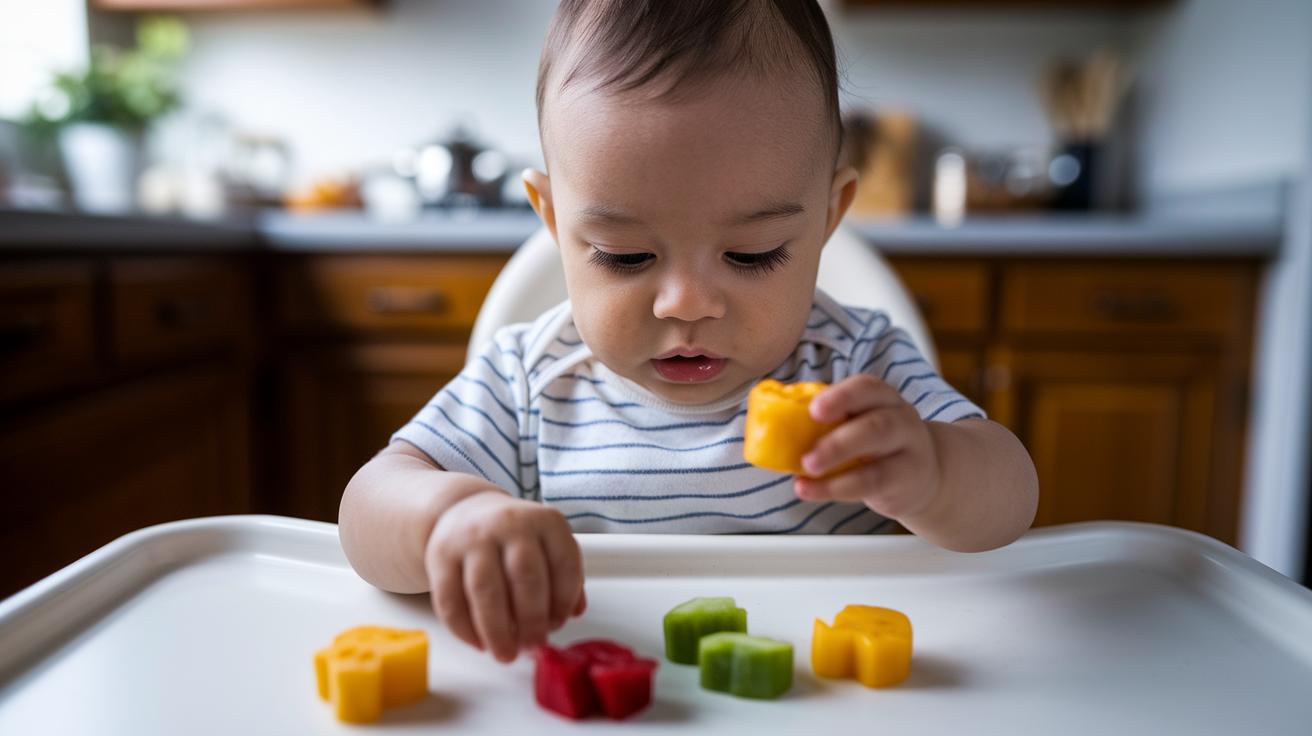
Every day at home is a chance to help your little one pick up new words. Chatting about your day, reading a favorite story, or even describing what you're doing while making a snack invites gentle learning. Imagine saying, "Look, these apple slices are red and crunchy!" It’s these little moments that build their word bank and create a warm space where they feel safe trying out new sounds.

Playtime is another fun way to boost language skills. Try simple games like naming the colors of toys, singing a catchy rhyme, or acting out a short story with stuffed animals. These playful activities let your child listen, repeat, and explore words without worry. Sometimes, a giggle during a song or a quiet moment of curiosity is all it takes to make language practice enjoyable.

If you notice things aren’t clicking as well lately, it might be time for a change. Keep an eye on what makes your child light up or seem a bit disinterested, and mix things up with different games or activities. You might even check out extra tips from resources like what to do if infant milestones are missed. Every small tweak can keep the learning process fun and full of positive energy.

Choosing Professional Help: When and Whom to Consult for Language Delay

If you notice your child having a hard time forming clear words or understanding simple instructions, it might be time to ask for a little extra help. When a child doesn’t hit those speech milestones or seems to make slower progress over a few months, it’s a gentle sign that a check-up might be in order. You might see signs like ongoing trouble with talking, repetitive babbling, or difficulty following small directions. Think of it as a friendly visit to ensure your child gets the best support to communicate with others.

It can really help when a team of caring experts comes together. A speech-language expert, an audiologist, and sometimes even a pediatric neurologist can work as a team, looking at how your child talks, listens, and learns. They give careful attention to speech clarity, hearing, and even little hints in behavior. Starting these gentle, focused programs early on can make a big difference, helping your child build a stronger path to communicate with peers at school and at home.

Final Words

In the action, the post showed how to tell apart speech delay and language delay while tracking daily milestones. It shared a key fact, that one in five children may face a delay in language development, and the potential effects if progress stalls without help.

Screening, expert advice, and everyday home practices can lead to real improvements. Remember, every step taken builds confidence and opens the door to brighter moments ahead.

FAQ

What does speech delay vs autism mean?

Speech delay vs autism means speech delay involves challenges with forming words and sounds, while autism is a broader condition marked by social and behavioral differences along with communication challenges.

How do speech delay behavior problems show up in young children aged three or four?

Speech delay behavior problems in young children often present as frustration or acting out when they struggle to communicate their needs, signifying the need for supportive language development strategies.

What are the most common causes or reasons for delayed language development?

The most common causes for delayed language development include oral-motor difficulties, hearing issues, autism, and broader developmental delays that sometimes overlap, requiring careful evaluation.

How does language delay treatment work?

Language delay treatment works by using evidence-based speech therapy, structured activities, and home practice, helping children build communication skills in a supportive environment.

What are some examples of expressive language delay?

Expressive language delay examples include using few words, difficulty forming sentences, and challenges in conveying ideas, which may be noticeable when compared to peers.

What is developmental language disorder according to ASHA?

Developmental language disorder, as defined by ASHA, is a condition where children have persistent difficulties with listening, speaking, and understanding language that are not due to other developmental issues.

How much speech delay is within a normal range?

How much speech delay is normal can vary; slight delays may be common, but persistent lag beyond age-expected milestones suggests a need for a professional evaluation.

At what age is a child considered a late talker?

A child is considered a late talker if significant word use or sentence formation is lacking by around two years old, indicating that further assessment may be helpful.

Is speech delay curable?

Speech delay is highly treatable with early, consistent intervention, and many children make substantial progress through dedicated therapy and supportive home practices.

Critical Period For Language Development Ignites Passion

0

Have you ever wondered why some kids pick up language so easily at bedtime? It all begins during a special time called the critical period (a time when little brains learn words almost effortlessly). It's a bit like a song where every note helps build a beautiful pattern. During this time, children start to enjoy talking and listening, which forms a solid base for growing communication skills. Studies show that early language exposure sparks a real love for speaking and listening, setting the stage for a lifetime of connection and growth. Let's explore how those first words and sounds create the foundation for strong bonds later on.

Defining the Critical Period in Language Development

We call it the critical period when our brains are naturally ready to pick up language. Think of it like your little one soaking in a bedtime story – the brain listens attentively and absorbs every sound and pattern almost effortlessly. This special time starts at birth and goes all the way until puberty, a time when our brain's wiring is growing super fast and ready for learning.

Research tells us that by around age 10, children might not pick up a perfect accent as easily. However, they can still learn grammar well into their teenage years, until about 18. Imagine your child humming a favorite song: while mimicking the exact sounds becomes a bit tougher after age 10, understanding sentence structure stays flexible because the brain is still learning.

This timing is key. When kids hear plenty of language during these years, their brains build a strong foundation for both speaking and understanding. It’s why teachers and therapists plan lessons and activities that match this natural window, helping every child grow their communication skills in a way that feels just right.

img-1.jpg

Early childhood is such a magical time for learning words and sounds. Kids really soak up language, almost like magic. Fun stories, cheerful songs, and playful moments help them discover talking without feeling any pressure.

Here are some simple milestones:

  • Babbling (6 to 9 months): Babies start playing with sounds, which is the first step toward talking.
  • First words (around 12 months): Little words like "mama" or "dada" begin to emerge.
  • Two-word phrases (18 to 24 months): They combine words, saying things like "more milk" to ask for what they need.
  • Simple sentences (2 to 3 years): Kids start putting words together into short sentences.
  • Gestures (2 to 3 years): They use smiles or hand signals to add meaning to what they’re saying.
  • Complex sentences (3 to 5 years): Their language grows, and they form longer, more detailed sentences.
  • Early storytelling (by 5 years): They begin sharing little stories, connecting ideas in cute, creative ways.

These stepping stones show how naturally language grows during early childhood. It’s really amazing to see how playful interactions help each child build their own way of communicating.

Neurological Foundations of the Critical Period for Speech

Our little brains are amazing at picking up language during early years. It's like we're all born with a natural gift, a time when every little sound and word counts. Genetic cues mix with everyday experiences to open a special window for learning to speak.

Role of Neural Plasticity

Kids' brains are busy making new connections every day; it almost feels magical. This speedy growth, known as synaptic plasticity, helps them learn new words and sounds quickly. As they grow, their brains gently trim away extra connections, making their pathways clearer and more efficient. It’s a process that makes learning easier over time.

Key Brain Regions

Ever wonder how we turn our thoughts into words? Broca’s area helps with that, like a thoughtful translator turning ideas into speech. Meanwhile, Wernicke’s area lets us understand the sounds we hear. In early childhood, both of these areas are incredibly flexible and active, helping kids move from simple babbling to clear speech. Together, these parts of the brain set the stage for a lifetime of communication.

In truth, the combination of brain wiring, genetic guidance, and everyday sounds creates a perfect mix for language growth during those early years.

Evidence from Research on Timing Factors in Verbal Acquisition

img-2.jpg

Studies show that children who start learning a new language before they turn 10 can pick up native-like accents. It’s like their brains are perfectly tuned, soaking up new sounds as easily as a sponge. Often, early learners find that mimicking pronunciation feels natural, almost as if they’re simply joining in on a familiar conversation.

At the same time, while picking up an accent might slow down after 10, the ability to learn and use grammar stays flexible into the teen years, sometimes until around 18. Researchers have found that early exposure helps with both smooth, everyday speaking and building a strong understanding of grammar. It’s really a reminder that those early years are a special time for developing verbal skills in a way that feels both natural and effective.

Other research shows that the idea of a strict age limit might be a bit too rigid. For instance, a study from 2001 looked at people learning Slovak and found that those who started after 16 only had small hurdles with reading and writing skills. This tells us that while younger learners might have an edge when it comes to accents, older learners can still do well with the right teaching and lots of practice. So, whether you’re a parent or an educator, it’s encouraging to know that creating fun, immersive language experiences can make a big difference, no matter when someone starts.

Implications of the Critical Period for Language Learning and Therapy

When we consider how children and adults learn language, timing really matters. For little ones, language grows best when it’s part of fun and play. Think interactive stories, upbeat songs, and everyday chats that feel like sharing secrets with a friend. These simple activities let kids learn naturally while building a solid base for clear speech.

For grown-ups, learning a new language might take a bit more time, but that doesn’t mean it isn’t possible. With good teaching, steady practice, and environments that immerse you in the language, adults can find their way to fluency, even after the prime learning years. It’s like mixing playful activities with clear, structured lessons so that every learner can move at their own pace.

In the world of speech therapy, starting early is key. Experts know that young brains are super flexible, so they use gentle, targeted activities and lots of practice to help little ones overcome speech delays. Simple tasks, careful repetition, and a lot of patience build confidence and progress. While learning may be trickier for adults, personalized sessions in friendly, engaging settings can nurture better communication skills, one step at a time.

Final Words

In the action, we explored how young children’s speech milestones and brain changes blend into a clear picture of language growth. We saw age markers that shape speech and learned how early experiences support a critical period for language development.

Every part of our discussion reminds us that early, nurturing support can make a world of difference. With a warm focus on practical, understandable insights, we end on an uplifting note, inspiring confidence in every step of language learning.

FAQ

What is the critical period in language development?

The critical period in language development is a key window during childhood when the brain is most receptive to language learning, allowing for native-like accents and grammar skills due to high neural plasticity.

How does the critical period affect second language acquisition and language development in adults?

The critical period creates a time when learning a language is easier, which explains why adults often face challenges reaching native-like fluency despite achieving strong skills with quality instruction and immersive practice.

What is an example of a critical period in development?

An example is the stage from birth to puberty, during which children quickly learn complex grammar and clear pronunciation because of the ready adaptability of brain areas like Broca’s and Wernicke’s.

Where can I find more academic research on the critical period for language development?

Academic studies and research papers in psychology journals offer detailed insights on the critical period, including its impact on developmental milestones and the underlying neural changes.

Global SOAR Market Outlook — Trends, Innovations & Forecast 2025‑2032

0

Global Security Orchestration, Automation, and Response (SOAR) market size was valued at USD 1.2 billion in 2023 and is projected to reach USD 3.5 billion by 2030, growing at a CAGR of 16.8% during the forecast period. The increasing sophistication of cyber threats and growing adoption of cloud-based security solutions are driving this rapid expansion.

SOAR platforms integrate security operations through automated workflows, threat intelligence, and case management to improve incident response efficiency. These solutions combine three core capabilities: security orchestration (connecting disparate tools), automation (streamlining repetitive tasks), and response (enabling coordinated actions). Leading vendors offer modules for threat detection, investigation, remediation, and reporting across enterprise environments.


Security Orchestration Automation and Response Market

The global Security Orchestration, Automation, and Response (SOAR) market is gaining strong momentum as organizations face increasing pressure to manage growing cybersecurity threats with greater speed and efficiency. SOAR platforms help security teams streamline workflows by integrating tools, automating repetitive tasks, and coordinating responses across various systems. This is especially critical as enterprises deal with a rising volume of alerts, limited analyst resources, and complex IT environments. The adoption of SOAR solutions is being fueled by the need for faster incident response, reduced manual intervention, and improved threat detection and resolution capabilities.


Definition

Security Orchestration, Automation, and Response (SOAR) refers to a category of cybersecurity solutions designed to enhance threat detection, automate incident response, and streamline security operations. SOAR platforms integrate various security tools and technologies—such as SIEM, firewalls, threat intelligence feeds, and ticketing systems—into a unified interface, allowing Security Operations Centers (SOCs) to automate repetitive tasks, coordinate workflows, and respond to incidents with greater speed and accuracy.


MARKET DRIVERS

Rising Cybersecurity Threats Accelerate SOAR Adoption

The global SOAR market is experiencing rapid growth driven by escalating cyber threats across industries. With organizations reporting an average of over 1,200 attempted cyberattacks per week, security teams are overwhelmed by alert fatigue. This has led to increased adoption of SOAR solutions that automate threat detection, response workflows, and security operations center (SOC) processes. The average enterprise now uses over 75 security tools, creating complex interoperability challenges that SOAR platforms effectively solve through orchestration capabilities.

In 2023, global cybercrime incidents surged, with over 343 million victims reported and a 72% spike in data breaches since 2021. Ransomware hit 59% of companies in 2024, while phishing attacks increased by an astounding 4,151% thanks to generative AI misuse. Such alarming trends are not just statistics they’re operational realities. Nearly 75% of security experts report a rise in attacks over the past year .

These escalating threats are overwhelming traditional security operations centers (SOCs), which struggle with alert fatigue and analyst shortages. SOAR platforms integrate diverse tools, automate repetitive tasks, and orchestrate response workflows reducing manual effort and accelerating threat mitigation. As attacks grow more complex and costly, with the global average cost of a data breach reaching around $4.9 million in 2024, the strategic value of SOAR becomes undeniable. With automation and orchestration now essential to cybersecurity resilience, SOAR adoption is scaling rapidly across sectors and regions.


AI-Powered Automation Creates New Value Propositions

Advancements in artificial intelligence are transforming SOAR capabilities beyond rule-based automation. Machine learning algorithms now enable predictive threat detection and adaptive response workflows that improve over time. The integration of natural language processing allows SOAR platforms to interpret unstructured security data from emails, chats, and documentation – expanding automation to previously manual processes. These innovations open new use cases beyond traditional SOC operations.


SMB Market Presents Untapped Potential

Small and medium-sized businesses (SMBs) represent a largely underpenetrated segment in the global SOAR market, offering significant growth opportunities. While traditionally, SOAR solutions have been adopted by large enterprises with extensive security operations centers, the growing cyber threat landscape is now pushing SMBs to rethink their approach to cybersecurity. These businesses face similar risks ransomware, phishing, insider threats but often lack the resources or in-house expertise to manage complex security tools. This gap creates a strong case for lightweight, cost-effective SOAR platforms that offer pre-configured workflows, easy integration, and cloud-based deployment.


List of Key SOAR Market Players Profiled

  • Palo Alto Networks, Inc. (U.S.)
  • IBM Corporation (U.S.)
  • Splunk Inc. (U.S.)
  • Fortinet, Inc. (U.S.)
  • Trend Micro Incorporated (Japan)
  • Swimlane LLC (U.S.)
  • D3 Security (Canada)
  • Microsoft Corporation (U.S.)
  • Rapid7 (U.S.)
  • OpsGenie (U.S.)

Segment Analysis:

By Application

Threat Intelligence Management Leads Due to Rising Cyber Threats Across Industries

The market is segmented based on application into:

  • Solutions
    • Threat Intelligence & Incident Management
    • Case & Workflow Management
  • Services
    • Professional Services (Consulting, integration, training)
    • Managed Services  
    • Reporting & Analytics
    • Automated Remediation Tools

By Deployment Mode

Cloud-Based Solutions Dominate Due to Scalability and Reduced Infrastructure Costs

The market is segmented based on Deployment Mode into:

  • Cloud-based SOAR
  • On-premises SOAR
  • Hybrid SOAR

By Organization Size 

Large Enterprises Dominate Due to Higher Cybersecurity Budgets

The market is segmented based on Organization Size  into:

  • Large enterprises
  • Small and Medium Enterprises (SMEs)

By Application

Threat Intelligence Management Leads Due to Rising Cyber Threats Across Industries

The market is segmented based on application into:

  • Threat intelligence management
  • Incident management
  • Compliance management
  • Security operations automation
  • Others

By End User

BFSI Sector Leads Adoption Due to High Regulatory Compliance Requirements

The market is segmented based on end user into:

  • Banking, Financial Services, and Insurance (BFSI)
  • Healthcare
  • IT and Telecom
  • Retail
  • Government
  • Others

Recent Developments

The SOAR market is expanding rapidly amid the growing complexity of cyber threats and the shortage of skilled cybersecurity professionals. Recent developments include the integration of AI-powered analytics, natural language processing (NLP), and machine learning algorithms to enable intelligent incident prioritization and automated decision-making. Key players are also launching cloud-native SOAR solutions to meet the needs of hybrid and multi-cloud environments. Additionally, low-code and no-code orchestration features are making SOAR platforms more accessible to mid-sized organizations. Partnerships between SOAR vendors and threat intelligence providers are enhancing real-time response capabilities, while the rising adoption of XDR (Extended Detection and Response) platforms is pushing for tighter SOAR integrations.


Report Scope
This market research report offers a holistic overview of global and regional markets for the forecast period 2025–2032. It presents accurate and actionable insights based on a blend of primary and secondary research.

Key Coverage Areas:

    • ✅ Market Overview
      • Global and regional market size (historical & forecast)
      • Growth trends and value/volume projections
    • ✅ Segmentation Analysis
      • By product type or category
      • By application or usage area
      • By end-user industry
      • By distribution channel (if applicable)
    • ✅ Regional Insights
      • North America, Europe, Asia-Pacific, Latin America, Middle East & Africa
      • Country-level data for key markets

Security Orchestration Automation and Response Market

Explore Assisted Reproductive Technology Market 

About Intel Market Research

Intel Market Research is a leading provider of strategic intelligence, offering actionable insights in biotechnology, pharmaceuticals, and healthcare infrastructure. Our research capabilities include:

  • Real-time competitive benchmarking
  • Global clinical trial pipeline monitoring
  • Country-specific regulatory and pricing analysis
  • Over 500+ healthcare reports annually


Trusted by Fortune 500 companies, our insights empower decision-makers to drive innovation with confidence.


🌐 Website: https://www.intelmarketresearch.com
📞 International: +1 (332) 2424 294
📞 Asia-Pacific: +91 9169164321
🔗 LinkedIn: Follow Us

Language Development In Early Childhood Inspires Growth

0

Have you ever noticed how little ones start picking up sounds even before they're born? They listen to the soft, warm tone of their mom's voice and begin to absorb gentle noises that create a bond, setting the stage for a lifetime of connection.

In those early moments, every little sound matters. Simple noises turn into baby babbles, then into words, and eventually help form little sentences. Through these small steps, our children begin learning, making friends, and sharing feelings.

It may seem like a tiny start, but this early growth carries a big impact throughout life.

Key Insights into Early Childhood Language Development

img-1.jpg

From the very start, even before birth, babies begin to absorb the soft sounds of their mom's voice. While nestled in the womb, they are already tuning in to the gentle pitch and rhythm that brings comfort. Once they're born, that ear for sound blossoms into sweet babbling, then a few cherished words by about 12 to 18 months, and soon little sentences by 2 to 3 years. It's truly amazing how a baby can be so captivated by a parent's laughter even before clear words appear.

Language grows in two important ways. First, there's receptive language, which means understanding words and simple commands. And then there's expressive language, where they start sharing their own thoughts with sounds, words, and eventually full sentences. For example, a toddler might know what “come here” means even if they haven't quite mastered saying it themselves. These intertwined skills lay the groundwork for smooth communication, whether chatting around the house or later in the classroom.

Celebrating these early milestones is so heartwarming. Each babble and first word reassures us that little ones are steadily building the tools they need for learning, making friends, and sharing their feelings. These early language steps set the stage for a bright future filled with learning and connection.

Age-Based Milestones of Language Acquisition in Toddlers and Preschoolers

img-2.jpg

In the pre-linguistic stage, babies start noticing voices and sounds. They often calm down or become more alert when they hear a familiar voice. Their early days are filled with gentle coos and soft smiles that hint at the beginnings of communication. For example, a baby might turn toward a parent's voice, showing early steps in understanding language.

Between 6 and 12 months, babies begin to play with sounds. They start recognizing their name and simple instructions, which is pretty amazing. At the same time, little babbles emerge as the first sign of spoken words. It’s like they’re testing out sounds that will eventually become their very first words.

From 12 to 24 months, toddlers start putting words together into simple phrases. As they listen more, they point to objects when named, showing they really understand what’s being said. They also begin to use one or two words in combination, laying a solid foundation for more detailed conversations later on.

Between 2 and 5 years old, kids make great progress as they move from one-word messages to complete sentences. They are better at following directions that include more than one step and enjoy expressing their thoughts clearly with full sentences. Their language skills grow to keep pace with their big ideas and feelings.

Age Range Receptive Skills Expressive Skills
0–6 mo Notices voices and coos Vocalizes and smiles
6–12 mo Recognizes name and simple commands Begins babbling
12–24 mo Points to objects when named Uses first words and simple phrases
2–5 yr Follows multi-step directions Speaks in complete sentences

Biological, Social, and Environmental Influences on Language Growth

img-3.jpg

Research tells us that kids are naturally ready to start learning language. Their genes and brain setup help nurture this ability right from the beginning. From day one, a baby’s brain listens closely for familiar sounds, laying the groundwork for talking later on. Even before clear words come out, little ones pick up on rhythms and tone changes, catching the early hints of language.

Equally important are the caring chats with family and a lively environment. Warm conversations, shared stories, and playful exchanges give children a chance to try out different sounds and words. When moms, dads, and teachers use a rich variety of words every day, kids begin to notice how words sound and what they mean. This gentle approach helps them build a strong vocabulary and learn to form sentences, setting them up for confident communication throughout life.

Effective Strategies to Promote Verbal Communication Growth

img-4.jpg

Parents and teachers can use simple everyday actions to help little ones grow their language skills. Picture yourself enjoying a favorite picture book together, pausing to ask questions that spark a child’s imagination. This kind of interactive storytelling sets a cozy space where ideas flow and words come to life.

Here are six friendly ways to weave magic into your daily moments:

  • Have a reading session where you ask open questions. For example, if you spot a bird in the garden, ask, "What do you think the bird is doing?"
  • Try a bit of role-play or use puppets so your child can express themselves. Imagine setting up a small puppet show where they can take on a fun character.
  • Use bright, rich words while doing everyday tasks. When making lunch, you might say, "This crunchy apple is as bright as sunshine."
  • Invite your child to share what they see or feel during a park walk. Let them lead a little Q&A session of their own.
  • Talk through your daily routines with lots of detail. For example, describe each step of getting ready for bed with a gentle, clear voice.
  • Gently expand on your child’s phrases to help them learn proper grammar. If they say, "More juice," you could add, "I’d like a little more juice, please."

Mixing these steps into everyday life turns ordinary moments into valuable learning chances. By chatting, pretending, and describing your day with care, you help your child feel confident and clear in sharing their thoughts.

Recognizing Delays and Early Intervention Pathways

img-5.jpg

When your little one seems to miss early language steps, like not babbling by 12 months or not turning when called, it’s a gentle nudge to keep a closer eye. You might notice your baby not cooing or not reacting as usual to your voice; these moments can be hints that something might be off with how they hear or use language.

At this point, getting an early look can really help. A caring audiologist or speech-language expert can do some simple tests to figure out what might be happening. For instance, if your child seems less interested in sounds or struggles to follow simple directions, a closer evaluation may reveal if there’s a hearing issue or a small delay in language skills. This kind of thoughtful check helps you know what steps to take next for the best care.

The next step is gentle, hands-on help. Experts usually suggest fun, play-based activities that make practicing new sounds feel like a game, along with simple tips for parents to boost conversations at home. Sometimes, small communication aids may be recommended, all aimed at making talking easier. These steps not only help your child speak more clearly but also build up their confidence in sharing their thoughts and feelings.

Individual and Cultural Variability in Language Development

img-6.jpg

Kids growing up hearing two languages might start off with a smaller word bank in each language. But as they get older, their total vocabulary usually catches up with kids who speak only one language. Imagine a little one who listens to both Spanish and English at home. They might use fewer words in each language at first, but soon they build a rich mix of words that help them communicate clearly.

Culture also plays a big role in how kids learn to talk. Every family or community has its own way of chatting, whether it's how they take turns in conversation, share stories, or even the way their words sound. Knowing these differences helps us see each child's progress in language. When you support a child by embracing their cultural background, it helps everyone appreciate the natural variety in how kids express themselves.

Linking Early Talk to Later Literacy and Academic Success

img-7.jpg

When kids start chatting from an early age, it really lays the foundation for a bright academic future. Research shows that little ones who engage in meaningful conversations tend to be better at understanding what they read, crafting their own stories, and staying interested in class. Imagine a child who loves to talk about their day, it sets them up to catch the details in a story and tackle open-ended questions with ease.

In classrooms where teachers encourage group discussions, storytelling, and lots of interactive questions, students naturally start forming clearer sentences and telling coherent stories. These activities help boost their speaking skills and build a bridge from the words they hear to the words they later write.

At home, everyday chats matter a whole lot too. Whether you’re cooking together, driving, or simply enjoying a quiet moment, describing what you see or feel creates a warm connection between talking and reading. Every conversation you share helps pave the way for your child’s future literacy skills.

Tools, Frameworks, and Resources for Supporting Early Language Skills

img-8.jpg

Free toolkits are available to help set the stage for early talking. They offer fun activities like shared story time, sound games, and playful lessons to boost language skills. These downloadable guides are designed for caring parents and thoughtful teachers who want to create warm, language-rich spaces at home and in the classroom. For example, one toolkit might suggest asking, "What do you think happens next?" to encourage children to tell their own tale. It’s all about sparking meaningful chats and helping little ones build new words during everyday moments.

There are also structured support strategies that work well in different settings, from home to classroom. Early reading programs might include group chants, call-and-response, and interactive storytelling that lights up a child’s senses. Picture a cozy story circle where every child joins in with simple phrases, boosting their budding language skills. These strategies make it easier for parents and educators to include proven, evidence-based language activities in daily routines, creating reliable ways to support language growth for every child.

Final Words

In the action, this post broke down key early milestones from babbling to full sentences and showed how responsive care influences language development in early childhood. We explored simple, practical techniques for fostering these skills, whether through playful interactions, daily storytelling, or effective guidance when red flags appear. Each tip is a small boost toward building strong communication and later academic success. Every gentle, supportive step matters in nurturing a lifetime of confidence and connection.

FAQ

Q: What are some examples of early childhood language development?

A: Early language development includes babbling, first words, and simple sentences as children learn to understand and share ideas.

Q: Where can I find resources like PDFs or PPTs on early childhood language development?

A: PDFs and PowerPoint presentations often explain key milestones, compare understanding to speaking skills, and offer practical ideas to improve early language growth.

Q: What stages characterize language development in early childhood?

A: Language development stages span from making sounds before speech to babbling, first words, early sentence formation, and eventually full sentences. Different frameworks may describe four, five, or even seven stages.

Q: What are the main components of language development?

A: Language development involves how children understand words, express thoughts, build vocabulary, and shape sentences with proper grammar.

Q: Why is early language development so important?

A: Early language skills lay the groundwork for later academic success and social interactions by helping children better express needs, build relationships, and learn effectively.

Q: What strategies support language development in early childhood?

A: Strategies such as dialogic reading, role-play, using rich vocabulary, and having regular conversations help children expand their word use and improve both understanding and speaking skills.

Q: What are the milestones for language development from 0–3 years versus 3–5 years?

A: From 0–3 years, children progress from babbling and first words to simple word combinations, while from 3–5 years they develop full sentences, follow multi-step instructions, and grow a wider vocabulary.

Language Acquisition Sparks Joyful Mind Growth

0

Have you ever noticed how a child's very first word can brighten up a whole room? When little ones start talking, it’s not just about chatting, it brings joy and helps their minds grow. Imagine a baby listening closely to a loved one’s voice, every sound filled with gentle care that sparks curiosity and shapes their thinking.

Experts say that learning words is like taking tiny steps toward discovering a bigger world. Each new word is a small building block that leads to a richer way of understanding life. And isn’t it wonderful to think that those early sounds are the start of a lifelong conversation?

Defining Language Acquisition: Key Concepts and Theories

img-1.jpg

Language learning sparks exciting growth and shows how our early experiences shape the way we speak and understand words. Research tells us that learning a language comes partly from our natural gifts and partly from what we experience around us. Imagine a baby listening to a gentle lullaby; even before they say their first word, that sweet sound sparks endless curiosity about the world of speech.

One idea is that our brain is born ready to learn language. This view, sometimes called the nativist approach, suggests that babies come with a built-in framework for language. Think about a child piecing together sentences without much effort, it’s like nature giving them a head start in figuring out how words fit together.

On the other hand, the behaviorist view sees language learning as a matter of cause and effect. In this view, repeating words and getting little rewards shape how we speak, much like how a pet learns tricks through friendly rewards.
Then there’s the interactionist model, which reminds us that our social world plays a big role. It tells us that the loving tone and emotion in caregivers' voices help build language skills. Picture a parent reading a cherished story again and again, the familiar sound of the parent’s voice slowly helps the child understand words and feelings.

All these ideas, from the natural inborn skills, to learning through repetition, to understanding through social interaction, show that language is a mix of both nature and nurture. This blend helps form a joyful start to a child’s ability to connect with others and grow emotionally.

Neurological and Cognitive Foundations of Language Acquisition

img-2.jpg

Recent studies show that babies begin learning language before they even speak. In the final months of pregnancy (around 7 months), a baby starts to tune into the familiar, gentle patterns of its mom’s voice. It’s like receiving a soft introduction to the wonderful world of sounds.

After birth, this early experience sets the stage for more learning. Around 7 months, you may hear your baby babbling simple sounds like “ma” and “da.” By the time your little one reaches 8 months, these sounds begin to mirror the speech heard at home. The baby’s natural ability to process sounds helps its brain notice patterns, making it easier to build a growing vocabulary as they get older.

Research tells us that when a baby hears familiar voices again and again, it sparks important brain pathways that support language learning. The repeated sounds help shape clear patterns in speech, making early word recognition a joyful adventure. Every little sound plays a part in creating a strong, nurturing foundation for your child’s language skills.

Language Acquisition Sparks Joyful Mind Growth

img-3.jpg

Learning to speak is an exciting adventure for little ones. Imagine your child as a brave explorer who is slowly discovering how sounds transform into words, and words into sentences that carry meaning. Fun fact: babies start playing with sounds by cooing and babbling long before they say their first words!

At first, during what we call the prelinguistic phase (from birth to about one year old), infants experiment with different sounds. It’s like hearing the opening notes of a cherished lullaby, gentle coos and simple babbles that pave the way for more complex tunes later on.

Then comes the holophrastic stage, usually between 12 and 18 months. At this point, one word can express a whole idea. Think of it as a tiny story packed into a single word.

Shortly after, between 18 and 24 months, kids start piecing words together during the two-word stage. With about 50 words in their vocabulary, they begin forming simple statements, much like putting together puzzle pieces to reveal a clearer picture.

Next, the telegraphic stage appears around 24 to 30 months. Here, children create brief, to-the-point sentences, similar to sending a quick text message that still gets the message across.

As they grow, kids enter the early multi-word stage (30+ months), where they begin using plurals and simple tense markers. A little later, from ages 3 to 4, their language blossoms into more complex sentences. They start using prepositions and conjunctions, and their speech flows more naturally, as if a once rough sketch is now a detailed painting.

Finally, by the time children reach the mature stage (5+ years), they speak smoothly with a rich vocabulary. They might still make a few tiny mistakes, but that’s all part of learning and growing.

Stage Age Range Key Features
Prelinguistic 0–12 months Cooing, simple babbling, sound exploration
Holophrastic 12–18 months Single words that tell a whole idea
Two-Word 18–24 months Roughly 50 words, using simple subject-verb phrases
Telegraphic 24–30 months Short, meaningful sentences that leave out extra words
Early Multi-Word 30+ months Beginnings of plurals and simple tenses
Later Multi-Word 3–4 years Complex sentences with prepositions and conjunctions, smoother rhythm
Mature 5+ years Fluency with a rich vocabulary and occasional small errors

This simple table shows the joyful journey of how little minds learn to communicate. Every step is a new discovery, building a bridge from adorable babbles to meaningful conversations, reflecting the beautiful progress of early life.

Second Language Acquisition Processes and Strategies

img-4.jpg

Learning a new language happens in three steps that help you build communication skills little by little. In the first phase, Connecting with the Language (3-6 months), you spend about an hour a day with simple, easy-to-understand material. Imagine sitting down with a short story or a simple podcast that repeats key phrases over and over. This routine gives you a strong start.

Next comes Stage 2, Getting Comfortable (6+ months). This is when you start to push yourself a bit. You move on to materials that are a touch more challenging, like longer stories or engaging conversations. At this point, you begin to learn more complex words and expressions, almost like gradually stepping into a bigger world of language. Have you ever felt a little thrill from understanding a new word?

Finally, there is Stage 3, Full Autonomy. This stage is all about diving into true-to-life language by listening to novels, news, and podcasts. For similar languages, you might reach this stage after about a year, but for very different ones, it might take a bit longer. Here, grammar mainly serves as a handy guide rather than the main focus, so you can really absorb how people speak in everyday life.

Here are some simple tips to support you along the way:

Strategy How It Helps
Daily listening/reading Builds a steady habit and strong foundation
Gradual increase in difficulty Helps you slowly pick up new words
Everyday immersion Makes learning feel natural and fun
Setting clear goals Keeps you motivated every step of the way
Using grammar as a guide Lets you focus on real-life language use

These friendly tips are here to help you build lasting language skills while keeping the journey enjoyable. Isn’t it wonderful how small daily steps can lead to big progress?

Comparing First and Second Language Development

img-5.jpg

Kids pick up their first language naturally. They learn words and sounds while chatting with family and friends, usually from birth up to around five years old. It’s like hearing your favorite song over and over until you know all the words. Soon enough, little ones start saying simple words by copying the caring voices they hear every day.

On the other hand, learning a second language usually needs more clear, step-by-step help. Older learners often go through organized lessons and practice routines. Sometimes this makes their speech feel a bit fixed, like following a strict recipe instead of just having fun with words. It really takes some focused effort, much like carefully assembling a toy from an instruction manual.

Being bilingual comes with some cool brain benefits too. People who speak two languages tend to think more flexibly and notice language details more easily. They can switch between languages smoothly, which keeps their minds sharp and agile. While first language skills grow naturally, working on a second language can really boost your overall thinking and make communicating something even more special.

Educational and Clinical Implications of Language Acquisition Research

img-6.jpg

Research shows that understanding how children pick up language can really change the way we help them learn and grow. Experts often step in to support kids with challenges like dyslexia, ADHD, or slower milestones by watching every little word they form, from those first coos to full sentences. Imagine a teacher saying, "I see you’re starting with two-word phrases today," which comforts both the child and the parent, knowing that each small step is celebrated.

Interactive activities such as fun language games and hands-on lab exercises make learning feel playful. Picture a warm classroom where a teacher sets up a mini role-play corner, and kids share their own little stories as if they’re chatting with friends. It’s a simple, joyful way to break down language barriers and inspire a love for learning.

A big part of this approach is the parent–child reading time, where sharing a book not only builds vocabulary but also helps kids understand how sentences flow naturally. And with modern tools like mobile modules and virtual simulations, learning becomes a light-hearted challenge that feels almost like a game.

In clinical settings, experts use caring and tailored language support techniques to make sure every child gets the help they need. This thoughtful mix of careful observation, playful methods, and technology creates a nurturing language learning experience designed just for each youngster.

Final Words

In the action of exploring language acquisition, we uncovered how our brain and environment work together from early babbling to learning a second language. We reviewed theories on innate learning and the role of everyday interactions, detailed the stages of language growth, and touched on supportive teaching and clinical access. This recap brings clarity and gentle guidance. With expert insights and caring community input, every family can feel empowered as they embrace the exciting process of language acquisition.

FAQ

Q: What is meant by language acquisition?

A: Language acquisition describes how children naturally pick up language through interaction and exposure. It involves innate brain abilities paired with everyday experiences that help form grammar, vocabulary, and communication skills.

Q: What is an example of language acquisition?

A: An example of language acquisition is a toddler imitating conversations by using words and simple sentences. Daily play and caregiver interactions naturally boost their vocabulary and understanding of grammar.

Q: What are the 5 C’s of language acquisition?

A: The 5 C’s refer to key building blocks in language acquisition, typically including Communication, Comprehension, Context, Correction, and Connection. They highlight essential factors that support natural language learning.

Q: What is the main idea of language acquisition?

A: The main idea of language acquisition centers on developing language skills naturally through the mix of innate abilities and environmental exposure. This process helps learners form grammar, vocabulary, and effective communication.

Q: What is language acquisition theory?

A: Language acquisition theory explains the frameworks behind how people learn language. It examines ideas like the role of innate brain structures, behavioral patterns, and social interactions in shaping language development.

Q: What does second-language acquisition involve?

A: Second-language acquisition involves learning an additional language after the first one is established. It typically requires structured practice, immersive experiences, and progressive exposure to build fluency over time.

Q: What is a language acquisition book or PDF?

A: A language acquisition book or PDF offers detailed insights and research on how language skills are developed. They provide clear explanations of theories, practical examples, and stages of learning for educators and learners.

Q: How do linguistics, pragmatics, and morphology relate to language acquisition?

A: Linguistics, pragmatics, and morphology relate to language acquisition by examining how language structure, context meaning, and word formation are learned and used. They help clarify the building blocks of effective communication.

2 First Solids Nutrition For Weaning Babies Radiant

0

Ever notice how a baby's first bite can make mealtime feel extra special? When your little one turns about 6 months old and starts eyeing your plate, it's a gentle hint that they're ready for simple foods. A mix of smooth fruits and wholesome veggies doesn't just fill a tummy, it starts building healthy eating habits for the future. In this article, you'll find easy, down-to-earth tips to help turn those first bites into a warm welcome to mealtime.

Essential Nutritional Guidelines for First Solids During Weaning

When your baby is around 6 months old, you might notice they can hold their head steady, sit with a little help, and show interest in what you’re eating. This is a great time to start with one simple food at a time. For instance, you could try a small serving of pureed sweet potato and then wait 3 to 5 days before introducing another food to see if there are any reactions.

At first, one solid meal a day is enough, while you keep giving breastmilk or formula. As your baby grows, you can slowly add more solids. Starting at 6 months with one meal, then two meals a day between 7 and 9 months, and by 10 or 11 months moving up to three meals along with a couple of healthy snacks by 12 months can make a big difference.

It’s best to focus on foods that are rich in important nutrients like iron, protein, healthy fats, vitamins, and minerals. Foods such as mashed avocado, iron-fortified cereal mixed with a bit of steel-cut oatmeal, or even softly whisked eggs can be very nutritious. Early exposure to different tastes and textures can set the stage for a smooth transition to family meals.

Keep an eye out for signs that your little one is ready to try more. If they start reaching for food on your plate or try to move food from their hand to their mouth, it’s a good sign they’re ready to explore self-feeding. Remember, introducing one single-ingredient meal at a time helps you watch for any allergies. Patience and gentle guidance are key as your baby discovers what they can eat.

First Solids Starter Foods and Nutrient Profiles

img-1.jpg

When you start your baby on solids, it's a good idea to mix in foods that are full of important nutrients. For example, you might try an iron-rich cereal (that’s iron-fortified infant cereal) mixed with some steel-cut oatmeal or even a bit of pancake batter. This blend gives your little one the iron they need for healthy growth. And whisked eggs are a great choice too, they add protein to help balance the meal.

Pureed veggies like sweet potato, carrot, and peas bring in vitamin A and fiber. Imagine a spoonful of smooth, velvety sweet potato that tastes delightful and gives your baby a boost for healthy eyes.

Fruits like mashed banana, apple, or pear are also wonderful because they're loaded with vitamin C, which supports overall development. For extra lean protein, soft lentils, mashed beans, or tofu work well to help build those tiny muscles.

And don’t skip the healthy fats! Mashed avocado, when it's creamy, is fantastic for brain development. Choosing these foods means you’re setting up a balanced, nutrient-packed meal that’s simple to make and super good for your baby’s first eating adventures.

First Solids Readiness: Developmental Milestones for Weaning Babies

When you notice your baby holding their head steady and having a firm little trunk, it might be time to introduce solid foods. It’s like watching them start to join in on family meals. And if you see them reaching out and bringing food to their mouth, it’s a heartwarming sign that their hand-to-mouth skills are growing.

Around 6 to 8 months, many babies begin to use their whole hand (called a palmar grasp) to hold food. Then, by the time they’re 9 or 10 months old, you might see them using a pincer grasp, where they carefully pick up small pieces. Imagine your little one gently grabbing soft bits of fruit, it’s pretty adorable.

At the same time, their oral skills are improving, too. They start to let go of the tongue-thrust reflex and begin to move their tongue side to side and even chew on soft lumps of food. In truth, these little changes show that they're ready for foods with new textures. Recognizing these gentle cues can give you that extra boost of confidence as you introduce their very first solids.

So, keep a close eye on these milestones and celebrate every small victory along the way!

First Solids Texture Progression and Safe Feeding Techniques

img-2.jpg

Start with smooth purees that are gentle and easy for your baby to swallow. These might be fruits or veggies blended until silky smooth, just right for that first taste of self-feeding. Imagine serving a little spoonful of pear puree that brings a warm smile to your baby’s face!

Next, move on to mashed foods that still have a few small lumps. These mashed delights, like avocado or banana, add a bit of texture without overwhelming your baby’s tender mouth. It’s a fun, little adventure with tiny bumps that introduce new sensations.

Then, try soft foods with small lumps that keep more of their natural shape. This step gently prepares your baby for finger foods. Finally, offer small pieces of soft, steak-sized foods that are perfect for self-feeding. In baby-led feeding, you might serve spear-like pieces about as long as your pinky finger. Picture a mini carrot stick made just for tiny hands, it’s a playful way to boost their self-feeding skills!

Always keep a close eye during mealtime. Gagging can happen as a normal, protective reflex, so stay calm and be sure to know the difference from choking. A good, supportive highchair that lets your baby sit upright at eye level helps you watch every bite while encouraging safe eating and good posture.

Managing Potential Allergens and Monitoring Reactions in First Solids Nutrition

When you start adding foods like eggs or peanut after your baby has had iron-rich foods, try offering just a tiny taste, about a teaspoon or even less. Imagine giving a small spoonful of gently scrambled egg so you can see if your baby reacts in any unusual way.

Stick to one new allergen at a time and wait 3 to 5 days before introducing something different. During this waiting time, keep a close eye out for any signs like a rash, vomiting, or diarrhea that might pop up within minutes or a few hours after eating.

If allergies run in your family, it's a good idea to chat with your pediatrician. They can offer advice that’s just right for your little one.

Practical Weaning Schedules and Balanced First Solids Meal Plans

img-3.jpg

We talked about baby meals before, so here are a few more ideas and simple tips to help you create balanced meals while keeping things stress-free. This friendly guide is here to support you as you navigate weaning and first solid foods.

At around 6 months, start with a little, about 1 to 2 tablespoons, of smooth mashed fruit like banana or cooked apple mixed with a drop of water. Think of it like a tiny taste test that's easy for baby to swallow. If baby turns away at first, try offering the same food at another mealtime or warm it up a bit to bring out its natural smell.

Between 7 and 9 months, try a plate that blends 1/8 cup servings of soft-cooked grains (like rice), pureed or finely chopped veggies (such as carrots or peas), and a little protein (like pureed lentils). Here’s a sample meal plan:

Meal Example
Breakfast Pureed oatmeal with mashed apple
Lunch Soft-cooked rice with pureed carrots and mashed lentils

If your baby seems bothered by the texture, a splash of water or breastmilk can help smooth things out.

For 10 to 11 months, when you’re offering three meals a day, you might add finger foods cut into small pieces. For example, for dinner, serve around 1/8 cup of steamed broccoli, small bits of baked chicken, and mashed sweet potato to let baby try self-feeding. You can even give new recipes a go by lightly seasoning vegetables with herbs, just skip the salt or sugar.

At 12 months, along with three meals, add two small snacks. If baby isn’t into a snack, try a small scoop (about 1/4 cup) of smooth yogurt mixed with pureed fruit.

It’s completely normal to face challenges like food refusal or a changing appetite. When that happens, stay patient and try adjusting the portions over time. You might offer the same meal at different times or mix a less favored food with one your baby already loves.

Homemade Nutrient-Dense First Solids Recipes for Weaning Babies

If you’re on the lookout for easy, nutritious ideas for your little one’s first foods, these four recipes are a good place to start. Each one is crafted to be both simple and packed with balanced nutrition.

Let's begin with the Sweet Potato & Pear Mash. First, steam a sweet potato until it’s soft. Then, mix it with mashed ripe pear and a little bit of breastmilk or formula. Picture a warm spoonful that feels like a cozy hug, sweet and gentle for your baby’s new taste adventures.

Next up is the Carrot-Lentil Puree. Boil or steam carrots until they’re tender, blend them with red lentils, and add a small drizzle of olive oil. This puree has a smooth texture with a tiny bit of bite that can help your baby start practicing chewing. It’s really like a little burst of color and flavor in every spoonful.

For a seasonal twist, try the Pumpkin-Apple Blend. Roast pumpkin and apple pieces until they’re soft, then sprinkle in just a pinch of cinnamon for a subtle spice. The natural sweetness of the pumpkin and apple makes it both yummy and good for your baby.

Finally, there’s the Avocado-Banana Pudding. Mash a ripe avocado with a banana and gently fold in full-fat yogurt until everything is well mixed. This recipe is perfect for making ahead: you can freeze it in small 2-ounce portions for those busy days when mealtime comes in a hurry.

Enjoy these recipes as a warm, friendly guide to introduce your baby to a tasty world of solids.

Final Words

First solids nutrition for weaning babies shows how to ease your little one into solid foods with care. The blog walked you through key milestones like head control and hand-to-mouth skills, safe feeding techniques, and even simple recipes for creamy purees. The guide highlighted clear steps from one meal a day to balanced meals that mix grains, proteins, fruits, and healthy fats. This practical approach brings gentle, expert insights to daily feeding, leaving you with a positive outlook for growing health and happy times ahead.

FAQ

What are the best first solid foods and recipes for weaning babies around 6 months?

The best first solid foods for a 6-month-old include iron-fortified cereals, mashed fruits like banana and pear, pureed vegetables such as sweet potato, and simple recipes like Sweet Potato & Pear Mash that deliver balanced nutrients.

How can I use a baby food chart for 4–6 months and 6 to 12 months?

A baby food chart helps plan meals by starting with one solid meal at 6 months and gradually increasing to three meals by 10–11 months, plus snacks by 12 months, ensuring a variety of grains, fruits, vegetables, proteins, and fats.

How should a baby be introduced to solid foods?

Introducing solid foods should be gradual: start with one single-ingredient pureed food per meal, wait 3–5 days between new foods to spot allergies, and increase texture and variety as your baby shows readiness.

Introducing New Tastes During Weaning: Joyful Feeding

0

Have you ever noticed how a little taste can change your baby's view on food? When you gently add a small dab of a pureed fruit or vegetable, mealtime turns into a fun, calm adventure. Your baby starts to explore new flavors in a playful, light way. Soon enough, these tiny experiments can lead to a lifetime of happy, curious mealtimes. In this post, I'll share some easy steps to help you make flavor discovery a delightful, stress-free experience for your little one.

Beginning Flavor Exploration for Babies in Weaning

Introducing new tastes to your baby can be a gentle and fun way to start their love for food. Even before they are born, babies get a hint of flavors from the amniotic fluid, and this continues with breast milk. You can share tiny smears of vegetable puree on your baby’s lip to let them enjoy a little sensory moment without any worry. This early experience builds a strong foundation for them to enjoy many different tastes as they grow.

Between 4 and 6 months, flavor training works especially well. Many doctors recommend starting with small amounts of pureed vegetables or fruits during this time, not for full nutrition, but to introduce your baby’s senses to new flavors. You can even try a tiny bit of common allergens, like peanut or egg, but only in a very small amount. Have you ever noticed how a tiny taste can spark a whole new interest?

  1. Gather single-ingredient purees, maybe a vegetable puree or one mixed with a bit of breast milk.
  2. Pick a calm moment when your baby is a little hungry.
  3. Apply a pea-sized dab to your baby’s lip or tongue.
  4. Watch their facial expressions closely to see if they smile or turn away.
  5. Repeat this little experiment 8–10 times over the next two weeks to help your baby get used to the flavor.

These brief, repeated tastings don’t carry any choking risks. Instead, they help create trust during mealtimes and open your baby up to a world of flavors that will serve them well as they grow and explore new foods.

Timing and Nutritional Guidelines for Weaning Flavor Introduction

img-1.jpg

Around six months, it's a wonderful time to introduce your baby to simple, single-ingredient purees. At this point, they still get most of their nutrition from milk, but they're ready to try a little taste adventure.

After about a month of enjoying these pure flavors, you can experiment with mixing two ingredients when your little one is around seven months old. By the time they reach their first birthday, meals can become a family affair, a colorful mix of textures and tastes that makes eating a fun and complete experience.

Important nutrients help your baby grow strong. For example, lentils provide iron (which helps the blood stay strong), meats offer zinc for healthy development, and healthy fats from foods like avocado support brain growth. Even as you introduce more solids, remember that milk, whether it's breast milk or formula, remains their main food source until around one year old.

When planning meals, keep portions small and gentle on your baby's tummy. It's best not to add salt or sugar so the natural flavors shine through. Aim for a balanced meal that delivers good energy and a mix of nutrients, helping your little one slowly embrace a wider variety of foods.

Methods of Introducing New Tastes: Purees, Smears, and Baby-Led Weaning

Introducing new foods to your baby can be a delightful adventure that boosts both taste exploration and motor skills. It’s fun to watch them get curious about new flavors, and there are a few different ways to help them along the way.

Purees and Spoon-Feeding
When you start with purees, keep it simple and sweet. Spoon out 1–2 teaspoons of a smooth puree on a small spoon and hold it at a slight angle. This gentle approach makes every bite a clear, manageable taste, gradually introducing your baby to new foods in little, comforting portions.

Flavor Smears and Sensory Play
Try a playful twist by using flavor smears. Instead of offering a full spoonful, dab a little bit of puree on your baby’s lips or fingertips. This soft touch invites your little one to engage with the flavor without the pressure of swallowing a whole serving at once. It’s a light and fun way to build curiosity and comfort with new tastes.

Baby-Led Weaning
With baby-led weaning, you let your baby take the lead by offering soft, easy-to-hold pieces like steamed carrot sticks. Watching them grab and explore their food under your watchful eye is a wonderful way to nurture their growing independence and coordination. This method lets them savor the texture and flavor on their own terms while knowing you’re right there to help.

Mix these methods to create a warm, varied experience that makes mealtime both exciting and gentle. Enjoy the journey as your baby discovers the world of flavor one step at a time.

Enhancing Flavors Safely with Herbs, Spices, and Combinations

img-2.jpg

When your little one starts to enjoy single flavors, it's a sweet sign that you can gently introduce mild herbs and spices. Try adding just a tiny pinch of cinnamon, basil, dill, or cumin to your baby’s purees. Use one spice at a time so you can see how your baby reacts. This careful step-by-step approach not only builds your confidence but also keeps mealtime safe and fun.

Once your baby is comfortable with these basic flavors, you might mix two ingredients together in a puree, like carrot with pea or apple with spinach. You could even stir in a little mild cheese or plain yogurt to add a creamy touch. Just be sure to skip the salt, sugar, or hot spices, as these can be too strong for small tummies. Enjoy watching your little one's taste buds explore a new, nourishing world of flavors.

Progressing to Textured Meals for Flavor and Development

As your little one grows, their food naturally moves from smooth purees to textures with little lumps, and finally to soft, chewable pieces. Around 7 to 8 months, try mashing up the purees with a fork so your baby can enjoy a bit of texture and start practicing new mouth movements. Then, at about 9 to 10 months, gently introduce soft finger foods like steamed vegetable sticks or soft fruit bits that are easy to gum. Imagine the delight when your baby picks up a small piece of soft fruit, it’s like a tiny taste adventure that gets them ready for real family meals by about 12 months.

These texture changes do more than just change the flavor game; they help build strong jaw muscles and boost oral skills. By experimenting with different textures, your baby learns how to chew and even start feeding themselves. It’s so rewarding to see them confidently grab soft pieces and explore new tastes. Every bite is a little step toward growing independence and discovering a world full of exciting flavors.

Introducing Allergens and Ensuring Mealtime Safety

img-3.jpg

Introducing allergens when your baby is about 4 to 6 months old might help them build a natural tolerance to everyday foods. It’s a gentle time to mix in new flavors with foods they already love. For example, adding a tiny bit of peanut, egg, or dairy can open up their little world of tastes, building a foundation for healthier eating as they grow.

Begin by including one allergen at a time. Add a small, safe amount into a pure, single-ingredient puree so your baby gets a familiar taste with a new twist. Give it a try and watch for about three days before you introduce another allergen. This way you can see how your little one reacts.

Keep an eye out for any changes. If you see hives, swelling, or notice your baby is vomiting, it might be best to check with your doctor. Remember to keep mealtime calm and comforting, just like a gentle chat with a friend, so your baby feels safe and nurtured.

Creative Meal Ideas to Foster a Diverse Palate

Mealtimes can be a fun chance for you and your baby to explore new tastes together. These homemade baby recipes mix different textures and flavors to keep your little one excited about food. Imagine trying mashed blueberry pancakes with a spoonful of plain yogurt, it's soft, gently sweet, and a perfect step into new flavors. Or consider a creamy mash of lentils and butternut squash for lunch, offering warm and smooth flavors that feel like a cozy hug. These ideas spark interest and support healthy growth right from the first meal.

Meal Recipe Details Key Flavors
Breakfast Mashed blueberry pancakes served with a dollop of plain yogurt Soft, a bit sweet, and a touch tangy from the yogurt
Lunch Creamy mash made with lentils and butternut squash Earthy lentils combined with natural sweetness from the squash
Dinner Family-style spaghetti bolognese, finely chopped Mild, savory flavors with a mix of textures
Finger Food Carrot & sweetcorn fritters or courgette fritters Light, soft, with the natural sweetness of vegetables

By introducing these creative recipes, you're setting up a fun and varied feeding routine that meets your baby’s growing appetite and curiosity. You might tweak a bit of an herb or a mild spice as your child grows, making each dish just right for them. Have you noticed how a small change can brighten up mealtime? Rotate these options weekly to keep things interesting and help your baby enjoy a balanced mix of tastes and textures. Enjoy the journey of watching your child discover new favorites, one delightful bite at a time.

Final Words

In the action of flavor training, we learned how prenatal exposure, proper timing, and varied methods, from spoon-fed purees to baby-led weaning, can set the stage for little ones to explore new foods. The steps discussed help keep mealtimes fun and safe.

Mixing in herbs, spices, and creative meal ideas makes each bite a delightful discovery. Introducing new tastes during weaning can turn everyday meals into joyful, sensory experiences. Enjoy every small, empowering moment.

FAQ

When should I introduce new tastes during weaning?

Introducing new tastes usually begins between 4 and 6 months. Babies already learn flavors through breast milk, so starting gentle flavor training with small smears or purees supports their early taste development.

When can I let my baby lick or taste food, like at 2, 3, or 4 months?

Letting a baby taste food before 4 months is generally not recommended, as they aren’t developmentally ready. Waiting until they show cues of readiness helps keep their feeding safe and supportive of growth.

Is it safe to introduce new purees on the same day?

Introducing multiple new purees in one day can be overwhelming. It’s best to offer one food at a time over several days, giving you time to monitor your baby’s response and acceptance.

How often should I introduce new foods when starting solids?

New foods can be introduced every few days, which helps your baby adjust and gives you a chance to watch for any reactions without overwhelming their developing taste buds.

What does flavor training for babies involve?

Flavor training involves gently exposing your baby to small amounts of new purees—often by applying tiny smears—to stimulate their taste senses. This early exposure builds comfort and trust in trying new tastes.

Cooked Vs Raw Weaning Foods: A Smart Choice

0

Have you ever thought about whether cooking your baby's first foods really makes a difference? Some moms say that cooking softens veggies and brings out a hidden goodness, while others feel raw foods keep all the natural nutrients intact. It’s like a little boost for safety, texture, and balanced nutrition all in one bowl. Picture serving a mix that delights your baby’s tiny taste buds while gently introducing new flavors. Today, we’re chatting about the benefits of each method to help you decide what feels right for a warm, nurturing start.

Nutritional Comparison of Cooked vs Raw Weaning Foods

When we compare cooked and raw weaning foods, we notice that each type offers its own benefits. Cooking helps break down plant cells, releasing nutrients like lycopene and making textures softer for little mouths. But too much heat can lower vitamin C levels. Meanwhile, raw foods keep their natural enzymes, which some believe help with digestion, even though scientists aren’t completely sure yet. It’s a neat balance that lets you tailor your baby’s meals in different ways.

Aspect Cooked Raw
Vitamin C Often reduced by heat Usually stays higher
Enzymes Lost during cooking Kept naturally intact
Bioavailability Improved as cell walls break open Limited by intact cell walls
Texture Softer and easier for babies Tends to be firmer with more fiber
Safety Lower risk of germs Needs extra hygiene care

If you're planning meals for your little one, keep in mind that how you prepare foods affects their nutrient value. Cooking can make minerals and vitamins easier to absorb by softening plant cell walls, but overdoing it might reduce delicate vitamins like vitamin C. On the other hand, raw foods help preserve natural enzymes, which might aid digestion. It’s also important to think about texture and safety, especially when serving raw options. In the end, a balanced mix of cooked and raw weaning foods lets you match your baby's needs and tastes while making sure nutrition and safety are always at the top of your list.

Safety Considerations for Cooked and Raw Weaning Foods

img-1.jpg

Introducing weaning foods safely is really important for your baby's little tummy and growing body. When you prepare both cooked and raw meals with care, you help protect your baby's developing digestion and immune system. It’s all about keeping things clean and simple to avoid unwanted germs and allergies.

Here are a few gentle tips to keep in mind:

  • Always wash your hands well and clean all utensils before you start. This simple step helps get rid of any pesky germs.
  • Warm cooked foods to the right temperature to make sure any harmful bacteria are gone.
  • Choose fresh, high-quality fruits and veggies for raw meals so you can lower the chance of pesticide exposure.
  • Stay alert for any signs of an allergic reaction when trying out new foods with your little one.

Balancing these safe cooking practices with careful raw food handling helps you give your baby a nutritious and hygienic diet. Using mild cooking methods means important vitamins and minerals stay in the food, and treating raw ingredients with extra care keeps potential germs at bay. In truth, following these tips can make the weaning journey smoother and more comforting for both of you.

Techniques and Benefits of Cooking for Weaning Foods

Cooking simple meals for your little one can be a wonderful way to add extra nutrition and care for their growing tummy. When you use gentle methods like steaming, boiling, and sautéing, you help keep important vitamins and minerals locked in while making the food soft enough for easy digestion. It’s a bit like finding the perfect balance between keeping flavors yummy and preserving all the goodness for your baby.

Steaming
Steaming is great because it helps vegetables hold onto most of their vitamins. Just steam them for about 5–10 minutes until they’re soft enough for your baby to mash. This method keeps the food tender and locks in both minerals and antioxidants, almost like wrapping them in a warm, nourishing blanket.

Boiling
Boiling is quick, but it can cause some vitamins, especially water-soluble ones like vitamin C, to slip away. To work around that, try using just a little water and even use the leftover cooking liquid in a puree or a soup. That way, you make sure your baby still gets all the nutrients.

Sautéing
For a little extra flavor, a quick sauté in a healthy oil like olive or avocado at low to medium heat works wonders. Keeping an eye on the temperature is key; it helps prevent losing important nutrients while adding a gentle browning touch that can make the food tastier and easier to chew.

When it comes to preparing home-cooked weaning meals, think of using fresh, high-quality ingredients and keeping the cooking time short. It’s fun to experiment with these gentle cooking techniques, and you can adjust things based on how your baby reacts. Imagine offering a colorful mix of fruits and veggies that not only looks inviting but also provides a wide range of nutrients. And always keep the texture just right, soft enough for a gentle mash or for little gums to handle. Every meal is a step forward in supporting your baby’s growing appetite and helping them develop a love for healthy, nourishing food.

Raw Preparation Methods and Enzymatic Benefits in Weaning

img-2.jpg

Many moms turn to raw foods because they keep natural enzymes that can support little tummies. Even though scientists haven’t confirmed every benefit, many feel these foods help with gentle digestion and add fiber that keeps the gut moving nicely. When you lightly mash or juice these foods, you balance keeping lots of nutrients while making them easy for your baby to try.

Simple Apple-Pear Mash

First, wash the apples and pears really well. Peel them and chop into small pieces. Then, mash everything until it’s smooth but still a bit chunky, perfect for babies who are just starting on solids. One small spoonful introduces your little one to fresh, mild flavors.

Avocado-Banana Blend

Take a ripe avocado and a small banana. Dice them up and blend until you get a creamy mix. If the blend is too thick, just add a little water to reach a smooth consistency that’s gentle for your baby’s growing taste buds.

Berry-Cucumber Juice

Mix a handful of ripe berries with a small cucumber. After juicing the blend, strain it through a fine sieve to remove any solids. Dilute with extra water until the juice is just right for your baby to sip easily.

It’s always a good idea to check the texture of these purees. If they seem too thin, add a bit of water or even some breast milk to thicken them up a bit. Start with a slightly thicker mix and slowly work to thinner textures as your baby learns and grows. And if you ever feel unsure or notice any signs of discomfort with a new food, don’t hesitate to chat with your pediatrician.

Developing Chewing Skills with Cooked vs Raw Textures

Introducing different food textures is a gentle way to help your little one learn to chew and build strong mouth muscles. At first, soft cooked foods make biting easy, while a few firmer, raw textures give a fun little challenge. Over time, mixing these textures helps nurture healthy chewing habits and gets your baby ready for family meals. It really does make a difference!

Start with smooth, blended purees that let your baby explore basic flavors without any solids.
Then, try lightly mashed foods that keep soft lumps so their tongue gets to move and play.
Next, offer soft finger foods cut into small pieces to boost their confidence while chewing.
Mixing cooked and raw textures gives a variety of experiences that gently boost oral skills.
Before you know it, your baby will be ready to join in at the family table, enjoying a range of textures.

Combining both cooked and raw textures means your baby can try something new every day. You might start with some warm, smooth purees and then switch to cooler, slightly firmer foods to see what they enjoy most. Watching your baby’s expressions and reactions helps you find just the right balance. Remember, a little variety during mealtime can make each bite exciting and safe, all while building the chewing skills that set the stage for a lifetime of healthy eating.

Timeline for Introducing Cooked and Raw Weaning Foods

img-3.jpg

Introducing new foods slowly helps your baby get used to different tastes and textures while starting a healthy eating journey. Try mixing warm, cooked meals with cool, fresh raw options. Begin little by little, matching the change in seasons and your baby's own pace. This gentle plan sparks curiosity and steady growth.

Age Cooked Foods Raw Foods
6–7 months Smooth purees; lightly warmed Fresh fruit purees; mild flavor
8–9 months Mashed vegetables; soft grains Blended fruits; soft textures
10–11 months Finger foods; small pieces Coarser purees; chopped veggies
12 months+ Family-style meals; mixed textures Raw snacks; seasonal fruits

Keep a close eye on your baby's reactions as you introduce new foods. Start with a little amount and watch for any signs of tummy trouble or fussiness. Adjust the mix of cooked and raw treats depending on what your baby enjoys and the weather. Warm meals feel cozy on a chilly day, while cool, raw foods are refreshing during summer. This careful attention helps your little one move smoothly to solid foods every day.

Also, consider keeping a simple food diary to log what your baby eats and how they react. If you notice any discomfort or changes in their digestion, try adding a bit more warm food or slowly easing in extra raw options. Over time, this thoughtful approach will help create a balance between the comfort of cooked meals and the refreshing touch of raw foods, setting the stage for a nurturing and varied diet that supports healthy growth.

Expert Insights and Debates on Raw vs Cooked Weaning Foods

Many pediatric nutrition experts have weighed in on the best ways to start weaning. They say raw foods can bring natural enzymes that might help support health, while cooked foods are usually easier for babies to digest and tend to lower germs. Experts spend a lot of time talking about how each method changes the nutrients available and affects safety. Some even point to new studies showing that mixing both raw and cooked options gives the best results without repeating old comparisons.

Here are a few friendly tips to keep in mind:

  • Mix cooked and raw foods to offer a range of nutrients.
  • Start with cooked veggies and slowly add raw fruits to your baby’s diet.
  • Use gentle cooking methods to keep the food soft and safe.
  • Keep everything very clean when preparing raw foods.
  • Talk with a pediatric nutritionist to create a plan that fits your little one perfectly.

The bottom line is to stay flexible and rely on trusted facts. Watch how your baby reacts, and don’t hesitate to change things up as their tastes and needs grow. Enjoy the journey of discovering what works best for your family!

Final Words

In the action, we’ve looked at how cooking changes nutrients and how raw foods can keep important enzymes intact. We explored methods to safely prepare infant meals, discussed necessary safety steps, and examined how textures help develop chewing skills. We even broke down a timeline for adding new foods and shared expert insights.

We hope this clear guide on cooked vs raw weaning foods empowers you to make thoughtful choices while nurturing your little one. Keep experimenting and enjoy each feeding moment.

FAQ

Q: What are the pros and cons of cooked vs raw weaning foods?

A: The comparison of cooked and raw weaning foods shows cooked options offer easier digestibility and lower microbial risks, while raw foods retain natural enzymes and vitamins but require careful handling for food safety.

Q: How do cooked and raw weaning foods affect dogs?

A: The discussion on dogs’ weaning foods reveals that cooked meals tend to be gentler on their digestion, while raw diets may preserve enzymes, though many vets recommend lightly cooked options to reduce pathogen risks.

Q: How do cooked and raw weaning foods impact cats?

A: The evaluation for cats indicates that cooked foods are usually easier to digest and safer, whereas raw foods may maintain more natural nutrients; balancing safety and nutrition is key in choosing the right diet.

Q: How do raw meat and cooked meat differ in nutrition and weight?

A: The comparison between raw and cooked meat highlights that raw meat preserves natural enzymes and moisture, while cooking reduces water weight and can lessen some nutrients, offering a trade-off between digestibility and nutrient retention.

Q: Does a chart exist comparing cooked vs raw weaning foods or vegetables?

A: The chart compares key aspects like vitamin C content, enzyme presence, bioavailability, texture, and safety, providing a clear side-by-side view that helps caregivers decide which option best fits their infants’ needs.

Q: Should I count my food by its raw weight or cooked weight?

A: The approach to counting food considers that cooking can change water content and nutrient density, so tracking based on the food’s preparation method helps offer a more accurate view for nutritional planning.