Wednesday, June 24, 2026
Home Blog Page 51

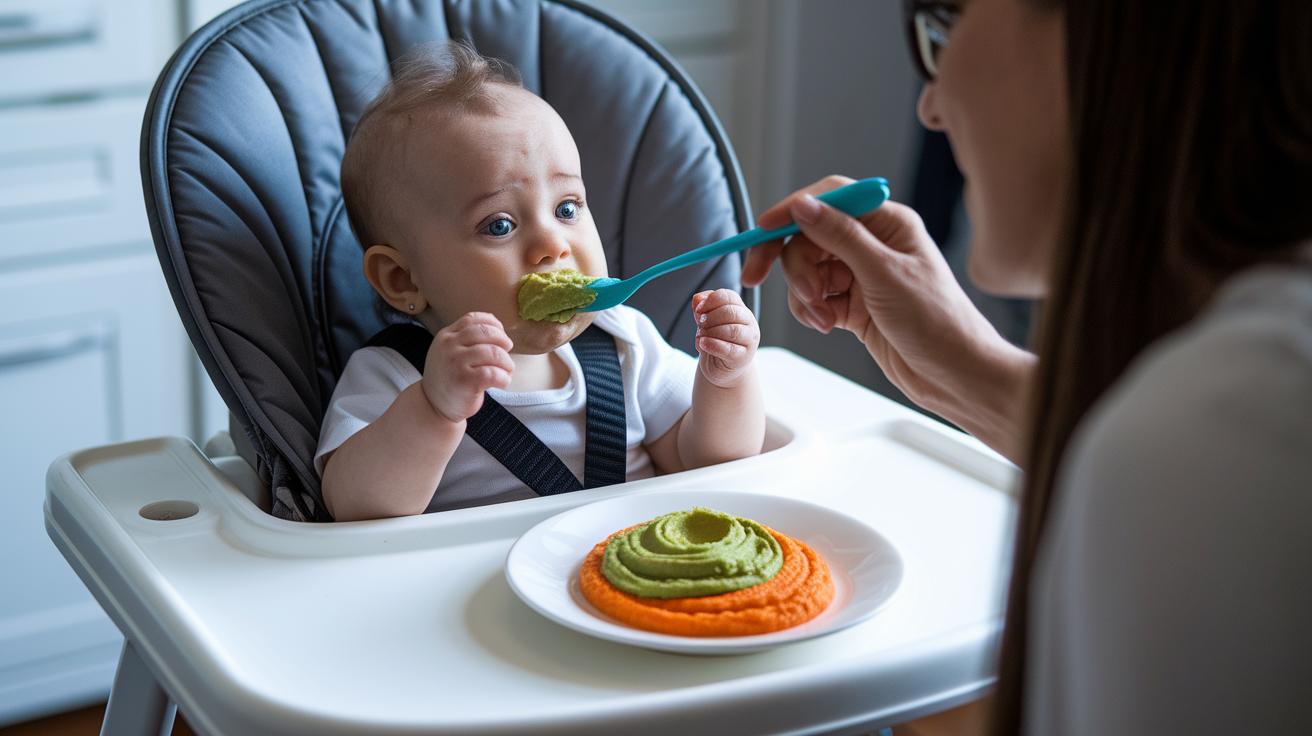
5 8 Month Old Meals For Happy Tummies

0

Ever notice how mealtime can feel like the best part of your baby's day?
At 8 months, your little one might be ready to try both milk and soft foods.
It’s so sweet to watch their eyes sparkle when they try a new taste.
In this post, I’m sharing five fun meal ideas that not only bring joy but also help with chewing skills.
These creative meals give your baby steady energy and a little flavor adventure.
Let’s dive into some simple ways to make each meal both healthy and delightful for your growing baby.

Tailoring Meal Plans to 8 Month Old Nutritional Needs

At 8 to 9 months, most babies drink about 24–32 fl oz (710–946 mL) of breast milk or formula every day. As they begin trying solid foods, you might notice their milk intake slowly dropping, but don’t worry, they’re still getting those key nutrients they need as they grow.

Watch for little hints that your baby is ready for more solids. Maybe they start reaching for food or light up when they see a spoon. When you see these signs, it’s a good moment to shift the balance a bit between milk and solids, while still breastfeeding on demand (usually around six times a day).

  • Look for natural hunger signals that tell you it’s time to mix in more solid food.
  • Introduce small spoonfuls of nutrient-rich purees along with their milk, which keeps their energy steady.
  • Offer a range of textures, from smooth purees to foods that are gently mashed, to help build chewing and little hand skills (infant developmental milestones explained).
  • Adjust serving sizes as your baby grows and based on their daily bathroom (poopy diaper) schedule.
  • Remember, a bit of patience and a gentle smile go a long way in helping your baby enjoy exploring new tastes.

It’s key to include foods that pack iron, healthy fats, and different textures during this stage. Iron is important for building healthy blood, while fats (like those found in olive oil) support brain growth. Mixing in different textures not only opens up new flavors but also gives your little one a chance to practice chewing and learning to feed themselves. This balanced approach makes the journey to new tastes and healthy eating habits a smooth one for both of you.

5 8 Month Old Meals for Happy Tummies

img-1.jpg

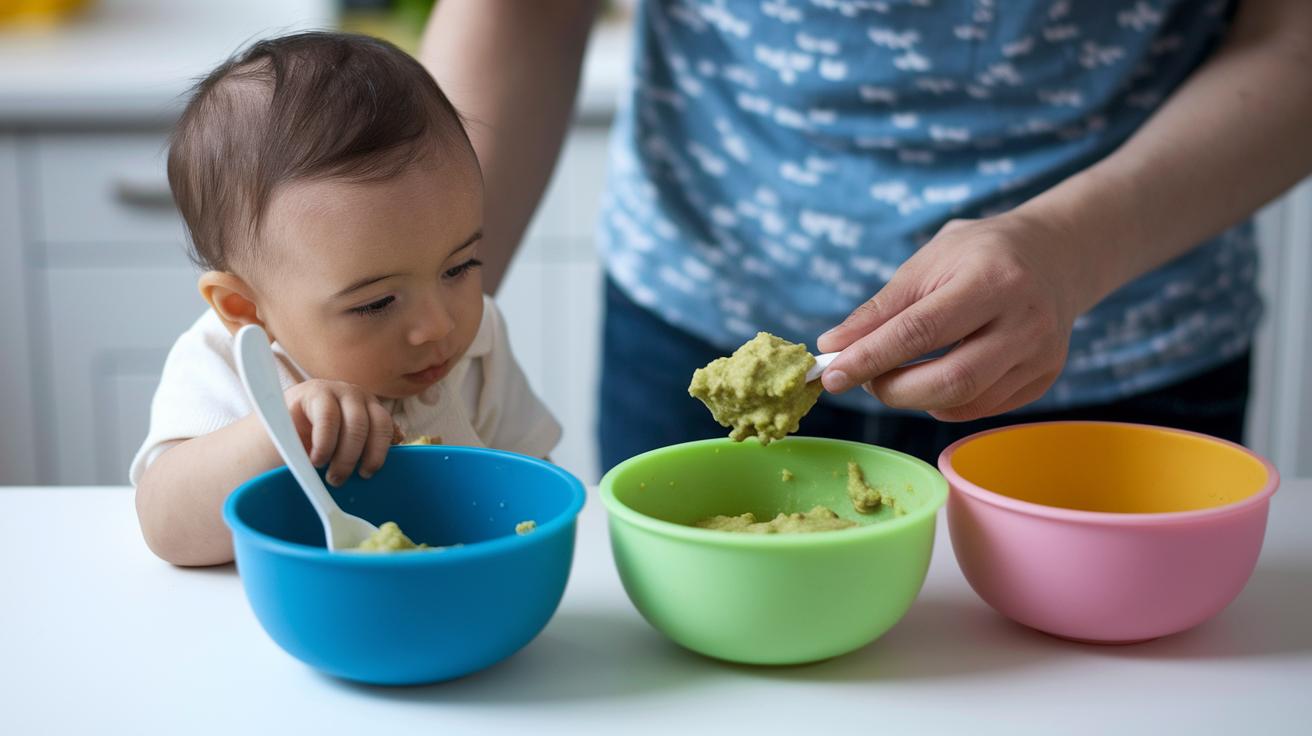
Chia seed pudding is a gentle way to begin the day. In a small bowl, mix a bit of full-fat yogurt, mashed banana, and a teaspoon of chia seeds. Let it sit for a little while so the seeds swell up and the mixture gets a nice pudding feel. Start with about 3 to 4 tablespoons for each meal, and if it seems too thick, stir in a splash of water. This little recipe gives your baby protein, calcium, and omega-3 (fats that help build strong bones and a healthy brain).

Fruit-oat puree is another sweet treat that combines soft textures with natural flavors. Simply cook small pieces of apple or pear just until they’re tender, then blend them with a spoonful of oats until the mix is smooth. Begin with a small serving of about 3 to 4 tablespoons, and if you see your baby ready for a bit more texture, try mashing it lightly instead of blending completely. The oats add fiber, which can help keep your baby’s tummy happy and even encourage early self-feeding.

Sweet potato and quinoa mash brings together bright flavors and important nutrients. Steam some small sweet potato cubes until they’re soft, then mix them with pre-cooked quinoa. Add a little drizzle of olive oil and mash everything to your preferred texture, smooth if it’s a first meal, or a bit chunkier if your baby is ready to try more texture on their own. This meal is full of complex carbohydrates, iron, and healthy fats to keep your little one energised through the morning.

Wholesome Lunch and Main Course Options at 8 Months

Chicken-and-vegetable puree is a wonderful way to kick off lunch for your little one. First, take a small chicken breast and chop it into tiny pieces, then cook it with diced carrots and peas until everything is soft. Once it’s ready, blend the mix until it’s smooth and silky, perfect for a baby’s delicate tummy. Serve about 3 to 4 tablespoons each time. This meal gives a boost of protein and vitamin A, which help build strong muscles and bright eyes.

Lentil-and-rice mash adds a hearty twist to lunch. In a small pot, combine red lentils and rice with enough water, and let them simmer until they’re tender. When they’re cooked, mash them gently with a fork or blend just a little so there’s still a bit of texture. A tiny splash of olive oil stirred in adds a dose of healthy fats. A serving of 3 to 4 tablespoons offers essential iron, folate, and fiber for a growing body.

Fish-sweet potato blend is another nourishing option. Steam mild white fish along with cubes of sweet potato until both are tender. Then, mash them together until they’re soft enough for practice chewing while still keeping a little texture. Around 3 to 4 tablespoons provides vitamin D and omega-3 fats to support healthy development and encourage those early chewing skills.

Dinner Inspirations and Nutrient-Rich 8 Month Old Meals

img-2.jpg

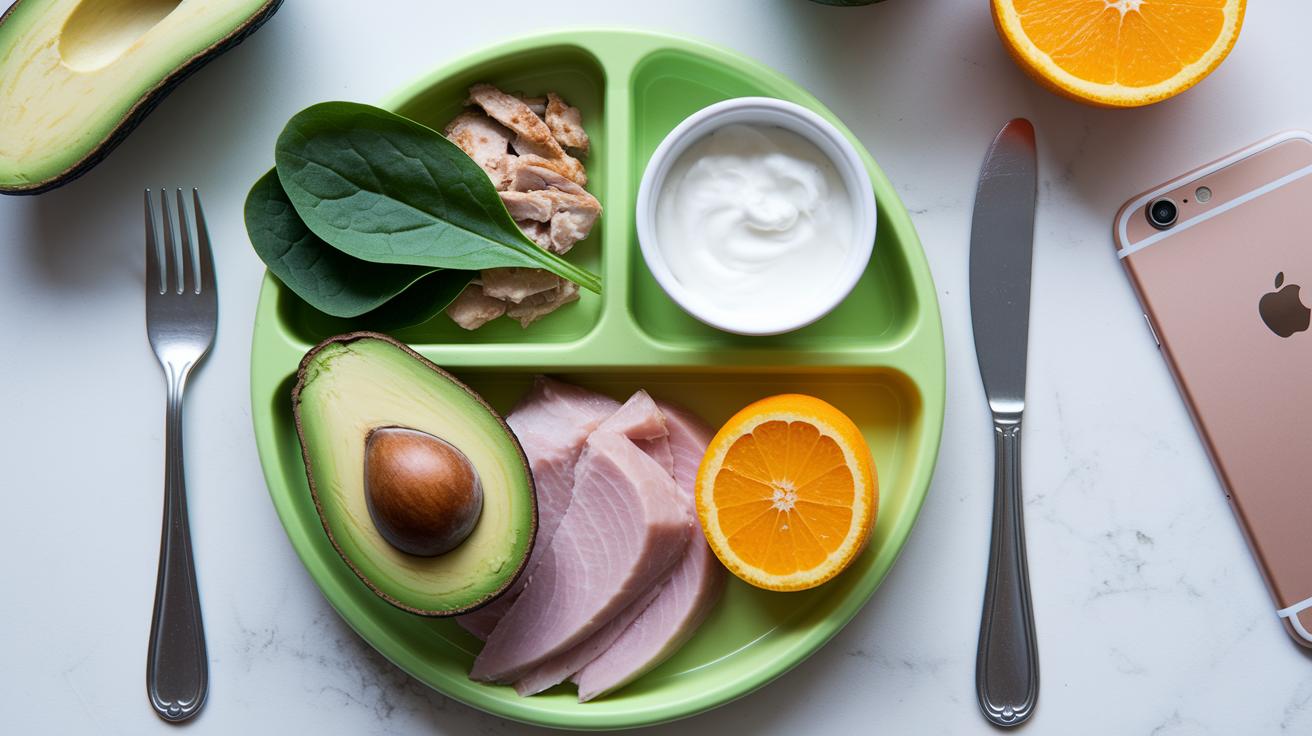
When planning dinner, we keep it simple and balanced. We mix proteins, vitamins, and minerals into every meal while making sure the textures are gentle enough for your little one’s transition to self-feeding. These dinners are lovingly designed to support healthy growth and development. Each option uses yummy ingredients that help form good eating habits, and the textures range from smooth purees to lightly mashed foods so your baby can start practicing chewing.

Recipe Name Key Ingredients Nutritional Highlight
Turkey-sweet potato risotto Arborio rice, ground turkey, mashed sweet potato Protein, vitamin A, complex carbs
Broccoli-cheese quinoa bowl Quinoa, steamed broccoli puree, mild cheddar Iron, calcium, fiber
Beef-pea stew Slow-cooked lean beef, peas Iron and zinc boost
Vegetarian chickpea curry with rice Chickpeas, rice, mild spices Plant-based protein, healthy fats

As your baby gets better at self-feeding, you can slowly change the textures. Start with very smooth purees and then leave a few little lumps so that with each meal, your child gets to practice new chewing skills. Enjoy these mealtime moments as a step toward more independence at the table.

Snack and Finger Food Options for Self-Feeding at 8 Months

Snacks are a fun way to bridge the gap between meals. They help your little one practice picking up food while making snack time an adventure. Mixing different textures and flavors not only makes eating exciting but also supports early skills like grasping and chewing. It’s all about letting your baby explore food in a gentle, safe way.

  • Grain-free puffs: Try making these light, bite-sized treats using cassava root flour (a natural, gluten-free flour) and no added sugar. A small handful, about four to six puffs, is just right for practicing fine motor skills without overwhelming your baby.

  • Banana wedges or steamed apple ribbons: Cut a small banana into soft, easy-to-hold wedges, or steam apple slices until they’re tender. Offering just a few pieces at a time helps your little one learn how to pick up food and enjoy new tastes.

  • Mini vegetable fritters: Grate a bit of zucchini or carrot and mix it with a lightly beaten egg and a sprinkle of mild cheese. Bake until tender, then serve one or two fritters. They’re soft enough to support early chewing practice and tasty, too.

  • Avocado spread on whole-grain toast strips: Mash a ripe avocado and lightly toast some whole-grain bread. Cut the toast into small, manageable strips, about two or three, for a snack packed with healthy fats and fiber.

Sample Weekly Schedule and Meal Prep Tips for 8 Month Old Meals

img-3.jpg

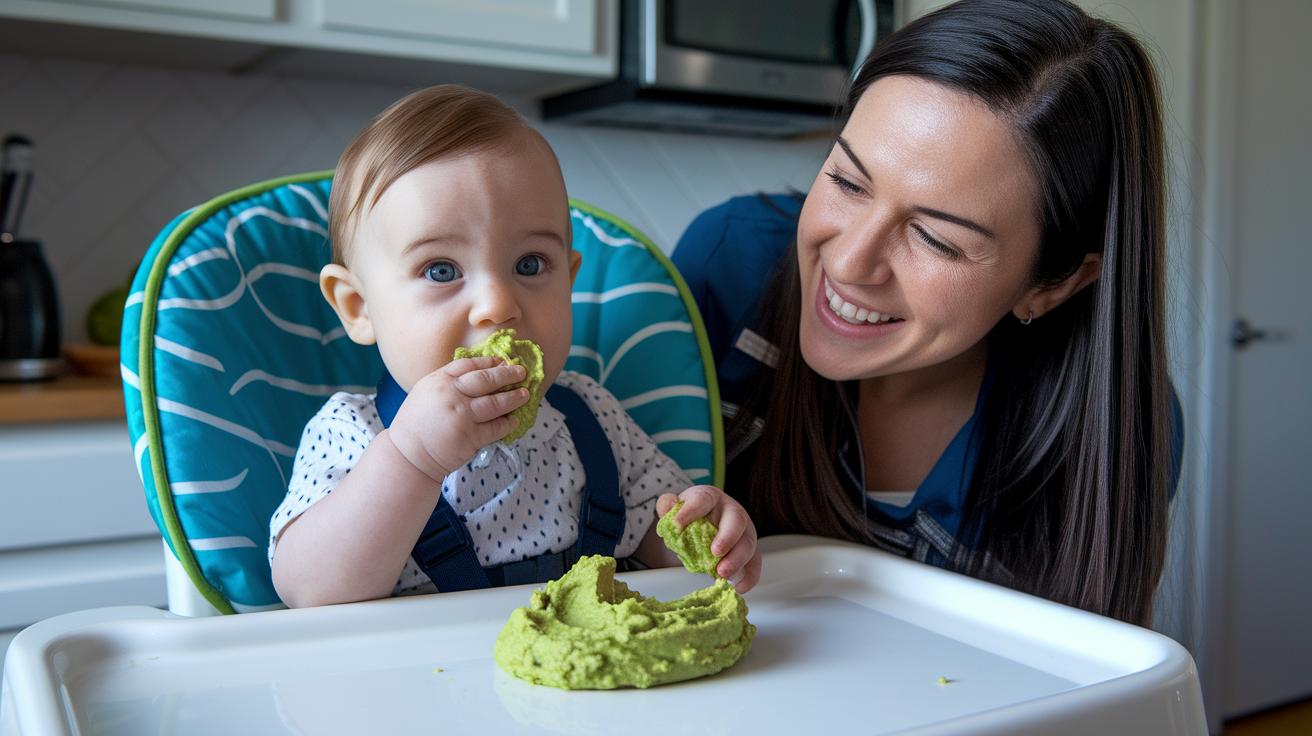
Creating a daily meal routine for your 8-month-old can really make mealtimes feel smooth and special. Think of it as a gentle way to bring some structure into your day, your baby gets to explore new tastes while still enjoying their familiar milk.

Day 1: Start the day with a warm milk wake-up, then enjoy a fruit puree for breakfast. Mid-morning, give a couple of small rice cakes. For lunch, serve a chicken-and-vegetable puree, and later, offer a soft vegetable mash as a snack before dinner.

Day 2: Begin with warm milk and an easy apple-oat puree. A few banana slices make a great mid-morning snack, followed by a lentil-and-rice mash at lunchtime. Later in the afternoon, a small serving of mashed avocado rounds out the day.

Day 3: Kick off the day with milk and a light pear puree. Enjoy soft steamed carrot sticks as a snack, then have a fish and sweet potato blend for lunch. In the afternoon, offer a few grain-free puffs for a quick bite.

Day 4: Start with milk paired with a peach puree. Enjoy steamed apple ribbons as a mid-morning treat, then have a chickpea and red pepper couscous for tea time. End the day with a small cup of diluted formula.

Day 5: Begin with milk and a mixed blueberry-banana puree. Snack on soft zucchini strips, then serve a turkey and sweet potato risotto for lunch. A mid-afternoon snack of mashed sweet fruit keeps things lively.

Day 6: Start with a nourishing glass of milk and a mixed berry puree. Mid-morning can be spent nibbling on a few mini vegetable fritters, followed by a hearty lentil mash at lunch. Later, a couple of soft whole-grain toast strips add a bit of crunch.

Day 7: Begin with milk and a refreshing mango puree. Enjoy steamed apple ribbons mid-morning, then have a broccoli-cheese quinoa bowl for lunch. In the afternoon, snack on soft banana wedges.

To keep things easy on busy days, try batch-cooking your purees and freezing them in about 1-ounce cubes. Rotate the ingredients every other day so you can watch for any changes and keep mealtime fun and varied. When you're ready to serve, gently warm the cubes to a safe temperature that also keeps the nutrients locked in.

Final Words

In the action of exploring balanced recipes and practical meal planning, this article breaks down milk-to-solids ratios, readiness cues, and key guidelines. It shares breakfast, lunch, dinner, and snack ideas with clear steps and nutrient highlights, plus a weekly meal schedule to ease meal prep.

With cozy, expert advice woven throughout, you're now set to create 8 month old meals that support growth, fun food exploration, and precious moments at mealtime. Enjoy putting these ideas into practice and nurturing your little one.

FAQ

What are some recommended 8-month-old meal recipes and what should I cook?

The 8-month-old meal recipes offer balanced purees and soft mash dishes including fruits, vegetables, and proteins. These options help support growth and develop self-feeding skills with simple, homemade ingredients.

Where can I find an 8-month baby food chart and meal plan for babies 6–12 months old?

The 8-month baby food chart and meal plan lay out daily schedules that balance breast milk or formula with solids. They provide clear guidelines on portion sizes, nutrient timing, and food variety for growing infants.

How many solid meals should an 8-month-old have and what is a typical feeding schedule?

The feeding schedule for an 8-month-old usually includes about three solid meals with additional snack options, alongside regular breast milk or formula feedings as guided by the baby’s hunger cues and routine needs.

Can an 8-month-old eat scrambled eggs?

The option of including scrambled eggs for an 8-month-old depends on readiness and gradual food introduction. Always serve them with a soft, smooth texture and consult healthcare advice when introducing new foods.

Industrial Internet of Things (IIoT) Market to Reach USD 5.17 Billion by 2032, at 22.5% CAGR

0

Definition

The Industrial Internet of Things (IIoT) refers to the network of interconnected sensors, devices, and industrial machinery that exchange and analyze data to optimize performance across industries. Unlike traditional consumer IoT, IIoT is applied specifically in industrial environments such as manufacturing, energy, oil & gas, mining, logistics, and transportation.

At its core, IIoT integrates:

  • Hardware: Sensors, actuators, gateways, and connectivity devices.

  • Software: Analytics platforms, application systems, and cybersecurity solutions.

  • Services: Cloud computing, system integration, consulting, and managed services.

This synergy enables industries to achieve real-time monitoring, predictive maintenance, improved supply chain visibility, and enhanced operational efficiency. IIoT also serves as a backbone for Industry 4.0 initiatives, where automation, artificial intelligence, and data-driven decision-making drive productivity and sustainability.

Market Size

Global Industrial Internet of Things (IIoT) market was valued at USD 1.29 billion in 2024 and is projected to expand to USD 5.17 billion by 2032, growing at a robust CAGR of 22.5% during the forecast period.

Key growth statistics:

  • In 2025, the market is expected to reach USD 1.58 billion.

  • By 2032, the market will grow more than fourfold, driven by digital transformation and demand for smart manufacturing.

  • Manufacturing leads in adoption with a 21% market share, followed by energy (18%) and transportation (15%).

Regional overview:

  • North America dominates with a 28% share, thanks to early adoption and strong digital infrastructure.

  • Asia-Pacific shows the fastest growth, fueled by China’s modernization and India’s Industry 4.0 initiatives.

  • Europe is consolidating its position through sustainability-driven IIoT deployment.

Download FREE Sample of this Report @ https://www.statsmarketresearch.com/download-free-sample/8056793/global-industrial-internet-of-things-forecast-market

Market Dynamics (Drivers, Restraints, Opportunities, and Challenges)

Drivers

  • Accelerated Industry 4.0 Adoption: Over 60% of industrial enterprises globally now allocate budgets for digital transformation. IIoT integration reduces downtime by up to 30% and improves production efficiency by 25%.

  • Energy Efficiency Demand: IIoT-enabled monitoring delivers 15–20% energy savings in energy-intensive industries. In oil & gas, adoption has surged 40% for pipeline and drilling monitoring.

  • 5G Connectivity: Low-latency networks enable real-time applications such as autonomous guided vehicles and AI-driven quality control, cutting defects by 50% in some automotive plants.

Restraints

  • High Implementation Costs: IIoT deployment in a mid-sized plant requires $1–3 million upfront, plus 20% annual maintenance costs.

  • Legacy System Integration: Nearly 75% of facilities still rely on outdated equipment, demanding costly retrofits or replacements.

  • Cybersecurity Risks: Industrial cyberattacks are 3–5x more frequent than in other sectors, with average losses over $4 million per incident.

Opportunities

  • Predictive Maintenance: Adoption of predictive analytics is growing 35% annually, with machine learning models predicting failures with 90%+ accuracy. Downtime reductions of 50% deliver massive ROI.

  • Emerging Economies: Asia-Pacific, Latin America, and Africa present growth potential with government incentives, tax breaks, and scalable IIoT models for SMEs.

Challenges

  • Data Integration & Interoperability: Over 80% of companies report issues connecting IIoT with ERP and MES systems due to proprietary protocols. This extends deployment timelines by 30–50%.

  • Talent Shortage: By 2025, there will be a deficit of nearly 2 million IIoT specialists, particularly in cybersecurity and analytics. Salaries have risen 40% in three years, further raising operational costs.

Regional Analysis

North America

  • Leads the market with 28% share.

  • Driven by U.S. smart factories, oil & gas digitization, and aerospace automation.

  • Supported by government-backed cybersecurity initiatives and innovation grants.

Europe

  • Strong adoption in Germany, UK, and France under Industry 4.0 strategies.

  • Focus on sustainability, carbon neutrality, and energy efficiency.

  • Siemens and Bosch lead as European IIoT innovators.

Asia-Pacific

  • Fastest-growing market (CAGR 28%).

  • China: Manufacturing modernization, 5G-powered smart factories.

  • India & Southeast Asia: Government incentives and tax breaks for Industry 4.0.

  • Japan & South Korea: Robotics and AI-driven IIoT integration.

Latin America

  • Growth led by Brazil, Mexico, and Chile.

  • Adoption in mining, logistics, and renewable energy sectors.

Middle East & Africa

  • Strong adoption in oil & gas (Saudi Arabia, UAE) and renewables (South Africa).

  • IIoT is pivotal for energy diversification and smart city initiatives.

Competitor Analysis (in brief)

The IIoT market is highly competitive, with global tech giants, industrial automation leaders, and emerging startups all vying for share.

  • IBM, Cisco, Microsoft – collectively hold 15% market share, leveraging AI, cloud computing, and analytics platforms.

  • Siemens & GE Digital – leaders in manufacturing with MindSphere and Predix, investing heavily in digital twin technologies.

  • Huawei & Foxconn – strengthening Asia-Pacific presence with 5G-enabled IIoT factories.

  • Consulting giants like Accenture & Capgemini dominate the services segment (38% share), offering integration and strategy expertise.

Get the Complete Report & TOC @ https://www.statsmarketresearch.com/global-industrial-internet-of-things-forecast-market-8056793

Global Industrial Internet of Things (IIoT): Market Segmentation Analysis

This report provides a deep insight into the global Industrial Internet of Things (IIoT), covering all its essential aspects. This ranges from a macro overview of the market to micro details of the market size, competitive landscape, development trend, niche market, key market drivers and challenges, SWOT analysis, value chain analysis, etc.

The analysis helps the reader to shape the competition within the industries and strategies for the competitive environment to enhance the potential profit. Furthermore, it provides a simple framework for evaluating and assessing the position of the business organization. The report structure also focuses on the competitive landscape of the Global Industrial Internet of Things (IIoT). This report introduces in detail the market share, market performance, product situation, operation situation, etc., of the main players, which helps the readers in the industry to identify the main competitors and deeply understand the competition pattern of the market.

In a word, this report is a must-read for industry players, investors, researchers, consultants, business strategists, and all those who have any kind of stake or are planning to foray into the Industrial Internet of Things (IIoT) in any manner.

Market Segmentation (by Application)

  • Manufacturing

  • Energy and Electricity

  • Oil and Gas

  • Metals and Mining

  • Logistics

Market Segmentation (by Type)

  • Hardware

    • Sensors

    • Connectivity Devices

    • Industrial Gateways

  • Software

    • Application Platforms

    • Data Analytics

    • Security Solutions

  • Service

    • Managed Services

    • Professional Services

Key Company

  • IBM Corporation (U.S.)

  • Cisco Systems, Inc. (U.S.)

  • Microsoft Corporation (U.S.)

  • Siemens AG (Germany)

  • General Electric (U.S.)

  • Huawei Technologies Co., Ltd. (China)

  • ABB Ltd. (Switzerland)

  • Schneider Electric SE (France)

  • Rockwell Automation, Inc. (U.S.)

  • Honeywell International Inc. (U.S.)

  • Bosch Software Innovations GmbH (Germany)

  • PTC, Inc. (U.S.)

  • Foxconn Industrial Internet (China)

  • SAP SE (Germany)

  • Hitachi, Ltd. (Japan)

Geographic Segmentation

  • North America (U.S., Canada, Mexico)

  • Europe (Germany, UK, France, Italy, Spain, Rest of Europe)

  • Asia-Pacific (China, India, Japan, South Korea, Rest of APAC)

  • Latin America (Brazil, Mexico, Rest of LATAM)

  • Middle East & Africa (Saudi Arabia, UAE, South Africa, Rest of MEA)

Customize/Section/Part Purchase @ https://www.statsmarketresearch.com/chapters-purchase/8056793/global-industrial-internet-of-things-forecast-market

FAQ Section

Q1: What is the current market size of the Industrial Internet of Things (IIoT) market?
A: The market was valued at USD 1.29 billion in 2024 and is projected to reach USD 5.17 billion by 2032.

Q2: Which are the key companies operating in the Industrial Internet of Things (IIoT) market?
A: Leading companies include IBM, Cisco, Microsoft, Siemens, GE, Huawei, ABB, Schneider Electric, Honeywell, and Bosch.

Q3: What are the key growth drivers in the Industrial Internet of Things (IIoT) market?
A: Growth is driven by Industry 4.0 adoption, energy efficiency demands, predictive maintenance, and 5G-enabled connectivity.

Q4: Which regions dominate the Industrial Internet of Things (IIoT) market?
A: North America leads with 28% market share, while Asia-Pacific shows the highest growth rate (28% CAGR).

Q5: What are the emerging trends in the Industrial Internet of Things (IIoT) market?
A: Key trends include digital twins, predictive maintenance, cybersecurity solutions, and 5G-enabled smart factories.

Website: https://www.statsmarketresearch.com

About Stats Market Research

Stats Market Research is a trusted provider of healthcare and medical technology market intelligence, delivering actionable insights through advanced data analytics and proprietary research methodologies. Our team of industry experts provides comprehensive analysis across medical devices, diagnostics, and digital health technologies.

☎️ International: +1 (332) 2424 294
📄 Website: www.statsmarketresearch.co

Graphite Susceptor Market for Semiconductor Equipment to Reach $1.04B by 2032 at 8.6% CAGR

0

Graphite Susceptor for Semiconductor Equipement Market was valued at 591 million in 2024 and is projected to reach US$ 1035 million by 2032, at a CAGR of 8.6% during the forecast period

MARKET INSIGHTS

The global Graphite Susceptor for Semiconductor Equipement Market was valued at 591 million in 2024 and is projected to reach US$ 1035 million by 2032, at a CAGR of 8.6% during the forecast period.

Graphite susceptors are critical components used in chemical vapor deposition (CVD) processes within semiconductor manufacturing. These high-temperature resistant substrates support and heat reactant materials while facilitating uniform deposition on wafer surfaces. The market primarily offers two variants: SiC-coated graphite susceptors (more prevalent) and TaC-coated graphite susceptors (higher technical complexity). TaC variants dominate advanced applications like SiC single crystal growth and GaN epitaxy, though their adoption remains limited by cost – the top three TaC coating providers held 99% market share in 2022.

Market growth is driven by expanding semiconductor fabrication capacities globally, particularly for power electronics and wide-bandgap materials. However, supply chain concentration poses challenges, with Momentive Technologies and Japanese firms dominating the TaC segment. Recent advancements in coating technologies aim to enhance thermal uniformity and lifespan, addressing key pain points in epitaxial growth processes for next-generation chips.

Download Free Sample Report: https://semiconductorinsight.com/download-sample-report/?product_id=103058

MARKET DRIVERS

The global semiconductor industry is experiencing a paradigm shift with the rapid adoption of wide bandgap materials like silicon carbide (SiC) and gallium nitride (GaN). These materials enable superior performance in high-power, high-frequency applications critical for electric vehicles, 5G infrastructure, and renewable energy systems. The market for SiC power semiconductors alone is projected to grow at over 30% CAGR through 2030, directly increasing demand for high-quality graphite susceptors used in their manufacturing. Recent technology advancements have enhanced susceptor durability and thermal conductivity, allowing semiconductor manufacturers to achieve higher yields and lower production costs.

Chemical vapor deposition (CVD) equipment installations are increasing globally, driven by both capacity expansions and technology upgrades across semiconductor fabs. The CVD equipment market surpassed $4.5 billion in value in 2023, with significant investments from leading foundries and IDMs. Graphite susceptors serve as critical components in these systems, providing the thermal stability required for deposition processes. As node transitions continue toward advanced packaging and 3D IC technologies, the specifications for susceptor performance have become more stringent, creating demand for advanced coatings like tantalum carbide and silicon carbide.

Recent Development

1. Technological and Product Innovations

  • Advanced coatings: Recent launches include ultra‑thick (>500 µm) multi‑layer SiC coatings, enabling operational temperatures up to ~1700 °C. These have extended typical lifetimes by ~25–35%, reaching 600+ cycles in some cases. 
  • Smart susceptors: Prototypes—such as those from Toyo Tanso and other OEMs—embed temperature sensors and wireless/RFID monitoring. Results show 5–7% improvement in yield via more precise thermal control.
  • Surface and hybrid material enhancements: Manufacturers are pushing toward vacuum‑impregnated graphite, segmented heating elements, and composite SiC‑reinforced designs with finer thermal zoning control. 

2. Manufacturing & Regional Scale‑up

  • Capacity expansions:
    • Semicera plans a new 20,000 m² factory by 2027 with a $70 M investment to localize SiC susceptor production. 
    • SGL Carbon expanded its German operations in late 2023 to boost SiC susceptor output by ~15%, targeting high-end U.S./Asian OEM demand.

List of Key Graphite Susceptor Manufacturers Profiled

  • Momentive Technologies (U.S.)
  • Toyo Tanso (Japan)
  • SGL Carbon (Germany)
  • Tokai Carbon (Japan)
  • Mersen (France)
  • Bay Carbon (U.S.)
  • CoorsTek (U.S.)
  • Schunk Xycarb Technology (Netherlands)
  • Shenzhen ZhiCheng Semiconductor (China)
  • Ningbo Hiper (China)
  • Hunan Xingsheng (China)
  • LIUFANG TECH (China)
  • TOP SEIKO Co.,Ltd (Japan)
  • PremaTech Advanced Ceramics (U.S.)

Segment Analysis:

By Type

SiC Coated Graphite Susceptor Leads Market Due to Cost-Effectiveness and High Demand in SiC Epitaxy

The market is segmented based on type into:

  • SiC Coated Graphite Susceptor
    • Superior thermal stability for high-temperature applications
  • TaC Coated Graphite Susceptor
    • Premium solution for GaN epitaxy processes

By Application

Single Crystal Growth Furnace Segment Dominates for SiC Wafer Production

The market is segmented based on application into:

  • Single Crystal Growth Furnace
  • Epitaxy Furnace
  • MOCVD
  • ALD
  • Others

By End Use Industry

Power Electronics Drives Majority Demand for High-Quality Susceptors

The market is segmented based on end use into:

  • Power Electronics
  • RF Devices
  • LED Manufacturing
  • Advanced Packaging


Download Free Sample Report: https://semiconductorinsight.com/download-sample-report/?product_id=103058

Semiconductorinsight has been a leading aggregator and consulting provider of semiconductor industry market research reports since 2016, offering high-quality, reliable, and timely reports and consulting services to our clients. 

Services Offered

  1. Market Reports:
    • Comprehensive and data-driven reports offering deep dives into specific segments of the semiconductor industry.
    • Forecasts and trends analysis backed by robust methodologies and historical data.
  2. Custom Research:
    • Tailored research solutions addressing unique business challenges and opportunities.
    • Market entry strategies, competitive benchmarking, and M&A advisory.

CONTACT US:
City vista, 203A, Fountain Road, Ashoka Nagar, Kharadi, Pune, Maharashtra 411014
[+91 8087992013]
help@semiconductorinsight.com

100 First Foods Spark Smiles For Little Eaters

0

Have you ever noticed how a little taste can bring a big smile to your baby’s face? This post shares 100 first foods that are sure to bring joy and help build strong little bodies. Every spoonful, whether it's smooth pureed beef or a creamy avocado mash, is packed with important nutrients to help your baby grow healthy and happy.

Imagine your baby enjoying a meal that feels like a warm hug full of love and encouragement. Ready to turn mealtime into a delightful and nurturing experience?

img-2.jpg

Nutrient-Rich Essentials in Your 100 First Foods

img-3.jpg

Iron and other minerals help our little ones grow strong by supporting cell development and good oxygen flow. For instance, pureed meats are a great natural source of iron that fills tiny tummies with wholesome nourishment. Mashed lentils work well too, they’re smooth, plant-based, and packed with these helpful minerals. Imagine a spoonful of rich pureed beef or lentils that not only tastes good but gently introduces important nutrients.

Healthy fats and carbohydrates are also key for growth and brain development. Avocado mash is a creamy treat full of nourishing fats, and full-fat yogurt offers the same good fats while pleasing a baby’s taste buds. Soft, cooked grains like oatmeal and quinoa give a boost of carbohydrates to power daily energy needs. Together, these flavors and textures create meals that feel both joyful and caring.

Vitamin C and proteins join forces to support overall growth. Pureed fruits like pear or peach naturally bring vitamin C, which helps the iron do its job. Protein-rich foods such as plain yogurt or well-mashed tofu help build strong, little muscles. When you combine these foods in small, delightful spoonfuls, you get a balanced meal that delights taste buds and supports growing bodies. Every tiny bite can bring a big smile to your little one’s face.

Texture and Preparation Tips for 100 First Foods

img-4.jpg

Introducing foods with different textures can be a fun, heartwarming experience as your baby begins to explore new tastes and gentle sensations. It’s like a little adventure from smooth, creamy meals to foods that offer a bit more variety. This step-by-step journey helps your baby’s mouth develop and builds confidence during mealtimes.

  1. Puree Stage
    For babies around six months old, start with smooth, even purees that are easy to swallow. Imagine a silky apple puree or a creamy carrot mash – foods that feel as soft as a gentle lullaby. At this stage, your little one can focus on swallowing safely while getting used to these new flavors.

  2. Mash Stage
    Between six and nine months, you can begin adding mashed foods that have tiny lumps. Think of soft mashed banana that still has little spots or gently mashed lentils. These foods let your baby work their gums and even start using a pincer grip. Just be sure the chunks are small so they’re easy to handle.

  3. Finger Foods Stage
    Around six months, along with purees, offer some finger-friendly foods that are soft to help them dissolve and just the right size for little hands to grasp. Examples include lightly steamed carrot sticks or tender sweet potato pieces. Ensure these pieces are the perfect size to keep your baby safe and to encourage fun, self-paced exploring at mealtime.

Allergen Introduction within the 100 First Foods

img-5.jpg

New advice tells us that waiting to introduce foods that might cause allergies doesn’t really help in preventing them. In fact, letting your little one try these foods early on may help their growing immune system see these tastes as friendly reminders. Experts now say that adding allergenic foods when your baby is ready for solids (usually between 6 and 8 months) could even lower the chance of reactions later.

For example, you can try offering small, easy-to-manage tastes of common allergens. Try mixing a little peanut powder into a smooth puree, serving tiny bits of a well-cooked egg yolk, or spooning a bit of plain, full-fat yogurt. You can also introduce soft tofu mashed smooth for soy, offering well-cooked wheat cereal with a gentle texture, or adding flaked, fully cooked fish into a puree. These small steps bring a world of new tastes and textures to your baby, all while keeping things safe and supportive on their journey to explore food.

100 first foods Spark Smiles for Little Eaters

img-6.jpg

There are lots of ways to introduce solids to your little one. Spoon-feeding lets you offer smooth purees in gentle spoonfuls, while baby-led weaning encourages your baby to explore food with their tiny hands. Both methods help boost your baby's confidence and support their growing skills.

Spoon-Feeding

With spoon-feeding, you control the portions and texture. It starts simple, imagine a creamy apple or soft carrot mash that feels just right. You get to watch your baby’s reactions and adjust the flavors as needed. Maybe start with a soft spoonful of pear puree, it’s like a warm, little hug before bedtime.

Baby-Led Weaning

Baby-led weaning invites your little one to pick up food on their own. You can offer steamed cauliflower, avocado slices, or even a tender piece of sweet potato that’s easy for them to hold. It’s a fun way to learn hand-eye coordination while enjoying new tastes. Ever notice how watching them discover food makes mealtime feel extra special?

Using both methods together can be a joyful experience. Try serving a bit of smooth puree on the side along with small, safe finger foods on their high-chair tray. Many parents see that mixing these approaches turns meal times into a heartwarming, smile-boosting adventure for everyone.

Age-Based Scheduling for Introducing 100 First Foods

1Hequj-cRduHhphyXrsLeQ.png

When your baby starts showing signs of readiness, like sitting with a little help, reaching for things, and seeming curious, usually around six months, it's a perfect time to begin first foods. In the first couple of weeks, try offering 2 or 3 pureed meals each day, with a mix of 2 or 3 different foods. Picture yourself gently spooning a smooth apple puree mixed with a soft carrot mash, creating a calm and nurturing start.

After a couple of weeks, around weeks 3 to 4, you might add in mashed textures twice a week. Think about trying a mashed banana with little soft bits or smoothly mashed lentils. This step lets your baby explore new textures while still enjoying the light feel of purees.

As you move into the 3rd and 4th months of this routine, try to include a bit of finger food every day. Offer soft, safe pieces like lightly steamed sweet potato or tender zucchini sticks, just the right size for tiny hands to hold. These little bites help your baby practice self-feeding, boosting their confidence with each grasp.

By months 5 to 6, blend everything together at each meal: a bit of puree, some mashed food, and a few finger foods. This mixed approach lets your baby slowly get used to more varied textures, while still relying on breastmilk or formula until around 12 months. If you're curious about other growth markers, you can always check out more details on developmental milestones.

Final Words

In the action of exploring ways to nourish little ones, we uncovered a collection of 100 first foods to help build healthy beginnings. We looked at a range of nutritious options that support growth and introduce exciting flavors with gentle, safe preparation tips. Each section helped shape practical, flexible feeding practices, from nutrient-packed purees to finger foods and mindful allergen introductions.

Remain inspired and embrace these ideas with a smile as you celebrate every mealtime moment!

FAQ

What is the 100 first foods plan?

The 100 first foods plan is a guide that lists 100 varied foods for babies, including nutrient details, prep tips, and age recommendations, to help parents safely introduce solid foods.

What is the purpose of 100 foods before 1?

The purpose of offering 100 foods before 1 is to expose your baby to a wide range of flavors and textures, promoting nutrient diversity and early healthy eating habits.

What are the best first foods to give a baby?

The best first foods for a baby are nutrient-rich and gentle options like apple puree, mashed lentils, whole-fat yogurt, and soft-cooked vegetables that support healthy growth.

How do the free PDF, printable, and chart help with the 100 first foods plan?

The free PDF, printable, and chart offer a handy reference that organizes each food by its key nutrient, prep guidance, and age range, making it easier for parents to plan meals.

Is there a 100 first foods book available?

The 100 first foods book serves as a comprehensive resource, offering a detailed look at food options, nutrient benefits, and practical advice to guide parents as they introduce solids.

How does baby-led weaning fit into the 100 first foods plan?

Baby-led weaning fits into the plan by encouraging self-feeding with soft, safe foods, allowing babies to explore different textures while following recommended safety and nutrient guidelines.

What is 100 days of first foods?

The idea of 100 days of first foods encourages a gradual introduction of a variety of foods, helping your baby develop an appetite for healthy options and adapt to new textures over time.

What does “Fortified family 100 first foods” refer to?

“Fortified family 100 first foods” refers to versions of the plan that include foods enhanced with extra nutrients, ensuring your baby receives balanced, nutrient-dense meals as part of a family-friendly eating plan.

Postpartum Healing And Rest Strategies: Renew & Rejoice

0

Have you ever thought that a little extra rest might be the key to bouncing back after having a baby? Many new moms don’t realize how long their bodies need to repair themselves after childbirth. As your body goes through changes, taking time to rest can really help you heal and feel better. In this post, you’ll find simple rest ideas and easy tips to help you regain your strength and enjoy the days ahead.

Postpartum Healing and Rest Strategies: Renew & Rejoice

img-1.jpg

Postpartum recovery is a journey that can last from the days right after delivery up to a full year. Your body goes through lots of changes during this time. In the first few weeks, you might feel some soreness from tears or stitches if you had a C-section. Along with that, your uterus might have some after-pains and you could notice bleeding or discharge for about 4 to 6 weeks. It’s also completely natural to have emotional ups and downs, about 80% of new moms feel a bit blue, and around 20% might face more challenging feelings like postpartum depression. Taking the time to rest can really help your body heal and your heart feel a bit lighter.

One gentle way to help yourself recover is by using the 5-5-5 structured rest rule. This method suggests taking five days to mostly rest in bed, then five days to move a bit while still staying in bed, and finally, five days to engage in gentle activities nearby. It’s a simple plan to slowly bring back movement without overdoing it.

Here are some friendly tips to keep in mind:

  • Follow the 5-5-5 structured rest rule
  • Sleep whenever your baby sleeps
  • Drink plenty of water and enjoy balanced meals rich in protein and vitamins
  • Do gentle movements and try some pelvic floor exercises
  • Take a moment for mindfulness and show yourself some extra care
  • Reach out to your support network for help with the house and baby care

By mixing in these steps, rest, nourishment, easy exercise, and a bit of help from loved ones, you can support both your physical healing and your emotional wellbeing. It’s all about finding that gentle balance and giving yourself the space to gradually renew your strength during this very special time.

Managing Postpartum Physical Recovery and Rest

img-2.jpg

Taking some well-deserved rest is a gentle way to help your body repair itself. When you give yourself time to heal, you can lessen swelling and ease the discomfort that often follows delivery.

Rest Strategies for Episiotomy and Natural Tears

For moms healing from an episiotomy or a natural tear, the “5-5-5 rule” can be a real lifesaver. For the first five days, try to stay mostly in bed so you don’t add extra pressure on your perineum. A cool ice pack on that area can help ease swelling and reduce soreness. And a warm sitz bath (a shallow bath that soothes the area) can feel wonderfully comforting and encourage healing. Adding some extra pillows or choosing a soft cushion when you sit can also lighten the strain and support your recovery.

Rest and Care for C-Section Recovery

If you’ve had a C-section, it’s important to follow your doctor’s advice and take plenty of rest while you mend. An abdominal support pillow can help ease the tension around your incision. Start by slowly moving from lying down to sitting, and only progress to standing when you feel ready. It’s a good idea to avoid lifting anything heavier than 10 pounds so you don’t put extra stress on your body.

Keep an eye out for any signs that might need a doctor’s attention, things like a fever, too much bleeding, or an increase in pain. If you see any of these, it’s best to call your healthcare provider right away.

Optimizing Sleep Habits for Effective Postpartum Rest

img-3.jpg

Sometimes syncing your sleep with your baby’s natural rhythm can really help boost your energy and mood. Many moms find that catching a nap when the baby is snoozing makes a huge difference, it’s like giving yourself a little refill. And hey, if a partner or family member can take over a bit, it’s an extra chance for you to get that much-needed rest.

Creating a cozy sleep space matters, too. Think about using blackout curtains and a gentle white noise machine to set a calm scene that helps lull you into a deep sleep. You might even try turning off screens about 30 minutes before bed so you can ease into relaxation. A few simple calming rituals, like some mindful breathing or even following a gentle 5-5-5 routine, can build a steady sleep habit that helps you truly recharge.

Nutritional Optimization for Postpartum Healing and Rest

img-4.jpg

Eating a balanced mix of foods that include protein, iron, vitamin C, calcium, and fiber is really important for how your body bounces back after childbirth. These nourishing foods help repair tissues, boost your immune system, and bring back your energy. You might recall that during pregnancy you gained about 25–35 pounds, and it’s normal to lose roughly 13 pounds soon after giving birth. Drinking 2–3 liters of water each day also helps your healing and supports breastfeeding. And choosing foods that fight inflammation while boosting collagen is another gentle way to help your recovery.

Nutrient Healing Benefits Food Sources
Protein Helps build muscle and repair tissue Lean meats, legumes, dairy
Iron Fights fatigue and supports blood health Red meat, spinach, beans
Vitamin C Boosts collagen and strengthens immunity Citrus fruits, bell peppers, strawberries
Calcium Strengthens bones and aids muscle function Yogurt, cheese, fortified plant milk
Fiber Helps digestion and reduces constipation Whole grains, fruits, vegetables

If you’re juggling the demands of being a new parent, planning your meals ahead of time can make nourishing your body feel a lot less stressful. Batch-cooking a few balanced dishes means you won’t have to worry about what to eat at each meal. For example, imagine a light salad with lean protein in the afternoon, a refreshing vitamin C-rich fruit as a snack, and a dinner packed with both calcium and iron. With a little meal planning, your body can heal well while you stay energized and ready for each new day.

Gentle Movement and Restorative Exercise in Postpartum Healing

img-5.jpg

Before you start any new exercise routine, it's always a good idea to check with your healthcare provider. Most moms are cleared for gentle movement by about six weeks after giving birth. Simple activities, like taking easy walks, can help boost your blood flow and keep your muscles active without putting a strain on healing tissues. These light exercises also help ease tension and slowly build back your strength.

As you begin, try taking relaxed walks in your neighborhood or around your home. You might also want to add some seated pelvic tilts, they help build your core strength and support your recovery. Modified yoga stretches are another great option; they gently loosen tight muscles and give you a moment to feel calm. Diaphragmatic breathing (that’s deep breathing from your stomach) can help reduce any leftover tension after you move. And remember, it’s important to mix periods of activity with rest so you don’t get too tired. Listen to what your body is telling you and take breaks as needed.

These gentle exercises not only help your body heal, but they can also give you a little boost of energy and balance. It’s all about taking small steps to regain your strength while caring for your little one.

Mind-Body Techniques for Emotional Rest in Postpartum Healing

img-6.jpg

Taking a few moments for mindfulness and self-kindness can really help quiet a busy mind during this sensitive time. It can be as easy as writing a few thoughts in a journal each day, letting your feelings flow onto the page. Try a simple breathing pattern, breathe in for 4 seconds, hold for 7, and then slowly exhale for 8 seconds, to help soothe your body and mind. A short meditation, where you focus on little moments of gratitude, can also bring a calm, steady feeling. These practices invite you to stop and connect with yourself in a gentle way.

It also helps to lean on the community around you. Many new moms feel the ups and downs of mood swings, and sharing your experience with a friend or support group can lighten the load. Chatting with others or even talking to a professional might bring a new level of strength. Check in with yourself every day and keep the conversation going with those who care about you. These simple moments of self-care and sharing can softly build a routine that supports your whole healing journey.

Creating a Personalized Postpartum Rest and Recovery Plan

img-7.jpg

Start by setting gentle recovery goals that match what you need right now. You might try the simple 5-5-5 plan: five days for resting, five days with just a little movement, and five days doing light activity. But really, listen to your body. Ask yourself, “After a day off, do I feel ready to move a bit more?” or “What small change could help me feel even better?” Jot down your thoughts to see if you need extra rest or a touch more activity.

Make weekly check-ins your guide. Write down a simple list that mixes rest, light movement, and a little help from family or your partner. Here’s an example to help you start:

Milestone Reflective Question Next Step
Initial Healing “Did I get enough quiet time today?” Plan a set time for rest
Gentle Movement “How did my body feel after some light exercise?” Slightly adjust the exercise time
Wellness Check “Am I noticing a boost in my energy?” Consider a quick chat with my care team

Take a moment each week to look over your list. Celebrate the little wins and make changes based on how you truly feel.

Final Words

In the action of caring for your well-being, we've walked through recovery timelines, practical sleep fixes, and gentle movement techniques. Each part of the post shows how strategies like the 5-5-5 rule and aligning sleep with your baby’s rhythms can uplift your recovery.

Using these postpartum healing and rest strategies helps blend self-care with everyday routines. Small steps each day pave the way for renewed strength, creating space for both healing and joy.

FAQ

What are some postpartum healing and rest strategies at home?

Postpartum healing and rest strategies at home include following a structured plan like the 5-5-5 rule, getting extra sleep when your baby does, staying hydrated, and leaning on supportive help from family or friends.

What things should I avoid doing right after giving birth?

Things not to do after giving birth include skipping proper rest, lifting heavy items, returning to full household chores too soon, and pushing yourself into high-impact activities before your body has healed adequately.

How long does it typically take for the body to return to normal after birth?

The body usually takes around 6–8 weeks for major physical recovery, though hormonal and emotional changes may take several months to settle fully after giving birth.

How do I care for my vagina after giving birth?

Caring for your vagina after giving birth involves gentle cleansing, using sitz baths, and following your healthcare provider’s advice, especially if you experienced tearing or had an episiotomy, to aid in the healing process.

What does postpartum care involve?

Postpartum care involves a blend of physical recovery, rest, balanced nutrition, gentle movement, and emotional support, all aimed at helping your body and mind heal while you adjust to new motherhood.

When is it safe to start doing household work after delivery?

You can typically begin light household work after the initial healing phase, often around 6 weeks post-delivery, but it’s best to follow your provider’s guidelines and listen to your body’s cues.

What are some helpful postpartum recovery tips?

Helpful postpartum recovery tips include following recovery rules like the 5-5-5 plan, resting when your baby naps, staying hydrated, eating balanced meals, and patiently easing back into daily activities with support.

Can you explain the 5-5-5 rule for postpartum recovery?

The 5-5-5 rule is a structured rest plan that suggests spending five days in bed, five days mostly resting on the bed, and five days gradually moving around the bed area to help balance rest and recovery.

What is the 2-2-2 rule for postpartum recovery?

The 2-2-2 rule divides recovery into two days of complete rest, two days of gentle activity, and two days of slightly increased movement, offering an alternative structured approach to help your body ease back into activity.

Prenatal Yoga San Diego: Joyful Wellness For Moms

0

Have you ever noticed how one simple stretch can ease pregnancy discomfort? In San Diego, prenatal yoga is like a gentle hug for your body. Each 70-minute class gives you a chance to relax, feel more connected to your baby, and enjoy a little self-care with other moms-to-be. The soothing moves help quiet common aches and bring a peaceful, calm feeling. It’s a lovely, joyful way to care for yourself during this special time.

San Diego Prenatal Yoga Class Schedules and Locations

img-1.jpg

Our main prenatal yoga class in Vista, CA warmly invites expecting moms every Saturday at 9:00 am. This 70-minute session fits all stages of pregnancy, offering gentle, safe moves that ease common aches while helping you build strength and mindfulness. Each pose feels like a caring hug, a chance to connect with your baby, yourself, and other moms in a nurturing space. It’s a bit like hearing your favorite, comforting lullaby during a calm moment at home.

The studio offers many options to suit different needs and busy schedules. If you're just getting started with prenatal yoga, try the two-week free trial to see if it feels right for you. And if you love this kind of self-care, the Unlimited Membership at $99 per month is a great way to keep up with your practice. It even includes classes that focus on supporting your growing belly and changing balance. Plus, with drop-in sessions and various packages available, you can easily find something that works with your life. If you have questions or would like to book a spot, just give them a call at (619) 640-4438.

Location Day/Time Duration Price Trimester Range Booking Info
Vista, CA Saturdays 9 am 70 min $20 drop-in/$99 mo unlimited All trimesters Call (619) 640-4438

Benefits of Prenatal Yoga San Diego for Expectant Mothers

img-2.jpg

Prenatal yoga in San Diego offers gentle relief from common pregnancy discomforts like back pain and leg cramps, especially as you get further along. About half of all expectant moms experience those pesky leg cramps, and the careful yoga poses feel like a soothing stretch that gradually releases tension.

This type of yoga also helps with other aches such as round-ligament pain, sciatica, and tight shoulders. Imagine your hips and shoulders slowly relaxing, making everyday tasks feel a bit lighter and more comfortable.

Prenatal yoga builds strength to support a smoother delivery and helps speed up recovery after birth. Each session includes simple exercises for your core and pelvic muscles that add up, almost like stacking little blocks of support leading up to the big day.

And as you move gently through each routine, you're also invited to slow down and connect with both your body and your baby. With mindful breathing and deliberate movement, these sessions offer a peaceful pause, helping to build calm and resilience for labor.

Certified Prenatal Yoga Instructors in San Diego

img-3.jpg

In our San Diego studios, every yoga teacher for pregnancy is fully certified and well trained to support you through your special journey. They complete a series of prenatal lessons that help them understand the changes your body goes through. Think of it like having a caring friend who knows all the safe moves to keep you comfy while you practice. For example, one instructor might say, "Just like you warm up before a gentle jog, we start with soft breathing and light stretches."

These instructors also keep learning and updating their skills so they stay on top of current safety tips and the unique care you need at different stages of pregnancy. It’s a bit like adjusting a family recipe just right for your growing belly and changing needs. This way, every time you step onto the mat, you feel safe, supported, and cared for.

Prenatal Yoga Class Types and Session Offerings San Diego

img-4.jpg

Prenatal yoga in San Diego comes in many forms to suit your mood and the needs of your body. Each class creates a warm, inviting space for moms at every stage of pregnancy. Whether you’re looking for a burst of gentle energy or a quiet moment to relax, these sessions help you feel centered, cared for, and ready for all the changes ahead.

Dynamic Prenatal Flow

Join this 70-minute active session every Saturday in Vista. It focuses on building strength, endurance, and mindful movement, with poses that adapt to your body’s natural changes. Imagine each stretch flowing as smoothly as a gentle stream, filling you with the confidence to know your body is wonderfully capable.

Restorative Prenatal Yoga

If you’re in the mood for a more calming experience, try our restorative classes. These sessions slow things down and emphasize deep breathing and soft stretches. Picture sinking into your favorite cozy chair after a busy day, that’s the gentle, nurturing feeling you’ll enjoy here as you let go of tension and breathe freely.

Prenatal Strength & Endurance Sessions

These classes are all about strengthening your core and pelvic muscles to support you every day and during labor. Think of each move as adding another supportive layer to your body, much like building a sturdy foundation for a home. With every carefully guided pose, you’ll feel more prepared and resilient for what’s on the horizon.

Prenatal Relaxation & Stretch Classes

In these classes, you’ll learn to deepen your stretches and control your breathing, using helpful props like yoga balls, blocks, or bolsters. Imagine a trusted friend guiding you through each move, easing away discomfort while you relax and stretch gently. Every posture is designed to be safe, giving you peace and support throughout your session.

New student two-week trials and unlimited membership options are available to fit your busy schedule. Whether you prefer small-group classes or dropping in when it suits you best, the studio is here to help. Just give them a call to discover the class that brings the perfect balance to your prenatal care.

Safe Prenatal Yoga Modifications and Props in San Diego

img-5.jpg

In our San Diego classes, your instructor takes extra care to adjust each yoga pose for your changing body. They gently guide you to find the perfect alignment so that you can move at a comfortable pace while keeping your heart safe. Every session looks after your growing belly and shifting balance, offering little tweaks that help you feel steady and at ease. For example, instead of bending too far, you might be encouraged to lean forward just a bit, kind of like saying, "What if we try a softer stretch today?"

Our classes also come with plenty of props to support your practice. You can use blocks, bolsters, or a pregnancy exercise ball to help with balance or ease into a deeper stretch. These tools feel like a warm, steady hand, letting you settle into each pose with more confidence. And remember, it’s always good to have your doctor’s go-ahead before making any big changes, ensuring that every move feels safe and caring.

How to Choose Your Prenatal Yoga Class in San Diego

img-6.jpg

When you're scouting for a yoga class, try to pick one that fits well with where you're at in your pregnancy. You might find a class on an early Saturday morning that meshes perfectly with your routine, giving you a calm start to the day. Think about whether a drop-in session or a set schedule matches your changing energy levels.

Take a moment to check out the teacher's background. You want someone who's completed solid prenatal training and stays up-to-date with safety tips. It’s like picking a trusted friend who's got your back and knows just how to modify poses as your body changes.

Finally, weigh your cost and commitment options. Compare the benefits of a one-time drop-in with a membership or trial package. Choose the plan that feels right for your budget and offers the flexibility to join classes in different parts of San Diego, ensuring you always have a supportive space.

Pricing and Membership Options for Prenatal Yoga San Diego

img-7.jpg

Join our unlimited membership for just $99 a month. This plan gives you full access to all our classes and provides extra support to guide you on your wellness journey. It's amazing how even a little daily practice can lift your mood and boost your energy during pregnancy. Plus, you can try everything out with our two-week free trial, no upfront cost.

If you need a more flexible option, we have tiered packages, drop-in sessions, and even one-on-one classes available. That way, you can choose the schedule that fits your life best without having to repeat details you've already seen in our class schedules and offerings.

Real Experiences from Prenatal Yoga San Diego Participants

img-8.jpg

One mom shared how just a few classes helped ease her stubborn back pain and made her leg cramps more bearable. She said the gentle stretches and mindful movements felt like a warm hug, comforting her body in a very real way.

Another participant talked about the deep breathing exercises. Each session felt more like a calming ritual than a workout, and every deep breath helped her feel more ready for labor, as if her worries were slowly drifting away with each exhale.

A third mom loved the small-group setting, describing it as a close, supportive circle where every woman felt appreciated. She felt that the kind and knowledgeable instructors made each class feel personal, almost like chatting with a good friend about everyday challenges. This warm atmosphere helped ease both her physical discomfort and mental stress, leaving her feeling genuinely joyful and uplifted.

Final Words

In the action of exploring class schedules, benefits, instructor expertise, varied sessions, safety modifications, and pricing options, our guide paints a clear picture of what to expect from San Diego's mindful prenatal yoga classes.

It shows you how to match your trimester needs with classes that support strength, relaxation, and well-being. Each section reflects the real-life experiences of mothers finding balance. Embrace the calm and find your perfect fit with prenatal yoga san diego for a healthier, happier pregnancy.

FAQ

Q: What are the top prenatal yoga class options in San Diego?

A: The top class options in San Diego feature certified instructors, safe modifications, trial memberships, and locations across neighborhoods for expectant mothers seeking supportive, trimester-wide yoga sessions.

Q: What are the beginner-friendly prenatal yoga classes in San Diego?

A: The beginner-friendly classes introduce safe, step-by-step yoga poses with gentle modifications and props, offering expectant mothers a smooth start in a caring and supportive setting.

Q: What does prenatal Pilates in San Diego focus on?

A: The prenatal Pilates sessions center on building core strength and stability through gentle, modified routines, which help expectant mothers improve balance and ease physical discomfort.

Q: What do online reviews say about San Diego prenatal yoga classes?

A: The online reviews, including discussions on Reddit, highlight that these classes emphasize proper alignment, mindful movements, and a supportive community that appeals to many expectant mothers.

Q: How are areas like Chula Vista and Encinitas served by prenatal yoga sessions?

A: The offerings in Chula Vista and Encinitas provide local prenatal yoga sessions with flexible scheduling and expert instruction, ensuring mothers in these areas have access to safe, compassionate care.

Q: What should I expect from prenatal workout classes in San Diego?

A: The prenatal workout classes combine dynamic yoga flows with gentle strength-building exercises, helping expectant mothers prepare for labor, maintain fitness, and find relaxation during pregnancy.

Food For 6 Months: Reliable Supplies That Last

0

Have you ever thought that keeping a six-month food supply could change the way you plan meals? Picture gathering all your ingredients like you’d prepare a warm family dinner, with balance, energy, and a sense of ease.

When you have reliable food on hand, your family always gets what they need day by day. In this guide, we’ll walk you through planning meals that match your daily calorie needs, choosing simple pantry favorites, and even saving on storage space.

Just imagine turning meal planning from a challenge into a routine that supports your well-being every single day.

Planning Your Food for 6 Months: A Comprehensive Guide

When you're getting ready for a six-month food supply, think of it like planning a few extra meals for a long trip. You want to set clear goals for how many calories and nutrients you need each day, usually around 2,000 calories per person with a mix that's about half carbs, a bit less fat, and some protein to keep things balanced. It’s like making sure your family always has enough energy, day in and day out. And if your family has four members, you might find you need roughly 200–250 cubic feet of storage space.

Next, break your planning into little steps so everything feels manageable. Writing these steps down can be really comforting, like drawing a gentle roadmap for your family’s well-being. Here are five simple steps to guide you:

  1. Think about how many people are in your household, along with any dietary needs or restrictions.
  2. Calculate how many calories and nutrients everyone will need over the six months.
  3. Look at the space you have available and figure out the best storage conditions.
  4. Focus on shelf-stable foods like grains, beans, proteins, and healthy fats.
  5. Set a realistic budget and plan out when you can get everything you need.

Remember, planning your food supply is a lot like putting together your favorite recipe, it takes care, attention, and a bit of flexibility. One mom once said, “Before planning our supply, I was surprised to learn how a few small changes could improve our storage efficiency.” That kind of thoughtful adjustment goes a long way, creating a strong, nourishing foundation for your family.

Top Non-Perishable Foods for a 6-Month Supply

img-1.jpg

When you’re setting up a six-month food supply, it helps to choose foods that last a long time and give your family the energy and nutrients needed every day. Simple pantry items like grains and legumes work great for steady energy, while canned proteins and dehydrated vegetables add variety and important nutrients. Think of it as putting together a family pantry that is easy to store and use when times get tough. One mom shared that a small group of well-chosen items kept everyone fed, even during challenging weeks.

Food Category Shelf Life (months) Caloric Density (per 100 g) Storage Notes
Grains (rice, wheat, oats) 24-36 350-370 kcal Keep in airtight containers
Legumes (beans, lentils, peas) 24-36 320-340 kcal Store in cool, dry areas
Canned Proteins (tuna, chicken, beans) 12-24 110-150 kcal Check expiration dates regularly
Dehydrated Vegetables (peas, carrots, corn) 12-18 300-320 kcal Keep in Mylar bags for best results
Freeze-Dried Fruits (berries, apples, bananas) 12-24 350-380 kcal Store in moisture-proof containers
Emergency Meal Pouches (MREs, survival entrees) 18-24 400-450 kcal Keep away from heat and humidity

Putting together this food stock is all about mixing these items with care. Place your supplies in cool, dark spots where temperature and humidity stay steady. It really makes a difference to check your food every now and then and rotate items (first-in, first-out) to keep everything fresh. Isn't it comforting knowing that with this careful choice, you have a backup that feels both practical and heartwarming for your family?

Storage Practices to Keep Food Fresh for Six Months

When you’re planning for six months of food, keeping things in the right spot can really make a difference. Imagine setting aside a special place in your pantry or basement that stays between 50 and 70 °F. Keeping the air dry, below 15% humidity, helps to lock in flavors and textures so your supplies stay safe and tasty all season long.

It helps a lot to use strong, trusted packaging. For example, think of Mylar bags with oxygen absorbers tucked inside food-grade buckets. These tools work like a cozy blanket for your food, shielding it from moisture and other pesky factors that could spoil it. Plus, having a simple system where the first items you store are the first ones you use can help you keep everything fresh and limit waste.

Lastly, it’s important to check in on your storage routine now and then. A quick look over your storage space and packaging can catch any signs of wear before they become a big deal. By sticking to these easy methods, like the first-in, first-out approach, you can feel confident that your six-month food plan is on track, giving you peace of mind and a little extra room to breathe.

Ensuring Nutritional Balance in Your 6-Month Food for 6 Months Plan

img-2.jpg

A good nutrition plan begins by mixing foods that give you the right balance of carbohydrates, proteins, and fats. It’s like putting together a puzzle where every piece matters. When you pick whole grains, lean proteins, and healthy fats, you build a foundation that keeps your energy up and supports growth. One mom even said that blending these food groups felt like creating a base that kept her family going through busy days.

Mixing different food groups also means you get plenty of important vitamins and minerals like vitamins A, C, and D, along with calcium and iron. These nutrients work as little helpers, keeping our bodies strong and our immune systems ready for life’s challenges. It’s like adding splashes of color to your meal, simple ingredients like fresh vegetables, fortified cereals, and dairy products can be your secret ingredients for feeling great.

Planning meals ahead of time can make sticking to this balanced plan feel comforting. When you have supplies like colorful fruits, dark leafy greens, and quality proteins ready, putting together a balanced plate becomes easier. Imagine setting your table with a mix of textures and flavors, each one adding a little extra care to your overall well-being.

By planning and choosing your foods thoughtfully, you create meals that nurture both body and soul. Think of each meal as a comforting blend of everyday foods and nutrient-rich staples, giving your family steady energy and a little boost in feeling cared for every day.

Budgeting Your 6-Month Food for 6 Months Stockpile

Budgeting your six-month food supply means planning every purchase so your family can enjoy wholesome meals without any surprise costs. When you buy basics like grains, you might pay about $0.20 to $0.50 per serving, and for legumes, around $0.30 to $0.60. Think of your budget as a flexible plan, sometimes a bulk purchase during a seasonal sale can really lighten your expenses. One mom even said, "A single bulk purchase saved us a significant amount each month!"

When making your plan, start by figuring out the different needs of just one person versus a whole family. For one person, your plan might be simpler, but families usually need to buy more. It might help to set aside a little money for versatile items like canned proteins or emergency meal pouches. This way, you manage your funds while keeping your pantry filled with reliable foods.

Stretching your money is all about smart shopping. Look for bulk deals, keep an eye out for seasonal discounts, and check local discount spots for trustworthy products. With careful planning and a bit of savvy, you can build a food supply that's both satisfying and budget-friendly for the full six months.

Rotational Meal Planning for Long-Term Food for 6 Months Reserves

img-3.jpg

Planning a six-month food supply can feel like setting up a friendly weekly menu. Imagine mixing old favorites with fun, new ideas. One week, you might make a simple rice and veggie stir-fry, and the next, a hearty bean stew. This flexible approach keeps mealtime interesting and makes sure you get enough proteins, carbs, and healthy fats. It’s a simple way to use your supplies without serving the same meals all the time. Picture spending a little time each week checking your pantry and planning meals that are easy to whip up, turning a daily routine into a heartwarming family chat.

Another smart trick is to plan monthly ingredient cycles. For example, one month could focus on using up nutritious grains and legumes, while the next features lean proteins and vitamin-rich produce. Organizing your pantry this way helps prevent having too much of any one item and invites you to mix seasonal foods with your stored ones. It’s like having a built-in schedule that matches your needs while keeping meals fun and balanced. Each month might feel like a new theme, making long-term food storage not just practical but also a comforting, enjoyable part of everyday life.

Planning a six-month food supply is all about choosing storage options you can really rely on. Start with bulk grains from trusted suppliers, they give you a steady, lasting base when stored properly. And when you’re on the go, freeze-dried meal kits are a light and nutrient-rich choice that comes in handy for quick meals. Powdered milk is another smart pick with a long shelf life, ensuring your family still gets the benefits of dairy even when fresh milk isn’t available. I remember one mom saying that using these products made her feel secure, knowing she had a backup that met their daily needs.

Focusing on quality and shelf-life is key when you choose your storage supplies. Ready-to-eat MRE packs are a top choice because they last well under the right conditions. When you pick products with clear expiration dates and strong quality guarantees, you can sleep easier knowing your emergency food supply is both safe and practical. It’s like setting up a gentle safety net for your family, ensuring everyone is nourished, no matter what surprises come along.

Final Words

In the action, we explored a detailed plan for setting up and enjoying a six-month food for 6 months reserve. We shared steps to create a balanced stockpile, from calculating needs and measuring storage space to establishing a rotation plan that keeps meals exciting.

We also talked about smart budgeting and the best long-term storage tips. This guide wraps up practical ideas and heartfelt strategies to make your half-year pantry a real win for family well-being. Stay hopeful and keep moving forward with confidence.

FAQ

Q: What foods can babies eat at 6 months?

At this age, babies can enjoy pureed fruits and vegetables, iron-fortified cereals, and lightly mashed proteins. These choices help introduce new textures safely.

Q: How many times a day should I feed solids to my 6-month-old?

Typically, introduce solids 2 to 3 times daily, gradually increasing the portions as your baby becomes more comfortable with new textures.

Q: What finger foods can I give my 6-month-old?

Offer soft, bite-sized pieces like steamed vegetables or soft fruits that melt in the mouth. These help your baby experiment with self-feeding safely.

Q: What baby food chart should I use for my 6-month-old?

A 6-month baby food chart outlines textures, serving sizes, and food groups to try. Look for PDF guides online that are designed for babies beginning solid foods.

Q: What are some good baby food recipes for 6 months?

Try pureed blends of vegetables or fruits, rice cereal mixed with mashed banana, or avocado mash. These recipes offer healthy, balanced options for your baby.

Q: What food options support baby-led weaning for a 6-month-old?

For baby-led weaning, choose soft, snack-like pieces of steamed veggies or fruits that your baby can hold and explore while safely practicing self-feeding.

Q: Should I use a different food chart for babies 0-6 months compared to 6-month-olds?

Yes, a 0-6 month chart focuses solely on milk, while a 6-month chart introduces purees and solids to expand your baby’s diet.

Postpartum Healing With Mindfulness: Joyful Recovery

0

Have you ever noticed how one deep breath can calm the rush after childbirth? When you're facing new routines and big changes in your body, even a tiny break can feel like a gentle hug. Taking a mindful pause, even during a short nap, can steady your mood and ease your stress. It’s a simple way to help your recovery feel a bit more balanced and joyful each day.

How Mindfulness Supports Postpartum Healing

Mindfulness after having your baby is a relaxed way to start healing right away. It’s as simple as taking a deep breath or enjoying a quiet minute while your little one naps. Even one minute of focused breathing can slowly turn into a comforting routine that helps ease day-to-day stress.

After childbirth, many moms go through lots of hormone changes. When estrogen and progesterone drop suddenly, it can lead to what many call the baby blues, something nearly 80% of new moms experience. This change affects your mood and stress because your brain is adjusting, with parts that handle stress shrinking a bit while areas that support memory and creativity grow a little. That’s why a kind, mindful approach after birth can make all the difference.

Mindfulness meditation is really about carving out small moments of care for yourself. You don’t need long sessions, tuck this simple exercise into your busy day: breathe in for a count of four, hold for four, and breathe out for six. This little practice can help calm your worries and boost your mental well-being. For more ideas, check out the Guide to Mental Wellbeing After Childbirth.

By making mindfulness a part of your daily life, you can gently ease stress and help lift feelings of sadness, paving the way for a steady recovery.

Building a Mindful Self-Care Routine After Childbirth

img-1.jpg

Building a mindful self-care routine after childbirth is all about finding tiny moments of calm in the busy new chapter of your life. Try to slip in little bursts of mindfulness during everyday activities, when you're feeding, holding, or gently rocking your baby, take a slow, deep breath and really focus on the moment. For example, as you cradle your little one, notice their gentle, rhythmic breathing. You might say to yourself, "Breathe in for four counts, hold, and breathe out for six." This simple step helps you reconnect with yourself, even on hectic days.

Set up a small, quiet spot in your home just for you, a cozy corner where you can have a few minutes to meditate or do some journaling. Keep your sessions short and in tune with your energy levels by using a timer. You could use simple tools like self-love guides, worksheets for easing anxiety, or prompts to set small goals for your self-care plan. And remember, interruptions are okay. Every time you're interrupted, it’s not a setback but a sign that you’re making progress. Even a few moments of mindfulness can help you feel more balanced and strong as you learn to embrace your new role.

Mindfulness Techniques for Effective Postnatal Recovery

Guided meditation is a gentle way to help you find balance without needing a long, quiet moment. Imagine sitting comfortably while soft light fills your mind and a calm voice walks you through a peaceful scene. For example, try closing your eyes and picturing a quiet garden where every breath brings a soothing sense of calm.

Light movement can also boost your recovery by mixing in simple stretches or easy postpartum yoga with mindful focus. Instead of simply taking a walk, pay attention to how each step feels. Think of each gentle stretch as a graceful flow that honors your strength and supports your healing.

Cultivating Emotional Balance Through Mindful Acceptance

img-2.jpg

Sometimes, your mind wanders, and little interruptions break your focus. Instead of getting frustrated, try accepting these moments. With the ups and downs from postpartum (hormonal changes after childbirth), it’s normal to feel a whirlwind of emotions. Seeing each pause or mistake as a part of growing can really change how you feel.

Practicing Self-Compassion Exercises

Why not give a loving-kindness meditation a try? Gently repeat phrases like "I'm doing my best" while picturing a soft, warm light around you. A brief guided meditation can bring a sense of calm during those stressful moments. It’s a simple way to remind yourself that you deserve care and kindness too.

Therapeutic Journaling for Reflection

Set aside just five minutes a day to jot down your thoughts. You could ask yourself questions like, "What small act made me feel calm today?" or "How did I show love to myself?" This little journaling habit can clear your mind and honor your feelings. And if the anxiety or sadness sticks around, talking to a professional might be a really helpful next step.

Integrating Mindful Movement in Postpartum Physical Healing

Taking slow, mindful steps after giving birth can really help you feel better. Even a gentle walk with your baby not only strengthens your core but also deepens the bond with your little one. With every careful step, you tune in to how your body feels, which can smooth the path to healing.

Adding mindful movement to your day doesn’t have to be hard. Maybe try a beginner postnatal yoga class or join a mom-and-baby fitness session that helps boost both your recovery and mood. Notice how your body responds with each movement so you can avoid getting too tired while enjoying the process of feeling refreshed. Every tiny stretch and each careful step is part of your journey to getting stronger.

  • Gentle walking: Take short, focused walks with your baby in a stroller, and pay close attention to your pace and breathing.
  • Postnatal yoga: Look for classes that start slow with simple stretches and mindful breathing. Check out the Postpartum Core Strengthening Tips for more ideas.
  • Mom-and-baby fitness: Choose sessions that keep you both moving and feeling light, creating moments of joy together.
  • Body awareness stretching: Practice stretching at home and listen to the signals your body sends during each movement.

Connecting with Mindfulness Support and Resources Postpartum

img-3.jpg

Connecting with other moms in local mother-baby mindfulness circles or online groups can really make a difference. When you join in, you share easy techniques like mindful parenting meditations and guided wellness practices that help ease loneliness. Imagine spending a few minutes with moms who truly get what you’re going through, each offering simple ways to calm stress and build confidence.

There are special programs that blend clear mental wellness tips with mindfulness practices. These programs might include group meditation sessions, gentle self-love guides, and quick anxiety relief tips to keep you feeling steady. They mix proven ideas from modern psychology with caring, mindful approaches, making it simpler to handle those mood changes and daily stresses.

If you’re feeling weighed down by ongoing sadness or anxiety, professional counseling can offer the supportive care you need. Reaching out for help isn’t a weakness, it’s a loving step towards taking care of yourself and embracing the peaceful side of motherhood.

Final Words

In the action of daily care, mindful practices guide each step of postpartum healing with mindfulness. This article highlights simple meditation techniques, gentle movement, and self-compassion exercises that help you cope with hormone shifts and emotional ups and downs. Building a routine, whether through breathing exercises or a quiet journaling moment, offers steady support. Every effort, no matter how small, builds resilience and nurtures recovery. Keep moving forward with hope, and let each mindful moment bring you renewed strength and comfort.

FAQ

What is the 5-5-5 rule postpartum?

The 5-5-5 rule postpartum suggests dedicating three separate five-minute periods for mindful self-care—helping new moms create pauses to breathe, move gently, and check in with themselves, whether after a vaginal birth or C-section.

How does the 5-5-5 rule apply to breastfeeding mothers?

The 5-5-5 rule applies to breastfeeding moms by allotting quick breaks for mindfulness between feedings, which can ease tension and help maintain a steady, calm outlook during one’s recovery.

Does the 5-5-5 rule work for moms recovering from a C-section?

The 5-5-5 rule adapts well for C-section recovery, as it encourages gentle, mindful moments that respect the body’s healing pace while easing stress and supporting emotional balance.

How can mindful exercises support postpartum healing?

Mindful exercises for postpartum healing include short guided meditations and breathing practices that improve mood and stress management, easing both physical recovery and emotional adjustment after childbirth.

How can I speed up postpartum healing?

Speeding up postpartum healing involves a mix of gentle movement, mindfulness, and self-compassion. These practices help ease the body and mind into recovery while encouraging a balanced and healing environment.

What is the overall healing process after childbirth?

The healing process after childbirth blends physical recovery with emotional adjustment. Mindfulness practices, nurturing self-care routines, and gentle movement support new moms as they regain strength and balance.

Is there research or support for the 5-5-5 rule postpartum?

Community discussions, including those on NHS platforms and Reddit, show that the 5-5-5 rule offers a simple way to incorporate mindfulness into recovery, though moms should talk with health professionals for personalized guidance.

Prenatal Yoga For Pregnant Women: Feel Radiant

0

Ever thought about how a little stretch could brighten your day? Prenatal yoga (yoga during pregnancy) is a gentle way to build strength, keep your balance, and bring a sense of calm to both you and your little one.

This guide walks you through safe moves and deep breathing steps that help ease everyday discomforts and boost your confidence. Each pose gently changes with your body, making you feel radiant and cared for every step of the way.

Prenatal Yoga Foundations and Safety for Pregnant Women

Prenatal yoga is a gentle way to move and breathe that helps you feel connected to your body and your baby. It builds strength slowly, improves balance, and fits right in with your prenatal care routine by using deep breaths and smooth, controlled movements that change as your body does. Research tells us that when you adjust the poses properly, most moves stay safe even in the later stages of pregnancy.

This practice invites mindful movement and creates a calm space that helps boost stability while easing everyday discomforts. It gently reminds you to listen to your body’s signals and to adjust poses as needed, especially as your body produces more relaxin (a hormone that loosens the joints). In simple words, it’s all about keeping you and your little one safe and comfortable.

Here are some friendly tips to remember:

Do Don’t
Use props like chairs, bolsters, or walls for support Do deep spinal twists
Keep your alignment stable rather than aiming for deep stretches Do head-stands or full forward bends
Consult with your healthcare provider and a certified prenatal yoga instructor  

When you’re getting ready for a prenatal yoga class, look for sessions made just for pregnant women. Choose classes that openly share modified versions of common yoga poses so you know they are safe. Make sure your teacher is a certified prenatal fitness expert who understands how your body changes during pregnancy. And remember, if a move ever feels off or causes any discomfort, pause and adjust because your body is always telling you what it needs.

Benefits of Prenatal Yoga for Maternal Health

img-1.jpg

Prenatal yoga really helps you feel more calm and balanced while taking care of your overall well-being during pregnancy. It’s all about slow, mindful breathing and gentle stretches that can ease worry and lower stress. This mindful practice can even help you sleep better and feel mentally refreshed. Many moms find that it eases that common lower back ache, and it helps your body stay comfortable as it changes.

This gentle exercise also boosts blood flow, which might help you manage weight naturally and reduce swelling. Plus, the simple routine helps you connect with your baby, giving you a peaceful moment in the day, like a little pause for you and your bump. And there’s more: by strengthening your pelvic floor, you can find additional support during labor and even smooth out recovery afterward.

It’s a warm, nurturing practice that lifts your mood and gives you the energy you need during this special time. Have you ever noticed how a few mindful moments can brighten your whole day?

Trimester-Specific Prenatal Yoga Routines

Prenatal yoga is a gentle way to keep you and your baby safe and comfortable during your journey. Each trimester has its own focus so you can feel supported as your body changes and grows. The routines are designed to help you stay steady, stretch kindly, and relax with a mindful approach.

First Trimester Routine

In early pregnancy, try a simple 9-minute flow that respects your body’s natural shift. This routine skips intense twists and heavy moves. Instead, it offers stable movements, light stretches, and easy breathing to help you feel calm and balanced.

Second Trimester Routine

By the second trimester, many moms find a 29-minute session works wonderfully. This time focuses on strengthening your legs, opening your hips, and making space for your growing belly. It includes smooth, deep stretches that boost your core and keep you aligned, all while easing common aches and celebrating the new changes.

Third Trimester Routine

In the later stages, around week 28 and beyond, a 30-minute stress-relief flow can be just what you need. It includes gentle modifications like lying on your left side and using props for extra support. The slow, careful movements guide you to relax both your mind and body, helping you feel calm and ready as you near your due date.

Essential Prenatal Yoga Poses and Modifications

img-2.jpg

Prenatal yoga helps you connect gently with your changing body. As you move through these poses, you can feel safe and even a little radiant. We make small changes to each pose so you get a good stretch and build strength without feeling overwhelmed.

Take the Cat-Cow Pose, for example. Breathe slowly and let your movements flow softly. Then try Warrior I and II. Stand strong and use a block or lean on a wall if you need extra support. When you do the Wide-Leg Standing Forward Fold, bend your knees a bit and spread your feet wide for a comfy stretch.

In Goddess Pose, keep your knees soft and use a blanket or bolster for extra comfort. With Dynamic Yoga Squats, focus on moving slowly and evenly so your weight is balanced. For Tree Pose, feel free to use a chair or a wall to help steady your balance while you lift your foot gently.

If deep forward bends feel too much, try the Supine Bound Angle Pose by lying back on a cushion for support. And for a peaceful finish, rest in Left-Side Lying Savasana by sleeping on your left side with a pillow or bolster under your head.

Remember to watch your posture by keeping a long spine and a steady alignment as you move. Props like blocks, bolsters, blankets, or even a sturdy wall can offer extra help. And if any pose feels too intense, just take a break and adjust. Your body will tell you what feels best.

Breathing and Mindfulness in Prenatal Yoga Practice

Breath work is at the heart of prenatal yoga. Taking a few deep, slow breaths can calm your mind and ease your body, almost like a gentle hug for you and your baby. Try this simple routine: breathe in slowly for 4 counts, hold for 2 counts, then exhale for 4 counts. It helps steady your heartbeat and takes away a bit of that worry.

Mindfulness is another gentle guide in your yoga journey. Many classes include a short moment of meditation where you focus on a calm image or simply notice how your body feels. One mom shared, "I found a moment of peace just sitting quietly and noticing each sensation." These little pauses can lift your spirits and make you feel more linked with your little one. Have you ever felt that calm when you just let your thoughts drift?

After your yoga moves, a cool-down can bring you back to a relaxed state. You might lie on your left side with a soft pillow nearby while taking deep, patient breaths. It’s a lovely way to let your heart slow down and feel balanced, ready to take on the rest of your day.

Resources for Online and Free Prenatal Yoga Programs

img-3.jpg

At-home prenatal yoga lets you enjoy a gentle workout right in your living room. Many websites offer free sessions that last from 9 to 30 minutes, with flows designed for beginners and those with a bit more experience. You can have a safe and soothing practice on your own without the hustle of a busy studio. All you really need is a simple mat and comfy clothes. And if you’d like extra support as your body changes, adding a bolster, strap, or cushion can make a big difference.

Virtual group classes and interactive online programs are a fantastic way to connect, too. They let you get live guidance from experienced prenatal yoga teachers and chat with other moms on a similar journey. With plenty of video tutorials available, you can choose the sessions that work best for your schedule and skill level. It’s an easy way to weave a mindful and safe yoga routine into your everyday life.

Expert Tips for Effective Prenatal Yoga Practice

Before you start your yoga routine, have a quick chat with your healthcare provider and consider teaming up with a certified prenatal yoga instructor. They can show you safe ways to adjust your poses, especially if you have any special concerns like lower back pain. For example, if you feel discomfort in your lower back, your instructor might suggest a gentle tweak that feels right for you.

Begin with just a mat and some comfy clothes. As you feel more at ease, you can slowly add props like blocks, straps, or bolsters to help steady your poses. Always listen to your body, if something doesn’t feel safe, take a break and try a simpler move.

Final Words

In the action, our discussion covered prenatal yoga basics, safety tips with props, trimester-specific routines, mindful breathing, and accessible online resources. We broke down how to adapt poses and focus on stability throughout each phase.

We shared practical steps to support maternal health while keeping well-being at the forefront. Embrace regular prenatal yoga for pregnant women, and remember that each small adjustment can lead to enhanced comfort and strength.

FAQ

Prenatal yoga near me

When searching for prenatal yoga near me, you can use local directories or community centers to find classes taught by certified instructors offering safe, gentle routines tailored for expectant mothers.

Prenatal yoga for pregnant women on YouTube

When looking for prenatal yoga for pregnant women on YouTube, you’ll find free, beginner-friendly videos that guide you through safe poses and modifications suitable for each stage of pregnancy.

Free prenatal yoga for pregnant women

When you seek free prenatal yoga for pregnant women, online platforms offer no-cost classes and video tutorials that provide gentle exercises and safe routines to match your comfort level.

Best prenatal yoga for pregnant women

What defines the best prenatal yoga for pregnant women is a program that emphasizes safety, uses supportive props, and is designed by qualified instructors to help you feel calm, balanced, and strong.

Beginner prenatal yoga for pregnant women

When trying beginner prenatal yoga for pregnant women, look for classes that introduce basic poses and paced breathing exercises while offering clear guidance for safe practice during your pregnancy.

Prenatal yoga poses

Prenatal yoga poses focus on gentle movements and safe modifications, using props like cushions or chairs to support your balance and ease, making your practice both enjoyable and secure.

Yoga for pregnancy in the third trimester

What yoga for pregnancy in the third trimester looks like is a routine that offers stress-relief moves and uses props and left-side modifications to help maintain comfort and strength as delivery nears.

Pregnancy yoga for beginners

Pregnancy yoga for beginners introduces foundational poses and simple breathing techniques, giving you a welcoming way to ease into exercise with a focus on safety and relaxation.

When should I start prenatal yoga during pregnancy?

When you ask when to start prenatal yoga during pregnancy, many experts suggest beginning after the first trimester, following your doctor’s advice to build strength gradually.

Is prenatal yoga safe during pregnancy?

When considering if prenatal yoga is safe during pregnancy, it is safe when classes are guided by certified instructors who modify poses for your changing body, while you also follow your doctor’s recommendations.

What yoga poses should I avoid when pregnant?

When deciding what yoga poses to avoid when pregnant, be sure to skip deep twists, headstands, and full forward bends to keep your practice gentle and prevent any discomfort.

What type of yoga is best during pregnancy?

What type of yoga is best during pregnancy includes gentle, mindful routines designed specifically for prenatal care, focusing on stability and modified poses that meet your unique needs.

Automotive WiFi Communication Module Market to Reach $1.45B by 2032, CAGR 7.9%

0

Automotive WIFI Communication Module Market size was valued at US$ 789 million in 2024 and is projected to reach US$ 1.45 billion by 2032, at a CAGR of 7.9% during the forecast period 2025-2032

The global Automotive WIFI Communication Module Market size was valued at US$ 789 million in 2024 and is projected to reach US$ 1.45 billion by 2032, at a CAGR of 7.9% during the forecast period 2025-2032.

An automotive WIFI communication module is an embedded hardware component that enables high-speed wireless connectivity in vehicles through IEEE 802.11 standards. These modules facilitate V2X (vehicle-to-everything) communication, supporting applications ranging from telematics and over-the-air updates to in-vehicle infotainment systems. Key variants include WiFi 6 (802.11ax) and WiFi 5 (802.11ac) modules, with growing adoption of 5GHz band solutions for reduced interference.

The market growth is primarily driven by increasing demand for connected vehicle technologies, with global connected car penetration expected to reach 30% by 2025. Furthermore, regulatory mandates for vehicle safety features in regions like Europe and North America are accelerating adoption. Leading manufacturers such as Qualcomm and NXP Semiconductors are investing heavily in automotive-grade chipsets, with the WiFi 6 segment projected to capture 45% market share by 2027 due to its superior bandwidth and low latency characteristics.

Download Free Sample Report: https://semiconductorinsight.com/download-sample-report/?product_id=103011

MARKET DRIVERS

The global automotive industry is witnessing rapid digital transformation, with connected vehicles emerging as a key growth sector. Automotive WIFI communication modules serve as critical enablers for vehicle-to-vehicle (V2V) and vehicle-to-infrastructure (V2I) communication systems. The number of connected cars on roads globally has surpassed 250 million units as of 2024, with projections indicating this figure could exceed 400 million by 2030. This exponential growth is directly driving demand for reliable, high-speed WIFI modules that can handle increasing data traffic while maintaining low latency.

Automotive WIFI modules are becoming indispensable components in autonomous vehicle ecosystems. These modules facilitate critical functions including real-time data exchange between vehicles, cloud-based navigation updates, and over-the-air (OTA) software upgrades. Level 3 autonomous vehicles, which are now entering mainstream production, require multiple WIFI modules for redundancy and fail-safe operation. The average autonomous vehicle currently incorporates three to five WIFI communication modules, significantly higher than traditional vehicles. As automakers progress toward Level 4 and Level 5 autonomy, this demand is expected to grow substantially.

Recent Development

1. LG Innotek launches world’s first 5G broadband satellite‑capable automotive communication module
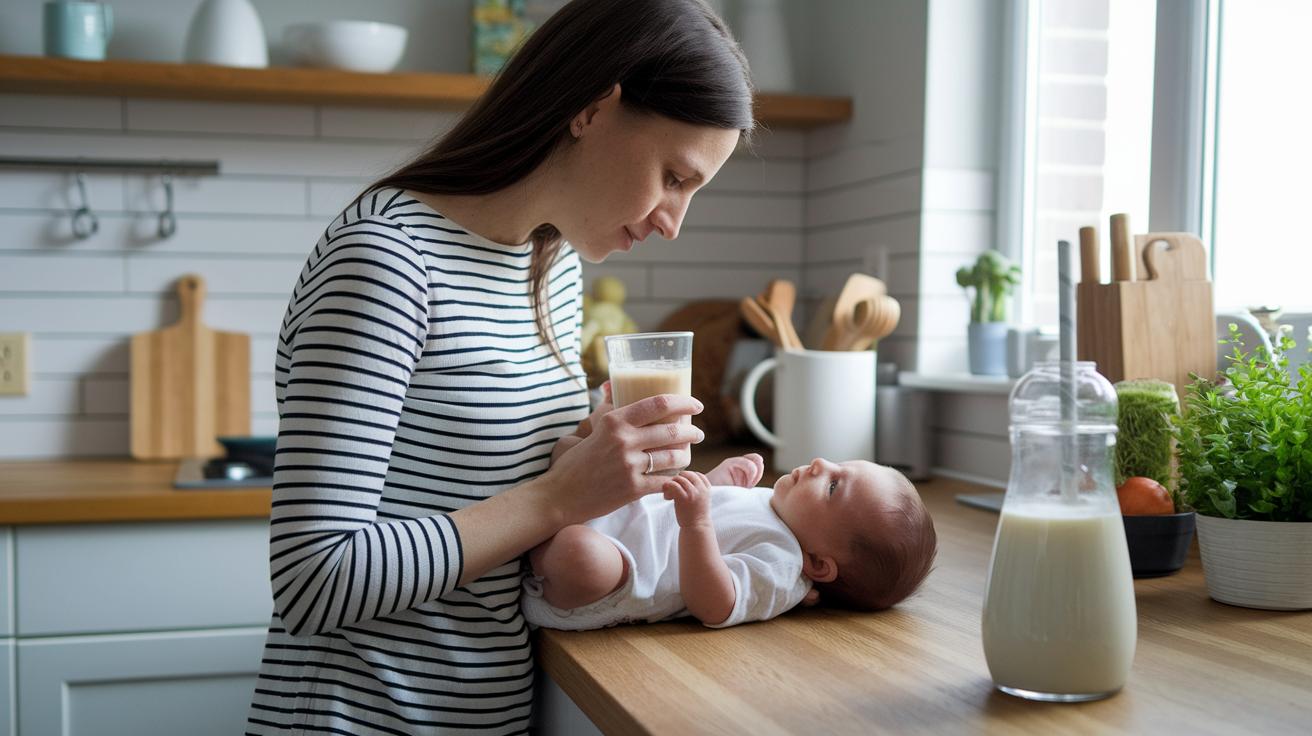
  • LG Innotek unveiled a third-generation automotive 5G Communication Module that supports broadband satellite connectivity (NR‑NTN) with approx 30 MHz bandwidth—a significant advancement over narrowband solutions (~0.2 MHz) 
  • It supports high-speed, high-volume data transmission (e.g. video, voice, real‑time autonomous driving updates) even in remote areas where terrestrial networks are unavailable 
  • Built to 3GPP Release 17 standards, mass production is slated for Q1 2026, with OEM discussions underway in North America and Japan
  • LG aims to grow that module business to ~USD 800 million, with global deployment in mind 

 2. u‑blox debuts its first automotive‑grade Wi‑Fi 7 module (RUBY‑W2)

  • u‑blox introduced the RUBY‑W2, its first automotive-grade Wi‑Fi 7 module, designed for infotainment, telematics, and firmware‑over‑the‑air (FOTA) updates 
  • The module delivers higher throughput, supports more concurrent users, and offers low latency, enhancing in-car video, audio, and gaming experiences 
  • It features 2×2 MIMO Multi-Link Operation (MLO) across 5 GHz and 6 GHz bands, plus integrated Bluetooth 5.4 for audio and connectivity use cases 
  • Early samples are already available, signaling imminent adoption for next-gen connected vehicles 

List of Key Automotive WIFI Communication Module Manufacturers

  • Qualcomm Technologies (U.S.)
  • Harman International (Samsung) (South Korea)
  • NXP Semiconductors (Netherlands)
  • Infineon Technologies (Germany)
  • Marvell Technology (U.S.)
  • Quectel Wireless Solutions (China)
  • Fibocom Wireless (China)
  • Renesas Electronics (Japan)
  • Murata Manufacturing (Japan)
  • LM Technologies (U.K.)

Segment Analysis:

By Type

WiFi 6 Module Segment Leads Due to Higher Bandwidth and Lower Latency for Connected Vehicles

The market is segmented based on type into:

  • WiFi 6 Module
    • Subtypes: Single-band, Dual-band, and others
  • WiFi 5 Module
  • Others
    • Including legacy WiFi 4 and emerging WiFi 7 technologies

By Application

Passenger Vehicle Segment Dominates Owing to Increasing Demand for In-Vehicle Connectivity

The market is segmented based on application into:

  • Commercial Vehicle
  • Passenger Vehicle

By Connectivity

V2X Communication Segment Shows Rapid Growth for Improved Road Safety

The market is segmented based on connectivity into:

  • Vehicle-to-Vehicle (V2V)
  • Vehicle-to-Infrastructure (V2I)
  • Vehicle-to-Pedestrian (V2P)
  • Vehicle-to-Cloud (V2C)
  • Vehicle-to-Grid (V2G)

By Vehicle Type

Electric Vehicles Segment Gains Traction with Smart Charging Solutions

The market is segmented based on vehicle type into:

  • Internal Combustion Engine Vehicles
  • Electric Vehicles
    • Subtypes: BEV, PHEV, HEV
  • Autonomous Vehicles

Download Free Sample Report: https://semiconductorinsight.com/download-sample-report/?product_id=103011

About Us:

Semiconductorinsight has been a leading aggregator and consulting provider of semiconductor industry market research reports since 2016, offering high-quality, reliable, and timely reports and consulting services to our clients. 

Services Offered

  1. Market Reports:
    • Comprehensive and data-driven reports offering deep dives into specific segments of the semiconductor industry.
    • Forecasts and trends analysis backed by robust methodologies and historical data.
  2. Custom Research:
    • Tailored research solutions addressing unique business challenges and opportunities.
    • Market entry strategies, competitive benchmarking, and M&A advisory.

CONTACT US:
City vista, 203A, Fountain Road, Ashoka Nagar, Kharadi, Pune, Maharashtra 411014
[+91 8087992013]
help@semiconductorinsight.com