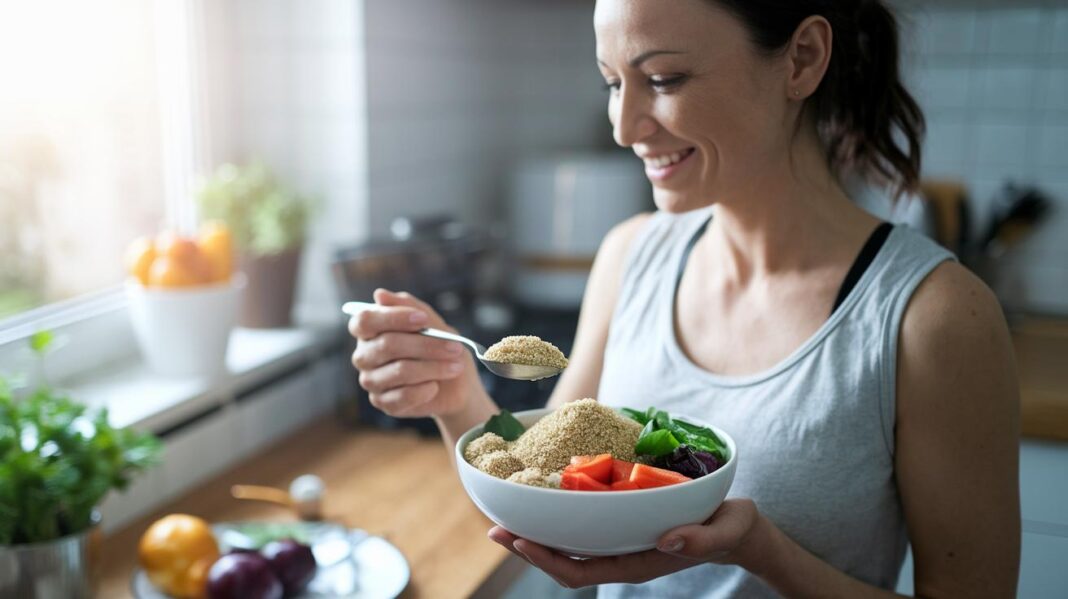
Have you ever felt unsure if you're getting enough protein while you're expecting? Imagine each protein-packed meal as placing a solid brick to build a safe, strong home for you and your little one. Protein helps repair your body tissues, gives you more red blood cells, and keeps your energy steady during all the changes of pregnancy. In this post, we explore seven great protein sources that can help you feel your best. So, let's dive into some simple, tasty ideas to easily add these nutrients to your everyday meals.
Pregnancy Protein Essentials for Maternal Nutrition
Protein is key during pregnancy. Most moms need about 60 grams each day, plus an extra 25 grams on top of what you’d usually need if you weren’t pregnant. This nutrient helps your body grow stronger, repair tissues, and make extra red blood cells that keep your energy up. Think of it like laying down bricks for a strong home, each meal with good protein gives your body the support it needs.
Importance of Protein in Maternal Health:
Protein does so much for you. It helps fix and rebuild body tissues, supports red blood cell production, and keeps your energy steady, which is really handy when you’re balancing all that pregnancy brings. Foods like lean meats, eggs, dairy, and beans are great choices because they offer complete amino acids along with important nutrients like iron and vitamin B12. If you ever feel unsure about your protein needs, checking personalized prenatal tips can be a great help. Try a little swap today, perhaps a bit of lean chicken or a serving of hearty beans, and enjoy that extra burst of energy.
Protein’s Role in Fetal Development:
For your baby, protein is like a building block. It helps shape a healthy brain, organs, and muscles by supplying key nutrients such as choline and B vitamins. Picture a little artist carefully molding clay into a beautiful sculpture, that’s your body working with each serving of protein to build a strong and healthy future for your little one.
Animal vs Plant-Based Protein Sources for Expectant Mothers
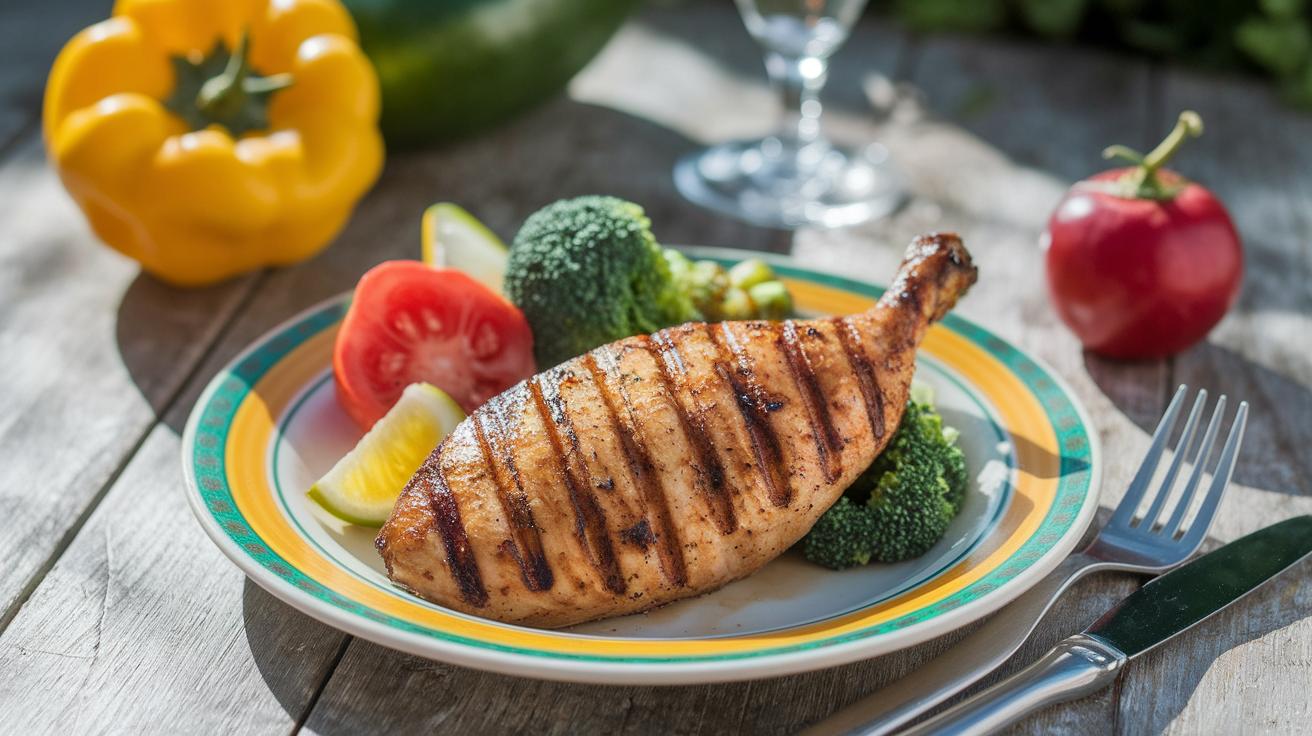
Lean meats like extra-lean red meat and skinless poultry provide great protein along with nutrients such as iron and vitamin B12. They help boost your energy and build the extra blood your body needs when you're expecting. How about enjoying a grilled chicken dinner as a hearty and satisfying part of your everyday meals?
Fish and seafood do more than deliver protein, they also bring Omega-3 fatty acids to the table, which help support your baby's brain and eye development. Choosing low-mercury fish like salmon or cod ensures you get balanced benefits while keeping safety in mind. Imagine a delicious fish bake that not only tastes amazing but also nurtures your little one's growth.
Eggs are wonderfully versatile, offering complete amino acids plus choline and B vitamins (super important for brain development and overall health). Whether you like them scrambled, hard-boiled, or however you prefer, eggs are a quick, tasty protein pick-me-up for those busy days that many expectant moms can relate to.
Legumes and pulses, including beans, lentils, and chickpeas, are another excellent source of protein. They also pack fiber, iron, and folate that you and your baby need. A colorful bean salad or a warm bowl of lentil soup can brighten your meal plan with variety and comforting flavors.
Dairy foods like milk, yogurt, and cheese are not only great protein sources but also offer essential calcium for strong bones and teeth. Picture a chilled glass of low-fat milk or a creamy serving of yogurt, both refreshing and nourishing for you and your baby.
Nuts, seeds, tofu, tempeh, and quinoa round out your options, delivering complete proteins along with healthy fats and extra minerals. These ingredients are easy to mix into your favorite salads or smoothies, helping you keep a balanced and varied diet.
| Protein Source | Key Nutrients | Protein per Serving (g) |
|---|---|---|
| Lean Meats | Iron, Vitamin B12 | 22-25 |
| Fish/Seafood | Omega-3s, Protein | 20-23 |
| Eggs | Choline, B Vitamins | 6-7 |
| Legumes | Fiber, Iron, Folate | 7-9 |
| Dairy | Calcium, Protein | 8-10 |
| Nuts/Seeds & Soy | Healthy Fats, Complete Protein | 5-8 |
Recommended Protein Intake Guidelines During Pregnancy
The Institute of Medicine recommends that each pregnant mom aims for about 1.1 grams of protein for every kilogram of her weight. So, if you weigh around 70 kilograms (about 154 pounds), you’d need roughly 77 grams of protein each day. This simple guide helps you get the right nutrients for tissue repair and energy, supporting both you and your baby's health.
As your pregnancy continues, your protein needs gently rise. In the first trimester, 60 grams a day is a good start. By the second trimester, you might target around 70 grams, and in the final trimester, going for about 75 grams daily is just right. This gradual increase matches the growing needs of your body and your baby.
It’s a good idea to spread your protein intake out over the day. Try eating three to four meals and include a few healthy snacks too. Imagine pairing a lean protein snack with some whole grains or fresh veggies. Every bite helps keep your energy up and your blood sugar steady. It’s a little win with each meal, nurturing your body and aiding your baby’s development.
7 Best proteins for maternal nutrition: Feel Great
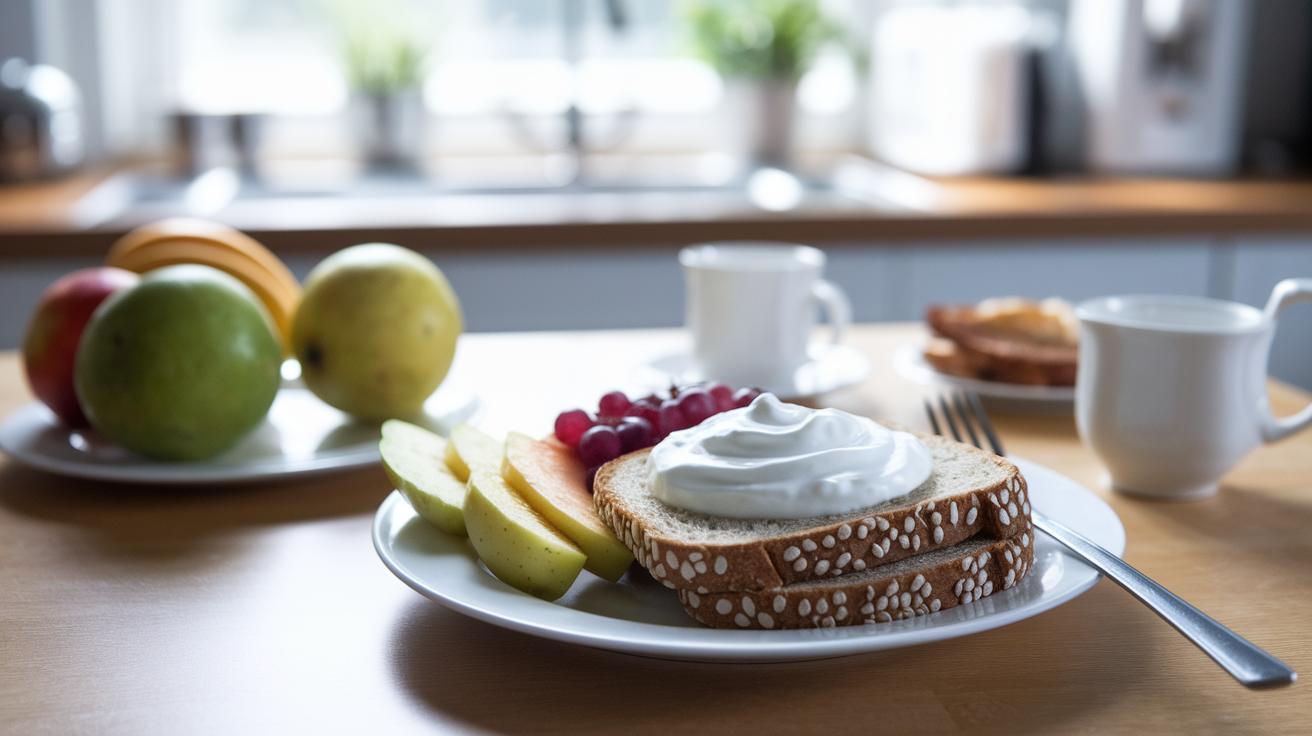
Try to add protein to your meals and snacks throughout the day. It helps keep your energy steady and supports your body as it heals, builds new cells, and stays strong. For instance, imagine starting your day with a small bowl of Greek yogurt or a scrambled egg with whole-grain toast. This simple change not only keeps hunger at bay but also gives you a calm, lasting energy boost. Each bite is a chance to care for yourself and feel great.
Here’s an example of a daily meal plan that offers about 70 grams of protein. Begin with breakfast, 1/2 cup of oats made with 1 cup of low-fat milk gives you around 14 grams of protein. For lunch, try a 4-ounce serving of grilled chicken or fish, which adds roughly 30 grams. At midday, a snack like 1/4 cup of cottage cheese or a tofu smoothie provides about 10 grams. Then, enjoy a dinner featuring a hearty lentil and quinoa bowl to round out an extra 20 grams. This plan gives you a balanced mix of protein to support both your health and your baby’s growth during pregnancy.
Sometimes you might need a quick snack to lift your energy. How about mini tuna melts for when you’re on the go? They deliver lean protein and a burst of flavor when you need it most. Egg-spinach bites, baked until just set, offer a gentle protein hit while roasted chickpeas bring a satisfying crunch along with fiber. You could also prepare a Greek yogurt parfait layered with fresh berries, or blend a tofu smoothie with a touch of mango and spinach for a refreshing treat. Even a small bowl of cottage cheese with sliced fruit adds about 10 grams of protein, helping you keep your day running smoothly.
Special Considerations: Supplements and Food Safety for Maternal Protein Intake
Protein powders can be a simple way to boost your protein when your doctor says it’s okay. Many prenatal formulas mix 25 important nutrients, including protein, to support both you and your baby. Always have a chat with your doctor or a prenatal dietitian before you add any supplement. Imagine stirring up a protein shake made just for you and getting a reassuring smile from your trusted healthcare provider. It’s a little reminder that personal advice can keep things running smoothly during this precious time.
Some foods can be risky for you and your little one. It helps to avoid raw or undercooked meats, unpasteurized dairy, raw eggs, and seafood known for high mercury levels. Instead, go for low-mercury options like salmon or cod and extra-lean cuts of red meat. Think of it as preparing a meal where every ingredient has been carefully checked for safety, a light, sizzling salmon dish with a side of steamed veggies that not only tastes great but also keeps mercury in check. With these careful steps and guidance from your prenatal dietitian, you can enjoy a healthy and safe eating plan throughout your pregnancy.
Final Words
In the action, you're now aware that protein keeps both mom and baby strong. The post showed how different sources, from lean meats to plant-based snacks, help boost energy and tissue growth. We also explored meal plans that spread protein evenly throughout the day and touched on safe supplement practices. Every tip brings you closer to a fulfilling diet that supports every stage of development. For best results, choose from the Best proteins for maternal nutrition and keep moving forward with confidence!
FAQ
What should a 1 to 3 month pregnancy diet chart include?
A 1 to 3 month pregnancy diet chart includes a mix of nutrient-rich foods, emphasizing protein, whole grains, fruits, and vegetables while avoiding high-risk items to support early maternal and fetal needs.
What are the best forms of protein for pregnant mothers?
The best forms of protein are lean meats, low-mercury fish, eggs, dairy products, legumes, and soy-based alternatives that provide complete amino acids and essential vitamins for both mother and baby.
What should I consider when choosing a protein supplement during pregnancy?
When choosing a protein supplement, it’s best to opt for options approved by your healthcare provider, such as protein powders or prenatal formulas, to support overall maternal nutrition safely.
What is the best time to take protein powder in pregnancy?
The best time to take protein powder is post-workout or between meals to help maintain a steady protein supply, always following your doctor’s advice for safe use during pregnancy.
How can I tell if I have protein deficiency during pregnancy?
Protein deficiency during pregnancy can show as fatigue, weakened immunity, or slower healing, signaling that both your well-being and your baby’s development might be impacted without enough protein.
What are the effects of not getting enough protein during pregnancy?
Not getting enough protein can affect tissue growth, reduce red blood cell production, and hinder fetal brain and organ development, which may compromise overall health during pregnancy.
Are there pregnancy foods I should avoid?
Pregnancy foods to avoid include raw or undercooked meats, unpasteurized dairy, raw eggs, and high-mercury fish, ensuring you lower risks and maintain balanced protein intake for you and your baby.