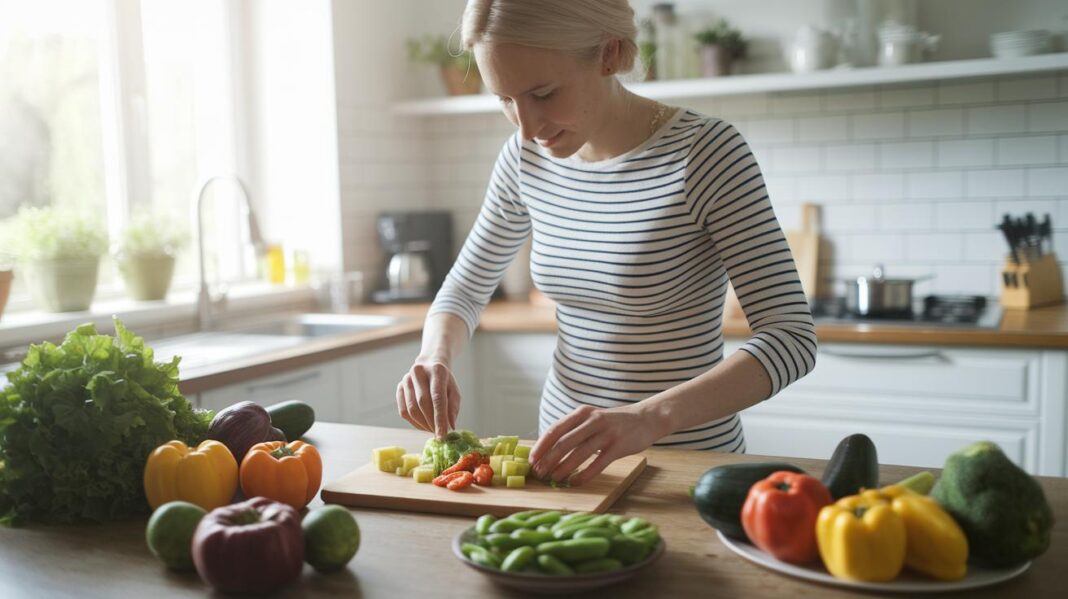
Have you ever thought about how the food you eat might give you more energy and help your baby grow strong? For first-time moms, planning your meals isn’t just about counting calories, it’s a way to care for both you and your little one.
Imagine your body as a car that needs a little extra fuel for a long trip. Even small changes, like adding a few extra calories and choosing balanced meals, can really set you up for good health. This guide shares simple, caring tips to help you feel vibrant all day.
Comprehensive Nutritional Planning for First-Time Mothers
Becoming a new mom means your body works extra hard to give your baby the very best start. As you move through the second and third trimesters, try adding about 300 extra calories every day. Think of it like filling up your car before a long trip, you need that extra boost to keep going strong. One mom even said, "I felt more energetic after I began including a bit more in each meal," showing that little changes can make a big difference.
Mixing the right kinds of foods is just as important. Aim to get about 50% of your calories from carbohydrates, 20% from protein, and the remaining 30% from healthy fats. This balance helps build your tissues, supports muscle recovery, and gives you lasting energy. Picture a plate with whole grains, lean proteins like chicken or tofu, and a touch of avocado or olive oil, it’s a meal that satisfies and nurtures you at the same time.
Staying hydrated is key too. Try to drink 8 to 10 cups of water each day, just like you’d water a garden to see it thrive. Keeping your caffeine intake below 200 mg daily can help as well, a 12-oz cup of coffee might hit that limit. Plus, including two to three servings of low-mercury fish each week adds precious omega-3 fats to your diet.
Altogether, this meal strategy acts like a nutrition roadmap as you begin your motherhood journey. With balanced recipes and gentle guidelines, you’re set to care for both your body and your baby.
Essential Vitamins and Minerals for First-Time Mothers
Taking in the right vitamins and minerals is a gentle way to care for both you and your baby as they grow. Foods rich in iron, like lentils, dark leafy greens, and lean meats, help keep anemia at bay. One mom even mentioned how a warm bowl of bean and spinach soup lifted her energy and kept her iron levels strong.
Calcium is another key nutrient. Dairy, fortified plant milks, or tofu help build strong bones, which is especially important when your body isn’t making as much estrogen. I remember a mom saying, “I mix a bit of fortified almond milk into my smoothie, and it really makes me feel supported.”
Omega-3 fatty acids play their part in your baby’s brain development too. Think about adding salmon, sardines, or a sprinkle of flaxseed to your breakfast cereal, it’s an easy trick that brings a little extra nourishment to your day.
Fiber is also important, so try for about 25–30 grams daily by enjoying whole grains, fruits, and vegetables. A simple snack of an apple with some whole-grain crackers can help ease any digestive ups and downs, keeping you comfortable.
And don’t forget your prenatal vitamins until birth. These supplements help fill any gaps in your diet, ensuring you and your baby get the support you need during this special time. With a bit of thoughtful meal planning, you’re creating a nurturing space for both of you to thrive.
Nutritional planning for first-time mothers: Thriving Health
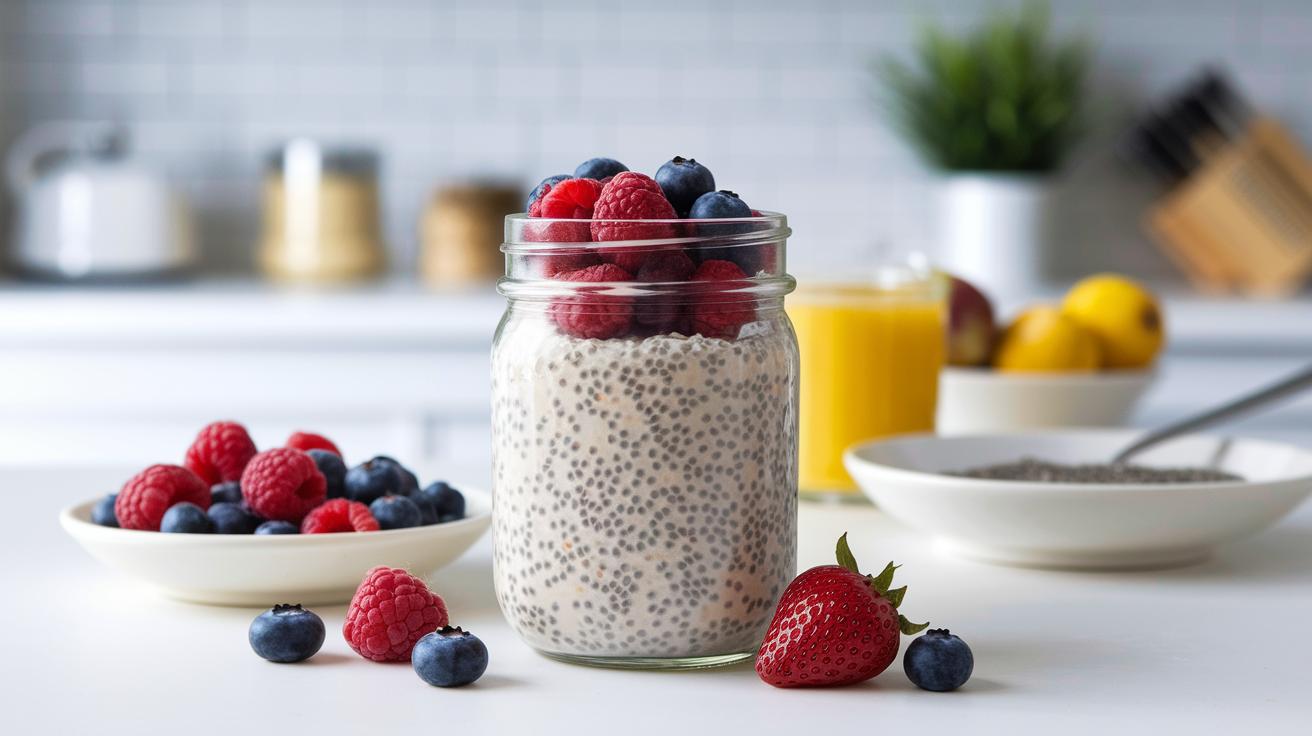
Begin your morning with a taste of joy and energy by making overnight oats topped with berries and chia seeds. Imagine a glass jar filled with creamy oats, juicy berries, and a sprinkle of chia. One mom mentioned, "My mornings feel brighter with this quick, nutritious start." This simple recipe provides the carbohydrates, fiber, and antioxidants you need to start the day feeling lively.
For lunch, try a quinoa and grilled chicken salad. Think of fluffy quinoa mixed with crisp greens and tender pieces of chicken. It’s a satisfying meal that gives you lean protein and whole grains. A little tip: you can cook a big batch of quinoa on the weekend so that you have a healthy base ready the whole week.
When dinner arrives, keep things easy and tasty with a sheet-pan meal featuring salmon, sweet potatoes, and broccoli. Picture laying out pre-cut veggies on a pan, drizzling them with olive oil, and letting everything roast together. This way, dinner becomes stress-free and cleanup is a breeze.
For snacks, energy bites or Greek yogurt parfaits can be your go-to treats between meals. You can quickly whip up energy bites using oats, nuts, and a drizzle of honey, while Greek yogurt layered with fresh fruits offers a refreshing, nourishing bite.
On busy days, consider spending a little extra time during the weekend cooking a batch of soups or stews. Storing these in freezer-friendly portions means you’ll always have wholesome meals ready, even when life gets hectic. Dedicating just a couple of meal-prep sessions each week can make healthy eating both fun and manageable.
Managing Pregnancy-Related Nutritional Challenges for First-Time Mothers
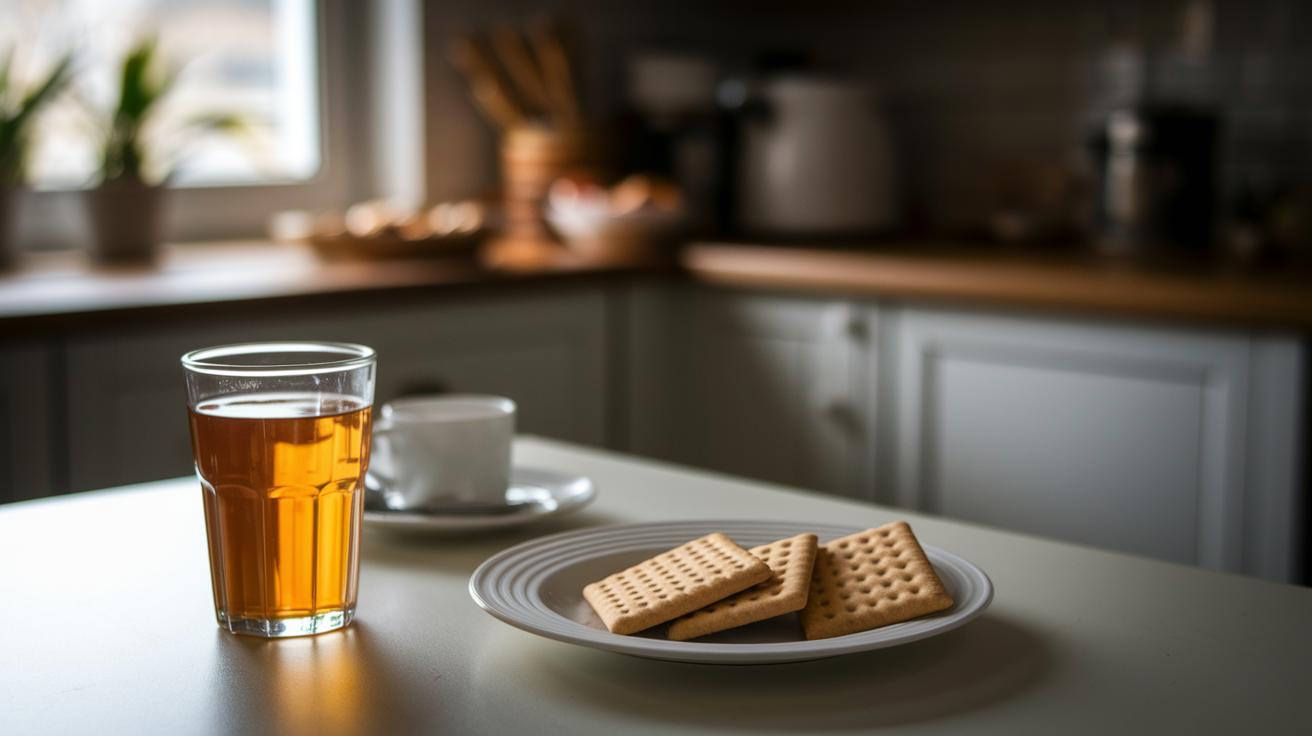
Sometimes pregnancy brings little discomforts like nausea or heartburn, and a few small tweaks to your meals can really help. When nausea hits, try grabbing some plain crackers along with a warm cup of ginger tea. One mom even said, "A few crackers helped calm my tummy when nothing else worked!" It’s a simple trick that can make those early, shaky moments feel a bit easier.
If heartburn is bothering you, consider eating smaller, more frequent meals. Steer clear of spicy or fatty foods, which might make things worse, and choose balanced options instead. For smoother digestion, aim for about 25–30 grams of fiber a day by enjoying whole grains, fruits, and veggies. And don’t forget to drink plenty of water, it works with fiber just like water helps to soften your favorite snack.
For those managing gestational diabetes, picking foods with a low glycemic index can be a big help. Enjoy foods like legumes, whole grains, and non-starchy vegetables. When you crave something sweet, a combo of fresh fruit and a handful of nuts might be just what you need to satisfy your taste buds without spiking your blood sugar.
- Beat nausea with plain crackers and ginger tea.
- Ease heartburn by enjoying small, frequent meals.
- Boost your digestion with fiber-rich foods and plenty of fluids.
- Manage gestational diabetes by choosing low-GI foods.
Safe Food Selections and Nutritional Precautions for First-Time Mothers
When you're picking your meals, it’s all about caring for you and your little one. You want foods that are both nutritious and safe. For instance, try to keep caffeine under 200 mg a day, that’s about one 12-ounce cup of coffee. I once heard from a busy mom who said she switches to decaf after 10 AM to help settle her evenings.
When planning your meals, think about adding low-mercury fish like salmon or sardines two to three times a week. They gently boost your baby’s brain growth with omega-3 fats. Imagine enjoying a lightly grilled salmon dinner that nourishes both you and your baby without worrying about too much mercury.
Food safety also means being mindful with dairy and deli items. It’s best to pick pasteurized cheeses and warm up deli meats until they reach 165°F. One mom mentioned that reheating her turkey slices a bit longer really helped her feel secure about what she was eating.
And when you can, choose organic fruits and vegetables. They help reduce your exposure to pesticides, making every meal a little gentler on your body.
- Keep caffeine under 200 mg per day.
- Opt for low-mercury fish like salmon or sardines two to three times per week for their omega-3 benefits.
- Avoid high-mercury fish such as swordfish and king mackerel.
- Choose pasteurized cheeses and heat deli meats to 165°F.
- Select organic fruits and vegetables to lower pesticide exposure.
Strategic Snacking in Nutritional Planning for First-Time Mothers
When you plan your meals, think about including smart snacks that keep you energized. It’s a great way to add extra nutrition without a fuss.
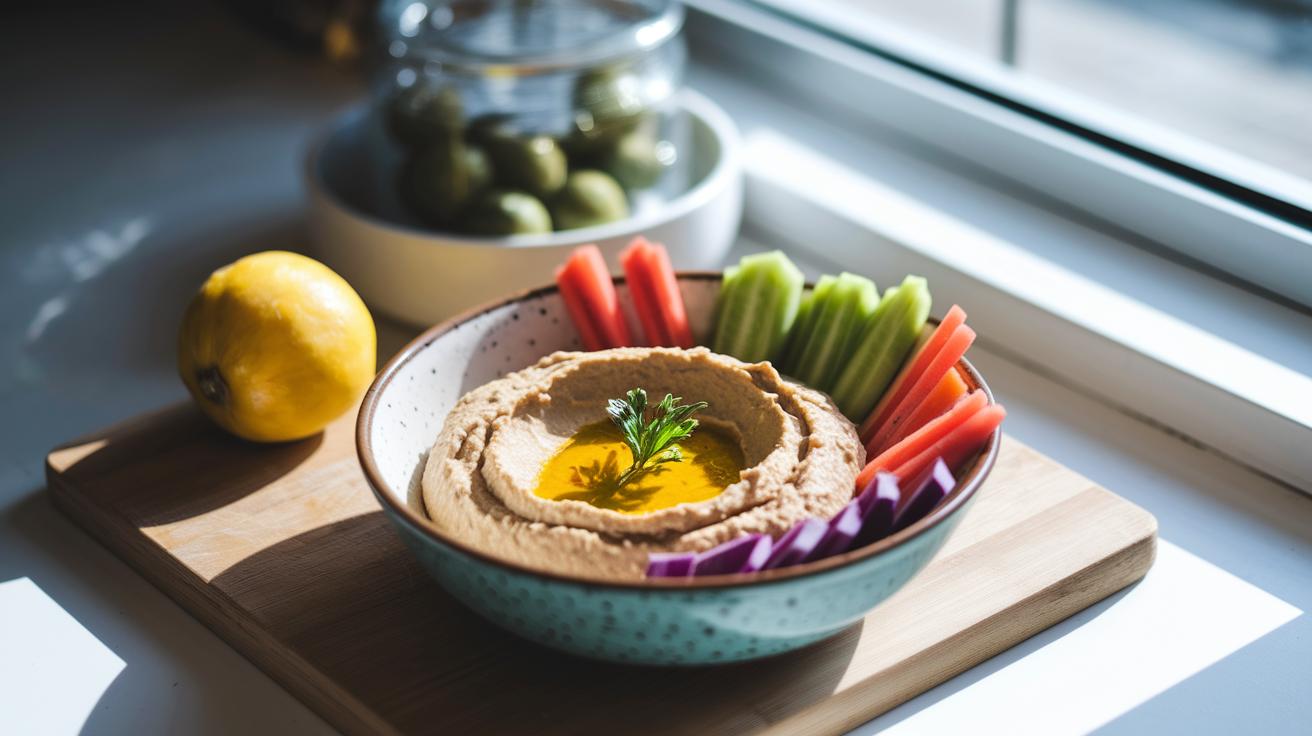
Try having a bowl of hummus with some sliced veggies like carrot sticks. Imagine that crunch–it gives you a burst of flavor that’s both tasty and refreshing.
Another idea is to grab a handful of trail mix. This little bowl of nuts and dried fruits can lift your mood and keep you going through a busy day.
Or, if you’re in the mood for something creamy, enjoy a slice of cheese with whole-grain crackers. This snack gives you a nice blend of protein and fiber to help balance your energy.
As you snack, take a moment to eat slowly and really savor each bite. Enjoying your food this way not only makes it taste better but also helps your body digest well.
Final Words
In the action of taking charge of your nutritional health, essential tips have been shared along every step, from meeting your daily calorie targets and balancing macronutrients to choosing key vitamins, minerals, and safe food options. Practical meal plans and hydration strategies provide a clear path forward. This guidance is designed to support nutritional planning for first-time mothers while making everyday eating a delightful part of well-being. Embracing these ideas brings comfort and inspires a positive approach to maternal care.
FAQ
What does nutritional planning for first-time mothers PDF cover?
The nutritional planning for first-time mothers PDF covers balanced meal guidelines, proper calorie increases, appropriate macronutrient ratios, hydration goals, and food safety practices to support both maternal wellness and fetal development.
What to eat after giving birth and while breastfeeding?
The advice on what to eat after giving birth and while breastfeeding focuses on nutrient-dense meals that include lean proteins, whole grains, fruits, and vegetables along with plenty of fluids to support recovery and milk production.
What food is recommended after delivery for an Indian mother?
The food recommended after delivery for an Indian mother typically includes warm, easily digestible dishes enriched with lean proteins, whole grains, and familiar spices that help with recovery and honor traditional dietary practices.
What should new moms eat after delivery?
The guidance on what food new moms should eat after delivery emphasizes balanced, nutrient-rich meals that boost healing, provide energy, and offer essential vitamins and minerals while keeping meals simple and satisfying.
What constitutes healthy food for new moms after delivery?
The concept of healthy food for new moms after delivery involves colorful, balanced meals featuring a mix of proteins, fruits, vegetables, and whole grains that help restore energy levels and support post-birth recovery.
What does a typical postnatal diet PDF include?
The typical postnatal diet PDF includes detailed meal plans, hydration recommendations, and food safety tips designed to support lactation, healing, and overall nutritional balance for mothers after childbirth.
What diet is advised for new mothers after cesarean delivery?
The recommended diet for new mothers after cesarean delivery emphasizes easy-to-digest and nutrient-rich foods, including lean proteins, fiber, and vitamins, while carefully balancing hydration to support surgical recovery.
What postpartum foods should be avoided?
The list of postpartum foods to avoid consists of items high in caffeine, unpasteurized products, overly spicy dishes, and high-fat foods, all of which may disrupt recovery and affect milk production.
What is a healthy diet for a new mother?
The notion of a healthy diet for a new mother involves eating well-balanced meals with lean proteins, fresh fruits and vegetables, whole grains, and sufficient fluids to maintain energy and enhance recovery after childbirth.
How can first-time moms have a healthy pregnancy?
The approach to having a healthy pregnancy for first-time moms centers on balanced eating, proper caloric intake, routine hydration, and consistent adherence to prenatal nutritional guidelines that benefit both mom and baby.
What foods should a new mom focus on eating?
The foods a new mom should focus on include lean proteins, whole grains, fruits, vegetables, and dairy, all of which supply key nutrients to support energy levels and overall recovery after delivery.
What should a pregnant woman’s nutritional planning include?
The nutritional planning for a pregnant woman should include balanced macronutrient distribution, increased calorie intake in later trimesters, sufficient hydration, and attention to food safety, all aimed at nurturing maternal and fetal well-being.