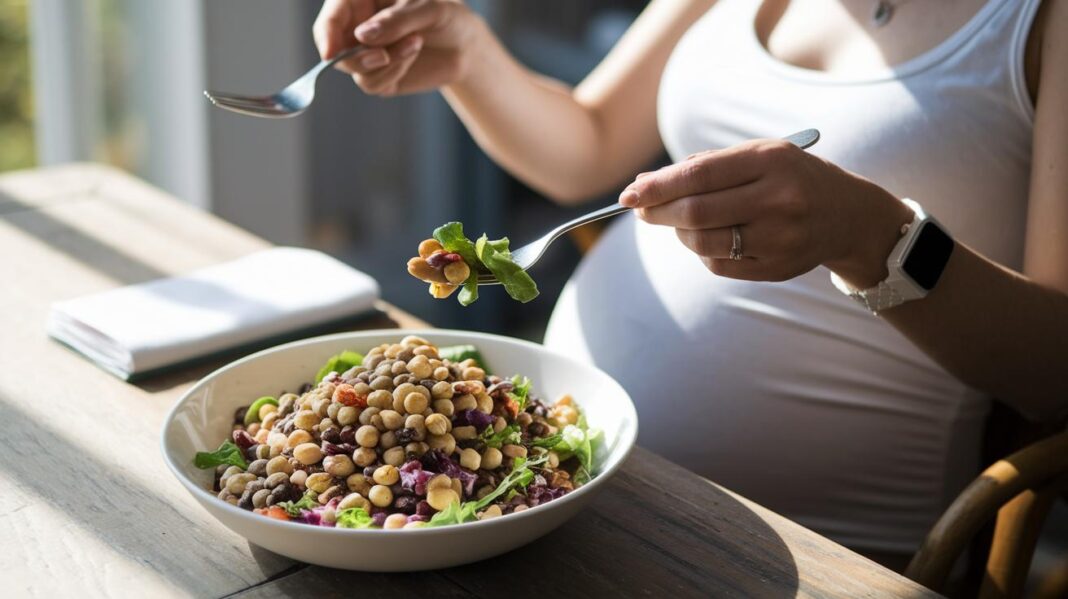
Have you ever thought that a simple bowl of beans might brighten your day during pregnancy? Legumes are really amazing little foods. They give you protein, iron, and important vitamins to keep you and your baby feeling strong and full of energy.
I’ve seen many moms mix lentils, chickpeas, and split peas into their meals and feel a sweet lift right then. Imagine enjoying a warm meal that not only tastes good but also helps your body get what it needs.
In this piece, we look at how these everyday beans can boost your well-being and add a little comfort to your day.
Legumes’ Core Benefits for Maternal Nutrition
When you're pregnant, it can feel like getting enough protein, iron, and vitamins is a constant challenge. Legumes are here to help, acting as nutrient-packed powerhouses that deliver plenty of plant-based protein. They also bring along carbohydrates, fiber, and key micronutrients that boost both your health and your baby’s development. Imagine a cozy bean salad at lunchtime, a simple dish that not only fills you up but also bridges those nutritional gaps.
Common legumes like lentils, chickpeas, and split peas are true nutrition champions. Lentils provide about 9 grams of protein along with important iron to support healthy blood production for you and your little one. Chickpeas and kidney beans add folate and calcium to your meals, while split peas bring fiber and essential natural compounds to the mix. These goodies help keep your energy steady, support a happy tummy, and make it easier for your body to absorb other nutrients during pregnancy. Think about a warm bowl of chickpea stew on a busy day, it’s a comforting way to stay nourished.
A study done in 2023 using WIC ITFPS-2 data discovered that early consumption of legumes improved nutrient profiles in toddlers. Even though the research was with little ones, the results show that the benefits of legumes carry over to prenatal care too. Many moms find that by adding more legumes into their diet while pregnant, they feel more energized, balanced, and overall well.
Protein and Micronutrient Gains from Lentils, Beans, and Peas in Pregnancy
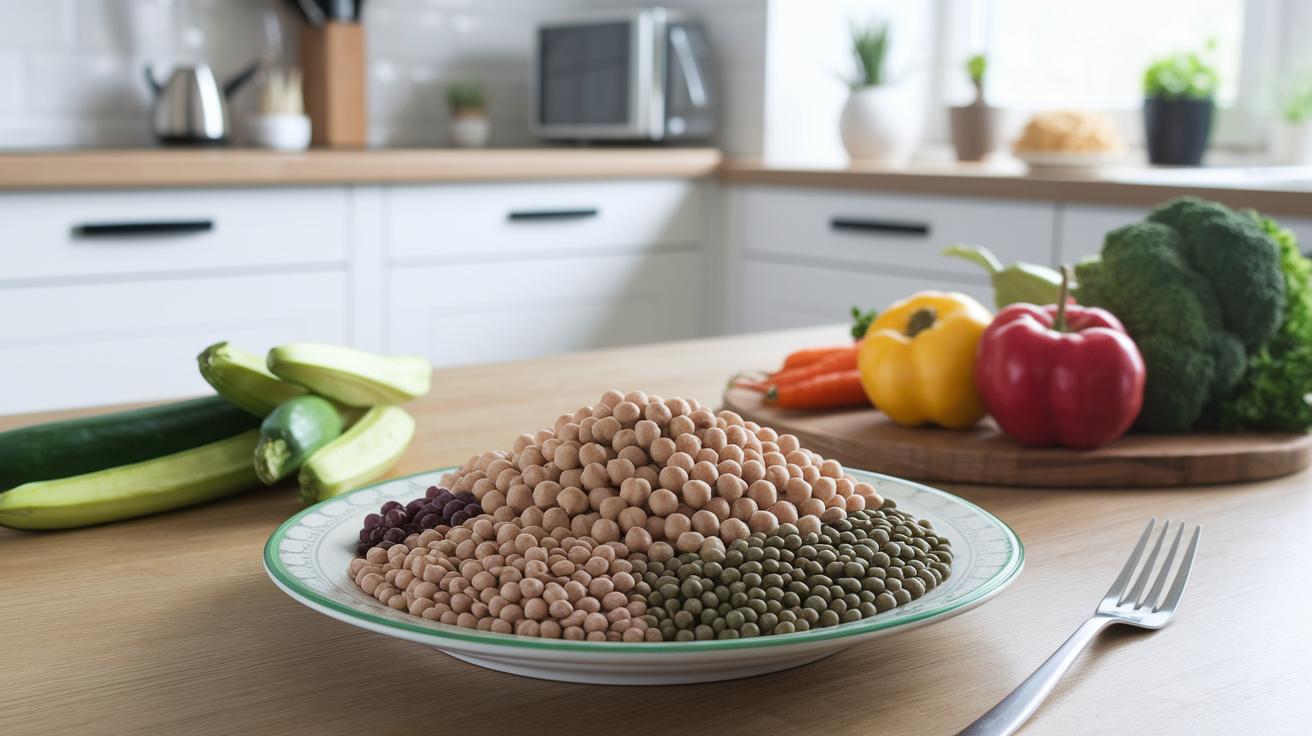
Legumes like lentils, chickpeas, and split peas are friendly helpers in your daily meals. They offer about 7–9 grams of protein per 100 grams when cooked and pack around 2–4 milligrams of iron per 100 grams. This plant-based iron is key for making red blood cells (which are like tiny energy couriers). When you add a bit of vitamin C from fruits or veggies, your body soaks it up even better, giving you more energy and keeping both you and your little one happy.
These beans and peas aren’t just nutritious, they're gentle on your tummy and easy to add to your favorite recipes. Here’s a quick peek at some popular ones:
| Legume | Protein (per cup cooked) | Iron (approx.) | Folate |
|---|---|---|---|
| Lentils | 9 g | 3.3 mg | 181 µg |
| Split peas | 8 g | 2.5 mg | 134 µg |
| Black beans | 7 g | 2.1 mg | 128 µg |
| Kidney beans | 7.5 g | 2.6 mg | 111 µg |
These nutrients work together in magical ways. The protein helps build your body and keeps you strong, while the iron is important for making healthy blood. Folate, a special B vitamin, supports your baby’s brain and spinal cord as they grow. It’s like setting a gentle foundation for a smile each day.
So, adding these legumes to your meals is a simple, tasty way to care for yourself and your baby. Next time you’re cooking, consider tossing some lentils or beans into your favorite dish. It’s a small step that really makes a big difference!
Legume Fiber and Glycemic Control for Expectant Mothers
Legumes offer a wonderful mix of two types of fiber: one that dissolves in water and one that does not. The soluble fiber turns into a gel-like substance in water, slowing down how fast your body digests food and helping keep your blood sugar steady. The insoluble fiber, on the other hand, adds bulk and helps your tummy move things along smoothly. Together, they make you feel full and support your digestion throughout your pregnancy.
Lentils and chickpeas are especially kind to your body because they have a low score on the glycemic index. Lentils score between 21 and 29, while chickpeas sit at about 28 to 36. This means they provide energy slowly and help manage your blood sugar levels, which might lower the risk of gestational diabetes. Their natural ability to keep you satisfied makes them a smart choice for eating well during pregnancy.
| Legume | Glycemic Index (GI) | Benefit |
|---|---|---|
| Adzuki beans | 25 | Supports steady energy |
| Fava beans | N/A | Helps with digestion |
| Chickpeas | 28-36 | Helps keep cravings down |
Adding these foods to your meals can help keep your energy and blood sugar steady while looking after your gut. It’s a gentle way to maintain a nourishing diet that benefits both you and your baby.
The role of legumes in maternal nutrition shines
Meal planning as an expectant mom can be both fun and creative, especially when you use cultural and seasonal ingredients. Legumes are a great way to add flavors from around the world to your meals. Whether you’re mixing up a warm curry, a fresh salad, a hearty stew, or a zesty dip, legumes bring cheerful taste and essential nutrients like protein, carbohydrates, and vitamins to the table. Imagine enjoying a spicy bean curry one night and a cool, crisp salad the next. It’s like treating yourself and your little one to a nutrient-packed gift from nature!
Here are some tasty ideas to try:
- Lentil and spinach dahl with brown rice.
- Chickpea-avocado wrap with fresh herbs.
- Split pea soup with carrots and celery.
- Black-eyed pea salad with tomatoes and cilantro.
- Tempeh stir-fry with mixed vegetables.
Sometimes life gets busy, and that’s when batch-cooking can save the day. You might cook a big pot of legume stew and then divide it into freezer-friendly containers. Having extra servings on hand makes dinnertime less stressful, ensuring every bite is full of comfort and nourishment.
Safe Preparation and Antinutrient Reduction in Pulse Dishes
When you soak your legumes for 8 to 12 hours and then discard the water, you're helping to wash away some of the phytic acid and lectins. This simple step makes it easier for your body to absorb all the good nutrients, especially important during pregnancy (that time when you’re preparing for baby). It’s like giving your beans a little fresh start, rinsing off things that might slow down nutrient uptake.
Sprouting the legumes over 2 to 3 days is another great idea. This process boosts their vitamin C content and wakes up enzymes that help your body make the most of the nutrients. Imagine planting a seed, watching it grow, and knowing each step supports your health during this special time.
- Boil common beans for 15 to 20 minutes after soaking.
- Use a pressure cooker to help them soften thoroughly.
- Keep your kitchen clean to avoid any cross-contamination.
Experts in obstetrics and gynecology back these methods, emphasizing that handling your legumes with care can make all the difference. Even small changes in your cooking routine can really boost your nutritional intake, supporting both you and your baby in a nurturing way.
Evidence-Based Guidelines and Expert Advice on Legumes in Prenatal Nutrition

Both the USDA and WHO suggest including 3–5 cups of cooked legumes each week. They explain that these foods are loaded with protein, iron, and fiber – all key nutrients to keep you feeling steady and healthy during pregnancy.
Many community programs are here to support you. Local health centers, nutrition workshops, and even friendly cooking classes share easy tips for making bean dishes that fit into a busy life. Imagine a cozy class where a kind expert shows you how to create a tasty lentil stew, it’s a warm way to learn and meet other moms. These programs can boost your kitchen confidence and help you stick to good nutritional habits.
For a meal plan that works just for you, it’s a smart idea to chat with a registered dietitian or your OBGYN. Their advice can help you tailor legume-based recipes to match your unique needs, ensuring both you and your baby get the nourishment you deserve.
Final Words
In the action of planning meals, we learned how nutrient-rich legumes can fill nutritional gaps during pregnancy. They offer protein, iron, fiber, and essential vitamins for both mom and baby.
Every step, from safe preparation to creative recipes, helps you enjoy these foods confidently. The role of legumes in maternal nutrition stands out as a simple way to boost wellness and make daily meal planning both practical and delicious. Enjoy experimenting and tasting the benefits!
FAQ
Are legumes good for pregnancy and what benefits do they offer to expectant women?
Legumes prove beneficial during pregnancy by providing protein, fiber, iron, folate, and other essential nutrients that support fetal development, healthy blood, and balanced energy levels for both mother and baby.
What is the role of legumes in human nutrition?
Legumes serve as a valuable food source by delivering protein, fiber, and vital minerals that support overall body functions, helping maintain energy and promoting balanced health with every serving.
How do legumes help to prevent malnutrition?
Legumes help prevent malnutrition by supplying dense, nutrient-rich food that fills dietary gaps. Their consistent inclusion in meals supports healthy growth and offers essential vitamins and minerals.