

Have you ever noticed the joy on your baby's face when they try a new, healthy taste? A little spoonful of smooth pea puree or soft banana mash can spark such wonder. We believe that introducing these gentle foods can help set the stage for a lifetime of good eating habits. Every tiny bite brings in vitamins and minerals that help your child grow strong and happy. Let’s explore some simple tips together to make these first meals both delicious and nutritious.
Key Nutritional Essentials in Healthy Infant Foods
The American Academy of Pediatrics says it's best to feed your baby only breast milk for about six months. When your little one shows signs like steady head control and stops pushing food away with their tongue, it means they're ready for more than milk. Following these gentle hints helps your baby get the right nutrition while slowly getting used to new tastes and textures.
A good baby diet needs a few key nutrients. Iron helps with brain development, healthy fats are important for the brain and nerves, and protein builds strong muscles and repairs tissues. Vitamins A and C are there to boost the immune system, and fiber keeps their tummy happy. Together, these nutrients give energy, support growing bodies, and help set the stage for healthy eating habits later on.
Mixing these nutrients into early purees gives your baby a tasty start. For example, a simple pea puree offers vitamins A and C along with iron, protein, and calcium. Banana puree gives a gentle boost of potassium and fiber for smooth digestion. Baby brown rice cereal is mild and easy on the tummy. Avocado puree, full of good fats, supports nerve function, while baked sweet potato puree adds antioxidants, vitamin A, and fiber. And carrot puree brings a naturally sweet, smooth taste that makes a delightful first bite. Fun fact: Before she learned to walk, Emily loved the bright taste of homemade carrot puree!
Age-Specific Introduction to Healthy Infant Foods
4 to 6 Months
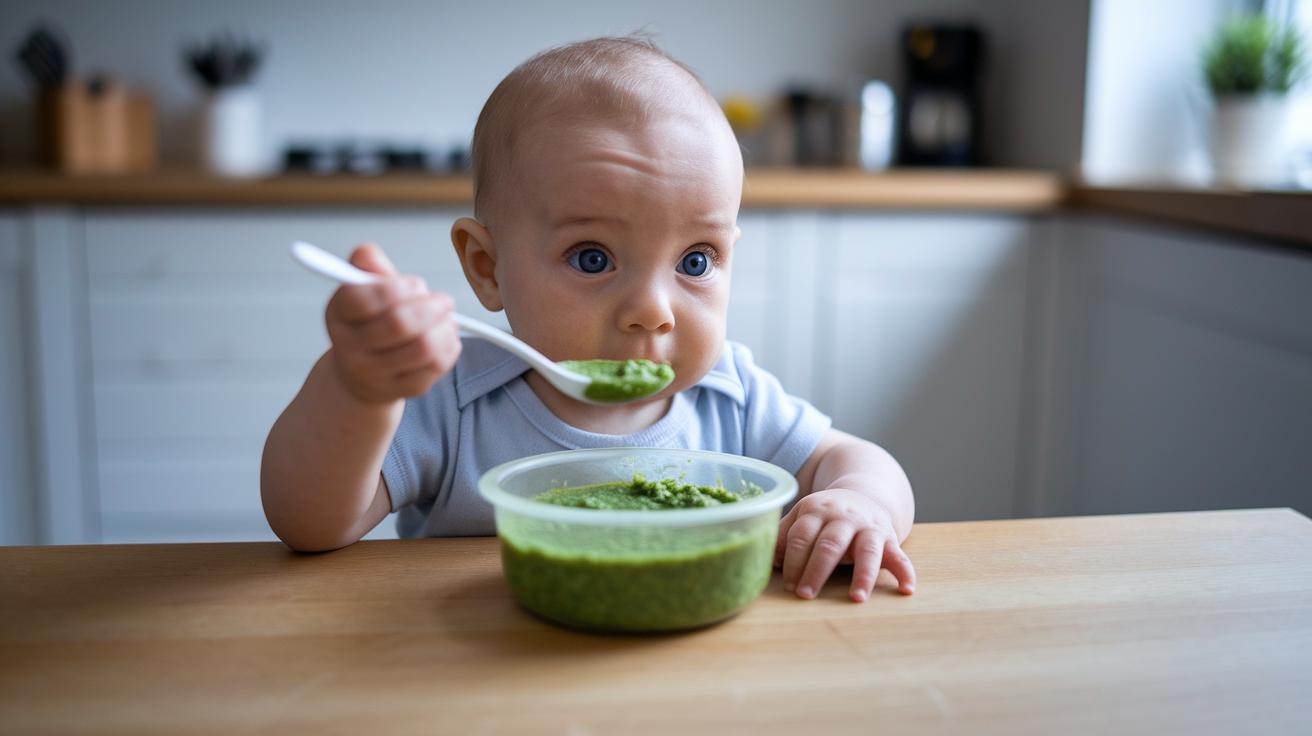
At this stage, your baby is starting to show signs of readiness. You might notice steady head control and a curious glance at your plate. It’s time to introduce simple purees made from one ingredient that are kind to the tummy. Think of a smooth pea puree, a gentle banana mash, or a rice cereal whisked to a soft consistency. Imagine that tiny spoonful as light as a soft whisper on a quiet afternoon, inviting your baby to explore new tastes and textures in a safe, easy way.
7 to 9 Months
Now your little one might be ready for a little more variety. This is the perfect time to try multi-ingredient purees that have a bit more texture and flavor. Consider a blend like pumpkin with a touch of thyme, full of beta-carotene, or a mix of spinach and white yams that packs in calcium and folate. Other mixes, like beet with blueberry or avocado with banana, introduce antioxidants and healthy fats. Picture a spoonful of pumpkin thyme puree that feels like a little taste of autumn, inviting your baby to enjoy a broader range of flavors.
9 to 12 Months
As your baby grows, they may be ready to handle chunkier textures and some new food types, including dairy and finger foods. You might offer savory options such as white fish combined with carrot and leek for brain-supporting DHA, or a hearty quinoa ratatouille rich in protein. Even a gentle baby beef stew or a raw fruit mix with avocado, and just a hint of mild chili, is great for expanding their palate. Imagine the delight as your baby reaches for a soft piece of white fish, experiencing the thrill of discovering more textured meals that support their growing journey.
healthy infant foods Spark Happy Beginnings
We've taken the detailed table with foods like Pea Purée, Avocado Purée, Quinoa Ratatouille, Sweet Potato Purée, and White Fish with Carrot and Leek Purée and placed it in the Key Nutritional Essentials section. This way, everything stays neat and we don't repeat the same details. Please check that section for the full list of nutrients and the recipes.
Safe Preparation Tips for Healthy Infant Foods
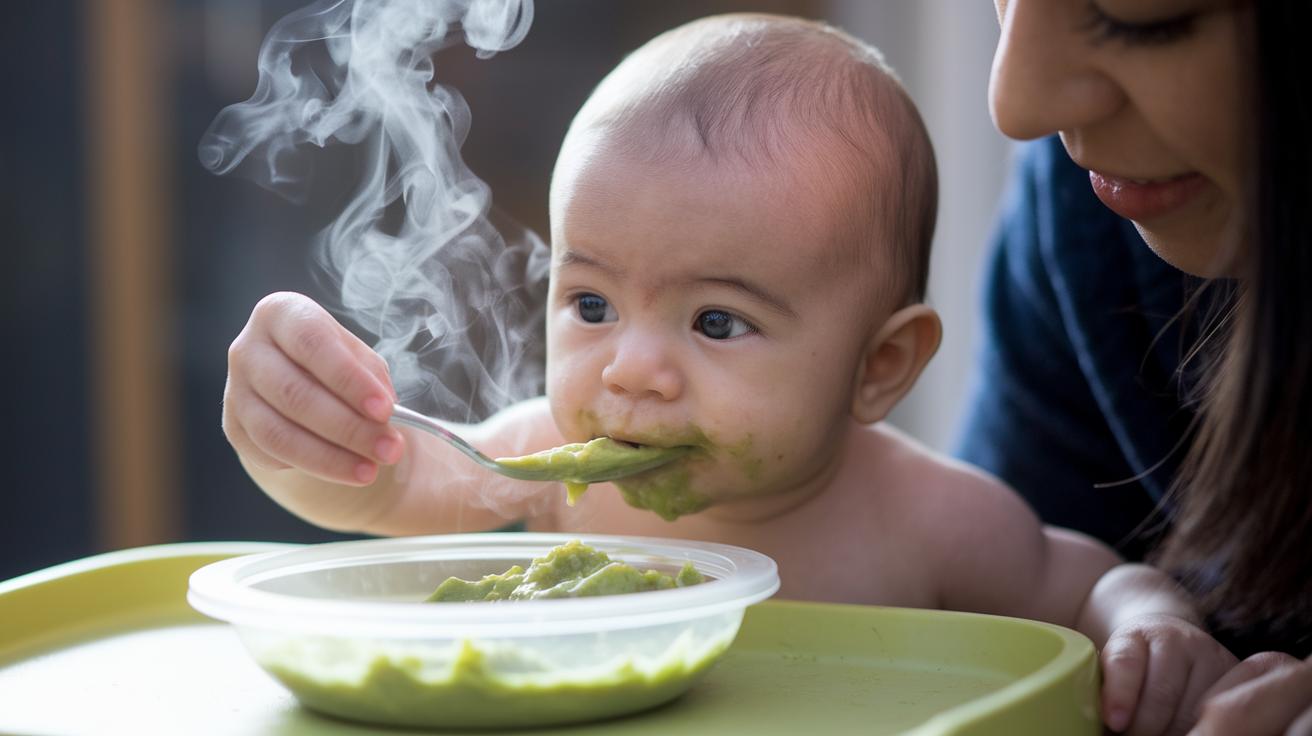
When you’re making homemade purees, trying out simple, safe tips can help lock in the goodness and keep your baby’s food safe. Using gentle cooking methods and careful storage really makes a big difference for your little one.
Start by choosing to steam or bake your fruits and veggies instead of boiling them. These methods help keep the vital nutrients intact.
When it comes to blending, use a high-speed blender, food processor, or a baby food maker. This way, you can get a smooth puree that your baby will enjoy.
Let the puree cool down completely before you serve it, and always take a little taste test to check the temperature. This extra step is key for your baby’s comfort and safety.
You can make feeding easier by freezing single servings in an ice cube tray. Don’t forget to label each tray with the date so you can remember when you prepared them. For best taste and quality, use these prepared portions within 48 to 72 hours.
And one more thing, hold off on adding salt, sugar, honey, or any ingredients that haven’t been pasteurized until your baby turns one year old.
Following these tips not only helps you handle food safely, but also keeps your kitchen routines neat and hygienic.
Allergen Awareness in Healthy Infant Foods
When your baby is around six months old and has enjoyed simple purees, it might be a good time to gently introduce foods that can sometimes cause allergies. New guidelines suggest that once your little one handles basic purees well, you can offer tiny tastes of foods like peanuts and eggs. This small step may help lower the chance of strong allergies later on, while also expanding your baby’s taste experiences.
Try introducing one allergenic food at a time and keep a close eye on your baby. Look for any signs like a rash or breathing trouble over the next two to three days. It also helps to pair these new foods with iron-rich purees, such as those made from peas or sweet potatoes, to keep their meals balanced. And if you have a family history of allergies, it’s a smart idea to chat with your pediatrician before adding foods that might carry a higher risk. This careful, step-by-step approach helps your little one explore new flavors safely.
Incorporating Whole Grains and Protein in Healthy Infant Foods
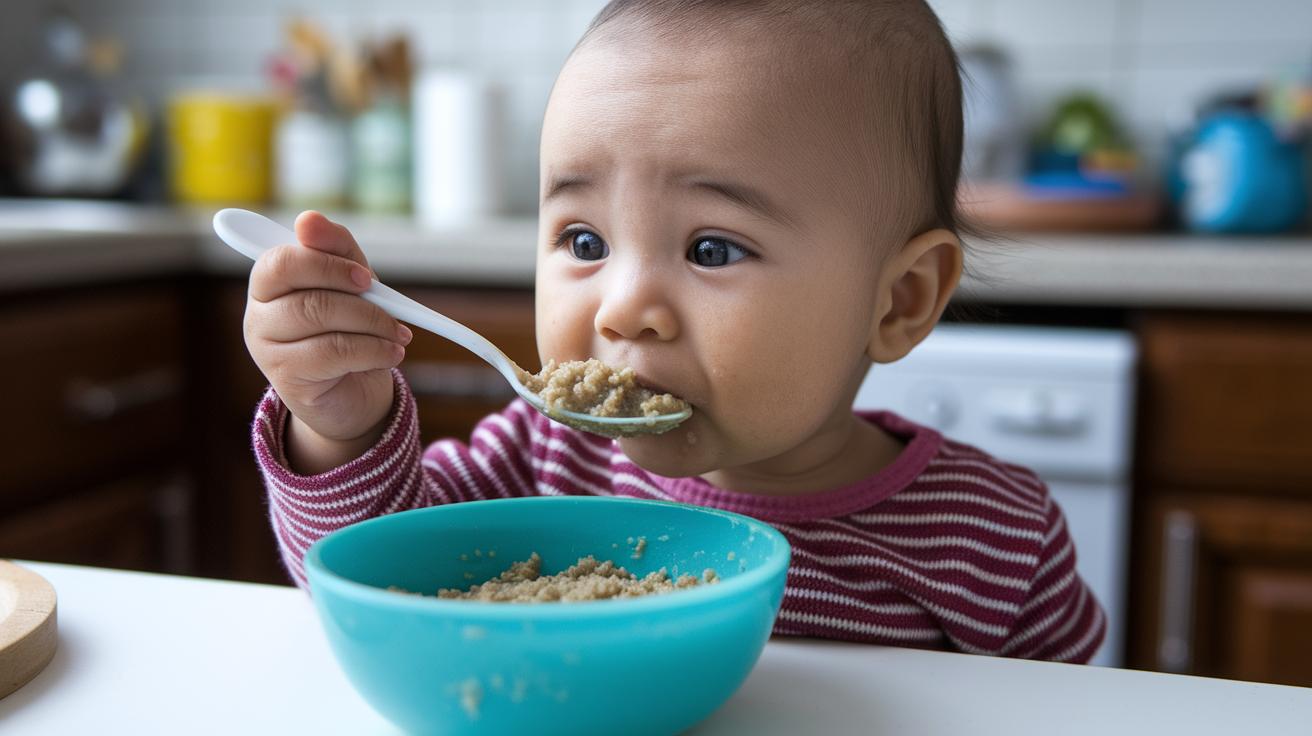
Starting your baby on whole grains like baby brown rice cereal and quinoa is a gentle way to boost energy and build a balanced diet. These options give your little one a mix of carbohydrates, fiber, and protein. Imagine a spoonful of quinoa as a tiny burst of slow-releasing energy that helps fuel their lively play and steady growth.
When you look for protein, there are plenty of tasty choices. Pureed lentils add a bit of plant-based iron, while mashed beans bring extra fiber and nutrients. Pureed chicken or turkey offers lean protein to help build strong tissues, and soft fish introduces omega-3 fats that are great for brain development. A fun tip: try mixing some pureed chicken with a vegetable puree to create a new, inviting flavor that your baby might love.
To create a well-rounded meal, pair these whole grains and proteins with a fruit or vegetable. This simple blend not only meets your baby’s need for energy but also supports their ongoing growth. Experiment with different purees to find the perfect mix, each spoonful is a step toward healthy development.
Seasonal and Organic Approaches to Healthy Infant Foods
When you pick organic fruits and veggies, you’re choosing foods with fewer chemicals and extra care for your baby's tender system. Organic produce helps keep pesticides at bay, so you can feel good about what goes into your baby’s meals. Just remember to wash everything well, and if possible, opt for items labeled organic, especially when preparing meals for your newborn.
Using seasonal produce adds natural flavors and fun variety to your little one’s dishes. In spring, why not try a simple pea or berry puree? Come summer, a soft peach or mango blend can bring a cool, refreshing twist. In autumn, purees made from pumpkin or butternut squash can be both delightful and nutritious. And in winter, warm mashes like sweet potato or carrot feel extra comforting.
Switching up ingredients every month is a great way to introduce new textures and tastes, building a balanced palate and healthy eating habits. Combining the benefits of organic and seasonal foods not only supports strong nutrition but also turns mealtime into a playful adventure. Enjoy exploring new flavors with your baby, and watch their taste buds grow with every meal.
Final Words
In the action, we covered evidence-based guidelines, safe preparation, and allergen awareness while highlighting nutrient-rich purees. We also shared practical methods for age-specific feeding and combining whole grains with protein to support growth.
The post brought practical ideas to the table, offering balanced baby diet ideas and tips for clear, safe steps. Using healthy infant foods as a foundation, every tip aims to help build confidence and joy in each new feeding experience. Keep experimenting and celebrating each milestone along the way!
FAQ
What are baby first foods for 4-6 months?
The first foods at 4-6 months include simple purees like pea, banana, rice cereal, and avocado, which help babies explore tastes and textures.
Is there a 6 to 12 months baby food chart available?
A 6 to 12 months baby food chart guides caregivers on introducing richer purees and chunkier foods as babies’ chewing abilities grow.
What are healthy food options for a one-year-old baby?
Healthy food for a one-year-old includes soft fruits, steamed vegetables, small pieces of lean meat, and dairy, all offering balanced nutrition.
What does a 0 to 6 months baby food chart include?
A 0 to 6 months baby food chart highlights the focus on breast milk or formula until about six months, with solids introduced only when developmental cues appear.
What does an 8-month baby food chart suggest?
An 8-month baby food chart often recommends multi-ingredient purees and thicker textures like mashed vegetables and fruits to support skill development.
What is a meal plan for a 9-month-old baby?
A meal plan for a 9-month-old may feature a variety of purees mixed with small chunks of vegetables, fruits, and proteins to encourage self-feeding.
What are the best food options for babies 6-12 months?
The best foods for babies 6-12 months combine purees, soft finger foods, and dairy, providing essential nutrients like iron, protein, and healthy fats.
How should a baby be introduced to solid foods?
Introducing solids should begin with small amounts of single-ingredient purees when a baby shows signs of readiness, such as head control and diminished tongue-thrust.
What is the healthiest food for babies?
The healthiest foods are nutrient-rich purees made from fruits, vegetables, and whole grains that supply vital vitamins and minerals for growth.
What is the #1 food infants choke on?
Whole grapes are often the top choking hazard for infants due to their size, so caregivers should always cut them into smaller pieces.
What is the 3 day rule for baby food?
The 3 day rule means introducing one new food at a time and waiting three days to spot any reactions before trying another.
What should I feed my 4-month-old baby?
Most 4-month-old babies are still on breast milk or formula; solid foods are typically introduced around six months when developmental signs are clear.


