
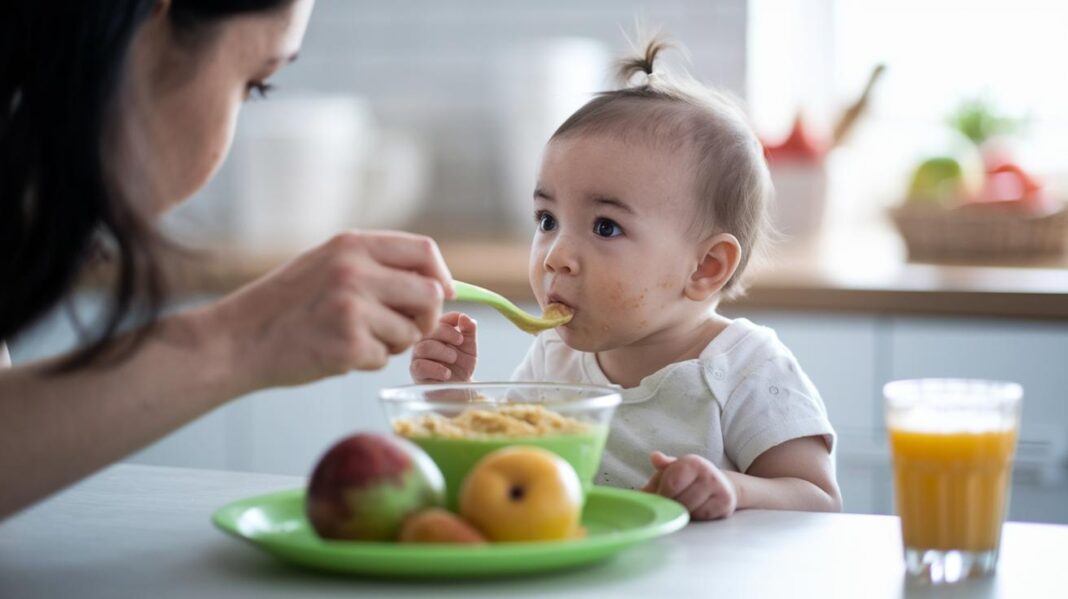
Have you ever worried that your 9‐month‐old might not be getting the right mix of nutrients? You’re not the only one. We know how important it is for little ones to enjoy both milk and solid foods that help them grow and explore new tastes.
Imagine a gentle day where your baby shifts from smooth purees to hearty foods with a bit more texture. It’s a simple way to offer a balanced diet that gives energy and comfort, all in one go.
Let’s walk through an easy daily plan designed to meet your baby’s changing needs. It's all about making mealtime a warm, nurturing adventure for your family.
Sample Daily Meal Plan for 9 Month Old
Here’s a friendly daily plan to help your little one enjoy a balanced mix of milk and solid foods. Experts recommend about 24–32 oz of breast milk or formula throughout the day, with small solid meals every 2–4 hours. We suggest offering liquids about 30 minutes before solids to help with digestion and to keep your baby feeling comfortably full.
When you start introducing new flavors, begin gently with smooth purees. As your baby gets used to these tastes, you can gradually try out foods with a bit more texture, like mashed vegetables or a mild curry designed just for little tummies. Think of pairing a little water or diluted juice with a snack of fruit or veggies. These simple steps help your baby move smoothly from purees to more textured foods.
| Time of Day | Meal | Portion Size | Food Examples |
|---|---|---|---|
| Waking | Milk | 6-8 oz | Breast milk or formula |
| Mid-morning | Snack | Small serving | Water or diluted juice with pieces of fruit or vegetables |
| Lunch | Solid Meal | 2-4 Tbsp | Mashed vegetables or a mild curry |
| Mid-afternoon | Snack | Small serving | Diluted fruit smoothie with a little banana biscotti |
| Dinner | Solid Meal | 2-4 Tbsp | Soft protein dish like vegetarian spaghetti bolognese or baby paella |
| Night (3-5 AM) | Milk | 2-4 oz | Breast milk or formula |
Keeping a steady routine not only helps establish healthy eating habits but also supports your baby’s growing need for self-feeding. As your little one develops, don’t hesitate to adjust portions and follow their cues, it’s all about making mealtime a happy, nurturing experience.
Essential Nutrients in a Meal Plan for 9 Month Old
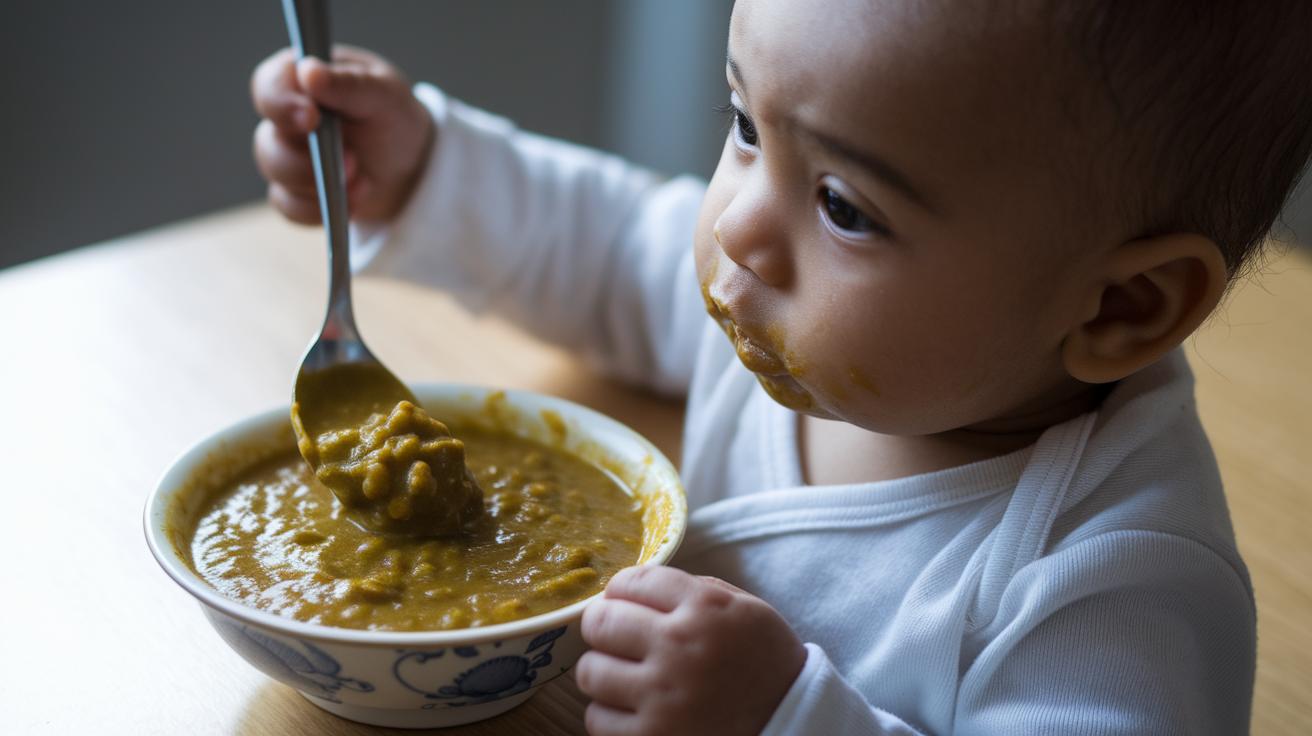
At nine months, it’s key that your baby’s meals are both gentle and packed with important nutrients. Imagine a soft lentil curry or a mild vegetarian spaghetti bolognese, these dishes bring in protein and iron that help your little one grow strong.
A small serving of Greek yogurt or some mashed beans adds a boost of calcium, while mashed avocado with a drizzle of olive oil offers healthy fats for brain support. And a smooth puree of squash with a few prunes gives a touch of fiber to keep digestion happy.
| Key Nutrient | Why It Matters |
|---|---|
| Protein | Helps build muscles |
| Iron | Boosts brain growth |
| Calcium | Strengthens bones |
| Healthy Fats | Aids brain function |
| Fiber | Supports digestion |
Next, consider adding iron-fortified cereals as the meal’s grain base to round out the nutrients. This flexible plan lets you mix in seasonal flavors and textures while easing your baby into more solid foods. Each nutrient is there for a reason, protein builds muscle, iron fuels brain development, calcium makes bones strong, healthy fats support the brain, and fiber keeps the tummy comfortable. These mild recipes come together to create a nourished, joyful mealtime for both you and your little one.
Adapting Food Textures in a Meal Plan for 9 Month Old
Start with smooth purees that are gentle on your baby's taste buds. As your little one gets comfy with these simple meals, slowly mix in some purees with tiny lumps, a fun twist on a familiar favorite. Imagine a soft carrot puree with mini bits that signal it's time for a tiny step toward more texture. Cook veggies like carrots and sweet potatoes until they're very soft so your baby can chew them easily.
Then, move on to soft mashed foods and small bite-sized pieces that invite your baby to start self-feeding. When you notice your baby showing a pincer grasp (the little sign that they're ready to grab and explore), try offering finger-friendly foods that are roasted or steamed. This gentle shift in textures helps build their chewing skills and boosts mealtime confidence, making sure every bite is both safe and nourishing.
Weaning and Self-Feeding in a Meal Plan for 9 Month Old
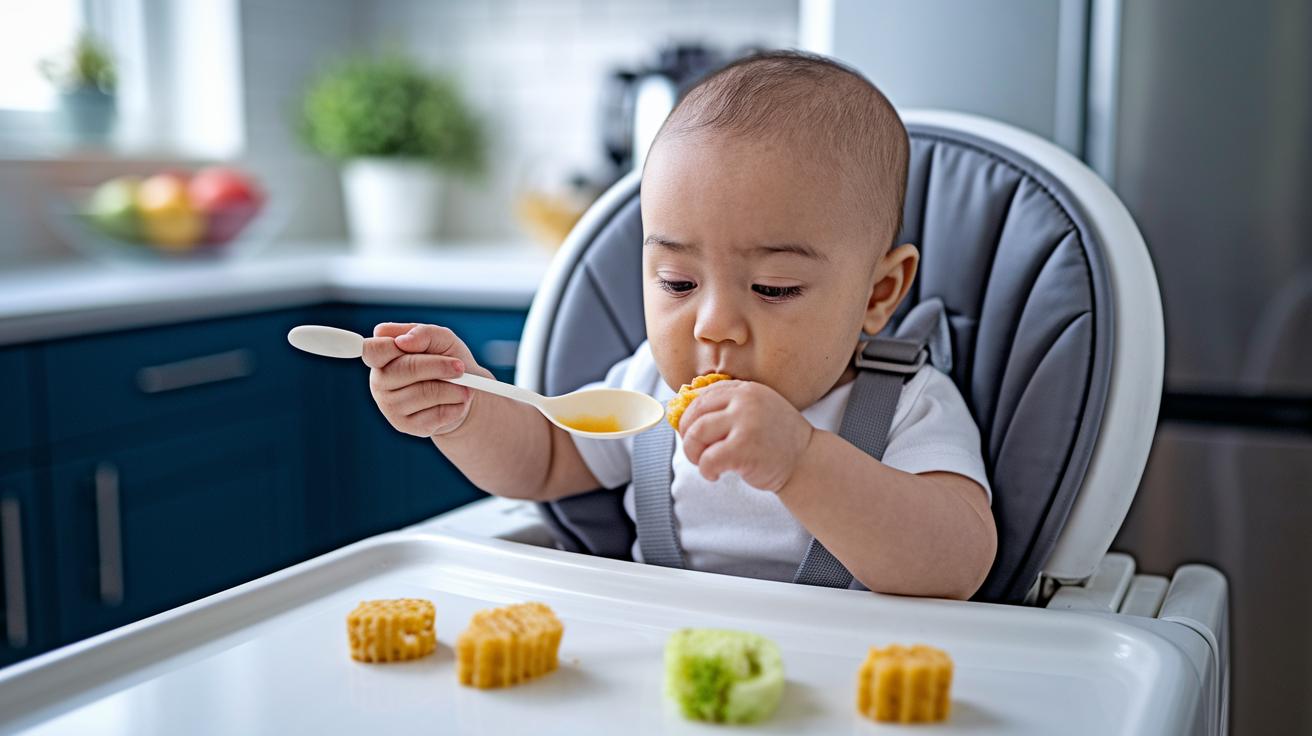
At nine months, mealtimes become a mix of spoon-fed purées and little bites your baby can pick up on their own. Try offering soft finger foods like steamed carrot sticks, avocado slices, or tiny pieces of banana. These easy-to-hold foods let your little one explore new textures while you still enjoy the comfort of spoon-fed purées. It’s a gentle way to support your baby’s growing independence and help them build important motor skills. Plus, every small bite boosts their confidence during meals.
It’s really important to keep a close eye on your baby as they start self-feeding, especially when you notice them using a pincer grasp (infant developmental milestones explained). You might also try using mesh feeders with frozen fruit to soothe their gums and encourage grasping. This combo of spoon feeding and exploring finger foods not only helps them learn to eat on their own but also makes sure every bite is safe and enjoyed.
Allergen Introduction in a Meal Plan for 9 Month Old
Introducing new foods can be a gentle, step-by-step process. Try adding one ingredient every 3 to 5 days. For instance, you might offer a small spoonful of full-fat yogurt or a bit of smooth nut-butter stirred into cereal. This way, if your baby shows a little rash or has an upset tummy, you’ll spot it quickly. Picture this: “I gave a spoonful of yogurt and waited three days to see if anything changed.”
It’s important to keep things safe by avoiding whole nuts or large chunks, which could be a choking hazard. Think of it as making sure every bite fits just right for your little one’s stage of eating. During this time, milk or formula remains the main source of nutrition.
Keeping a food diary can be really helpful. Write down what you give and keep an eye on how your baby reacts. This careful, patient approach not only builds a solid foundation for their growing diet but also gives you peace of mind as you try out new foods together.
Seasonal and Flavor Variety in a Meal Plan for 9 Month Old
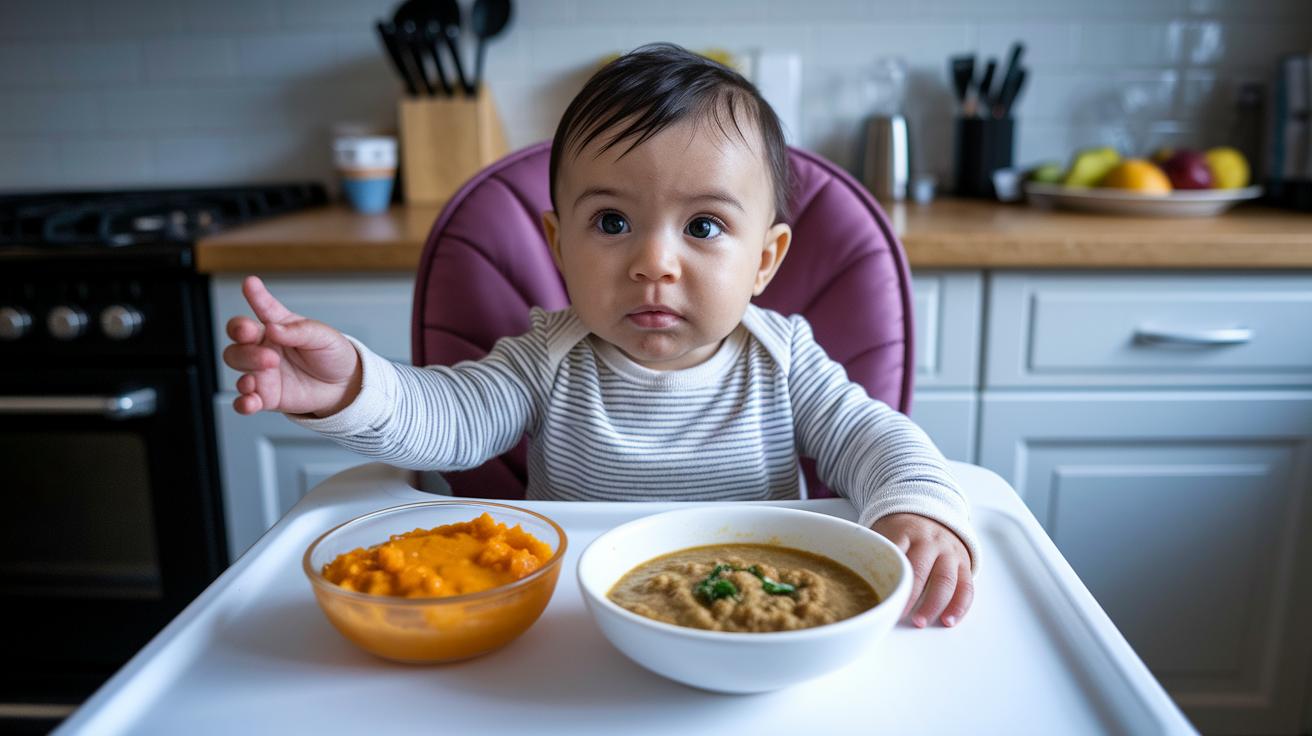
When you mix fresh, seasonal fruits and veggies with flavors from around the world, mealtime becomes an exciting adventure for your little one. Imagine serving a gentle lentil dal, a veggie spaghetti bolognese, or even a baby paella that introduces tiny hints of spices, each bite can feel like a little taste trip.
In the summer, you might try pureed berries or peaches, offering a light, sweet burst that feels just right on a warm day. When the weather turns cooler in fall and winter, a bowl of roasted squash or sweet potato brings a cozy, comforting flavor to the table. Rotating colors and textures each week not only keeps meals fun but also helps your baby learn a wide range of taste and feel.
Think about switching up the menu often. One day, serve a simple mix of pureed apples and pears with a soft touch of spices inspired by Indian flavors. On another day, a mild medley of pureed carrots and peas can be just as delightful. Each new taste slowly builds your baby's palate and makes mealtime a relaxed, joyful chance to discover new flavors.
Portion Sizes and Feeding Routine in a Meal Plan for 9 Month Old
Start by offering your little one 2 to 4 tablespoons of solids each meal. As your baby grows more comfortable with these new textures, you can add an extra tablespoon each week. Meanwhile, milk or formula should still be about 24 to 32 ounces every day, with meals planned every 2 to 4 hours. Have you ever noticed how a small change, like adding one more tablespoon, can make a big difference in your baby’s appetite?
Stick to a routine that listens to your baby’s natural hunger cues. If you see your baby happy and ready for milk when they wake up, think about adding a mid-morning snacking break or a mid-afternoon little feed. Let their little signals guide you on when to give an extra nibble or a bit more drink.
Teething Relief and Safe Feeding in a Meal Plan for 9 Month Old
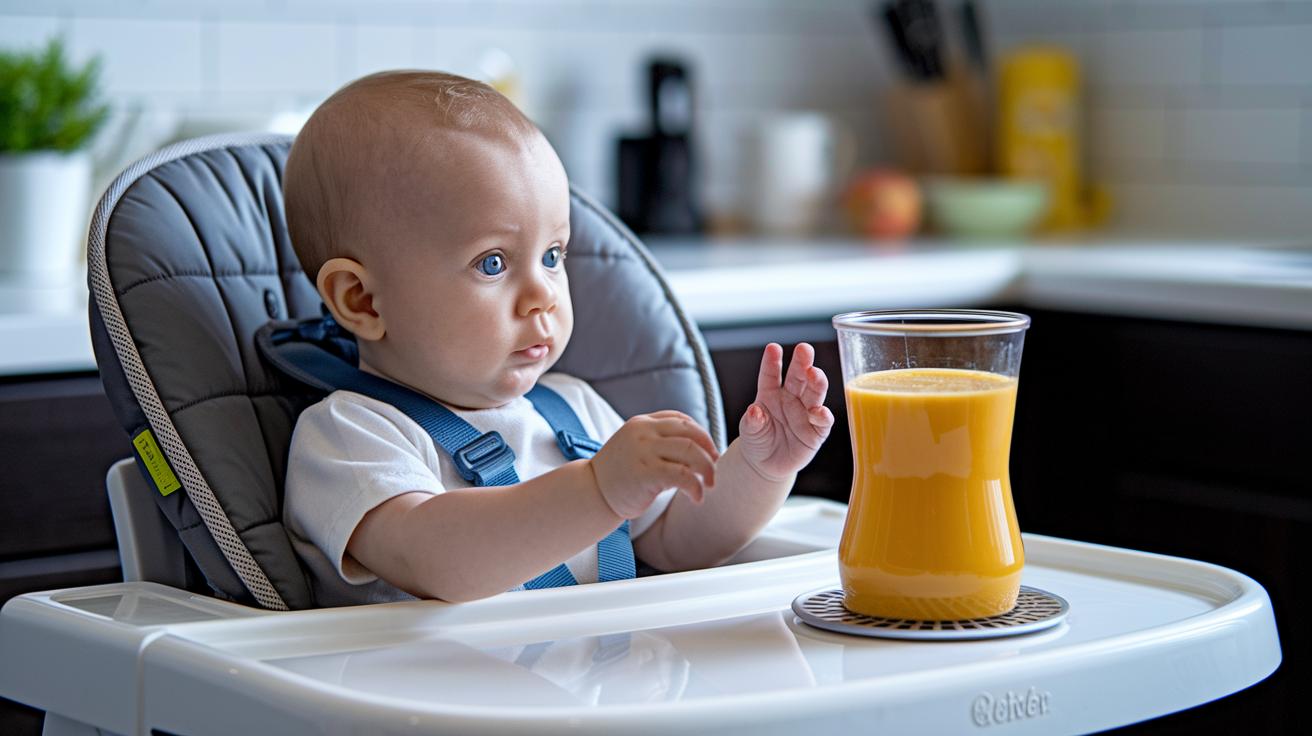
When teething makes your baby feel fussy, try offering a few chilled treats like pureed fruit smoothies, homemade popsicles, or frozen berries in a mesh feeder. Imagine a cool mango smoothie straight from the fridge; its gentle chill helps soothe those tender gums while tasting great. These treats are soft and easy to digest, giving your little one a tasty way to feel better without overwhelming their budding taste buds.
Safety is just as important as comfort at mealtime. Always keep your baby seated upright in a high chair so they’re secure while eating. Avoid foods that are too hot, too hard, or very sticky because these can be a choking hazard. Keep a close watch on every bite and gently guide your baby as they explore new textures to ensure mealtime stays safe and calming.
Final Words
In the action, we explored a sample daily schedule that includes well-rounded foods, gentle texture shifts, and safe allergen introductions. Each section provided guidance to help build independence while keeping mealtime safe and fun.
We also looked at seasonal meals and balanced portion tips to support your baby’s growth. Keep experimenting with this meal plan for 9 month old to enjoy feeding times that are both nutritious and happy.


