
Have you ever noticed how a little taste can change your baby's view on food? When you gently add a small dab of a pureed fruit or vegetable, mealtime turns into a fun, calm adventure. Your baby starts to explore new flavors in a playful, light way. Soon enough, these tiny experiments can lead to a lifetime of happy, curious mealtimes. In this post, I'll share some easy steps to help you make flavor discovery a delightful, stress-free experience for your little one.
Beginning Flavor Exploration for Babies in Weaning
Introducing new tastes to your baby can be a gentle and fun way to start their love for food. Even before they are born, babies get a hint of flavors from the amniotic fluid, and this continues with breast milk. You can share tiny smears of vegetable puree on your baby’s lip to let them enjoy a little sensory moment without any worry. This early experience builds a strong foundation for them to enjoy many different tastes as they grow.
Between 4 and 6 months, flavor training works especially well. Many doctors recommend starting with small amounts of pureed vegetables or fruits during this time, not for full nutrition, but to introduce your baby’s senses to new flavors. You can even try a tiny bit of common allergens, like peanut or egg, but only in a very small amount. Have you ever noticed how a tiny taste can spark a whole new interest?
- Gather single-ingredient purees, maybe a vegetable puree or one mixed with a bit of breast milk.
- Pick a calm moment when your baby is a little hungry.
- Apply a pea-sized dab to your baby’s lip or tongue.
- Watch their facial expressions closely to see if they smile or turn away.
- Repeat this little experiment 8–10 times over the next two weeks to help your baby get used to the flavor.
These brief, repeated tastings don’t carry any choking risks. Instead, they help create trust during mealtimes and open your baby up to a world of flavors that will serve them well as they grow and explore new foods.
Timing and Nutritional Guidelines for Weaning Flavor Introduction

Around six months, it's a wonderful time to introduce your baby to simple, single-ingredient purees. At this point, they still get most of their nutrition from milk, but they're ready to try a little taste adventure.
After about a month of enjoying these pure flavors, you can experiment with mixing two ingredients when your little one is around seven months old. By the time they reach their first birthday, meals can become a family affair, a colorful mix of textures and tastes that makes eating a fun and complete experience.
Important nutrients help your baby grow strong. For example, lentils provide iron (which helps the blood stay strong), meats offer zinc for healthy development, and healthy fats from foods like avocado support brain growth. Even as you introduce more solids, remember that milk, whether it's breast milk or formula, remains their main food source until around one year old.
When planning meals, keep portions small and gentle on your baby's tummy. It's best not to add salt or sugar so the natural flavors shine through. Aim for a balanced meal that delivers good energy and a mix of nutrients, helping your little one slowly embrace a wider variety of foods.
Methods of Introducing New Tastes: Purees, Smears, and Baby-Led Weaning
Introducing new foods to your baby can be a delightful adventure that boosts both taste exploration and motor skills. It’s fun to watch them get curious about new flavors, and there are a few different ways to help them along the way.
Purees and Spoon-Feeding
When you start with purees, keep it simple and sweet. Spoon out 1–2 teaspoons of a smooth puree on a small spoon and hold it at a slight angle. This gentle approach makes every bite a clear, manageable taste, gradually introducing your baby to new foods in little, comforting portions.
Flavor Smears and Sensory Play
Try a playful twist by using flavor smears. Instead of offering a full spoonful, dab a little bit of puree on your baby’s lips or fingertips. This soft touch invites your little one to engage with the flavor without the pressure of swallowing a whole serving at once. It’s a light and fun way to build curiosity and comfort with new tastes.
Baby-Led Weaning
With baby-led weaning, you let your baby take the lead by offering soft, easy-to-hold pieces like steamed carrot sticks. Watching them grab and explore their food under your watchful eye is a wonderful way to nurture their growing independence and coordination. This method lets them savor the texture and flavor on their own terms while knowing you’re right there to help.
Mix these methods to create a warm, varied experience that makes mealtime both exciting and gentle. Enjoy the journey as your baby discovers the world of flavor one step at a time.
Enhancing Flavors Safely with Herbs, Spices, and Combinations
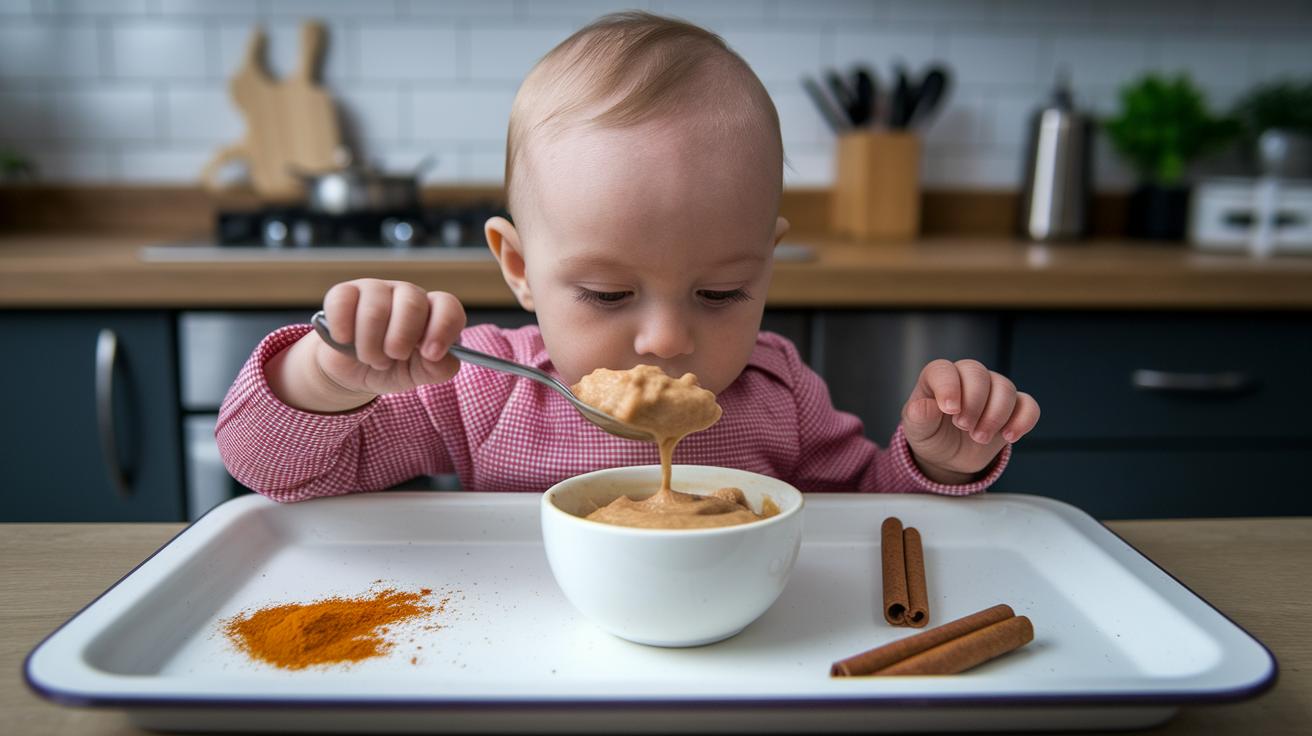
When your little one starts to enjoy single flavors, it's a sweet sign that you can gently introduce mild herbs and spices. Try adding just a tiny pinch of cinnamon, basil, dill, or cumin to your baby’s purees. Use one spice at a time so you can see how your baby reacts. This careful step-by-step approach not only builds your confidence but also keeps mealtime safe and fun.
Once your baby is comfortable with these basic flavors, you might mix two ingredients together in a puree, like carrot with pea or apple with spinach. You could even stir in a little mild cheese or plain yogurt to add a creamy touch. Just be sure to skip the salt, sugar, or hot spices, as these can be too strong for small tummies. Enjoy watching your little one's taste buds explore a new, nourishing world of flavors.
Progressing to Textured Meals for Flavor and Development
As your little one grows, their food naturally moves from smooth purees to textures with little lumps, and finally to soft, chewable pieces. Around 7 to 8 months, try mashing up the purees with a fork so your baby can enjoy a bit of texture and start practicing new mouth movements. Then, at about 9 to 10 months, gently introduce soft finger foods like steamed vegetable sticks or soft fruit bits that are easy to gum. Imagine the delight when your baby picks up a small piece of soft fruit, it’s like a tiny taste adventure that gets them ready for real family meals by about 12 months.
These texture changes do more than just change the flavor game; they help build strong jaw muscles and boost oral skills. By experimenting with different textures, your baby learns how to chew and even start feeding themselves. It’s so rewarding to see them confidently grab soft pieces and explore new tastes. Every bite is a little step toward growing independence and discovering a world full of exciting flavors.
Introducing Allergens and Ensuring Mealtime Safety
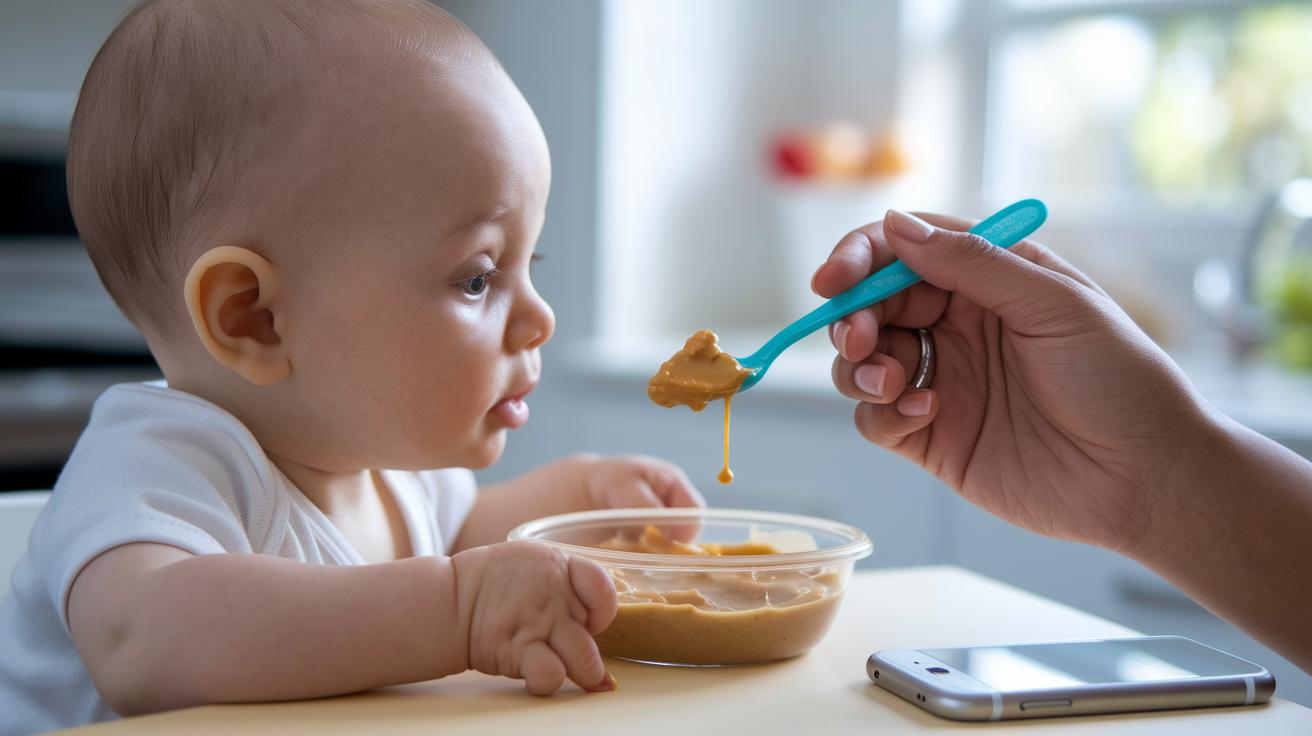
Introducing allergens when your baby is about 4 to 6 months old might help them build a natural tolerance to everyday foods. It’s a gentle time to mix in new flavors with foods they already love. For example, adding a tiny bit of peanut, egg, or dairy can open up their little world of tastes, building a foundation for healthier eating as they grow.
Begin by including one allergen at a time. Add a small, safe amount into a pure, single-ingredient puree so your baby gets a familiar taste with a new twist. Give it a try and watch for about three days before you introduce another allergen. This way you can see how your little one reacts.
Keep an eye out for any changes. If you see hives, swelling, or notice your baby is vomiting, it might be best to check with your doctor. Remember to keep mealtime calm and comforting, just like a gentle chat with a friend, so your baby feels safe and nurtured.
Creative Meal Ideas to Foster a Diverse Palate
Mealtimes can be a fun chance for you and your baby to explore new tastes together. These homemade baby recipes mix different textures and flavors to keep your little one excited about food. Imagine trying mashed blueberry pancakes with a spoonful of plain yogurt, it's soft, gently sweet, and a perfect step into new flavors. Or consider a creamy mash of lentils and butternut squash for lunch, offering warm and smooth flavors that feel like a cozy hug. These ideas spark interest and support healthy growth right from the first meal.
| Meal | Recipe Details | Key Flavors |
|---|---|---|
| Breakfast | Mashed blueberry pancakes served with a dollop of plain yogurt | Soft, a bit sweet, and a touch tangy from the yogurt |
| Lunch | Creamy mash made with lentils and butternut squash | Earthy lentils combined with natural sweetness from the squash |
| Dinner | Family-style spaghetti bolognese, finely chopped | Mild, savory flavors with a mix of textures |
| Finger Food | Carrot & sweetcorn fritters or courgette fritters | Light, soft, with the natural sweetness of vegetables |
By introducing these creative recipes, you're setting up a fun and varied feeding routine that meets your baby’s growing appetite and curiosity. You might tweak a bit of an herb or a mild spice as your child grows, making each dish just right for them. Have you noticed how a small change can brighten up mealtime? Rotate these options weekly to keep things interesting and help your baby enjoy a balanced mix of tastes and textures. Enjoy the journey of watching your child discover new favorites, one delightful bite at a time.
Final Words
In the action of flavor training, we learned how prenatal exposure, proper timing, and varied methods, from spoon-fed purees to baby-led weaning, can set the stage for little ones to explore new foods. The steps discussed help keep mealtimes fun and safe.
Mixing in herbs, spices, and creative meal ideas makes each bite a delightful discovery. Introducing new tastes during weaning can turn everyday meals into joyful, sensory experiences. Enjoy every small, empowering moment.
FAQ
When should I introduce new tastes during weaning?
Introducing new tastes usually begins between 4 and 6 months. Babies already learn flavors through breast milk, so starting gentle flavor training with small smears or purees supports their early taste development.
When can I let my baby lick or taste food, like at 2, 3, or 4 months?
Letting a baby taste food before 4 months is generally not recommended, as they aren’t developmentally ready. Waiting until they show cues of readiness helps keep their feeding safe and supportive of growth.
Is it safe to introduce new purees on the same day?
Introducing multiple new purees in one day can be overwhelming. It’s best to offer one food at a time over several days, giving you time to monitor your baby’s response and acceptance.
How often should I introduce new foods when starting solids?
New foods can be introduced every few days, which helps your baby adjust and gives you a chance to watch for any reactions without overwhelming their developing taste buds.
What does flavor training for babies involve?
Flavor training involves gently exposing your baby to small amounts of new purees—often by applying tiny smears—to stimulate their taste senses. This early exposure builds comfort and trust in trying new tastes.