Thursday, June 18, 2026
Home Blog Page 12

Meal Prep Ideas For Breastfeeding Moms: Quick Nourishment

0

Ever thought about how meal prepping might be a game changer for breastfeeding moms? Imagine taking just a few minutes on the weekend to set up meals that keep you feeling energized throughout the week. Breastfeeding (feeding your baby with milk) means your body needs extra calories and nutrients, and busy days can make healthy eating feel nearly impossible.

But here's the good news: a few simple meal prep ideas can turn this challenge into a real opportunity. By planning meals with whole grains, proteins, and veggies ahead of time, you create a comforting routine that makes nourishing yourself and your little one easy and stress-free. Have you ever noticed how a little bit of planning can brighten up your day?

Quick Nutrient-Rich Meal Prep Ideas for Breastfeeding Moms

img-1.jpg

Breastfeeding moms need a little extra energy, about 330 to 400 extra calories a day, to keep up their energy and support milk production. It helps to plan meals that include whole grains, lean proteins, healthy fats, and plenty of fruits and veggies. And don’t forget to drink enough water, aiming for 16 cups (128 oz) each day can be like giving your body a gentle refill.

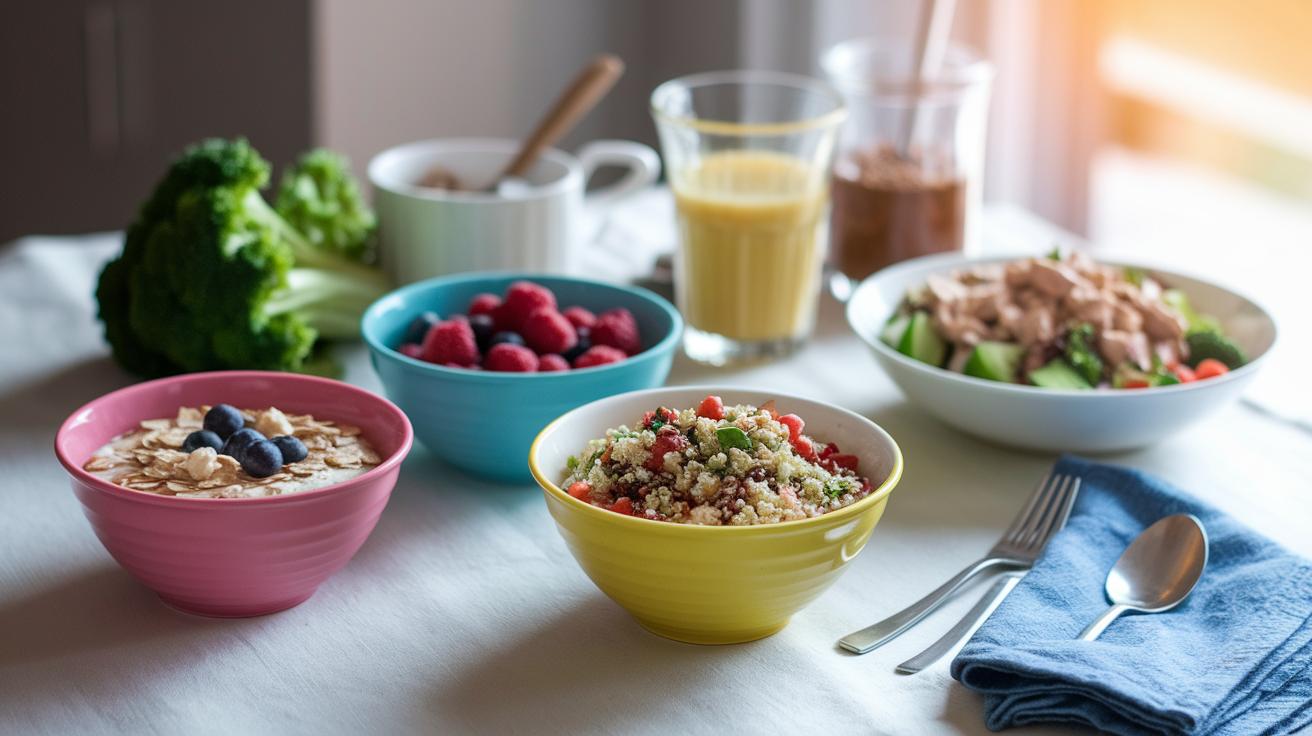
Quick meal preps make it easier to weave nutrition and hydration into your busy day. Picture spending a little time on the weekend preparing a batch of quinoa or brown rice so that when the hectic weekdays arrive, you’ve got a healthy base ready to go. Maybe take just 10 minutes after your morning coffee to set up a small snack station with pre-sliced fruits and nuts. It’s a simple way to ease the daily rush.

  • Batch-cook your whole grains so they’re ready as a meal base.
  • Pre-portion proteins by cooking chicken, beans, or tofu ahead of time.
  • Lightly steam or roast a variety of veggies to mix into any dish.
  • Get healthy snacks like fruits, nuts, or cheese into grab-and-go portions.
  • Try one-pot or slow-cooker recipes to save time while still enjoying rich flavors.

By using these meal prep ideas, you can easily meet your extra energy needs and stay properly hydrated. It not only saves you precious time but also helps you enjoy nutrient-rich meals throughout your day. This thoughtful routine keeps your calorie intake and fluid levels in balance, supporting both effective milk production and your overall well-being.

Key Nutrients and Hydration Guidelines for Lactation-Friendly Meal Planning

img-2.jpg

Breastfeeding moms usually need about 71 g of protein every day. Eggs, Greek yogurt, lean meats, and beans are great choices to help reach that goal. Iron requirements drop to 9 mg a day, so adding foods like beans, spinach, or even fortified cereals (check out Foods That Increase Milk Supply for more ideas) can boost iron without overdoing it. It’s also important to aim for 1,000 mg of calcium daily to keep your bones strong and support milk production, dairy or plant-based milks with added calcium work well. And don’t forget about water; staying well-hydrated helps keep milk coming.

It might seem like putting all these pieces together is a puzzle, yet little adjustments go a long way. Reducing caffeine and alcohol, plus enjoying 2–3 servings of low-mercury fish (around 4 oz each) per week, rounds out a nourishing plan. When you’re planning meals, think about keeping your portions steady and consistent. That kind of thoughtful planning gives you the energy you need and helps you feel your best.

Here are a few simple ideas:

  1. Start your day with an egg-based breakfast or a Greek yogurt parfait for a protein boost.
  2. Add a fresh spinach salad or a side of beans to get extra iron.
  3. Pour yourself a glass of fortified plant milk or enjoy a serving of cheese to meet your calcium needs.
  4. Stick to lean protein portions of about 3–4 oz per meal to hit your target intake.

Top Lactation-Boosting Ingredients to Stock in Your Meal Prep

img-3.jpg

Filling your kitchen with nutrient-packed foods is a lovely way to help boost your milk production while keeping meal prep easy. These foods burst with vitamins, minerals, and wholesome fats that support your energy and nourish your little one’s growth.

Think about including boiled eggs, they’re rich in protein and choline, giving you a natural energy lift. Leafy greens, on the other hand, bring iron and calcium to keep your bones strong and your blood levels healthy.

Nuts are a great pick too, as they offer both healthy fats and protein, making them perfect for those moments when you need a quick snack. Seeds bring essential omega fatty acids into the mix, which can help support the overall quality of your milk.

Avocados add a delightful, creamy texture to your smoothies or salads, thanks to their monounsaturated fats. Greek yogurt is another excellent option full of protein, and it links to more details on Foods That Increase Milk Supply if you’re curious.

Lastly, oats and flaxseed contain phytoestrogens (natural plant compounds) that some studies suggest may help keep your milk supply just right.

Mixing these ingredients into your daily meals and snacks not only adds a splash of variety to your diet but also steadily supports your lactation goals with simple, nutritious options you can easily prep ahead.

Sample Meal Prep Plans and Easy Breastfeeding-Friendly Recipes

img-4.jpg

Rotating your meals can add a spark of energy to your week, blending tasty flavors with simple preparation. It’s like having a flexible plan that supports your milk flow and keeps things interesting. By mixing up breakfast, lunch, dinner, snacks, and even bonus treats, you’ll avoid boredom while giving your body the nourishment it needs. Whether you’re craving a filling breakfast or a light salad, planning ahead means you always have a comforting option when hunger hits.

Meal Recipe Idea Prep Strategy
Breakfast Overnight oats with nuts and berries or egg bites in muffin tins Prepare oats or egg mixtures in advance so you can quickly serve them each morning
Lunch Peanut butter and jelly sandwiches with fruit and veggies or burrito bowls with beans, rice, salsa, and avocado Make sandwiches ahead of time and preassemble bowls in containers
Dinner Instant Pot chili mac with steamed broccoli or slow cooker shredded chicken tacos Set up your Instant Pot or slow cooker during prep day and portion out meals
Snack Cottage cheese with whole wheat crackers, energy balls with peanut butter and honey, or popcorn with Parmesan Portion individual snacks for a grab-and-go treat
Bonus Smoothie Smoothie with Greek yogurt, peanut butter, and banana Freeze smoothie packs so you can blend one quickly anytime
Bonus Salad Prep Mixed greens with veggies and grilled chicken or beans Wash, chop, and store salad ingredients separately, then mix them just before serving

Keep your meals in airtight containers and be sure to refrigerate perishable foods within two hours of cooking. When you’re ready to enjoy your dish, reheat it in the microwave or on the stovetop until it’s warm and comforting. This simple system helps your food stay fresh, making life a little easier as you juggle a busy day.

Safe Storage and Food Safety Tips for Pre-Cooked Breastfeeding Meals

img-5.jpg

Keeping your pre-cooked meals safe is really important for busy moms juggling lots of tasks. Right after you cook, try to cool your food quickly, ideally within 2 hours, and store it in your refrigerator at or below 40°F (that’s about 4°C). This simple step helps slow down any bacterial growth. Using airtight containers is a big help; they keep your food fresh and let you easily see what’s inside. I like to label each container with the date and the meal’s name so I can keep track of how long it's been stored. Most cooked meals stay good in the fridge for up to 4 days, which means you have a few days of ready-to-eat nourishment on hand.

When it’s time to enjoy your meal, reheating it properly is key. Warm your food until it reaches at least 165°F (73°C), giving it an occasional stir to make sure the heat spreads evenly. And if you’re not planning to eat the meal soon, freezing it for up to 3 months is a great alternative. These practices help keep your meals tasting great while reducing the risk of foodborne illness.

Step What to Do
Cool Quickly Let cooked food cool within 2 hours.
Label Containers Mark each container with the date and contents.
Portion Meals Divide into single servings for easy reheating.
Reheat Properly Warm to at least 165°F while stirring occasionally.
Freeze When Needed Store in the freezer for up to 3 months.

These little tips can make a world of difference in keeping your food safe and delicious. Have you ever noticed how even small changes in your routine can help you feel more at ease? Enjoy your meals, and take comfort in knowing you’re taking great care of both yourself and your little one.

Time-Saving Meal Prep Hacks for Busy Nursing Moms

img-6.jpg

When every minute counts, planning your meals smartly lets you focus on your little one while keeping your energy and milk supply steady. It’s like setting up a quiet rhythm in a busy day.

Try batch-cooking your basics. Pick a day to cook proteins, grains, and veggies, then use them to create different meals throughout the week.

Freeze your meals in individual portions. This way, reheating is a breeze on those hectic days.

Get creative with your ingredients. Using the same items for multiple dishes reduces your trips to the store and saves time in the kitchen.

Rely on handy tools like slow cookers and Instant Pots. They help you finish cooking quicker with less active effort.

And don’t hesitate to ask for help. Whether it’s a family member or friend chopping veggies, every little bit saves you precious time.

Lastly, set aside a regular time each week just for meal planning and preparation. This helps you stay ahead and enjoy more stress-free moments with your baby.

Final Words

In the action of preparing nutrient-dense dishes, the blog walked through quick, balanced recipes that boost energy while honoring hydration needs. It highlighted simple steps for batch cooking, safe storage, and time-saving hacks that can ease daily meal planning. These practical meal prep ideas for breastfeeding moms offer gentle, straightforward strategies to maintain energy and support lactation. Enjoy exploring these ideas, and may their simplicity bring more calm and nourishment to your busy days.

FAQ

What are some meal prep ideas for breastfeeding moms to lose weight?

The meal prep ideas for breastfeeding moms aiming to lose weight focus on balanced dishes that include whole grains, lean proteins, veggies, and proper hydration—all while accommodating an extra 330–400 calories per day.

What are simple and healthy meal prep ideas for breastfeeding moms?

The simple and healthy meal prep ideas for breastfeeding moms stress quick batch-cooking of whole grains, pre-portioning lean proteins, mixing veggies, preparing easy snacks, and using one-pot recipes for convenience.

What are simple dinner recipes for breastfeeding mothers?

The simple dinner recipes for breastfeeding mothers feature slow cooker meals, one-pot dishes, and recipes that highlight lean protein and veggies, all designed to fit busy schedules while providing essential nutrients.

How can a meal plan help breastfeeding mothers lose weight and boost milk supply?

The meal plan for breastfeeding mothers balances extra calories needed for energy with nutrient-dense ingredients that support milk production, using portion control to aid in weight management and lactation.

What recipes work well for breastfeeding mothers with gassy babies?

The recipes for breastfeeding mothers with gassy babies include gentle, soothing dishes like steamed vegetables and fiber-rich foods that ease digestion while ensuring both mom and baby get the necessary nutrition.

Factors Affecting Motor Development In Infants Spark Growth

0

Have you ever noticed how a little movement can make a big difference in your baby’s growth? Some folks say it’s all about nature, while others believe that care even before birth is key. Research shows that good care during pregnancy (care during pregnancy) and a warm, safe home go hand in hand to help your baby develop motor skills.

In this post, we’ll chat about how your baby’s genes, thoughtful prenatal care, and lots of playful fun work together to help your little one learn to sit, crawl, and explore the world around them.

Key Factors Shaping Motor Development in Infants

img-1.jpg

Our little ones get their first boost from genetics and the care they receive while still in the womb. Family traits like height, weight, and muscle strength always play a part in how a baby moves. Babies who are born full-term and get good care during pregnancy often start balancing and coordinating their movements a bit earlier. For instance, you might notice that a baby whose mom had careful prenatal care can hold up their head sooner compared to one with a lower birth weight.

But the baby’s surroundings also help shape how they move. A safe, cozy home filled with open space and just-right toys can make a big difference. When you spend time playing simple games like rolling a ball or a game of peekaboo, you’re not just having fun, you’re helping your little one learn to reach, grasp, and even crawl. These everyday moments encourage physical exploration and give them a chance to learn through touch.

Good food and playful activity are the final key pieces of the puzzle. A balanced diet packed with protein, calcium, and vitamin D supports growing muscles and strong bones. And when your baby spends time on their tummy or gets involved in active play, it helps build up their core muscles. For more tips and information, feel free to look up more on infant motor development.

Genetic and Neurobiological Contributions to Infant Motor Development

img-2.jpg

Genetics gives each baby a unique blueprint that helps shape how they move. You can think of it as a blueprint that influences things like muscle strength, body size, and overall structure. Even simple moments, like when your little one lifts their head during tummy time, show these inherited traits. It’s almost like the baby’s gentle strength mirrors that of their parents, gently setting the stage for early movement.

Research from the University of Utah shows that babies born with a low birth weight or born early may face more challenges with balance, coordination, and delicate hand movements. These infants might take a bit more time to reach for and grab things. It really highlights how important the baby’s early conditions are in steering their motor growth.

There are also differences between boys and girls when it comes to early motor skills. Typically, boys may develop more muscle strength, partly because of a hormone called testosterone, which can boost their coordination. Girls, on the other hand, often show better balance and nimbleness, thanks in part to estrogen. For example, while only about 5% of babies can lift their head when lying on their tummy right at birth, this number grows to 50% by 1.5 months and to 95% by 4 months. Similarly, reaching movements go from around 10% at 1.6 months to 90% by 4 months.

Between four and six months, babies go through an exciting change called neuromuscular maturation. This is when their natural reflexes slowly turn into actions they can control on purpose. As their brain grows and they start really tuning in to what they see, hear, and feel, their movements get smoother and they start taking on more everyday tasks.

Environmental and Caregiver Influences on Infants' Motor Skill Milestones

img-3.jpg

Recent studies show that the home environment really matters for how quickly babies learn to move. One study found that babies in homes filled with active, caring adults reach key movement milestones nearly 25% sooner than those with less stimulation. New findings also suggest that early help programs, when combined with family care, can boost coordination and muscle strength.

Different cultures bring unique touches to child-rearing. For example, in some families, caregivers add fun physical activities into everyday routines, which naturally helps babies build motor skills. It’s amazing how even small differences in a caregiver’s involvement can shape a baby’s early physical steps.

Some of the major factors that influence these early movements include:

  • Play space quality
  • Toy variety
  • Caregiver engagement
  • Daily movement routines
  • Safety considerations

Imagine a parent gently lifting their baby during a fun game, it's a simple moment that encourages balance and helps the little one learn how to move with confidence.

Nutritional and Prenatal Influences on Infant Motor Abilities

img-4.jpg

When you're expecting, a balanced diet really matters. Eating plenty of protein helps build those tiny muscles, while calcium paired with vitamin D (which strengthens bones) sets up a solid base for your baby's first movements. It's like preparing the soil before planting a seed.

Sometimes, babies born a bit early or with low birth weight might find it takes longer to learn small tasks like grasping a toy. A little extra care through proper nutrition can give them the boost they need to build strength and resilience.

After birth, getting timely care such as immunizations helps keep illnesses at bay, ensuring nothing stands in the way of your baby's growth. Combined with nurturing, healthy eating habits, this continuous care supports steady progress and overall well-being.

Sensory Integration and Brain Growth Shaping Motor Skills Progression

img-5.jpg

Sensory input is like a gentle guide that helps a baby learn how to move. When a little one touches soft blankets or feels the gentle rocking in a chair, their brain starts to map out where their body parts are. Imagine a baby tenderly patting a beloved toy, each gentle touch helps build the pathways needed for smooth movement later on.

Visual clues join in, too. When infants watch a colorful mobile or follow a drifting object, what they see mixes with what they feel. This friendly blend helps them connect their eyes with their hands, making simple actions, like reaching for a rattle, feel natural and well-coordinated.

Everyday play, like a simple obstacle course laid out on the living room floor, adds a fun layer to learning. These little challenges encourage babies to explore balance and coordination in a safe and playful way.

Between 3 and 12 months, a baby’s brain is busy growing. Each new sensory experience tunes their ability to move, leading to smoother, more coordinated actions as they start to explore the world with increasing mobility.

Monitoring Motor Milestone Attainment and Recognizing Delays in Infants

img-6.jpg

Milestone Age Attainment
Head lift while prone 5% at birth, 50% by 1.5 months, 95% by 4 months
Reaching accuracy 10% at 1.6 months, 90% by 4 months
Hand transfer between hands 10% at 4 months, 90% by 7 months
Scribbling 50% by 11–12 months, controlled by 18 months, organized patterns by 36 months
Kicking a ball 10% at 12 months, 90% by 17–25 months
Stacking three blocks 40% by 18 months, 85% by 24 months, six blocks by 37.6 months

When you watch your baby's growth, these milestones are like little signposts along the way, from the first head lifts to beginning to scribble or stack blocks. Keeping an eye on these markers can be really helpful, because if something seems off, you can get help early on.

It’s like having a gentle checklist. For example, if your little one isn’t reaching carefully for objects or switching toys from one hand to the other around the usual time, it might be a sign to have a chat with your doctor. Regular check-ups using these simple milestones let you know if your baby might need a bit more support, like an early movement therapy program to help build strength and balance.

Have you ever noticed how a small change in your baby's actions can start a whole conversation about their progress? It’s all about making sure your child feels supported and ready to take on the next big step.

Effective Strategies and Intervention Programs for Enhancing Infant Motor Development

img-7.jpg

It all starts right from birth. Give your little one tummy time as soon as possible. This special time on their belly helps build the strong muscles they need for smooth, easy movement. By about two months, simple reaching games can help your baby gain better control of their body and get ready to sit with your support.

Adding little moments of play into your daily routine can really boost your baby’s motor growth. Think about carving out time for gentle yoga moves, or even setting up a safe little obstacle course on the living room floor. These playful activities build strength and balance, and you might notice your baby’s coordination improving. It’s a wonderful way to help them feel more confident about taking on new movements.

Enjoy making time for interactive play together. Whether it’s dancing hand in hand or having fun crawling races, these moments not only grow their muscles but also bring lots of smiles and heartfelt bonding. It’s a joyful way to help your baby move and grow.

If you ever feel unsure or notice your baby isn’t reaching certain movements, chatting with a physical therapist can be a great next step. They can show you special exercises tailored just for your little one. The best part? These exercises can fit right into your everyday routine, making each day a fun and varied adventure in movement.

Strategy Description
Start Early Begin tummy time at birth and add reaching exercises by two months.
Controlled Movement Use safe activities like supported sitting and gentle yoga.
Obstacle Play Create a little play area to challenge balance and coordination.
Interactive Games Have fun with dancing and crawling races to build strength.
Professional Help Talk to a physical therapist for exercises that suit your baby’s needs.
Varied Challenges Incorporate a mix of activities into daily routines to keep progress fun.

Final Words

In the action from genetics to play and nutrition, we’ve seen how a mix of care and environment helps shape a child’s skills. The article explored how prenatal care, safe spaces, and playful routines work together to support progress.

Small actions, like tummy time and family play, contribute to strong, balanced growth. Keep heart and hope, knowing that every step supports factors affecting motor development in infants and builds a bright future.

FAQ

How does motor development progress in infants from 0 to 12 months?

The motor development from 0 to 12 months starts with basic reflex actions, then grows into gross skills like head control and crawling, while fine skills such as grasping and reaching gradually refine.

What factors affect an infant’s motor skills and learning?

The infant’s motor skills and learning are influenced by genetics, prenatal care, nutrition, a stimulating environment, and active caregiver interaction, all working together to support movement and learning.

How do genetic factors influence motor development in infants?

Genetic factors shape an infant’s physical traits, such as muscle mass and coordination, which lay the foundation for developing the balance, motor control, and overall movement abilities.

What conditions can impact infant brain and motor development?

Conditions that can impact brain and motor development include low birth weight, prematurity, limited physical activity, inadequate nutrition, and a lack of environmental stimulation, all of which play a role in progress.

What strategies or products support motor development in early childhood?

Strategies like tummy time, interactive play, gentle exercises, and age-appropriate toys support motor development by promoting muscle strength, coordination, and overall movement skills during early childhood.

What are the stages of motor development in childhood?

The stages begin with involuntary reflexes in infancy, move to voluntary actions like crawling and reaching in toddlers, and evolve to more coordinated, complex movements as children grow older.

Postpartum Depression Quotes: Hopeful Words For Healing

0

Have you ever wondered if a few kind words can ease that heavy heart after having a baby? It turns out that about 1 in 8 women feel pretty overwhelmed after delivery, making it tough to see a bright future.

In this post, you’ll find a collection of gentle quotes meant to offer comfort during challenging days. These words remind us that even when life feels too hard, there’s still a little light shining ahead.

Let these quotes be like a soft hug, easing your pain and helping lift your spirit, one step at a time.

Postpartum Depression Quotes for Comfort and Hope

img-1.jpg

Sometimes, kind words can wrap around your heart like a warm hug, especially after giving birth when life feels extra heavy. It’s okay to feel sad, lonely, or even overwhelmed, especially since studies by the CDC show that 1 in 8 women face these feelings. These tender quotes are here to remind you that your feelings matter and to give you a nudge of hope when things seem really tough.

  • "In the midst of your darkest days, remember that every new sunrise holds promise." – L.M.
  • "Even when you feel lost, your strength is quietly rebuilding you." – A.J.
  • "Your tears are not signs of weakness; they are the seeds of healing." – M.K.
  • "Every moment of despair is a doorway to hope and a new beginning." – S.R.
  • "You have the power to rewrite your story, even when it feels overwhelming." – D.P.
  • "In nurturing your own heart, you nurture your family’s future." – C.F.
  • "Remember, the beauty of life lies in its ups and downs, each teaching us to grow." – E.T.
  • "It’s okay to admit you’re hurting; speaking your truth is the first step towards healing." – R.G.
  • "Through every struggle, know that you are not alone and that healing is possible." – J.W.
  • "Self-care is not selfish, it’s the gentle reminder that you are worth every bit of love." – K.H.

Each one of these words is like a gentle whisper saying, "You're doing great." They help us see that every step, no matter how small, leads to recovery. Remember, it's perfectly natural to take your time, and even on the hardest days, your inner strength keeps growing bit by bit.

Strength-Focused Postpartum Depression Quotes

img-2.jpg

When life feels heavy, a little self-care can light up your day. You know, taking time to care for yourself is key, after all, "You can’t pour from an empty cup" and "Nurturing your own heart empowers you to care for others." Picture a quiet morning at dawn when a few deep breaths fill you with warmth and new energy.

Sometimes, mistakes might seem like failures, but they're really just steps toward growing into the mom you want to be. Think of it this way: "Mistakes are the stepping stones to becoming the mom you aspire to be." And remember, "Every stutter in your stride builds the resilience core of motherhood." Each little misstep strengthens you in unexpected ways.

Sticking with it during tough times shows just how strong you really are. Remind yourself that "Surviving your darkest hours is proof of your unbreakable spirit" and "Even in moments of struggle, your perseverance writes a new chapter of hope." These words, like a comforting hug, remind you that a little self-kindness and inner strength can help you rise again.

Reflective Healing Postpartum Depression Quotes

img-3.jpg

Sometimes, when you find a quiet moment, you can let your inner voice lead the way. Think of it like this: every gentle thought can grow into real strength, and quietly listening to yourself may uncover hidden courage. These ideas remind us how taking time for self-care is an important part of healing.

Writing down your thoughts might be a small yet powerful step toward feeling better. One thought suggests that every mindful moment is like a stepping stone to understanding your own strength. In the stillness of being alone, you can find little bits of guidance to help steer you forward. After a busy day, try jotting down just one feeling or idea, it might help you see small changes that make a big difference.

Getting to know your inner self can make healing feel like a new beginning. When you take time to sit with your feelings, you start rebuilding from the inside out. Even a brief look at the little wins throughout your day can brighten your path. Carving out a few moments each day for reflection can open up fresh ways to care for yourself.

Real Voices: Celebrity Postpartum Depression Quotes

img-4.jpg

When famous people open up about their struggles with postpartum depression, it helps many moms feel less alone. Their honest stories show that PPD can feel different for everyone, from a little sadness to a deep, heavy burden. It reminds us that each journey is its own.

Reese Witherspoon

Reese Witherspoon shared that her experience with PPD changed with each birth. Sometimes, the sadness was light and easy to handle, while other times, it felt much heavier and needed more support. She once said, "Some days felt like a gentle storm, while other days were more like a heavy downpour." Her words show us that every mom’s journey with PPD is unique.

Gwyneth Paltrow

Gwyneth Paltrow described her battle with PPD in a way that many moms can relate to. She felt like "a zombie," as if she had lost the spark of joy she longed for. It’s a gentle reminder that even when you feel stuck, there is always hope on the road to reconnecting with happiness.

Cardi B

Cardi B talked about feeling overwhelmed and unprepared after giving birth. Her story is a raw look at how PPD can sneak up on you when you least expect it. She mentioned, "It hit me like something out of nowhere." This honest confession shows that sometimes, life surprises you with feelings you never planned for.

Tia Mowry

Tia Mowry found strength when she started talking about her feelings. By opening up to her family and friends, she began to move past the shame that can come with PPD. Her story reminds us that sharing what we’re going through can lift some of the weight off our shoulders.

Kendra Wilkinson

Kendra Wilkinson encourages moms to ask for help when times get tough. She believes that knowing when you need support is a brave step forward. Her words show that reaching out for help is often the first move toward feeling better.

Each of these voices brings real insight into the ups and downs of PPD, reminding us that even in hard times, hope and healing are possible.

Partner and Family Support Postpartum Depression Quotes

img-5.jpg

Sometimes, when life feels too heavy, a loving partner can remind you, "Together, we can weather any storm" or say, "With each shared moment, loneliness fades away." These words help turn a feeling of isolation into warm comfort. Talking openly with someone you trust makes challenging days a bit easier.

Family is like a gentle hug when you need it most. One saying goes, "Family turns struggle into strength," while another shares, "In the safety of shared love, every tear finds its meaning." These heartfelt words show how family bonds can break silence and invite honest, caring conversations.

Healing often starts right at home. Remember the kind words, "When you speak with your heart, hope finds a way" and "A caring word from those who love you eases the deepest pain." Such affirmations remind us that sharing our feelings with family and partners can turn lonely moments into supportive steps toward feeling better.

Daily Affirmations with Postpartum Depression Quotes

img-6.jpg

Every day is a quiet chance to remind yourself that you have inner strength and the ability to heal. Sometimes, a simple phrase like "Taking care of yourself is not selfish" can gently shift your focus toward growth and self-love. Even on days when you’re feeling low, including these affirmations in your daily routine can build your resilience and remind you that every new day brings a fresh start. Whether you repeat them in the morning or whisper them at bedtime, these thoughts can help ease stress and guide you on a steady path to recovery.

  • I am worthy of care and kindness every day.
  • Each new sunrise reminds me that I can start over.
  • My feelings matter, and I treat them with compassion.
  • Step by step, I’m learning to care for both my body and soul.
  • Today, I’m choosing to sprinkle a little self-love into everything I do.
  • Even on tough days, I find a spark of light in the little moments.
  • Every kind thought I give myself grows my strength and resilience.

Taking a moment each day to reflect and embrace your worth can create a soothing space for healing and growth. It’s a small habit that can nurture lasting inner peace and serve as a gentle reminder that new beginnings are always within reach.

Final Words

In the action, we shared caring postpartum depression quotes that lift the spirit while offering comfort, strength, and hope. Our guide touched on gentle words from experts and voices of those who truly understand the ups and downs of motherhood, while emphasizing the value of support from loved ones.

Reading these postpartum depression quotes can remind you that even on tough days, caring words bring solace and strength. May these reflections warm your heart and brighten your path forward.

FAQ

What is the inspirational quote for postpartum?

The inspirational quote for postpartum offers gentle hope and comfort, reminding mothers that even during tough moments, they have inner strength and the support needed to care for themselves and their little ones.

What are signs of postpartum depression?

The signs of postpartum depression include feelings of persistent sadness, isolation, and worry. Mothers might also notice changes in sleep patterns and overwhelming stress after childbirth, as detailed in studies.

What do you say to someone with postpartum depression?

When speaking to someone with postpartum depression, you would say, “I’m here for you, and you’re not alone,” offering genuine support and understanding that can help her feel less isolated.

When does PPD go away?

The course of postpartum depression varies, with many mothers beginning to feel better within a few months when they receive proper care and support, although the recovery timeline is unique to each individual.

Hydration Tips For Breastfeeding Moms: Glow With Energy

0

Have you ever noticed that your water bottle can feel like your best friend? It might sound simple, but staying well-hydrated is like giving your body the fuel it needs to run smoothly, just like the water in breastmilk, which is mostly water (the liquid that helps keep you going).

When you sip on 13 to 16 cups a day, you’re not just quenching your thirst. You’re recharging yourself so you can care for your little one while keeping tiredness at bay. Even small, regular sips can make a big difference in your day.

Essential Hydration Habits for Breastfeeding Moms

img-1.jpg

Breastmilk is about 90% water, so sipping enough water is really important for keeping milk flowing and helping your body bounce back after childbirth. When you’re breastfeeding, you might need around 13 to 16 cups of water each day, way more than the usual 6 to 8 glasses most folks need. Every sip helps fuel your body like a well-tuned engine, giving you and your baby the energy you both need. It's a good idea to keep a water bottle nearby, just like you wouldn’t forget your favorite treat!

Drinking water throughout the day also helps you stay sharp and wards off tiredness, dizziness, or even dark urine. Try taking a few sips during those quick baby care breaks, like grabbing a small snack to boost your mood. Making hydration a regular part of your day supports your body’s natural strength and creates a healthy space for both you and your little one.

Water Intake Guidance for Lactating Women

img-2.jpg

When you're breastfeeding, your body often needs a little extra water. Most moms find that drinking around 13 to 16 cups a day keeps them feeling good. If you notice you’re feeling a bit off on a warm, busy day, try adding another cup, you might find that small change really boosts your energy.

Activity & Climate Recommended Intake (cups/day)
Light activity / Cool climate ~13 cups
Moderate activity / Temperate climate 14–15 cups
High activity / Warm climate 16+ cups

Fluid Strategies for Nursing Mothers

img-3.jpg

When you're breastfeeding, staying hydrated really makes a difference. Mixing up your drinks keeps you refreshed and gives you extra vitamins and minerals that your body loves. Many moms find that trying different fluids adds a little fun to their busy routines. And on tough days, choosing something other than plain water can feel like a little treat.

It’s like giving yourself a mini boost all day long. Plus, having a variety in your drink choices can even support your milk flow. For some creative ideas on fun beverages and water-rich foods, have a look at our breastfeeding diet plan and check out our breastfeeding mother diet chart.

  • Unsweetened herbal teas: A warm cup of chamomile or peppermint feels like a cozy hug on a cool day.
  • Low-sugar fruit juices: A gently diluted apple or grape juice offers a hint of sweetness while keeping you hydrated.
  • Broths and soups: Warm, savory broths provide hydration and a comforting taste.
  • Smoothie blends: Mixing fruits and greens creates a nutrient-packed drink that feels like a treat.
  • Water-rich snacks: Fresh watermelon, strawberries, cucumbers, and oranges are tasty ways to get more fluids.

Building a Postpartum Water Routine

img-4.jpg

Taking care of yourself after giving birth is a big deal, and a simple water routine can make a real difference. It’s like giving your body little moments of refreshment while you care for your baby. When you mix hydration with your usual tasks, it comes as naturally as feeding your little one or changing a diaper. It might seem small, but keeping a water bottle close, even when you're busy, helps you feel ready to tackle the day.

Here are a few friendly tips to make it part of your daily life:

  1. Enjoy a little water break during each feeding session, whether you’re nursing or pumping.
  2. Keep a water bottle near your go-to spots, like the changing table or that comfy chair you love.
  3. Make a habit of pausing for a sip with every meal or snack to build a steady rhythm.
  4. Set a gentle reminder on your phone or use a simple app to nudge you to drink regularly.
  5. Match your water breaks with everyday moments, like diaper changes, to weave hydration smoothly into your routine.

Take it one sip at a time, and you’ll start to feel the benefits in no time.

Recognizing Dehydration in Breastfeeding Moms

img-5.jpg

When your body gives you little hints like constant thirst, dark or fewer bathroom trips, or even a nagging headache, it’s trying to tell you that you might need more water. Sometimes, you might feel a bit dizzy or really tired during those long days with your little one, almost like your body is saying, “Hey, it’s time for a drink.”

Not drinking enough water doesn’t just make you feel off at the moment. It can also slow down your milk flow, which might make it harder to keep up with your baby's needs. You might even be more at risk for urinary tract infections, a slower recovery after birth, or even mood changes that sometimes weigh you down.

If you notice these gentle warnings, it’s a good idea to add a little more water to your day. For example, if you see that your urine is darker than usual, think of it as your body’s sweet reminder to grab an extra glass of water. Taking time to listen to your body can help keep both you and your baby feeling bright and full of energy.

Science-Backed Hydration Advice for Breastfeeding Moms

img-6.jpg

Studies tell us that drinking enough fluids can help your digestion, keep your skin smooth, support clear thinking, and even boost your mood. Many moms notice they feel less tired and more alert when they stay well-hydrated after giving birth. It’s like when you take a quiet sip of your favorite herbal tea and feel a wave of calm and energy during those long nursing days.

And it isn’t just plain water that counts. Non-caffeinated drinks like herbal teas, lightly diluted fruit juices, and warm broths can also do wonders. These drinks help keep your body’s balance in check, possibly even improving the quality of your breast milk and speeding up your recovery. So, a little extra sip here and there might be just what you need to feel your best while caring for your little one.

Practical Drinking Schedules and Tools for Breastfeeding Moms

img-7.jpg

When you're busy caring for your little one, it's easy to forget to drink enough water. Using your phone's reminders or hydration apps can help you stay on track. Set a gentle alarm every 60 to 90 minutes, and let your phone give you a friendly nudge, like a little pat saying, "Time for a sip!" It’s a simple way to support the extra hydration your body needs.

You might find it helpful to link your water breaks with routine baby care tasks. For example, take a drink during feeding times or after your baby’s nap. Logging each sip in an app turns your day into an easy, manageable plan that can boost your energy and help keep your milk supply steady.

Digital Hydration Tip

Set up a reminder on your smartphone to go off every 60 to 90 minutes. A message like "Time to drink up!" can give you that extra push when you need it most.

Final Words

In the action, we covered key hydration basics to help support breastfeeding moms. We explored daily water targets based on activity, easy fluid strategies, and practical ways to include drinks that boost milk production.

We also looked at simple tools to build a consistent water routine. These hydration tips for breastfeeding moms give clear guidance for keeping both you and your baby at your best. Enjoy the refreshing benefits each day brings!

FAQ

What are some hydration tips for breastfeeding moms reddit?

The hydration tips from reddit suggest that breastfeeding moms aim for about 104-128 oz of fluid daily, incorporate water-rich foods, and use reminders to sip fluids throughout the day for steady milk production.

How much water should I drink while breastfeeding according to calculators and guidelines?

The guidelines suggest that breastfeeding moms need around 104-128 oz daily—this adapts based on activity and climate—to support milk flow and overall recovery during postpartum.

What are the signs of dehydration while breastfeeding?

The signs of dehydration while breastfeeding include persistent thirst, dark or infrequent urine, dizziness, headaches, and fatigue, which indicate that increasing fluid intake is necessary.

What are the benefits of drinking warm water while breastfeeding?

The benefits of drinking warm water while breastfeeding include easier digestion and soothing effects, making it a comforting way for moms to boost hydration and support their well-being.

Can I drink water while breastfeeding my baby?

The answer is yes; drinking water while breastfeeding is important as it helps maintain milk production and keeps both mother and baby healthy and well-hydrated.

What happens if you don’t drink enough water while breastfeeding?

The insufficient water intake while breastfeeding can lead to reduced milk supply, fatigue, urinary tract issues, and slower postpartum recovery, making proper hydration critical for mothers.

Is breast milk hydrating for toddlers?

The hydration from breast milk does offer benefits for toddlers, but they usually need extra water as part of their diet to meet all their hydration needs during their growing stages.

What is the fastest way to hydrate while breastfeeding?

The fastest way to hydrate while breastfeeding is to sip water frequently throughout the day, use reminders, and mix in hydrating foods, which quickly boost overall fluid levels.

What is the 4 4 4 rule for breastfeeding?

The 4 4 4 rule for breastfeeding typically means consuming four ounces of water every four hours, which helps maintain consistent hydration and aids in steady milk production.

What is the 6 6 6 rule for breastfeeding?

The 6 6 6 rule for breastfeeding means taking six ounces of water every six hours, a guideline that supports balanced fluid intake and effective lactation for nursing mothers.

What is the 3-3-3 rule for breast milk?

The 3-3-3 rule for breast milk involves drinking three ounces of water at three separate times, creating mini hydration breaks that contribute to a regular and steady supply for breastfeeding moms.

The Vision Behind Science & Sip®️: How Cautney Nelson is Shaping the Future of STEM Education and Nightlife

0

Science and nightlife rarely blend—unless you step inside one of Cautney Tatiana Nelson’s laboratories. As the founder and CEO of Science & Sip®️ and The Drunken Laboratory, Nelson has turned a $10,000 Brooklyn concept into a multi-city, multi-million-dollar phenomenon and one of the only nightlife brands in America designed for repeatable, ever-changing STEM-based experiences.

With locations in New York, Houston, Los Angeles, and Miami, and Atlanta on the way, Nelson is redefining what it means to “go out.” Guests don lab coats, goggles, and gloves—then spend 90 unforgettable minutes performing real experiments, mixing cocktails, singing karaoke, and competing in interactive lab challenges.

But what separates The Drunken Lab from every copycat and every themed bar?
It’s designed so that no two nights feel the same—and guests come back again and again.

A New Model of Nightlife: Designed for Repeat Visits

Most nightlife concepts are single-use: you go once, enjoy it, and move on.
Nelson built The Drunken Laboratory to do the opposite.

Every location offers a rotating catalogue of “Repeat Experiences”, including:

🔥 Experiments Reloaded

A constantly updated lineup of brand-new science experiments—fog eruptions, fiery reactions, glow chem, molecular challenges—so returning guests always experience something new.

🎤 Karaoke Extended Nights

Two full karaoke rounds combined with experiments; guests return with new groups just to try different battles and shot challenges.

🍸 Mixology Edition

A fusion of STEM and cocktail craft: one drink build, one experiment, new flavors, new techniques, new reactions every season.

🧪 Seasonal Science Drops

Limited-time experiments for holidays, movie releases, brand partnerships, and pop-ups.

⚗️ Lab Games That Evolve

Lab Olympics, team challenges, trivia battles, and mystery reaction races change monthly.

Nelson explains it simply:
“You’re not just coming to try science. You’re coming back to see what’s new.”

This structure has created a loyal fan base across all cities—and supports the brand’s 90% sell-out rate.

Not Just Learning — Lifestyle Entertainment

Each lab session blends education, hospitality, and high-energy nightlife:

  • Hands-on experiments that bubble, glow, smoke, explode safely
  • DJ-curated music (R&B, hip-hop, Afrobeats, and themed playlists)
  • Interactive group competitions with shots and prizes
  • Signature cocktails inspired by real chemical reactions
  • Photo-ready sets that change with themes and seasons

Guests walk in shy; they walk out feeling like scientists who just had the best night of their month.

Scaling a National STEM Nightlife Brand

Beneath the fun is a laser-focused business engine.

Nelson holds a Bachelor of Science in Biochemistry, but she also understands trends, consumer behavior, and market demands. That blend has propelled Science & Sip®️ into the $61.8B immersive entertainment industry with:

  • 75,000+ guests served nationwide
  • $200K–$300K monthly revenue across all locations
  • Four active cities with aggressive expansion
  • Restaurant and mixology programs integrated into experiences
  • 90% sell-out rate across seasons

Every city retains the core science DNA—but each location is built with its own identity, its own kitchen/lab upgrades, and its own unique programming cycle to encourage repeat visits.

Impact Beyond Nightlife: Inspiring the Next Generation

Nelson also created Millennial Science, a nonprofit that delivers STEM workshops, school programming, and mentorship to underserved communities. With 1,200+ students annually and more than $250,000 raised, the brand balances profit with purpose.

Her impact has reached:

  • Authority Magazine
  • Click2Houston
  • Financial News
  • Community partners and major brands (Nike, corporate team-building, and more)

The Drunken Laboratory is now equally known for innovation and community impact.

A Movement, Not a Moment

What Nelson built isn’t a bar.
It isn’t a class.
It isn’t a museum.

It’s a repeatable entertainment ecosystem where curiosity and nightlife merge.

Guests don’t just come to celebrate birthdays or bachelorettes—they return with new friends, try new experiments, and chase new challenges. This model is fueling national expansion and shaping a new category of nightlife where learning, play, and culture collide.

Conclusion: The New Standard for STEM-Based Entertainment

Cautney Nelson has changed what it means to go out at night.
Through Science & Sip®️ and The Drunken Laboratory, she has proven that:

  • STEM can be social.
  • Education can be exciting.
  • Nightlife can be meaningful.
  • And experiences don’t have to be one-time — they can evolve forever.

With expansion underway and a growing national audience, Nelson is shaping the future of experiential science entertainment—one experiment, one city, and one repeat experience at a time.

Omega-3 Rich Foods For Breastfeeding Mothers: Spark Joy

0

Have you ever noticed that a meal can feel like a little burst of joy for you and your baby? Omega-3 foods like wild salmon and walnuts can do just that. They pack in important nutrients that help support healthy milk production (milk from breastfeeding moms).

Imagine sitting down to enjoy a warm, savory salmon dish or adding a sprinkle of walnuts on your morning oats. Each bite feels like a gentle boost for both you and your little one.

This article will share simple tips on choosing the best omega-3 foods so that you both can feel nourished and thrive.

Top Omega-3 Rich Foods for Breastfeeding Mothers

img-1.jpg

When it comes to boosting omega-3 levels, wild salmon is a wonderful choice. It offers about 1,500 mg of EPA/DHA in just a three-ounce serving. If you aim for roughly three hearty servings each week, you easily meet the daily 1 gram guideline. Imagine enjoying a tangy, grilled salmon fillet on a cool evening, knowing it brings benefits for both you and your little one.

And don’t forget, the ocean provides other tasty options too! Sardines, mackerel, and trout are also packed with these vital fatty acids. Their rich, deep flavors and soft textures make them a perfect addition to many meals, giving you a delicious way to support quality milk production.

There’s also a wonderful plant side to omega-3s. Flaxseed, chia seeds, and walnuts are great sources of ALA (another form of omega-3). For instance, one tablespoon of flaxseed offers about 2,300 mg. Imagine sprinkling these seeds on your morning oatmeal, it adds a nutty crunch and a nutritious twist to your start. You can also mix flaxseed oil or canola oil into your dressings or cooking to boost your omega-3 levels with ease.

Fortified eggs and yogurt bring extra support along, with each serving packing between 100 and 200 mg of DHA. Perhaps you’d enjoy a breakfast featuring a couple of eggs or a snack of yogurt mixed with vibrant fresh fruits, it’s wholesome and satisfying.

  • Wild salmon – around 1,500 mg EPA/DHA per 3-oz serving
  • Sardines, mackerel, and trout – ocean treasures rich in omega-3
  • Flaxseed, chia seeds, and walnuts – plant-based sources delivering ALA
  • Fortified eggs and yogurt – about 100–200 mg DHA per serving

For more ideas and tips, check out best foods for breastfeeding.

Benefits of Omega-3 for Breastfeeding Mothers and Their Babies

img-2.jpg

Omega-3 fatty acids, especially EPA and DHA, are super important when you're breastfeeding. These nutrients help your baby’s brain and eyes grow, especially during the later months of pregnancy and into those early years of life. It’s like giving your little one the perfect set of building blocks, just as a painter carefully chooses the best colors for a true masterpiece.

Some studies show that taking about 1,000 mg of EPA and DHA each day might even help ease those postpartum blues. When you boost your omega-3 levels, you’re not just helping your body, you’re also enriching your milk, which supports your baby’s mood and development. It really feels like taking care of yourself means taking care of your baby, too.

Most babies in the U.S. start life with breastfeeding, and major pediatric groups recommend exclusive breastfeeding for six months. It’s a natural way to feed your child with all those key nutrients like DHA and EPA. Ever notice how a small, nutrient-packed boost in your diet can feel like a warm, comforting hug for both you and your little one?

Incorporating Omega-3 Rich Foods into Breastfeeding Meal Plans

img-3.jpg

Breastfeeding moms often need about 350–400 extra calories every day. This means it’s a great time to add foods rich in omega-3 that help both you and your baby. It’s kind of fun to create simple meal ideas that not only fill you up but also boost milk quality.

Imagine starting your day with a salmon quinoa bowl. You serve 3 oz of wild salmon with ½ cup of quinoa, creating a meal that’s both flavorful and balanced. The tender salmon mixed with the lightly nutty quinoa feels like a nourishing, mini feast.

If you’re on the go, try whipping up a chia-seed pudding with berries. Just mix 2 tbsp of chia seeds with ¾ cup of milk and let it sit until it thickens. Then, add those juicy berries for a sweet burst that’s as refreshing as it is healthy.

Another cozy option is walnut oatmeal. Stir ¼ cup of walnuts into a bowl of steel-cut oats. The crunch from the walnuts adds great texture while packing your bowl with omega-3 goodness.

You might even fancy a flaxseed smoothie. Blend together 1 tbsp of flaxseeds with a banana and some yogurt for a creamy, satisfying drink that feels just like a little treat during your busy day.

Or, consider a twist with sardine avocado toast, simply top whole-grain bread with a can of sardines and some sliced avocado. Another tasty idea is a salmon salad wrap; mix 3 oz of salmon with fresh veggies and wrap it up in a tortilla for a quick, nutrient-packed meal.

For more detailed ideas, check out the breastfeeding mother diet chart.

Omega-3 Supplementation and Dosage Tips for Nursing Mothers

img-4.jpg

Getting enough omega-3 can feel like juggling too many things at once. Research shows that about 1,000 mg of EPA and DHA combined each day is just right for keeping both you and your baby healthy. Many moms say it's hard to reach this amount with food alone, so taking a supplement might be the perfect backup. For example, you can try fish-oil capsules or algae-based DHA. Imagine adding a capsule to your morning smoothie, it’s an easy way to boost your omega-3 intake.

Before you start any supplement routine, it’s a good idea to have a quick chat with your doctor. They can help you decide if you need extra omega-3 and might even suggest a simple test, like the Omega-3 Index or DHA measurement, to see how well your body is using these nutrients.

Remember, the best approach is the one made just for you. One mom shared, "Adding a daily capsule was a little boost that helped me manage my busy days." This simple, customized step lets you feel more supported during this special time for both you and your baby.

Marine vs Plant-Based Omega-3 Sources for Breastfeeding Moms: Spark Joy

img-5.jpg

Marine sources like salmon and sardines give you EPA and DHA in a form your body can use right away. Picture a freshly grilled salmon fillet, full of omega-3s that help lift your mood and nurture your baby's growing brain.

Plant sources such as flax, chia, and walnuts bring along ALA, plus extra fiber, protein, magnesium, and antioxidants. Imagine sprinkling chia seeds over your oatmeal. But here’s the thing: less than 5% of that ALA turns into the DHA and EPA your body really needs. So while plant options add variety, they do come with a little conversion challenge.

Mixing both marine and plant choices in your meals can brighten your table with tasty diversity while boosting your intake of important nutrients. Think about the crunchy texture of walnuts or the gentle burst of chia seeds in your favorite dish, paired with a serving of salmon or sardines to deliver nutrients exactly where your body needs them.

Conversion of ALA to EPA/DHA

Did you know your body changes ALA into EPA and DHA at a rate below 5%? This low conversion shows why getting omega-3 straight from marine sources is key during breastfeeding, it gives you that quick supply of nutrients to fuel your well-being and support your baby’s growth.

Safety and Sustainability of Omega-3 Foods for Breastfeeding Mothers

img-6.jpg

When you choose foods rich in omega-3, it’s really good to consider both your health and the environment. Doctors suggest picking fish that are low in mercury, like salmon, sardines, or anchovies, and enjoying them around 2–3 times a week. Imagine savoring gently grilled salmon that not only fills you with essential omega-3s but also keeps mercury worries at bay.

Another smart choice is to look for seafood that’s certified as sustainable. Labels such as MSC or ASC mean the fish were caught with care for our oceans. Isn't it comforting to know that every bite you take is supporting a healthier planet?

If fish isn’t your thing, plant oils and algae supplements can be a great alternative. Algae-based DHA supplements offer a direct hit of omega-3 without any worry about contaminants. And you can even add healthy oils like flaxseed or canola oil to your meals, think of drizzling a light flaxseed dressing on your salad, bringing extra flavor and nutrients that benefit both you and your baby.

By mixing these choices into your daily meals, you can enjoy the essential omega-3s while being kind to the environment. Small, thoughtful choices like these can truly make every dish a celebration of good health and a greener world.

Final Words

In the action, this guide breaks down the best marine and plant options, smart supplementation tips, and safe practices that boost milk quality and support maternal health. You’ve seen easy meal ideas, from salmon quinoa bowls to chia-seed puddings, that tie directly into meeting daily nutritional needs.

The tips shared make it easy to embrace omega-3 rich foods for breastfeeding mothers. Small changes create lasting benefits, leaving you feeling confident and empowered on your mothering path.

FAQ

Q: What are some vegetarian sources of omega-3 foods?

A: Vegetarian omega-3 sources include flaxseed, chia seeds, walnuts, and plant oils like flaxseed oil. They provide ALA (a plant-based omega-3), which can be partly converted into the more active forms.

Q: What are some top omega-3 rich foods for breastfeeding mothers?

A: Top omega-3 foods for breastfeeding include wild salmon, sardines, mackerel, trout, as well as fortified eggs and yogurt. Plant sources like flaxseed and chia seeds also add beneficial ALA.

Q: Is there a diet chart for breastfeeding mothers?

A: A breastfeeding mother diet chart often suggests nutrient-dense meals such as salmon quinoa bowls, chia-seed pudding with berries, walnut oatmeal, and flaxseed smoothies. These choices help meet extra calorie and nutrient needs.

Q: What benefits do omega-3 foods offer women, especially during lactation?

A: Omega-3 foods provide essential EPA and DHA, which support infant brain and eye development, help maintain milk quality, and are linked to a lower risk of postpartum depression in nursing mothers.

Q: How can a diet help increase milk production for breastfeeding mothers?

A: Diets rich in omega-3 foods, combined with balanced meals and extra calories, may support healthier milk production while supplying essential nutrients for both mother and baby.

Q: How much omega-3 should breastfeeding mothers aim to consume daily?

A: Breastfeeding mothers are advised to target around 1,000 mg of combined EPA/DHA per day, which can be met by regular servings of marine omega-3 sources alongside plant-based options.

Q: Are omega-3 supplements beneficial for breastfeeding mothers?

A: Omega-3 supplements, such as fish-oil capsules or algae-derived DHA, can help reach daily targets when dietary intake is low. It’s best to consult a healthcare provider before starting any supplement.

Q: How can breastfeeding mothers increase omega-3 levels in their breast milk?

A: Increasing omega-3 in breast milk can be achieved by consuming more marine sources like salmon and sardines, along with plant-based sources and, if needed, safe omega-3 supplements as recommended by a provider.

Q: Which omega-3 form is best for breastfeeding mothers?

A: Marine-sourced omega-3s from foods like salmon and sardines supply preformed EPA and DHA, which are more readily used by the body than the ALA found in many plant sources.

Q: What is the 3-3-3 rule for breast milk?

A: The 3-3-3 rule typically refers to a guideline some mothers follow, suggesting feeding roughly every three hours with around three ounces per feeding. Always discuss feeding practices with your healthcare provider.

Q: What are the best fatty foods to eat while breastfeeding?

A: Some of the best fatty foods include omega-3 rich fish like salmon and sardines, along with healthy plant fats from flaxseed, chia seeds, and walnuts, which support both milk quality and overall health.

Q: Is there a weight loss diet chart for breastfeeding mothers?

A: A weight loss diet chart for breastfeeding moms should balance calorie needs with nutrient-rich foods, incorporating lean proteins, omega-3 sources, fruits, and vegetables to gently support gradual weight loss.

Protein Shake While Breastfeeding: Nourish With Confidence

0

Have you ever thought a protein shake might help you feel better after birth and even boost your milk supply while breastfeeding? I know choosing healthy options when you’re caring for a newborn can feel overwhelming. A simple protein shake is a quick and easy way to add extra protein, lending a gentle helping hand as your body heals. It's like a little lift on a busy day, comforting you and your baby when you need it most. In this post, I'll share a trusted shake recipe that fits right into a caring, balanced postnatal routine.

Safety and Nutritional Benefits of Protein Shakes While Breastfeeding

img-1.jpg

Protein shakes can be a simple way for breastfeeding moms to add a bit of extra protein to their diet. They help with body healing and support the extra protein needs after birth. Sure, whole-food options like lean meats, eggs, and beans are great, but sometimes a quick shake feels just right.

Think of it this way: a small glass of milk (about 250ml) gives roughly 8 grams of protein, which helps us see how other protein sources compare. While protein shakes also add more calories and fluids, sometimes making it seem like they boost your milk supply, studies show that the protein level in breastmilk (around 1% protein) stays steady no matter what you eat.

Experts say it's safe to have up to 2 grams of protein per kilogram of your body weight each day. For example, the American Pregnancy Association suggests 75–100 grams per day during pregnancy, and the World Health Organization recommends an extra 25 grams for the first six months of breastfeeding. In truth, protein powders can be a handy way to meet your needs, but remember they’re just one option to help keep your nutrition balanced.

If you notice your milk supply changing, it’s more likely thanks to the extra fluids and nutrients rather than the protein itself. It’s all about keeping you and your baby well-nourished and healthy.

Choosing Safe Ingredients for Your Breastfeeding Protein Shake

img-2.jpg

Whey-based protein powders, especially plain whey isolate, are a great choice. They provide all nine essential amino acids and usually come with fewer additives. It’s like sticking to a trusted recipe that uses only the best ingredients, clean and dependable for your postnatal (after birth) nutrition.

Plant-based proteins such as soy, pea, or rice offer a friendly alternative if you need a dairy-free or vegan option. They still deliver good nutrition, though their mix of amino acids might not be as balanced as whey. Often, blending different plant proteins covers your needs perfectly. Think of it like preparing a colorful, nutritious salad where each ingredient adds its own special benefit.

Not all protein powders are made equal. Some budget options might include contaminants like arsenic, cadmium, mercury, or lead. It’s wise to avoid powders packed with artificial sweeteners, too much sugar, or fillers that don’t really add value. Even organic choices sometimes come with a higher price without clear proof of less contamination. Checking the labels and opting for a product with a clean ingredient list can really make a difference.

Powder Type Protein per Serving Pros Cons
Whey Isolate ~20g Complete protein, minimal additives Contains dairy
Pea Protein ~15g Dairy-free, easy to digest Less complete amino profile
Soy Protein ~18g Full amino acids, plant-based May trigger allergies

Potential Risks and Precautions of Protein Shakes While Nursing

img-3.jpg

Protein shakes can be a quick and easy way to boost your protein intake, but if you’re nursing, it’s important to keep a few things in mind. Eating too much protein, say, more than 2 grams per kilogram of your body weight, might put extra stress on your kidneys and lead to dehydration if you’re not drinking enough water. Also, some shakes made with powders that haven’t been tested thoroughly could have heavy metals like arsenic, cadmium, mercury, or lead. And if you rely mostly on shakes instead of a variety of whole foods, you might miss out on other important nutrients.

Watch out for shakes with lots of added sugars, artificial sweeteners, or extra fillers, as these can sometimes cause sensitivities for both you and your baby. It’s a good idea to read labels carefully to avoid any unwanted irritants. Balancing your protein shakes with meals full of fruits, vegetables, and whole grains can help keep your diet nutritious and well-rounded. And don’t forget to drink plenty of water throughout the day!

Lastly, always read ingredient lists closely and talk with your healthcare provider about any new supplements. This way, you can enjoy your protein shakes safely while nurturing both yourself and your little one.

Optimal Dosage and Timing of Protein Shakes While Breastfeeding

img-4.jpg

If you’ve followed the advice in our Safety and Nutritional Benefits section, start by using that dosage as your guide. Then, think about the best times to enjoy your shake. For example, sipping on a shake around meals or after a workout can help keep your energy steady and support your body’s recovery. Imagine having one right after a brisk walk, a mix of protein with fruits and whole grains offers a simple power-up.

Pair your shake with foods that include carbohydrates and healthy fats to keep your blood sugar steady and help your body absorb nutrients. Picture starting your day by mixing your protein shake with a bit of oats and a splash of almond milk. This easy combination refreshes you and gives you energy that lasts.

Here’s how you can do it:

  • Enjoy a balanced shake when you wake up or between meals.
  • Have your protein mix after light exercise to support muscle recovery.
  • Combine your shake with a source of carbs and a bit of healthy fat for steady energy.

Imagine this post-workout treat: right after a light jog, blend your protein powder with a banana, a spoonful of nut butter, and a few ice cubes. It’s a simple, delicious way to help repair your muscles and keep your energy up.

Homemade and Quick Lactation Protein Shake Recipes

img-5.jpg

When you’re juggling a busy day, a homemade protein shake can be a lifesaver. These quick recipes let you mix simple ingredients into a balanced meal replacement that’s packed with protein, fiber, vitamins, and minerals to support your postnatal nutrition.

Take the Berry Oat Lactation Smoothie, for example. It blends oats, mixed berries, whey isolate, flaxseed, spinach, and almond milk into a tasty drink. Imagine the tangy burst of berries paired with creamy almond milk helping you kickstart your morning. It’s like a little hug in a glass to get you ready for the day.

Then there’s the Green Power Protein Bowl. It combines pea protein with avocado, kale, banana, chia seeds, and coconut water. Every bite gives you a mix of yummy textures and flavors while fueling your body with the protein and healthy fats you need to feel energized.

And if you’re in the mood for something a bit richer, the Chocolate Peanut Butter Recovery Shake might be just the treat you need. A mix of chocolate whey protein, peanut butter, Greek yogurt, pumpkin seeds, and skim milk creates a smooth, satisfying drink. It feels like a mini reward after a light workout, a delicious way to help your muscles bounce back.

Here are a few simple tweaks you can try:

  • Swap almond milk with dairy-free options like oat or coconut milk.
  • Replace peanut butter with alternative nut butters such as almond or cashew butter.
  • Use gluten-free oats if you’re looking for a gentler grain.

Enjoy these recipes as a warm, nurturing boost on any busy day!

Impact of Protein Shakes on Milk Supply and Baby Health

img-6.jpg

Research tells us that your milk stays the same no matter what you drink. Adding more liquid and calories might boost the amount, but extra protein from a shake won’t change what’s in your milk. Studies also show that protein shakes don’t affect your baby’s growth.

There are lots of claims about lactation powders making your milk flow jump by a huge percentage. But if you hear someone say, "This powder will boost your milk by 50% overnight," know that science shows your body naturally keeps your milk just as it should be.

Blending protein shakes with whole-food choices can be a smart move. For example, checking out options under the foods that increase milk supply can help you create a well-rounded, healthy plan.

Final Words

In the action of exploring safe ingredients, practical dosage, and homemade recipes, we’ve shared clear and heartwarming guidance on how to enjoy a protein shake while breastfeeding. This article breaks down nutritional benefits, highlights potential risks, and offers quick, easy recipes to support everyday well-being. By weighing expert insights with practical steps, the advice here helps create a balanced and nurturing routine. Embrace these tips with confidence and take comfort in the supportive, evidence-based approach shared with you.

FAQ

Is it safe to drink protein shakes while breastfeeding?

The safety of drinking protein shakes while breastfeeding hinges on choosing quality products and keeping intake within guidelines. Protein shakes can support tissue repair and energy when whole-food options fall short.

What is the best protein shake or powder for breastfeeding?

The best protein shake for breastfeeding uses clean ingredients like whey isolate or well-tested plant proteins. It supports recovery and weight maintenance without replacing nutrient-rich whole foods in your diet.

Does protein consumption affect breast milk supply?

The impact of protein on breast milk supply is minimal since milk composition stays steady. Extra calories and liquids, rather than protein on its own, help sustain or slightly boost milk production.

How much protein is too much while breastfeeding?

The concern about too much protein while breastfeeding comes from safe limits of about 2 grams per kilogram of body weight daily. Excessive intake may strain the kidneys and lead to dehydration if not balanced with fluids.

Does whey protein cause gas in breastfed babies?

The use of whey protein while breastfeeding rarely causes gas in babies. Some infants might react to changes in the mother’s diet, but most mothers experience no digestive issues affecting their little one.

What do Reddit discussions say about protein shakes while breastfeeding?

Reddit posts on protein shakes while breastfeeding share personal experiences, with many moms finding them practical for added nutrition. However, advice varies, so it’s best to consider your own dietary needs and consult experts.

What is the 4 4 4 rule for breastfeeding?

The 4 4 4 rule for breastfeeding generally suggests a set pattern during feeds—such as short, timed sessions or cycles—to promote efficient nursing. Since guidelines vary, it’s wise to get personalized advice from a lactation specialist.

Healthy Snacks For Breastfeeding Moms: Nutritious Treats

0

Ever feel like your snack should be more than just a quick bite? Breastfeeding takes extra energy – about 450 to 500 extra calories a day.

Imagine a smooth, creamy treat that lifts your mood, or crisp apple slices with a touch of peanut butter that gives you a little burst of energy. These are simple, nutrient-rich ideas to help you refuel without missing a moment with your little one.

In this post, we share easy snack ideas that keep your energy steady while you care for your baby. Isn’t it amazing how a little change in your snack can make your day a bit brighter?

Healthy Snacking Guidelines for Breastfeeding Moms

img-1.jpg

Breastfeeding moms need about 450 to 500 extra calories each day , roughly the energy it takes to run five miles. This extra fuel helps your body while you care for your little one. Quick, grab-and-go snacks can make it easier to get the calories you need without much fuss. Imagine topping up your fuel tank throughout the day with a small, nutritious smoothie or a handful of nuts that gives you a boost when you need it most.

Choosing snacks packed with good nutrients is really important. Fruits and vegetables not only offer vitamins and fiber, but they also add color and flavor to your day. Think about a snack like apple slices with a little peanut butter for natural sugars and healthy fats, or a bowl of bright berries with a piece of cheese. These simple bites help your body recover after childbirth and keep your energy up when you're nursing.

Remember, there’s no magic snack that can directly boost your milk supply. Milk production works on a supply and demand basis, so no lactation cookie or special treat can do it all by itself. Instead, keep wholesome, nutrient-rich snacks close by. That way, when you’re juggling the many demands of postpartum life, you have little treats to support both you and your baby.

Quick and Portable Healthy Bites for Lactating Women

img-2.jpg

When you’re in the midst of recovery after giving birth and looking after your little one, having snacks you can grab quickly really helps. These small, easy-to-eat bites keep your energy up when every minute counts. Imagine having a snack pack ready to go so you can focus on your baby without a long trip to the kitchen. These nourishing treats not only help keep your blood sugar steady but also offer a little comfort during busy days.

One idea is to put together snack packs with simple, wholesome ingredients that bring both nutrition and ease. For example, you might prepare some pre-cut veggies and pair them with individual hummus cups stored in clear containers for that fresh, crunchy bite. Or, you could pair an apple or banana with a small packet of peanut butter for a mix of fiber, healthy fats, and natural sweetness. Even store-bought granola or energy bars make great grab-and-go options, ensuring you always have a nourishing treat on hand when you need a quick pick-me-up.

High-Protein and Energy-Boosting Snack Ideas for Nursing Moms

img-3.jpg

Protein helps steady your energy and heals tired muscles, which is so important after giving birth. It acts like natural fuel, making it easier to recover while caring for your little one. Have you ever noticed how a protein snack can feel like a little burst of energy on a busy day?

Try treats like coconut chocolate peanut butter bars. They taste like dessert but give you both protein and good fats. Or grab a quick cup of Greek yogurt sprinkled with nuts or seeds for a creamy, crunchy delight. Cheese cubes or string cheese combined with whole-grain crackers provide a mix that keeps you full for longer. Even a small portion of your favorite nut mix can be an easy, tasty snack that boosts your energy fast.

A smart tip is to prepare snack packs ahead of time. Pack little containers with your favorite nut mix or pair cheese and crackers together so you can quickly grab them from the fridge. It’s a simple way to ensure you always have a nourishing, protein-packed treat on hand when you need an extra boost.

Homemade Lactation Snack Recipes to Support Milk Supply

img-4.jpg

Thinking about boosting your milk supply with snacks can feel like a cozy, little kitchen adventure. Foods known as galactagogues help support milk production naturally. Ingredients such as oats, flaxseed, and brewer’s yeast work with your body’s natural supply and demand to help keep milk flowing. No single food is a miracle worker, but recipes with these ingredients add extra nutrition during postpartum (after birth) recovery and help keep you energized for those busy, beautiful days.

Whole grains, seeds, and healthy fats not only add calories but also help sustain your energy throughout the day. If you’re curious, you might want to explore more about how these ingredients can boost your milk supply by checking out Foods that Increase Milk Supply.

Recipe Key Galactagogue Ingredients Prep Time
No-Bake Oat Energy Balls Oats, flaxseed, brewer’s yeast 15 mins
Peanut Butter Protein Bars Peanut butter, oats, chia seeds 20 mins
Seed-Packed Lactation Bites Sunflower seeds, pumpkin seeds, oats 10 mins
Chocolate Coconut Lactation Bars Coconut oil, cocoa powder, oats 25 mins

Feel free to get creative and add things like chopped dried fruit, nuts, or even a splash of vanilla to mix things up. Storing your snacks in an airtight container in the fridge or freezer makes them easy to grab on busy days. These no-bake treats are designed to be simple, giving you a quick, nourishing bite when you need it most. Enjoy the process as you try different ingredients to find the mix that feels just right for you and your little one.

Nutrient-Rich No-Prep and Low-Prep Snacks for New Moms

img-5.jpg

Being a new mom means every minute counts. These snack ideas are here to help you save time while still giving you a healthy boost. They include options that are ready to go from the fridge as well as simple recipes that add extra nutrients with just a few easy steps.

No-prep snacks let you grab a nourishing bite without any fuss. For instance, you can do a bit of batch prep and then simply pick up a snack when you need it. This approach keeps portions just right and makes sure you get goodies like protein from cottage cheese or fiber from dates.

No-Prep Snack Ideas

  • Pre-cut veggies with a single-serve hummus container
  • A piece of fresh fruit paired with a small packet of almond or peanut butter
  • Yogurt cups layered with fruit and granola
  • A pack of roasted chickpeas that’s already bought
  • Cottage cheese served with pineapple chunks for a quick protein and vitamin C boost

Sometimes you might have a few extra minutes. That’s when low-prep snacks work great. These ideas involve a bit of quick assembly that still packs a lot of flavors and benefits.

Low-Prep Snack Ideas

  • Coconut-chocolate peanut butter bars
  • Overnight oats mixed with flaxseed, kept in a jar for convenience
  • Cheese cubes alongside whole-grain crackers
  • Small servings of trail mix placed in reusable bags
  • Almond date energy balls made by mixing almonds, dates, and a touch of cocoa for a quick, energizing treat

Healthy Snacks for Breastfeeding Moms: Balancing Vegetarian and Gluten-Free Options

img-6.jpg

Finding quick, tasty snacks can be a real challenge, especially when you're looking for options that are both vegetarian and gluten-free. Today, let's explore a few creative ideas that add a little twist to your usual go-to treats.

If you love vegetarian delights, why not try mixing up your regular yogurt bowl? Imagine swapping it for a bowl of smooth coconut yogurt topped with fresh berries, a cool, creamy treat that feels like a mini vacation in every spoonful!

And for those who prefer gluten-free snacks, there’s plenty to munch on too. Instead of sticking with rice cakes, give seed-packed energy bites a try. Picture savoring a small, satisfying snack where crunchy seeds meet a hint of honey for natural sweetness.

For more tips on keeping a balanced diet while nursing, visit Good diet for breastfeeding moms (https://womensconference.org?p=16778).

Final Words

In the action, you explored practical ideas for boosting energy and supporting postpartum recovery with healthy snacks for breastfeeding moms. You saw how smart snack choices, not a miracle bite, can help meet extra calorie needs while providing essential nutrients.

You also found tips on easy, portable snack packs, high-protein treats, and simple DIY recipes that keep nutrition accessible. Every step reminds us that simple, mindful nourishment offers confidence and well-being for daily motherhood.

FAQ

What Indian snacks are good for breastfeeding moms?

Indian snacks for breastfeeding moms include spiced chickpeas, roasted nuts, and fresh fruit chaat, which offer quick energy and balanced nutrients.

What healthy snacks can I buy as a breastfeeding mom?

Healthy snacks for breastfeeding moms to buy include yogurt cups, granola bars, and pre-cut veggies with hummus, all providing essential vitamins and energy.

What are some easy and healthy snacks for breastfeeding moms on the go or at night?

Easy healthy snacks for breastfeeding moms include fruit with nut butter, energy bars, and veggie sticks with hummus, ideal both for on-the-go nourishment and light evening bites.

What snacks are recommended for breastfeeding?

Snacks good for breastfeeding are nutrient-rich options like fruits, vegetables, lean proteins, and whole grains that help meet increased energy needs and support milk production.

What is the 4 4 4 rule for breastfeeding?

The 4 4 4 rule for breastfeeding refers to having regular, balanced mini-meals throughout the day, though individual energy needs may vary based on activity and recovery.

What are the healthiest foods for breastfeeding moms?

The healthiest foods for breastfeeding moms include fresh fruits, vegetables, lean proteins, whole grains, and healthy fats, each providing vital nutrients for both mom and baby.

Are there any snacks that breastfeeding moms should avoid?

Snacks to avoid while breastfeeding are those high in sugar or processed ingredients, as they offer little nutritional benefit and might disrupt balanced, energy-rich eating habits.

Iron-rich Foods For Breastfeeding Mothers: Thrive Naturally

0

Have you ever thought about how the foods you eat might give you a natural boost of milk and energy? Many new moms notice that low iron levels after childbirth can really drain you. Adding iron-rich foods to your meals is like giving yourself a little, nurturing lift each day. In this post, we’ll chat about everyday choices that help keep your iron levels healthy and support your new mom journey. Let’s take a closer look at some simple, effective ways to feel naturally energized.

Essential Iron-Rich Foods to Support Breastfeeding Mothers

img-1.jpg

After giving birth, many moms might worry about not having enough iron because your body uses extra nutrients and you might lose some blood during delivery. Adding iron-rich foods to your everyday meals can help boost the quality of your milk and keep your energy up. It’s like giving yourself a gentle, nourishing boost every day.

  • Oatmeal is a really good choice. It’s full of iron, fiber, and slow-digesting carbs that help keep you feeling full and can even give your milk a little lift. Imagine warming up a bowl of steel-cut oatmeal with fresh berries, it’s a comforting, easy way to add an iron boost.

  • Barley is another friendly food for new moms. It contains natural compounds that can gently support your body’s milk production, helping you feel a bit more at ease with your feeding journey.

  • Fenugreek is known as a natural aid for boosting milk supply. It has plant-based compounds that work like tiny helpers in your body. Just remember to use it in moderation, since too much isn’t needed.

  • Spinach is a super leafy green that brings a good dose of iron along with calcium, folate, and vitamin K. It’s a little meal of nourishment on your plate that can make you feel strong.

  • Brewer’s yeast is a simple way to add chromium, selenium, iron, and B-vitamins to your diet. These nutrients help keep your energy balanced, which is so important for busy days.

  • Garlic isn’t just for flavor; it’s been noted for its gentle support of milk production and overall well-being. Adding a bit here and there can make your meals more delightful.

  • Nuts like walnuts, almonds, cashews, and pistachios provide healthy fats and antioxidants while adding a satisfying crunch. They make for a perfect, quick snack when you need a little pick-me-up.

  • Ginger is a warm, soothing ingredient that can help with digestion and bring a little comfort to your tummy.

  • Seeds such as sesame, flax, and pumpkin are small powerhouses. They add iron and healthy fats when sprinkled over your meal, making it easy to boost your nutrients.

  • Finally, foods like asparagus, milk thistle, and green papaya bring natural, plant-based support to your body. They can offer a bit of estrogenic help and provide enzymes that might boost milk production, adding yet another gentle way to care for yourself.

Iron’s Role in Postpartum Recovery and Milk Quality

img-2.jpg

After giving birth, many moms find themselves feeling extra tired and a bit off. The changes that come with childbirth – like blood loss and shifting hormones – can drop your iron levels, which may lead to anemia (a condition where your body doesn’t get enough oxygen). When you’re low on iron, you might experience dizziness, a racing heart, and overall fatigue. It can even stir up unexpected mood swings, making recovery feel like an uphill battle and sometimes even increasing the risk of postpartum depression.

Iron isn’t just about regaining your strength; it also plays a big role in the quality of your breast milk. Breast milk naturally has very little iron, so as your baby grows, especially from around four months old, they’ll need roughly 1 milligram of iron per kilogram of their weight each day. Adding more iron-rich foods to your diet can give you a boost while also supporting better milk quality for your little one. It’s a simple way to care for yourself and help your baby thrive.

Take a moment to choose iron-packed foods, and enjoy each special moment with your baby.

Comparing Heme and Non-Heme Iron Sources for Lactation

img-3.jpg

Choosing foods that boost your strength and milk quality can be simple when you know a bit about iron. There are two kinds: heme iron and non-heme iron. Heme iron comes from animal foods like red meat, poultry, and fish, and your body easily absorbs about 15-35% of it. This means you get plenty of help from these foods.

Non-heme iron, on the other hand, is found in plants like spinach, lentils, and fortified cereals. Your body soaks up only about 2-8% of this type. But here's a friendly tip: add foods rich in vitamin C, like orange slices or bell peppers, to boost iron absorption by up to three times. This little trick can help keep your energy up and improve milk quality.

Source Type Example Foods Iron Content (mg/serving) Bioavailability (%)
Heme Red meat 2.5 15-35%
Heme Poultry 2.0 15-35%
Heme Fish 1.2 15-35%
Non-Heme Spinach 0.6 2-8%
Non-Heme Lentils 3.3 2-8%
Non-Heme Fortified cereals 4.0 2-8%

In the end, it's all about making small choices that fit your daily life. Mixing these iron sources with a little boost of vitamin C can gently improve your iron uptake, giving you and your little one a natural, caring boost.

Plant-Based Iron-Rich Options and Vitamin C Pairings for Breastfeeding Mothers

img-4.jpg

Plant-based foods are a wonderful way to boost your iron levels. When you enjoy them with fruits and veggies rich in vitamin C, your body gets even more of what it needs. For example, green papaya, dried apricots, and prunes are packed with iron and other helpful nutrients. Picture a bowl of fresh papaya slices mixed with a small handful of prunes, it’s a simple, nourishing treat that supports your body.

Spinach, kale, and asparagus are not only tasty but also bring a good dose of iron along with nutrients like folate and vitamin K. Imagine a crisp spinach salad accented with colorful bell pepper strips. Pair these with a few orange segments or even some strawberry slices, and you’ve added a burst of vitamin C that helps your body absorb the iron much better.

Nuts and seeds such as almonds, cashews, sesame, flax, and pumpkin seeds are another great option. They bring healthy fats and extra iron into your meal. Try sprinkling them over your salad or mixing them into your oatmeal. And, if you add a side of orange slices, you’re giving your meal an extra twist of vitamin C that makes a real difference.

Quick Iron-Rich Meal and Snack Ideas for Breastfeeding Mothers

img-5.jpg

Imagine starting your day with a meal that fits right into your busy schedule. Picture a warm bowl of steel-cut oatmeal topped with juicy berries and crunchy almonds. It not only tastes delightful but also packs in 3 to 6 mg of iron along with fiber and protein to keep you energized. If you're in the mood for something a bit more filling, try a comforting bowl of tomato and lentil soup or a light spinach-feta omelet served with whole-grain toast. You can even switch things up with a colorful quinoa and black-bean salad. Checking out a breastfeeding diet plan can show you just how easy it is to mix nourishment and convenience.

Now, let’s talk about snacks that boost your iron intake during those busy hours. Roasted chickpeas with a hint of garlic provide a satisfying crunch and a natural hit of iron. For a sweet and nutty option, dried apricot-almond clusters or pumpkin-seed date bites are perfect when you’re on the move. These little treats work like mini meals, supplying just the right mix of fiber and protein so your energy stays steady. They might even help nudge up your natural milk supply, a small change that can make a big difference.

Each serving here is carefully designed to bring you around 3 to 6 mg of iron per portion. These ideas slot perfectly into your hectic day while caring for your energy and overall wellness. Enjoy mixing and matching these tasty options that support both you and your little one!

Maximizing Iron Absorption and Safe Supplementation During Breastfeeding

img-6.jpg

Making a few small changes in your meals can really help boost your iron naturally. For example, try pairing your iron-rich foods with something high in vitamin C. Imagine tossing a few orange slices or crunchy bell pepper strips over your spinach salad, it helps your body soak up more of that good iron. And if you’re cooking up a tasty tomato sauce, using a cast-iron skillet might add a little extra iron without you even noticing!

It’s also a smart idea to keep calcium-packed foods separate from your iron meals. If you enjoy dairy, wait about two hours after your iron-rich meal before having it. This little gap gives your body a clear path to absorb all the nutrients it really needs.

Sometimes, getting enough iron from food isn’t so easy. When that happens, supplements can be a helpful boost. Just be sure to chat with your health provider before you start any new supplement, to avoid side effects like constipation or too much iron. Many moms find that taking supplements between meals works best, and keeping a simple food log might make it easier to hit that postpartum goal of 9 to 10 mg per day.

Every little choice helps you feel your best each day. Stay nourished and take care!

Final Words

In the action, we explored handy ideas on combining iron-rich foods for breastfeeding mothers into daily meals. We looked at practical foods, from familiar oatmeal to power-packed vegetables, and why balancing them with vitamin C can boost absorption. The guide also shared simple snack ideas and safe ways to supplement when needed. Each step helps support postpartum recovery and enhances milk quality. With these insights, you can feel more confident and energized as you care for yourself and your little one.

FAQ

What iron-rich foods should breastfeeding mothers avoid?

The iron-rich foods to avoid while breastfeeding are those that are heavily processed or laden with additives. It’s best to pick wholesome, fresh options and discuss specific warnings with your care provider.

What is the best iron supplement for breastfeeding mothers?

The best iron supplement for breastfeeding mothers depends on your individual needs. Many moms use forms like ferrous sulfate or ferrous gluconate, so chatting with your provider is the safest approach.

Can breastfeeding cause iron deficiency in the mother?

Breastfeeding can lead to iron deficiency due to postpartum blood loss and extra nutrient demands. Including iron-rich foods and sometimes supplements under medical advice helps maintain healthy levels.

How can I increase my iron while breastfeeding?

Increasing iron while breastfeeding means adding iron-rich foods like spinach, oatmeal, lean meats, and legumes to your meals. Pairing these with vitamin C sources boosts absorption and supports your energy.

What foods are high in iron for breastfeeding and postpartum mothers?

High iron foods for breastfeeding and postpartum moms include leafy greens, fortified cereals, legumes, and lean meats. These options help maintain iron levels and support both milk quality and recovery.

What is the 3-3-3 rule for breast milk?

The 3-3-3 rule for breast milk is a guideline that outlines specific timing and storage practices to keep milk safe and fresh. Always follow your provider’s advice alongside established storage recommendations.

What does a breastfeeding mother diet chart include?

A breastfeeding mother diet chart includes a balanced mix of lean proteins, fresh fruits, vegetables, whole grains, and iron-rich choices. This plan is designed to support milk production and aid postpartum recovery.

Supplemental Nutrition System Breastfeeding Boosts Milk Flow

0

Have you ever wondered if a little extra help could make breastfeeding feel even more natural? There’s a simple system that uses a tiny tube to offer extra milk while still keeping that special skin-to-skin closeness with your baby. It even helps moms who sometimes worry about not having enough milk by gently boosting production. Imagine a feeding routine that stays familiar but also gives you a bit of added relief. Let’s explore how this method can transform your breastfeeding journey.

How Supplemental Nutrition Systems Enhance Breastfeeding

img-1.jpg

A supplemental nursing system is a handy tool that holds extra milk, whether it's your expressed milk, donor milk, or formula, in a small container. A thin, flexible tube runs right next to your nipple, so your baby still breastfeeds directly while getting a little extra nourishment.

This system helps keep feeding gentle and continuous. Your baby stays close with skin-to-skin contact, which many of us know feels so comforting. There are two ways it works: one keeps your baby latched to your breast the whole time, and the other lets your baby briefly detach before latching back on. This flexibility really fits different feeding styles and family needs.

  • It gives your baby extra nourishment during breastfeeding without switching to a bottle.
  • It lets your baby keep sucking naturally, which can help boost your milk production.
  • It supports moms dealing with low milk supply or babies who have trouble latching.
  • It helps keep that skin-to-skin bond that makes feeding time so special.
  • It works well for both biological and adoptive families who want to keep the feel of natural feeding.

At first, using the SNS might feel a bit tricky. You need to make sure the container is filled with warmed milk and that the tube is securely attached and placed next to your nipple. Sometimes you might need to adjust the tube so it doesn’t get in the way of your baby’s latch. With a little planning, cleaning, and practice, this system can become a simple and supportive part of your feeding routine.

Step-by-Step Setup of a Supplemental Nutrition System

img-2.jpg

Starting with your supplemental nutrition system can be really simple when you have the right tools ready. Gather a French feeding tube (5FR or something similar), a reservoir for warmed milk or formula, and a clamp to control the flow. Always give your equipment a good clean before each use to keep everything safe for your baby.

Step 1: Sanitize and Gather Equipment
Wash your hands well and collect the reservoir, tube, and clamp. Give the tube and related gear a proper sterilization so everything is fresh. It’s like pressing a reset button on your favorite gadget, everything is set for a smooth start.

Step 2: Prepare Supplemental Milk
Warm up your expressed breast milk or formula to your body temperature. Carefully fill the reservoir and securely clamp the tube tip until you’re ready to feed. Think of it like preparing a warm cup of milk on a cool evening, it just feels right.

Step 3: Attach Tube to Reservoir
Firmly connect the French feeding tube to the reservoir’s outlet. Make sure you have an airtight seal so there’s no leakage. It’s a bit like fitting two puzzle pieces together perfectly, the connection needs to be just right.

Step 4: Position Tube Alongside Nipple
Gently thread the tube through your nursing bra or secure it with a clamp. Carefully press it against your breast ridge so that it sits alongside your nipple, all set for feeding.

Step 5: Latch Baby and Initiate Flow
Help your baby latch on as usual. Once you see a proper latch, slowly release the clamp to start the milk flow. This moment is like gently unlocking a soft, continuous drizzle of nourishment.

Step 6: Monitor and Adjust Milk Transfer
Watch for your baby’s swallowing cues and adjust the clamp to get the right drip rate. Sometimes you might need to reposition the tube a little, balancing comfort with effective feeding.

Before each feeding, take a moment to review your setup and feel confident that everything is just right for your baby.

Homemade vs. Commercial SNS Options: Costs, Pros, and Cons

img-3.jpg

When you're looking for a little extra help with breastfeeding, you have a couple of ways to go. Some moms enjoy putting together a homemade supplemental nursing system using a French feeding tube from the pharmacy and a simple container, all for less than $10. Others choose commercial options like the Medela Supplemental Nursing System Starter Set or the LactationHub Parent Set with a 5FR feeding tube because they trust the ready-to-use design.

The homemade method feels budget-friendly and lets you tweak things to suit what you and your baby need. It does mean you might need a bit more time for putting it together and keeping it clean, though. Meanwhile, commercial products usually come with everything set up nicely, including replacement parts to keep things running well. They might cost a bit more, but many moms appreciate not having to worry about extra assembly.

Ultimately, it’s all about what fits best with your life. Sometimes, trying one method over the other, and even mixing little ideas from both, can make a positive difference in your feeding routine.

Option Cost Range Pros Cons
Homemade SNS <$10 Low cost, customizable, uses common household items Requires more assembly, variable reliability, needs extra cleaning care
Medela Starter Set $35–$50 Easy to use, trusted brand, standardized parts Higher cost, limited customization, may not suit all needs
LactationHub Parent Set $45–$80 Comfortable design, includes replacement tubing, proven effectiveness Most expensive option, might require accessory purchasing

Remember, every mom’s situation is different. It might take a little trial and error to find the perfect fit, and that’s completely okay. Even small tweaks in how you support your baby’s feedings can make a world of difference.

Advantages of Supplemental Nutrition Systems for Low Milk Supply

img-4.jpg

Supplemental nutrition systems help if you’re having a hard time with low milk supply by adding a bit of extra nourishment at the breast while keeping breastfeeding natural. Recent studies show that when a baby uses an SNS, it sends signals to your body to produce more milk. It’s a bit like giving your baby a gentle boost during a challenging time. One mom shared, "My baby’s feeding became smoother, and I started to notice gradual improvement in my milk supply."

The SNS encourages your baby to suck naturally and repeatedly, which helps your body to make more milk. It also keeps that important skin-to-skin contact that builds a warm and comforting bond between you and your little one. Imagine your baby snuggled up close with you, and every feed helps your body learn to produce more milk.

Many moms, including adoptive parents and those working on relactation, have found that regular sessions with the SNS boost milk supply while deepening the loving connection during feeding. Simple practices like pacing the feedings and staying calm can really help your body do its work. As one mom explained, "Using the system not only improved my milk flow but also enhanced the peaceful bonding moments with my baby."

Potential Risks and Cleaning Protocols for Supplemental Nutrition Systems

img-5.jpg

Sometimes, leftover milk in the tubing can create a cozy space for bacteria to grow. When you don’t clean the parts well after each feeding, those germs can multiply and put your baby at risk. Keeping your feeding system spotless isn’t just about hygiene, it’s about looking after your little one every time you feed.

Over time, if milk isn’t washed away completely, it can build up and lead to more bacteria. The best way to protect your baby is to take apart the system right after each use, wash all the pieces in warm, soapy water, rinse them well, and let them air-dry on a clean surface. It’s also a good idea to check for cracks or mold and to replace parts every 2–4 weeks or as suggested by the manufacturer.

Cleaning and Maintenance Guidelines

  • Disassemble all SNS components immediately after use.
  • Wash each part with warm, soapy water and rinse them thoroughly.
  • Let every piece air-dry on a clean surface.
  • Check the tubing carefully for any cracks or signs of mold.
  • Replace components every 2–4 weeks, or follow the manufacturer’s recommendations.

Expert Tips and Troubleshooting for SNS Use

img-6.jpg

When you set up your supplemental nursing system (SNS), start with a barely open clamp so the milk drips out slowly. This gentle trick helps your baby get used to the flow during breastfeeding. Try moving the tube a little with each feed and switching sides so your baby feels balanced. Adding some skin-to-skin time can also make feeding feel extra cozy, like finding just the right volume on your favorite radio.

If you see bubbles in the tube or notice your baby getting fussy, check the tube's connection and let any trapped air out. Sometimes a quick look at the milk's warmth or a little tube adjustment can help smooth out the flow. These small changes can make feeding time more comfortable for you both.

Comparing SNS to Other Infant Feeding Methods

img-7.jpg

When you use a Supplemental Nutrition System (SNS), extra nourishment gently joins your baby's natural suck and swallow, helping maintain the familiar feeding rhythm. Bottles, on the other hand, might interrupt those cues, and while babies may feed quickly, they can miss out on the gentle pace that supports their oral development. Sure, syringe feeding can be handy in emergencies, but it needs constant care and might take away from that closeness you enjoy during breastfeeding. And while finger feeding does help with a natural latch, it can be tricky to keep things smooth when you’re focused on bonding with your baby. That’s what makes SNS so special, it offers the best of both worlds by adding needed nutrition without losing the sweet comfort of breastfeeding.

Choosing SNS means you’re looking after not just your baby’s nutritional needs but also nurturing a deep, loving bond. The system is designed to work with your baby’s natural feeding cues, keeping that skin-to-skin touch alive throughout every meal. This gentle approach helps guide your baby’s oral development and reassures them with the familiar feel of a loved one's embrace. In place of other methods, SNS holds on to the natural charm and rhythm of breastfeeding, supporting both your baby’s growth and the warmth of your connection during feeding times.

Final Words

In the action of exploring supplemental nutrition system breastfeeding, we learned how to set up the SNS, compare do-it-yourself and commercial options, manage potential risks, and gather expert tips. The post walked through each step, from setup to troubleshooting, with clear, practical guidance.

These insights empower mothers to support their little ones confidently. Embracing SNS can boost infant nourishment and bonding, helping daily care feel positive and reassuring.

FAQ

What is the Supplemental Nursing System and how does it support breastfeeding?

The Supplemental Nursing System delivers extra milk (expressed, donor, or formula) alongside the nipple using a thin tube. This system helps moms with low supply or latch challenges and includes options like Medela and Haakaa.

What is the 4 4 4 rule for breastfeeding?

The 4 4 4 rule for breastfeeding refers to a guideline that suggests feeding at regular four-hour intervals to help maintain consistent milk production and keep the baby satisfied throughout the day.

What is the 3-3-3 rule for breast milk?

The 3-3-3 rule for breast milk proposes dividing feeding sessions into three parts to balance milk production and intake. This guideline serves as a flexible approach that many moms may tailor to their individual needs.

What is the 6 6 6 rule for breastfeeding?

The 6 6 6 rule for breastfeeding is a guideline that encourages feeding every six hours to help sustain milk supply and a steady feeding schedule for both mom and baby.